How to Get the Splits at Home: Your Daily Stretching Plan
Learn how to safely achieve the splits at home with a structured daily stretching plan. Target key muscles and avoid common mistakes for lasting flexibility.

You want to get the splits, and you can do it at home without fancy equipment. It just takes a daily stretching plan that targets your hamstrings, hip flexors, and inner thighs. In this article, I’ll walk you through a simple routine, common mistakes to avoid, and how long you can expect the journey to take.

Key Takeaways
- Warm up with 5-10 minutes of light cardio before every stretching session.
- Hold static stretches for 20-30 seconds without bouncing to safely lengthen muscles.
- Stretch daily or every other day; consistency matters more than intensity.
- Use props like yoga blocks or cushions to support your body and deepen stretches gradually.
- Stop immediately if you feel sharp pain and consult a professional if needed.
Achieving the Splits: What You Need to Know
Achieving the splits at home is possible with consistent, gentle stretching of your hamstrings, hip flexors, and inner thighs. It is a journey that requires patience, a proper warm-up, and careful attention to your body’s signals to prevent injury. Regular short sessions are far more effective than infrequent intense ones, and progress rates vary widely from person to person.
Essential Tools for Your Splits Journey
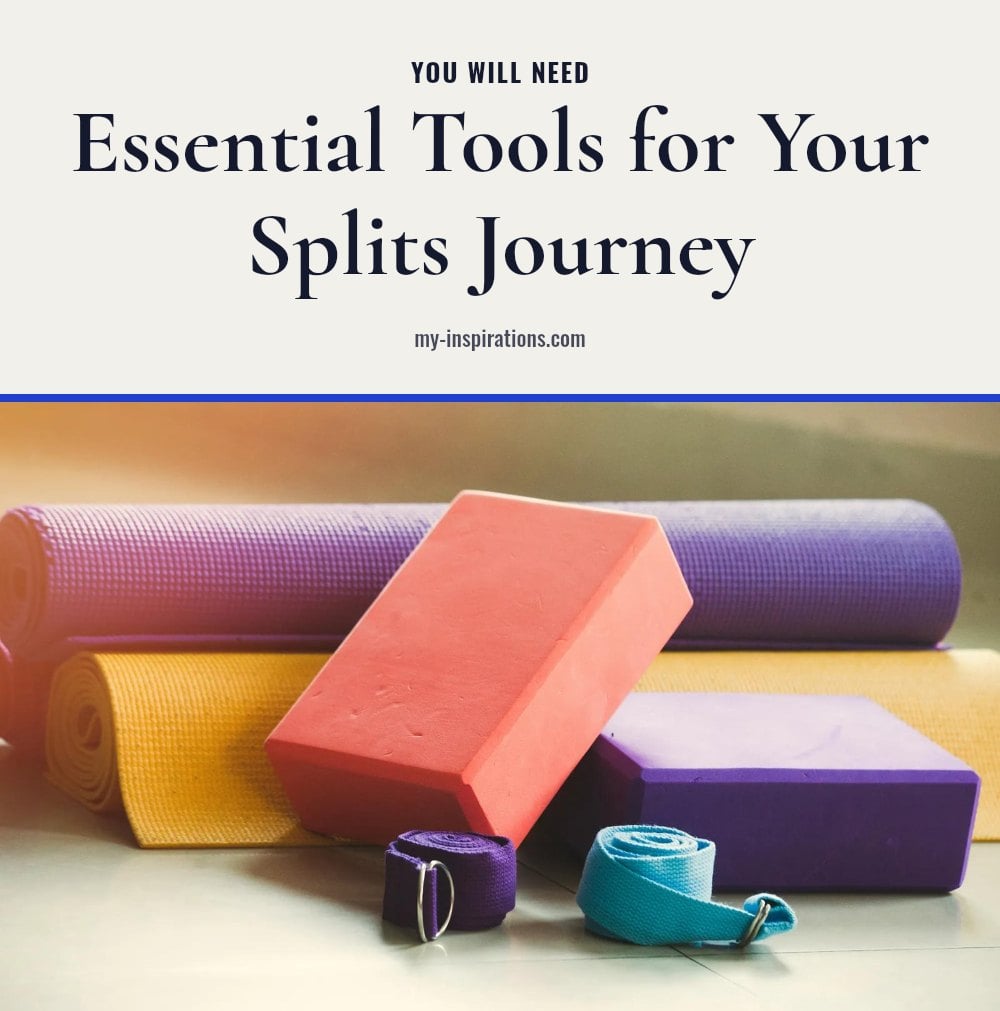
You don’t need much to start working toward your splits, but a few basic tools make the process safer and more comfortable.
- Yoga mat: Provides cushioning and grip so you can stretch without slipping on a hard floor.
- Yoga blocks: Place them under your hands or hips to support your body as you ease into deeper stretches.
- Cushions or pillows: Use them under your knees or hips for extra padding and to reduce discomfort in floor stretches.
- Resistance bands: Wrap a band around your foot or leg to gently assist a stretch and increase your range of motion over time.
Your Daily Splits Stretching Routine
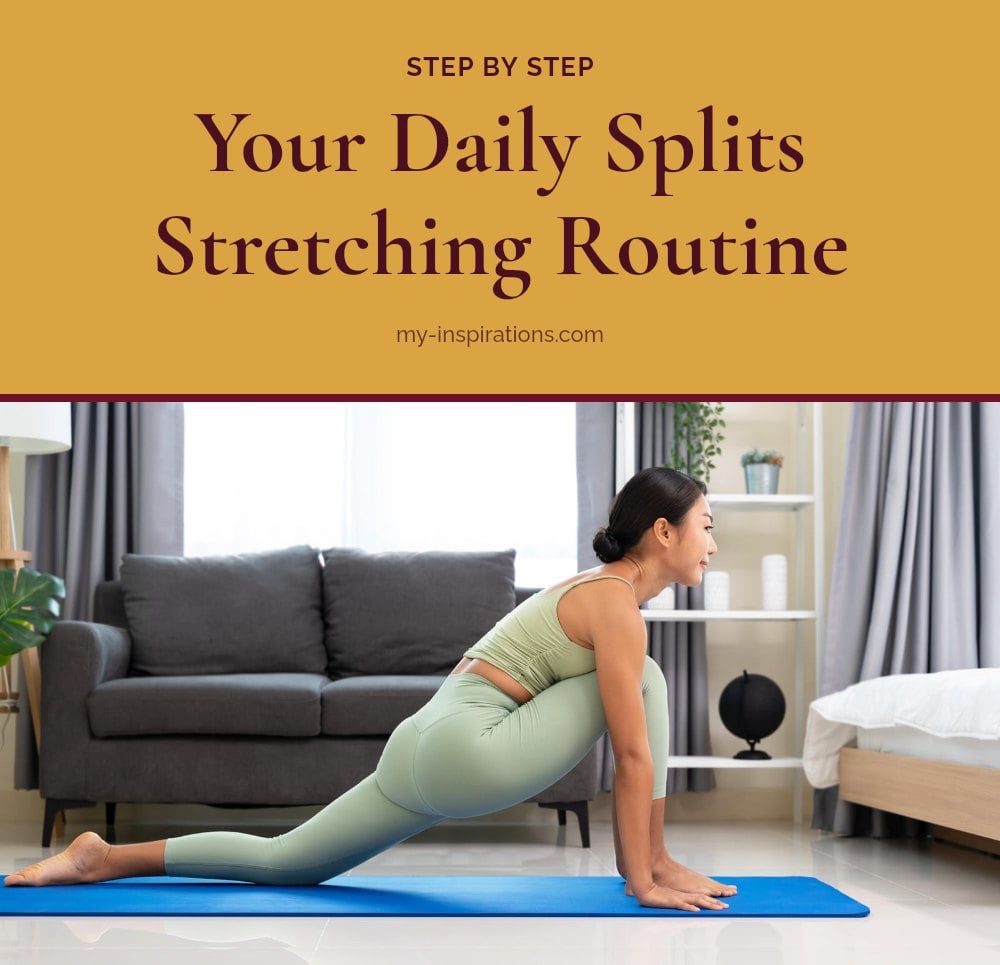
Follow this routine daily or every other day to safely build the flexibility needed for splits.
- Warm up: Do 5 to 10 minutes of light cardio such as brisk walking, jogging in place, or jumping jacks. This increases blood flow and muscle elasticity, reducing injury risk.
- Dynamic stretches: Perform leg swings, walking lunges, and torso twists. Controlled movement through a full range of motion prepares your body for deeper static stretches.
- Target hamstrings: Sit with legs extended and reach toward your toes in a seated forward fold. You can also do standing hamstring stretches by placing one heel on a low step and hinging forward from the hips.
- Focus on hip flexors: Do lunges and half-kneeling hip flexor stretches. For the half-kneeling version, kneel on one knee with the other foot flat in front; gently push your hips forward while keeping your torso upright.
- Address inner thighs: Sit with the soles of your feet together and let your knees fall outward in a butterfly stretch. For a frog stretch, lie on your stomach with knees bent and feet together, then press your hips gently toward the floor.
- Work on splits with props: For front splits, slide your front leg forward and back leg back, using yoga blocks or cushions under your hips for support. For middle splits, gradually widen your legs while keeping your hips stacked over your knees, using blocks under your hands or thighs as needed.
- Hold static stretches: Hold each stretch for 20 to 30 seconds, breathing deeply. Exhale as you ease into the stretch to help relax the muscle.
- Cool down: Finish with gentle full-body stretches like a child’s pose or a standing forward fold to release any remaining tension.
Common Mistakes to Avoid When Stretching for Splits
Avoid these common pitfalls to keep your stretching safe and effective.
- Stretching cold muscles: Always warm up first. Cold muscles are less elastic and more prone to injury.
- Bouncing during stretches: Bouncing triggers the stretch reflex, which makes muscles contract rather than lengthen. Hold still instead.
- Forcing a stretch: Pushing past a comfortable range of motion can lead to strains or tears. Stop if you feel sharp pain.
- Inconsistent practice: Sporadic stretching won’t build flexibility. Aim for daily or every-other-day sessions to see real progress.
- Neglecting other muscle groups: A balanced approach that includes strength training supports flexible joints and prevents imbalances.
- Comparing yourself to others: Everyone’s body is different. Focus on your own small wins and trust the process.
Smart Tips for Faster and Safer Flexibility Gains
Breathe into your stretches: Deep exhalations help relax your muscles and can increase your range of motion. As you hold a stretch, exhale fully and try to sink a little deeper on each breath.
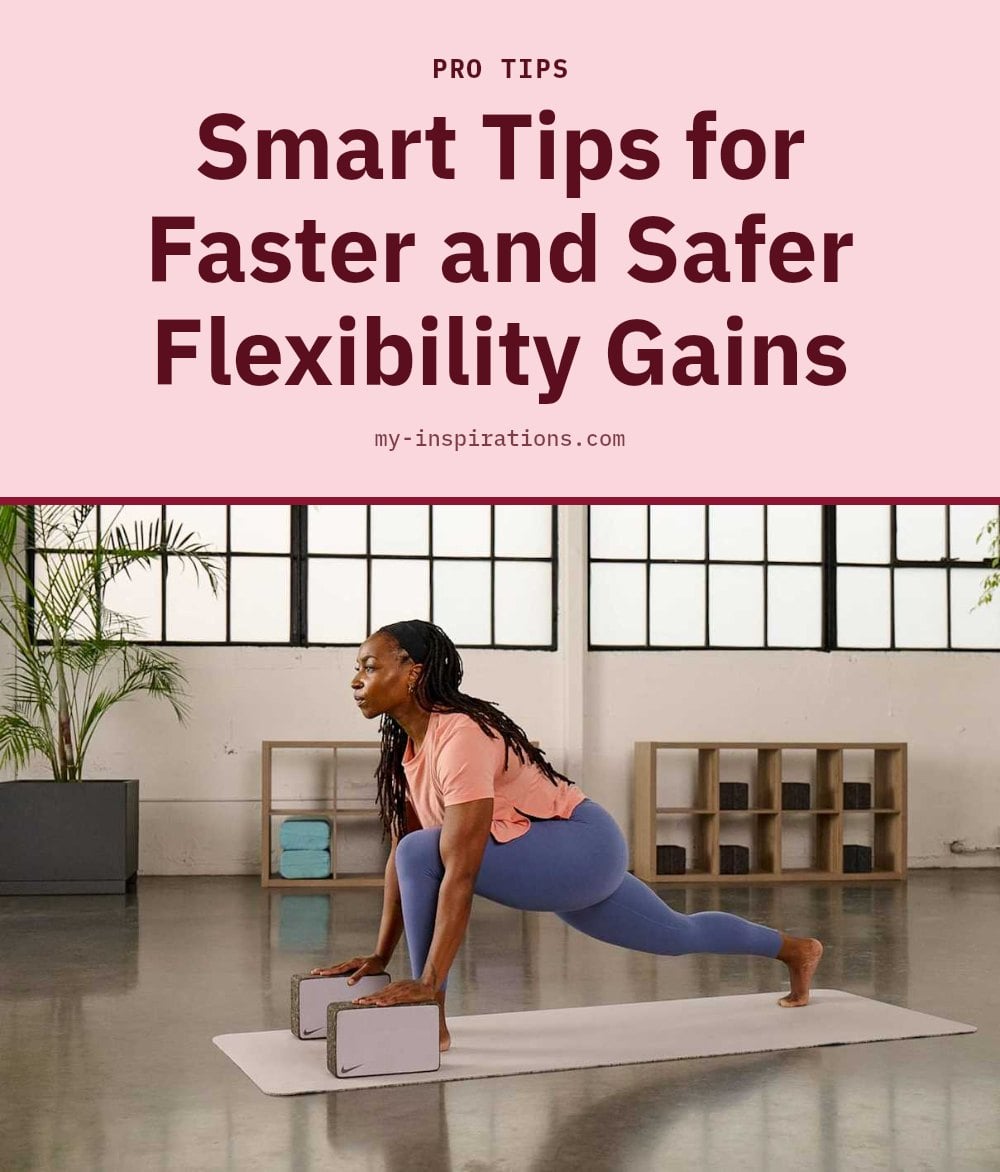
Use props wisely: Yoga blocks, cushions, or even a sturdy chair provide support and let you gradually deepen stretches without forcing. Place a block under your front leg in a front split to ease into the position.
Stay hydrated: Well-hydrated muscles are more elastic and less prone to injury. Drink water throughout the day, not just during your stretching session.
Incorporate strength training: Strong muscles support flexible joints and help prevent imbalances. Add exercises like lunges, glute bridges, and core work to your weekly routine.
Listen to your body: Learn the difference between a healthy stretch sensation and sharp pain. Stop immediately if you feel pain, and never push through it.
Be patient: Flexibility takes time. Celebrate small improvements, like reaching an inch farther or holding a stretch longer, and trust the process.
How Long Does It Take to Get the Splits?
The timeline for achieving the splits is highly individual. It can take anywhere from a few weeks to several months or even years. Factors like genetics, your current flexibility, age, and how consistently you stretch all play a significant role.
Consistency is key: Daily or every-other-day practice is far more effective than infrequent, intense sessions. Even 10 to 15 minutes a day can lead to steady progress.
Listen to your body: Pushing too hard too fast can lead to injury and set back your progress. Slow, patient work is what gets results.
Cost: Achieving the splits at home is inexpensive. Basic equipment like a yoga mat and a pair of blocks are one-time purchases that cost very little.
When to Consult a Professional
Consult a professional if you experience any sharp, sudden, or shooting pain during or after stretching. This may indicate an injury that needs evaluation.
If you have pre-existing injuries, chronic pain, or medical conditions that might be affected by stretching, talk to your doctor or a physical therapist before starting a routine.
If you are unsure about proper form and technique, a physical therapist or certified yoga instructor can provide personalized guidance to keep you safe.
If your progress stalls despite consistent effort, a professional can help identify underlying issues or suggest alternative approaches to move forward.
Frequently Asked Questions
How long does it typically take to achieve the splits?
It varies greatly from person to person. Factors like your current flexibility, genetics, age, and how consistently you stretch all play a role. Some people reach the splits in a few weeks, while others take several months or even years. Focus on consistent practice rather than a specific deadline.
Can I still get the splits if I’m not naturally flexible?
Yes, absolutely. Natural flexibility helps, but consistent stretching can improve your range of motion over time. Everyone’s body is different, so progress will look different for you than for someone else. Patience and regular practice are more important than where you start.
What’s the difference between front and middle splits?
Front splits involve one leg forward and one leg back, targeting the hamstrings of the front leg and the hip flexors of the back leg. Middle splits have both legs out to the sides, focusing on the adductors (inner thighs) and hip abductors. Both require dedicated stretching for their specific muscle groups.
Is it normal to feel discomfort during stretching?
Yes, a mild pulling sensation is normal and indicates the muscle is lengthening. However, sharp, sudden, or shooting pain is not normal and may signal an injury. If you feel that kind of pain, stop immediately and rest. If the pain persists, see a doctor or physical therapist.
Can I stretch for the splits every day?
Yes, daily stretching is safe for most people as long as you keep it gentle and don’t force the stretch. Listen to your body, if you feel sore or fatigued, take a rest day or do a lighter session. Consistency is key, but rest is also part of the process.
What if I hit a plateau in my flexibility?
Plateaus are common and normal. When progress stalls, try varying your routine by incorporating different stretches, using props for support, or focusing on deeper breathing during holds. Sometimes taking a short break and coming back can also help reset your muscles. Be patient and keep showing up.
Final Thoughts
My tip: commit to your daily routine, even if it’s just 10 minutes. Real progress comes from showing up, not from pushing hard. Expect the timeline to vary widely, some people see changes in weeks, others in months. Listen to your body, breathe through each stretch, and celebrate small wins along the way.
This article is for general informational purposes only and does not constitute medical or professional advice. Stretching carries a risk of injury, especially if done improperly or without a proper warm-up. If you have a pre-existing injury, chronic pain, or any medical condition, consult your doctor or a physical therapist before starting a new stretching routine.