Cycle Syncing for Beginners: Aligning Your Life with Your Menstrual Cycle
Discover cycle syncing for beginners to align your diet, exercise, and lifestyle with your menstrual phases. Learn how to feel more energized and balanced.

Have you ever noticed that some days you feel unstoppable and ready to tackle anything, while other days you just want to curl up on the couch? That’s your menstrual cycle at work, and cycle syncing is all about tuning into those natural rhythms. By aligning your diet, exercise, and daily activities with the four phases of your cycle, you can work with your body instead of against it.
In this article, we’ll walk you through the basics of cycle syncing, how to get started, and what to expect. You’ll learn about each phase, common mistakes to avoid, and practical tips for making it work for you.
Key Takeaways
- Track your cycle for 2-3 months before making lifestyle changes.
- Adjust exercise intensity: strength training in follicular, gentle yoga in luteal.
- Eat iron-rich foods during menstruation and complex carbs in luteal phase.
- Cycle syncing is not a medical treatment; see a doctor for concerns.
- Results are gradual; consistency over several months is key.
What Exactly Is Cycle Syncing?
Cycle syncing means adjusting your diet, exercise, and daily activities to match the four phases of your menstrual cycle. The goal is to work with your body’s natural hormonal fluctuations instead of fighting them, which can help improve your energy, mood, and overall well-being throughout the month. Each phase brings a different hormonal profile that influences your energy levels, metabolism, and cognitive function, so tailoring your lifestyle choices to each phase can be beneficial.
Understanding Your Menstrual Cycle Phases
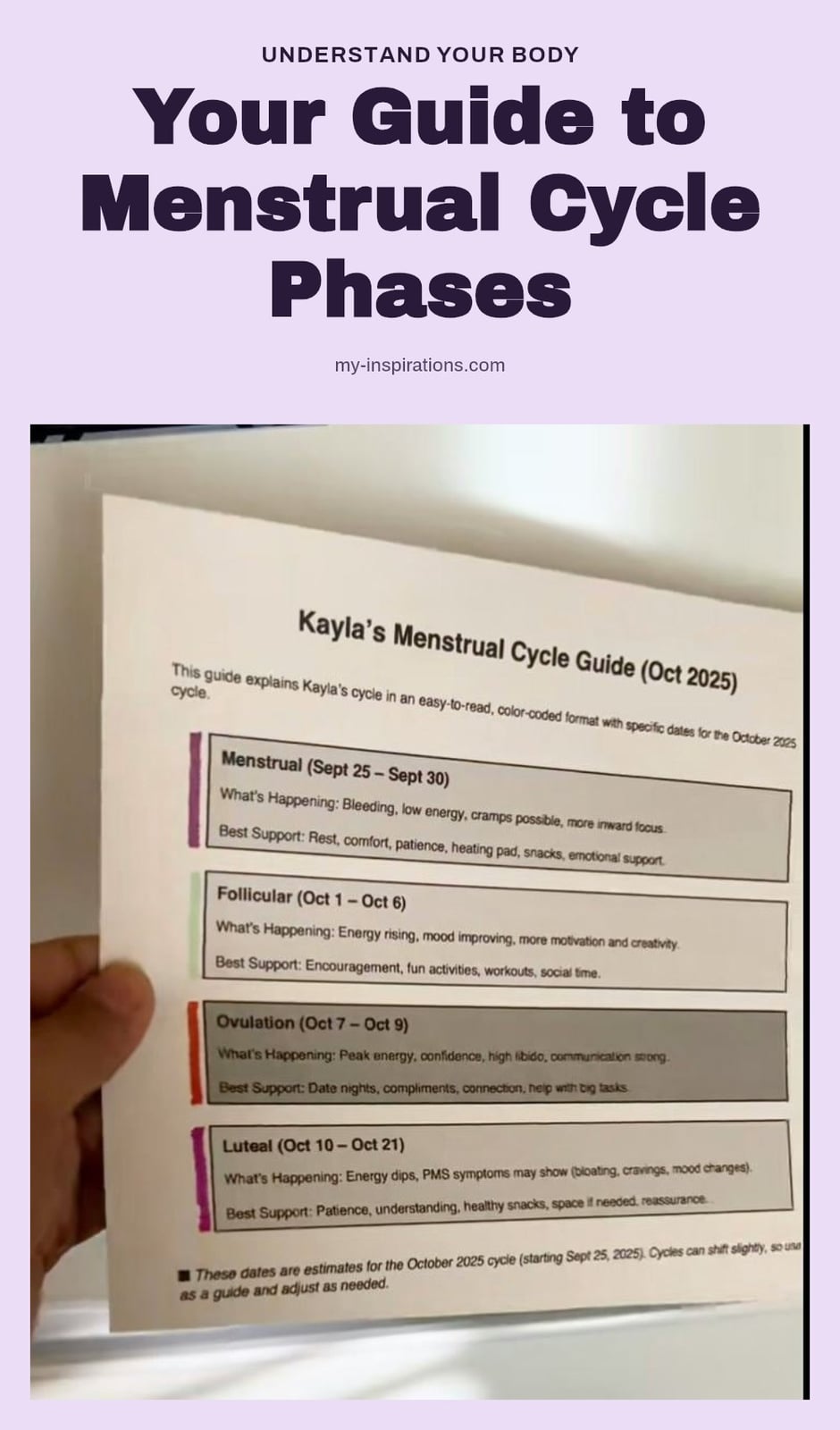
A typical menstrual cycle lasts about 28 days, but anywhere from 21 to 35 days is considered normal. The cycle has four main phases: menstrual, follicular, ovulatory, and luteal. Each phase has distinct hormonal shifts that affect how you feel.
Menstrual Phase (Days 1-5)
This phase starts with bleeding. Both estrogen and progesterone are at their lowest.
Follicular Phase (Days 1-14)
This phase overlaps with the menstrual phase. Estrogen rises gradually, which often boosts energy and focus.
Ovulatory Phase (Around Day 14)
A surge in luteinizing hormone (LH) and peak estrogen occur. Many people feel high energy and a strong social drive.
Luteal Phase (Days 15-28)
Progesterone rises, and estrogen has a secondary increase. This can lead to increased appetite, lower energy, and PMS symptoms for some.
How to Start Cycle Syncing Your Lifestyle

- Track your cycle: Use a journal or app to log your cycle dates, symptoms, and energy levels for at least 2-3 months. This helps you identify your personal phase lengths and patterns before making changes.
- Adjust your exercise: During the follicular phase, when energy is higher, try incorporating strength training or new activities. In the luteal phase, switch to gentler exercises like walking or yoga and prioritize rest.
- Adjust your diet: Eat iron-rich foods like leafy greens or beans during menstruation. During the luteal phase, include complex carbohydrates such as whole grains and sweet potatoes to support your body.
- Listen to your body: Use your energy levels as a guide rather than rigidly following general advice. If you feel tired, take it easy. If you feel strong, go for it.
- Prioritize self-care: Focus on stress management and rest, especially during lower-energy phases. This can include meditation, gentle stretching, or simply taking quiet time.
Common Cycle Syncing Mistakes to Avoid
- Believing it’s a medical treatment: Cycle syncing is a wellness practice, not a cure for hormonal disorders or a substitute for medical advice. If you have health concerns, see a doctor.
- Ignoring individual symptoms: Don’t follow generic phase recommendations if they don’t match how you actually feel. Your body’s signals are your best guide.
- Expecting every cycle to be identical: Cycles can vary in length and symptoms. Getting frustrated by natural fluctuations is counterproductive.
- Over-focusing on diet and exercise: Neglecting sleep, stress management, and emotional well-being can undermine your efforts. Balance is key.
- Inaccurate cycle tracking: Misidentifying your phases means you’re syncing to the wrong hormonal profile. Use a reliable app or journal consistently to stay accurate.
Tools and Resources for Cycle Syncing
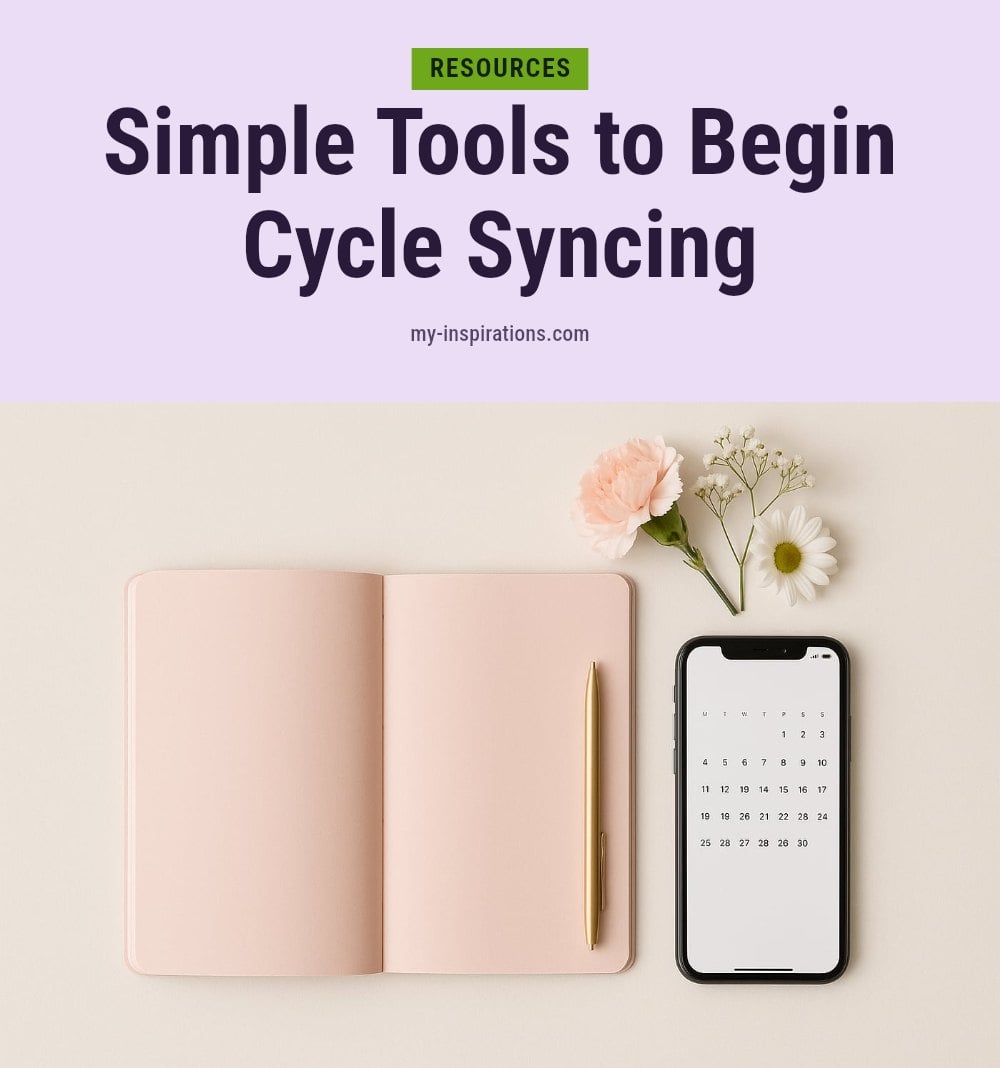
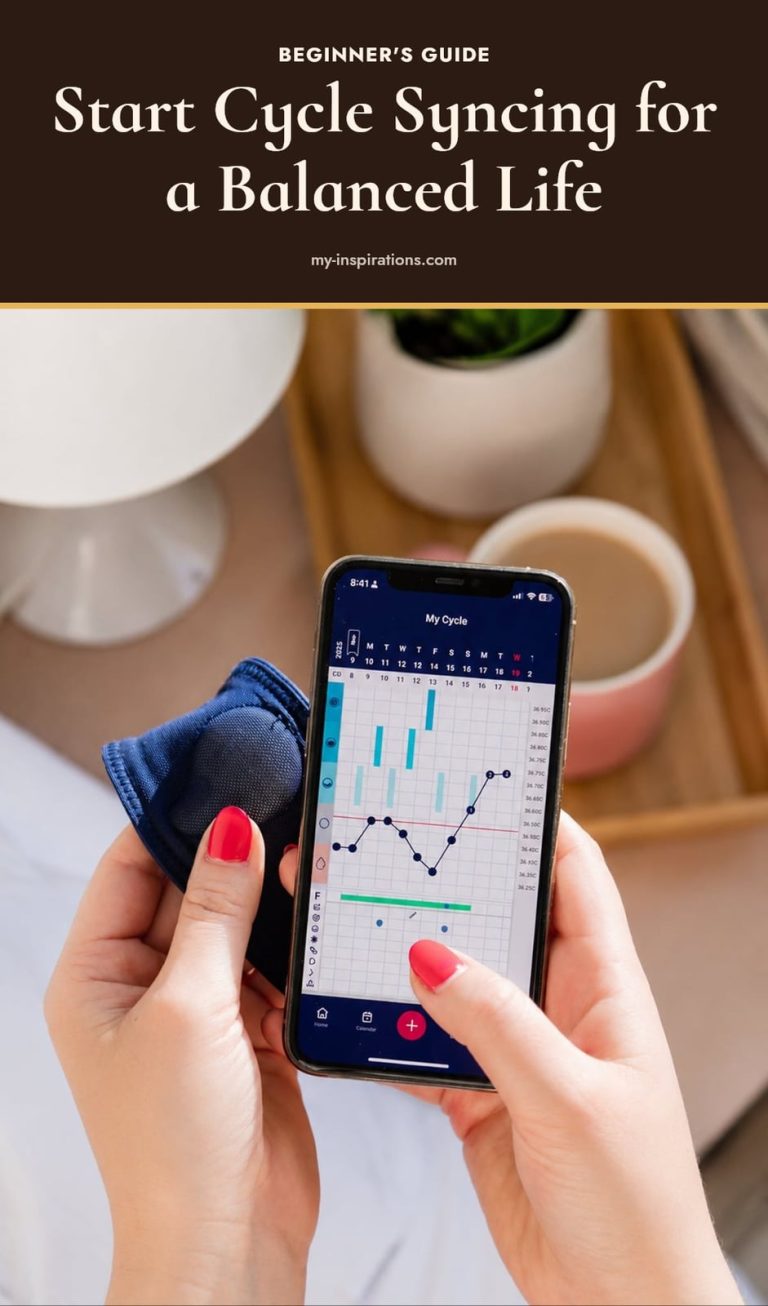
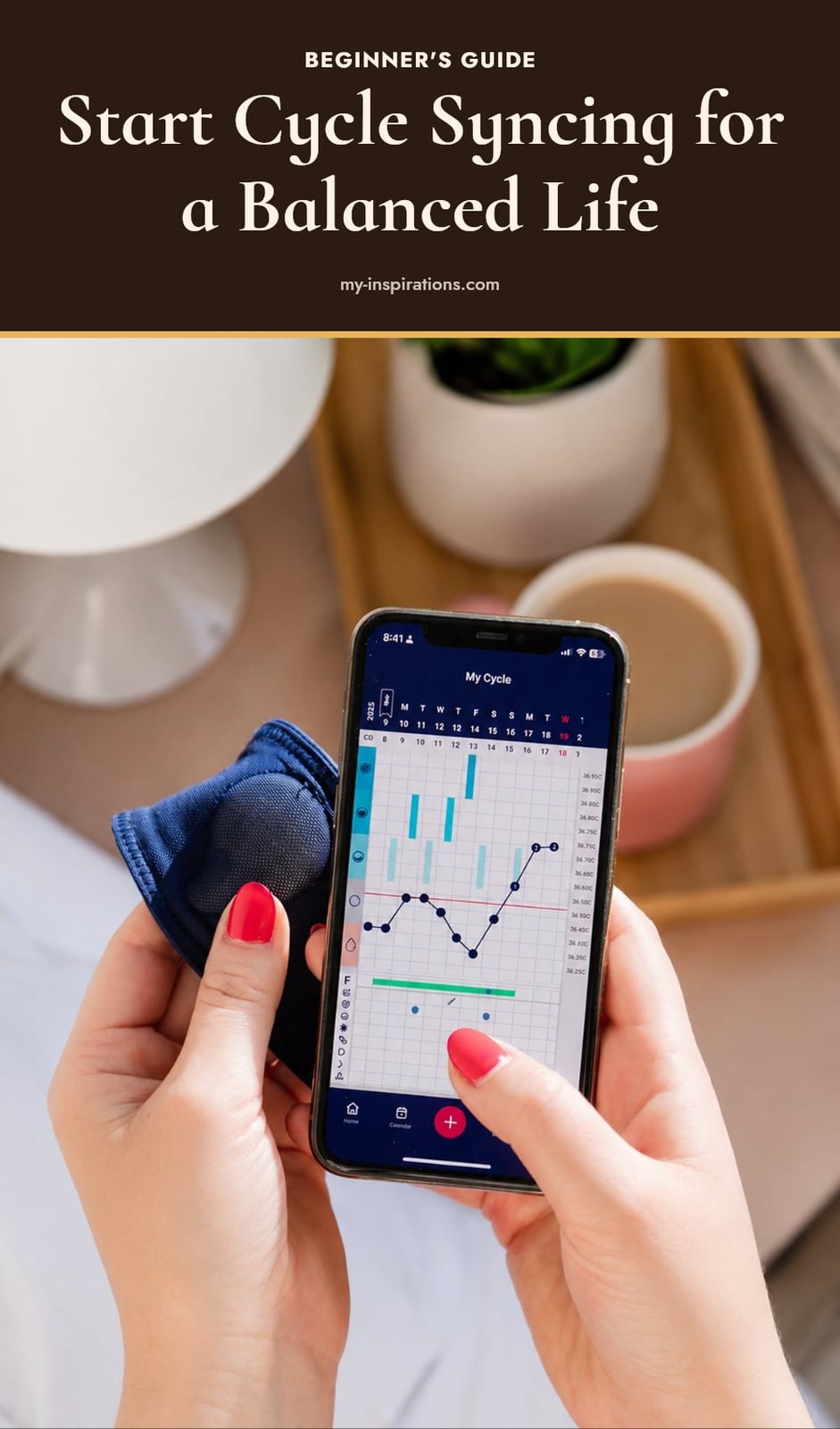
Menstrual cycle tracking app or journal: This is your foundation. Log your cycle dates, daily symptoms, and energy levels to spot your unique patterns. Without accurate tracking, you are guessing at your phases.
Calendar: Use it to plan workouts, social events, and rest days around your cycle. Seeing the full month helps you shift high-energy tasks into your follicular or ovulatory phases and schedule downtime for the luteal phase.
Nutrient-rich foods: Stock up on fruits, vegetables, whole grains, lean proteins, and healthy fats. These support overall hormonal health without needing a special diet.
Water bottle: Hydration needs increase during menstruation and on high-activity days. Keeping water nearby makes it easier to drink consistently.
Comfortable exercise gear: Have clothes and shoes for both intense workouts and restorative practices like yoga or walking. The right gear removes a barrier to moving when your energy is low.
When to Consult a Healthcare Professional
If you experience severe pain, extremely heavy bleeding, or consistently irregular cycles, see a doctor. These symptoms may point to an underlying health condition that needs professional diagnosis.
Discuss any major dietary changes or new exercise routines with your healthcare provider, especially if you have existing health conditions. Cycle syncing is not a form of birth control; consult a doctor for reliable contraception methods.
If you have concerns about hormonal imbalances, fertility, or reproductive health, a professional can offer accurate testing and treatment. Stop any practice that causes discomfort or worsens your well-being and seek medical advice.
Timeline for Cycle Syncing and Expected Outcomes
Initial Tracking: Track your cycle for at least 2-3 months before actively syncing. This gives you enough data to identify your personal phase lengths and patterns.
Results Timeline: Feeling better happens gradually. Some people notice small shifts within a month, but consistency over several months is what leads to reliable changes. Individual experiences vary widely.
Cost: Cycle syncing is mostly free. You may choose a paid tracking app, but many reliable free options exist. Any extra spending on healthier foods or exercise gear is optional and depends on your current habits.
Frequently Asked Questions
Is cycle syncing scientifically proven?
While the hormonal changes across the menstrual cycle are well understood, research specifically validating cycle syncing as a practice is limited. Many people find it helpful for feeling more in tune with their bodies, but it’s not a medically proven treatment. Use it as a wellness tool, not a prescription.
How long does it take to see results from cycle syncing?
Most people don’t see dramatic changes overnight. You’ll likely need to track your cycle for at least 2-3 months to identify your patterns, and then give syncing a few more cycles to notice consistent benefits. Some feel small shifts within a month, but lasting results come from steady practice.
Can I cycle sync if I have irregular periods?
Yes, you can still try cycle syncing with irregular cycles, but it’s trickier. Tracking becomes even more important to spot your unique patterns. If your cycles are consistently irregular, it’s wise to check with a doctor to rule out underlying issues before relying on syncing.
Does cycle syncing affect birth control?
Cycle syncing is not a form of birth control and won’t prevent pregnancy. If you’re on hormonal birth control, your natural cycle is suppressed, so syncing may not apply the same way. Always use reliable contraception and talk to your healthcare provider for personalized advice.
What if I don’t have a typical 28-day cycle?
That’s completely normal. Cycles from 21 to 35 days are considered healthy. Cycle syncing is about your personal rhythm, not a fixed calendar. Track your own cycle lengths and adjust the phase timing to match your body, not the textbook average.
Final Thoughts
Cycle syncing isn’t about perfection, it’s about listening to your body and making small adjustments that support how you feel. Start by tracking your cycle for a couple of months, then experiment with tweaking your workouts and meals to match your energy. You might notice subtle shifts in your mood and stamina within a month, but give it a few cycles to really see what works for you.
Remember, every body is different, so be patient and kind to yourself. If you have any health concerns, always check with a professional first.
This article is for general informational purposes only and is not a substitute for professional medical advice. Always consult with a doctor or qualified healthcare provider before making significant changes to your diet, exercise routine, or if you have concerns about your menstrual health. If you experience severe pain, heavy bleeding, or irregular cycles, seek medical attention.