How to Prevent Chafing: Simple Tips for Comfort All Day
Learn how to prevent chafing with practical tips and effective products. Keep your skin comfortable and irritation-free all day long.

Chafing is that raw, stinging irritation that shows up after a long walk, a sweaty commute, or even just a hot day in the wrong outfit. It happens when skin rubs against skin or clothing, and moisture from sweat or humidity makes it worse by breaking down your skin’s natural barrier. This article covers the simple steps you can take to prevent chafing before it starts, what to do if you’re already sore, and when it’s time to see a doctor.
Key Takeaways
- Apply an anti-chafing balm or petroleum jelly to prone areas before any activity.
- Wear moisture-wicking fabrics like synthetic blends instead of cotton for workouts.
- Keep skin clean and dry, especially in skin folds, to reduce friction.
- Choose snug compression shorts or bike shorts under skirts to prevent thigh rubbing.
- See a doctor if chafed skin develops open sores, bleeding, pus, or signs of infection.
What is Chafing and Why Does It Happen?
Chafing is skin irritation caused by repetitive friction, like when skin rubs against skin or clothing. Moisture from sweat or water makes it worse by breaking down the skin’s natural protective barrier, and heat adds to the problem by increasing sweat and skin sensitivity. You’ll most often notice chafing on your inner thighs, underarms, groin, nipples, and beneath the breasts.
Understanding the Causes of Skin Chafing
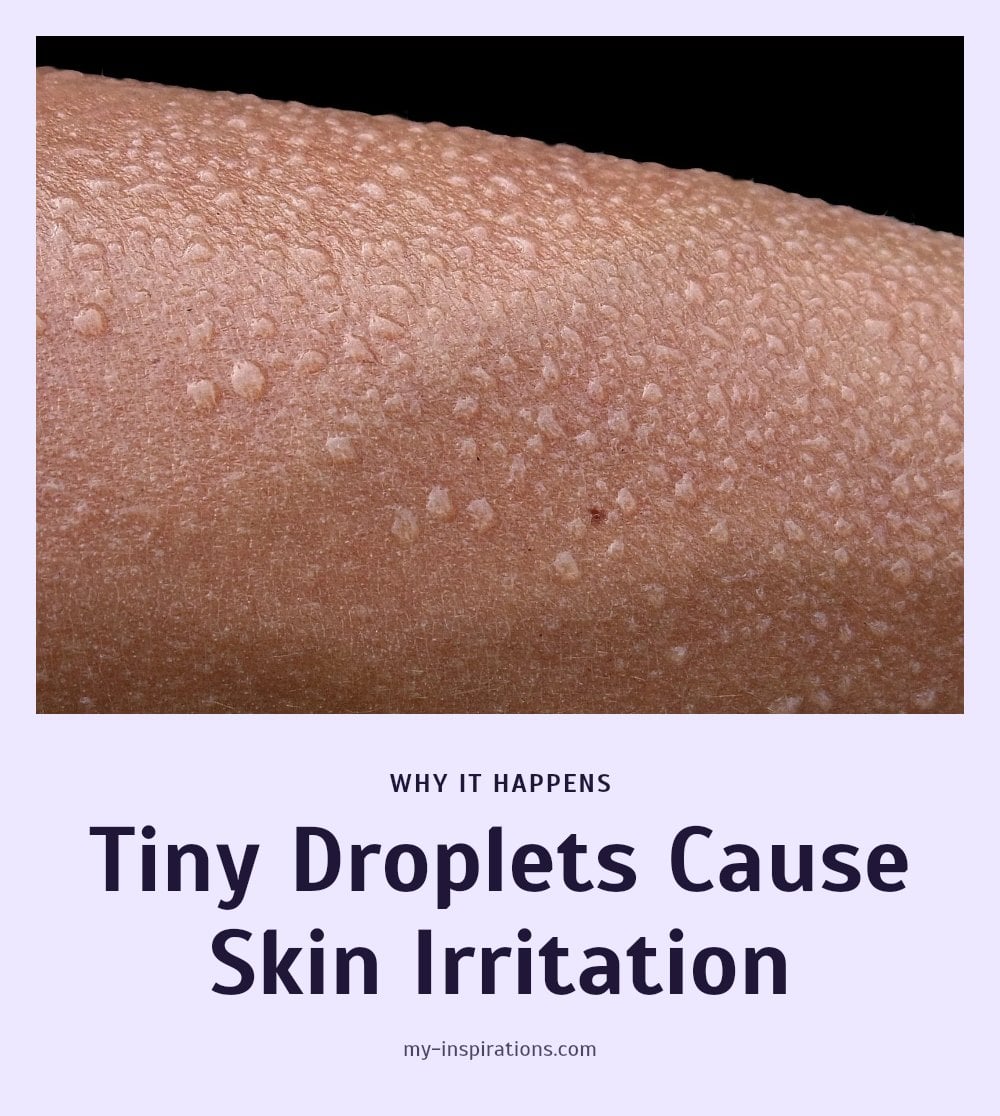
Friction is the main culprit
Chafing starts with repeated rubbing, either skin-on-skin or skin-on-clothing. Every step, stride, or arm swing creates micro-abrasions that add up over time.
Moisture breaks down your skin’s defenses
Sweat or water softens the outer layer of your skin and washes away natural oils that normally reduce friction. This makes your skin more vulnerable to damage from even light rubbing.
Heat turns up the pressure
High temperatures boost sweat production and make skin more sensitive. When heat and moisture combine, chafing risk climbs fast.
Fabric choice matters
Cotton absorbs sweat and holds it against your skin, staying wet and heavy during activity. This creates more drag and keeps your skin damp longer, both of which worsen chafing. Synthetic moisture-wicking fabrics pull sweat away instead.
Body type can play a role
People with more body weight or larger body frames experience more skin-on-skin contact in areas like the inner thighs and under the belly, which increases the chance of chafing.
Your Essential Anti-Chafing Arsenal
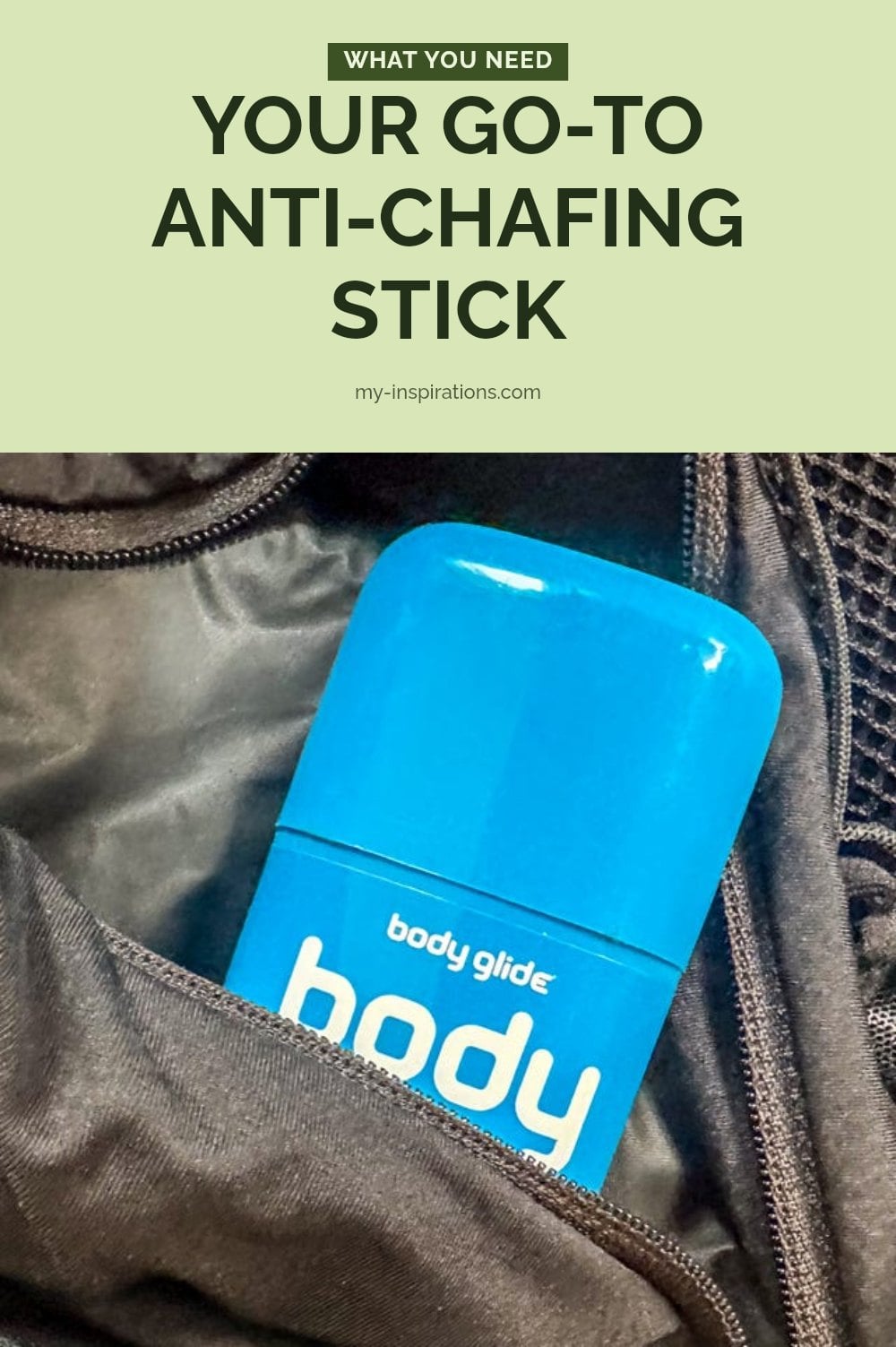
Before you head out, stock your kit with a few proven helpers:
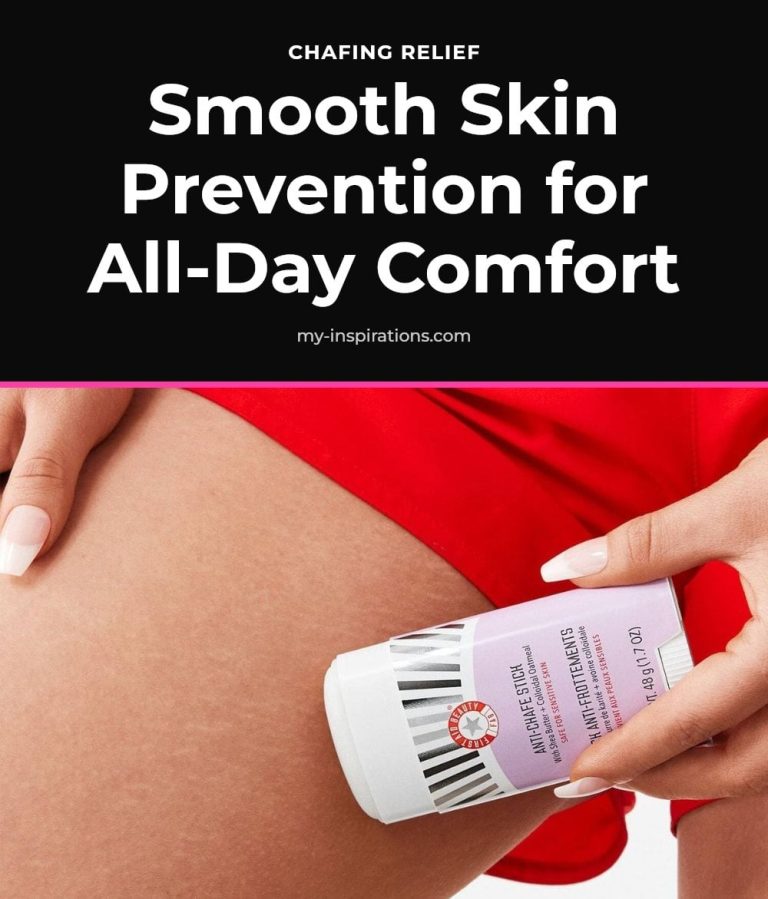
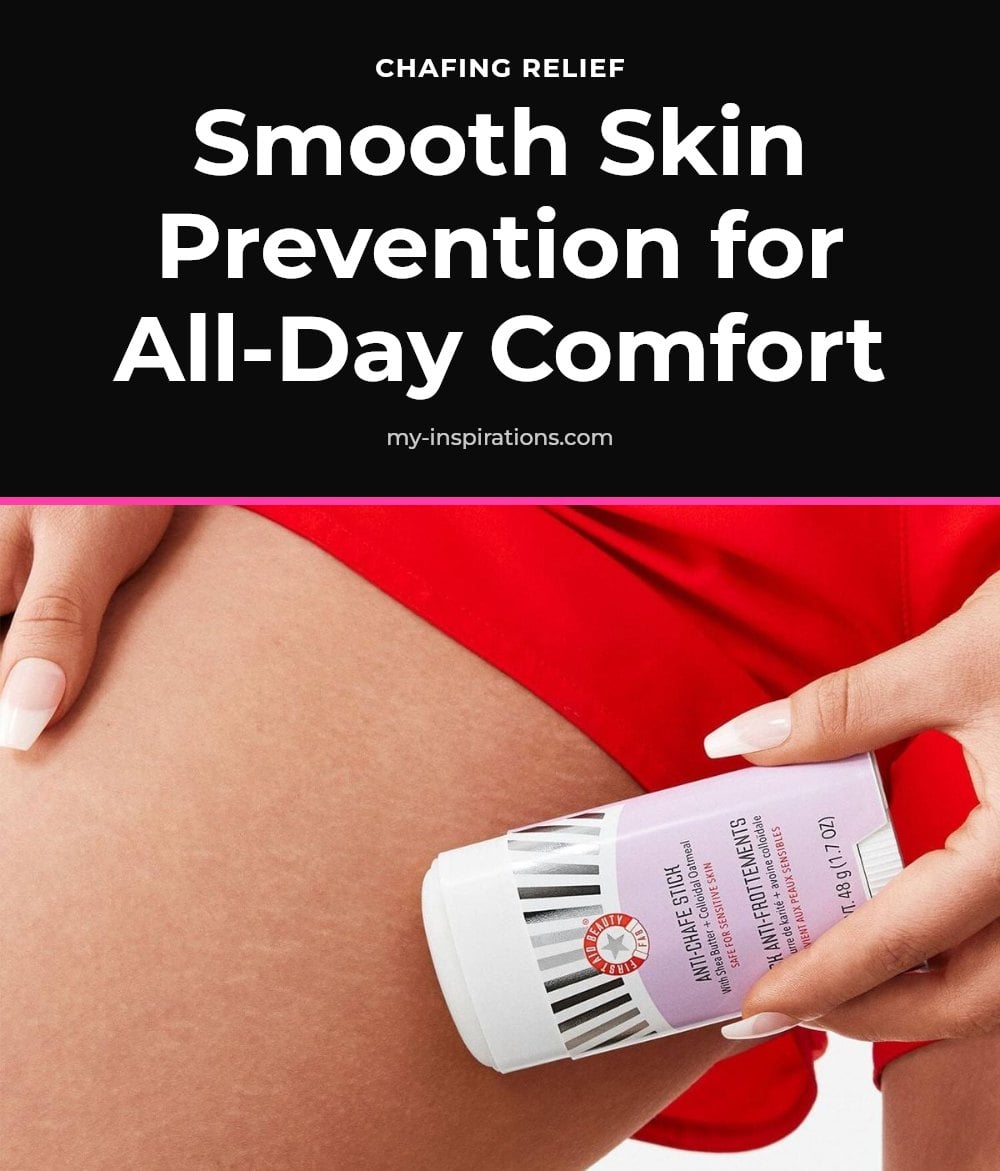
- Anti-chafing balm or stick: Creates a smooth, long-lasting protective layer that reduces friction between skin surfaces or skin and clothing.
- Petroleum jelly: A classic barrier that works well for many people, especially on inner thighs and underarms.
- Moisture-wicking fabrics: Synthetic blends (polyester, nylon) pull sweat away from your skin so you stay drier during activity.
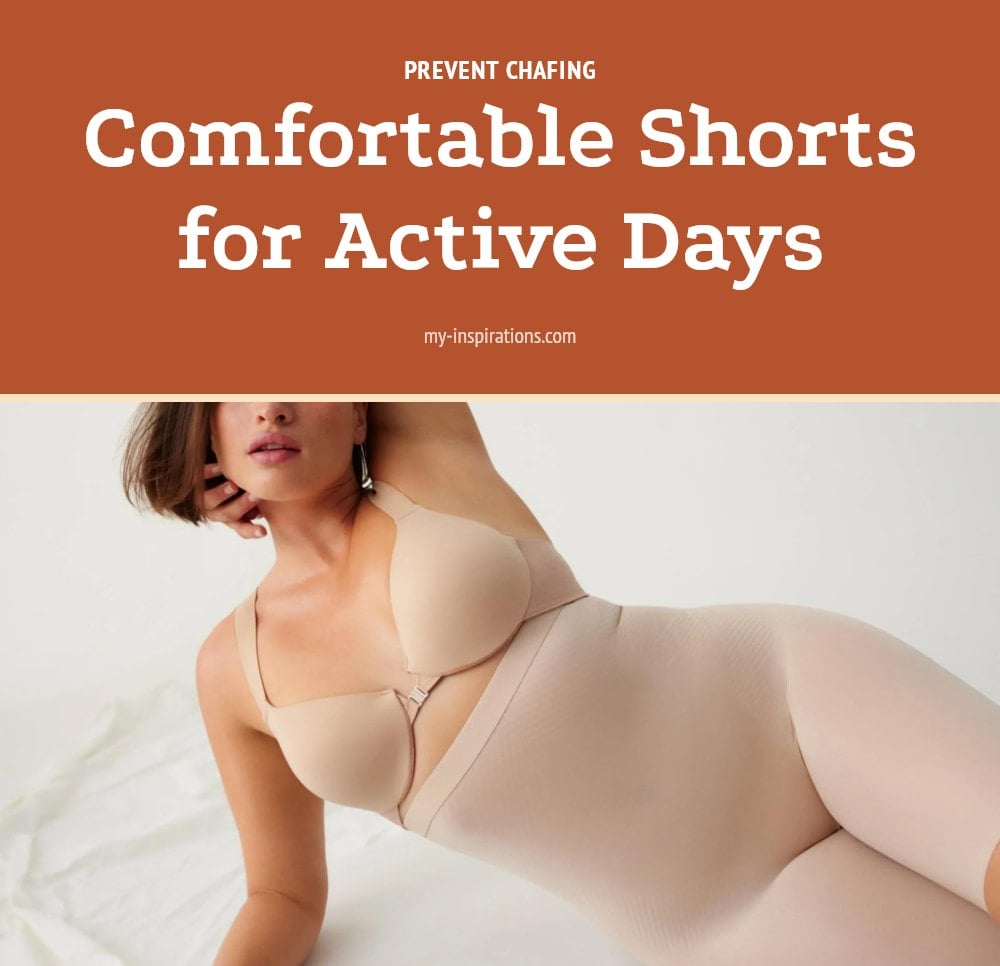
- Compression shorts or bike shorts: Provide a physical barrier under skirts, dresses, or loose pants, preventing skin-on-skin rubbing.
- Mild soap and water: For gentle cleansing after activity without stripping your skin’s natural barrier.
Effective Ways to Prevent Chafing in Common Areas
Apply a protective barrier before activity
Rub an anti-chafing balm, stick, or petroleum jelly onto areas that rub together or against clothing. Focus on inner thighs, underarms, groin, and any other spots where you’ve had trouble before. My tip: Apply it while your skin is still dry before you start sweating.
Choose moisture-wicking fabrics for active wear
Swap cotton for synthetic blends like polyester or nylon when you exercise, run errands in hot weather, or plan to be on your feet for hours. These fabrics pull sweat away from your skin so it evaporates faster, reducing the wet friction that causes chafing.
Wear appropriate clothing like compression shorts under skirts
Compression shorts or bike shorts act as a physical barrier between your thighs, preventing skin-on-skin contact. They also keep moisture at bay since most are made from moisture-wicking material. Caution: Make sure shorts fit snugly but don’t dig in at the edges, which can create new friction points.
Keep skin clean and dry, especially in skin folds
After showering, pat skin folds completely dry with a soft towel. Dampness in these areas sets the stage for chafing even before you start moving. A dusting of cornstarch or talcum powder can absorb remaining moisture, but remember these powders don’t prevent friction on their own.
Avoid wearing wet or damp clothing for extended periods
Wet fabric clings and drags more than dry fabric, increasing friction with every movement. If your clothes get soaked from sweat or rain, change into dry ones as soon as possible. Sitting around in damp shorts or a wet sports bra is a direct invitation to chafe.
Common Chafing Prevention Mistakes to Avoid
Only thinking athletes chafe: Chafing can happen to anyone who walks, runs, or even sits in warm weather. You don’t need to be a marathoner to get irritated skin from friction.
Wearing cotton for workouts: Cotton soaks up sweat and stays damp, which increases friction. Instead, choose moisture-wicking synthetic fabrics that stay dry and glide against the skin.
Using lotions without friction barriers: Body lotion hydrates the skin but does not create a protective layer. You need a balm, stick, or petroleum jelly to physically reduce rubbing.
Ignoring early irritation: A little redness or stinging is a warning sign. Address it right away by cleaning the area and applying a barrier before it becomes a raw patch.
Believing all powders are equal: Talcum powder or cornstarch can absorb sweat but wear off quickly and do not stop friction. For lasting protection, use a balm or anti-chafing stick.
Soothing and Healing Already Chafed Skin
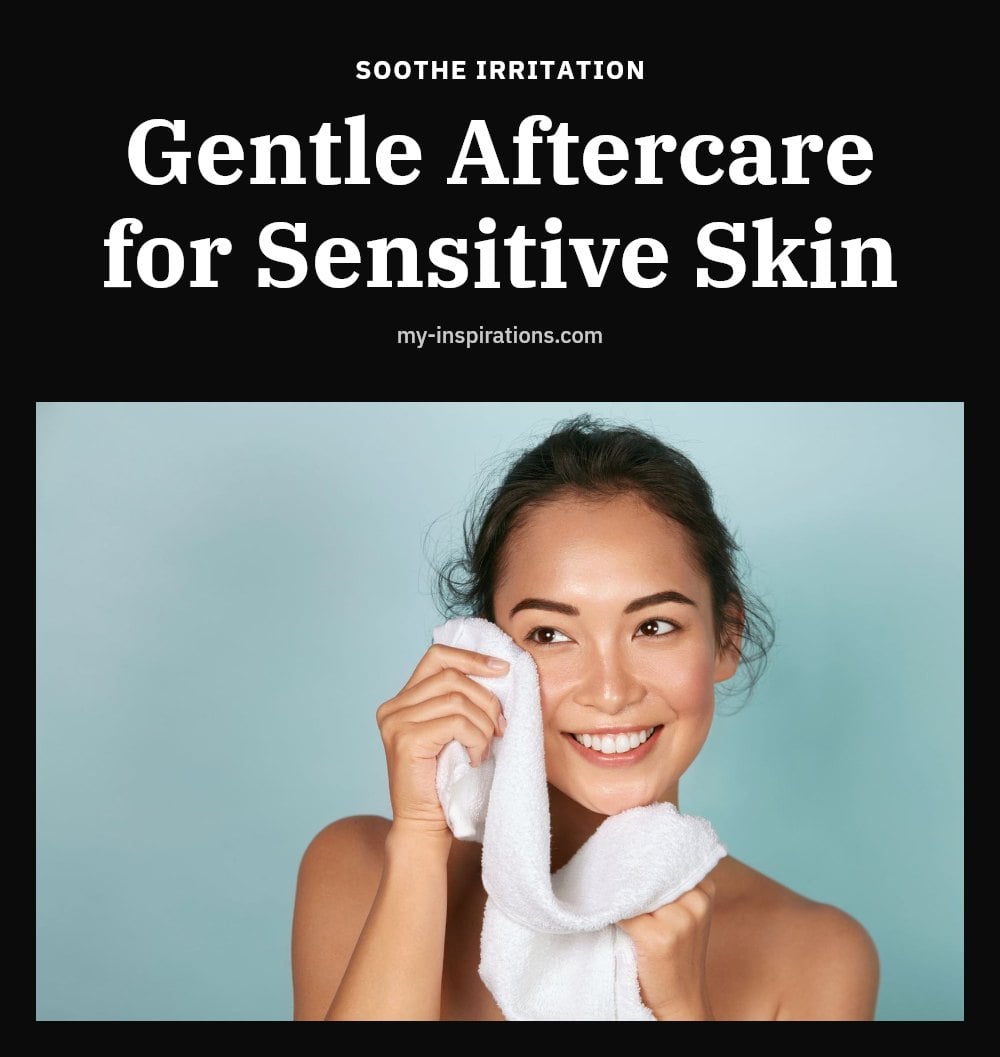
Gently clean chafed skin with mild soap and lukewarm water. Avoid scrubbing, use your hand or a soft cloth. Pat the area dry with a clean towel; do not rub, which adds more irritation.
Apply a soothing, non-irritating balm or cream. Look for ingredients like aloe, zinc oxide, or calendula that calm the skin without stinging. Let the area breathe by wearing loose-fitting, soft clothing until the irritation fades.
Skip harsh products, alcohol-based sprays, or exfoliating scrubs on chafed skin. They will delay healing and may make the redness worse.
When to Seek Professional Medical Advice for Chafing
If chafing leads to open sores, bleeding, or pus, see a healthcare provider. Signs of infection include increasing redness, warmth around the area, swelling, or a fever. Do not try to treat these at home.
If the irritation does not improve or gets worse after a few days of gentle care, a doctor can rule out a secondary infection. Diabetics should be especially cautious with any persistent skin issue and consult a professional early.
Frequently Asked Questions
What is the best fabric to wear to prevent chafing?
Moisture-wicking synthetic fabrics, like those made of polyester or nylon blends, are your best bet. They pull sweat away from your skin and dry quickly, which reduces friction. Avoid cotton for any activity that makes you sweat, since it stays wet and can make chafing worse.
Can diet or hydration affect chafing?
Staying hydrated supports overall skin health, which may help your skin handle friction better. Dehydration can make skin drier and more prone to irritation. There’s no direct evidence that specific foods cause or prevent chafing, but a balanced diet that keeps your skin in good shape certainly doesn’t hurt.
Is chafing a sign of something serious?
Occasional chafing is a common, minor skin irritation and not usually a sign of anything serious. However, if you notice open sores, bleeding, pus, or increasing redness and warmth, it could indicate an infection. In that case, or if the chafing is persistent and severe, see a healthcare provider.
How long does it take for chafing to heal?
Mild chafing often starts feeling better within a day or two if you keep the area clean and dry. More irritated skin may take a few days to fully heal. Avoid further friction on the spot during recovery, and don’t pick at any peeling skin.
Can I use regular lotion to prevent chafing?
Regular body lotion is not ideal for preventing chafing because it absorbs quickly and doesn’t leave a lasting friction barrier. Anti-chafing balms, sticks, or petroleum jelly are better choices because they stay on the skin and provide a slippery layer that reduces rubbing.
Final Thoughts
My tip: keep a small stick of anti-chafing balm in your gym bag and another in your purse so you never have to go without. With the right fabric choices and a quick layer of protection, most chafing is entirely avoidable. If you do get irritated, clean the area gently and let it heal for a couple of days before that next long walk.
This article provides general information about chafing prevention and care. It is not a substitute for professional medical advice. If you have persistent irritation, open sores, or signs of infection, please consult a doctor or dermatologist for personalized treatment.