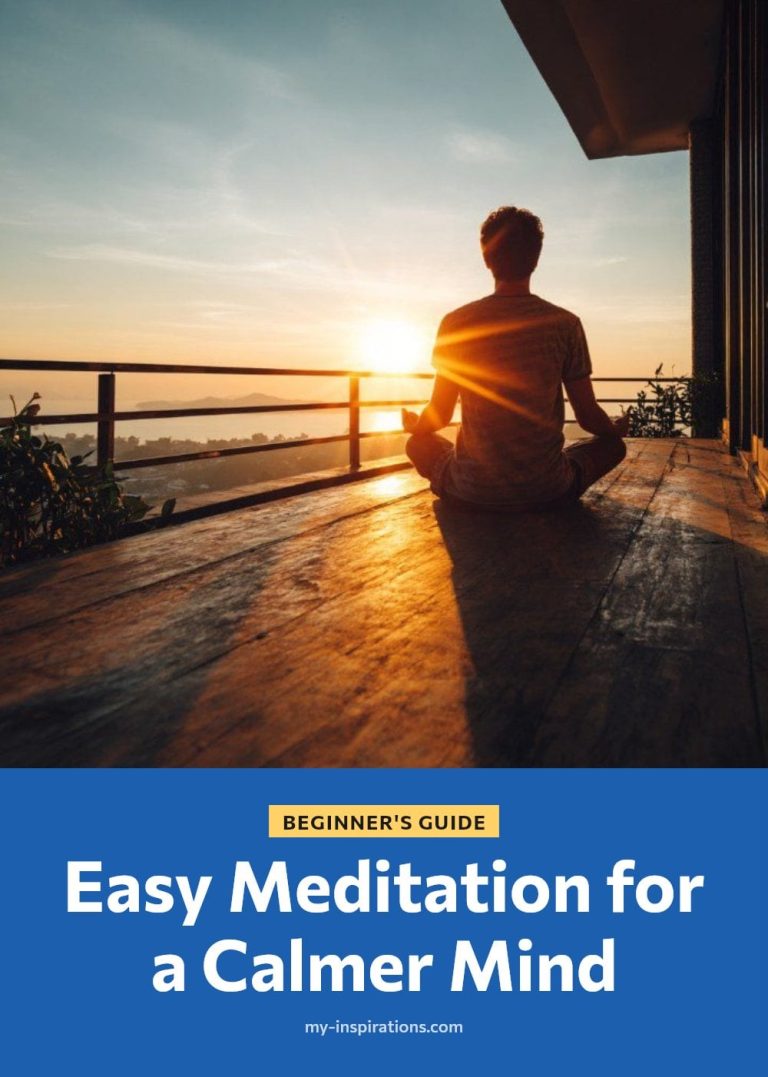
Easy Meditation Tips for a Calm Mind
Discover easy meditation tips to reduce stress, improve focus, and find inner calm. Learn how to start your practice for a more peaceful everyday.

Feeling overwhelmed and struggling to find a moment of calm in your busy day? You’re not alone. Meditation is a simple, accessible practice that can help you reduce stress, improve focus, and cultivate inner peace. In this article, I’ll share easy, practical tips to help you start meditating and build a sustainable routine that fits your life.
Key Takeaways
- Start with just 5-10 minutes of daily meditation to build a consistent habit.
- Choose a quiet, comfortable spot that signals your mind to focus.
- Use your breath as an anchor; gently return to it when your mind wanders.
- Explore different techniques like mindfulness or guided meditation to find what works.
- Be patient with yourself; benefits build over weeks and months, not days.
What is Meditation and How Can It Help?
Meditation is a practice of training your attention and awareness to reach a mentally clear, emotionally calm, and stable state. It involves techniques like focusing on your breath, a mantra, or simply observing your thoughts without judgment. Regular practice can reduce stress, improve emotional regulation, and enhance self-awareness. Think of it as a mental workout that strengthens your ability to stay present and grounded.
1. Start Small, Be Consistent
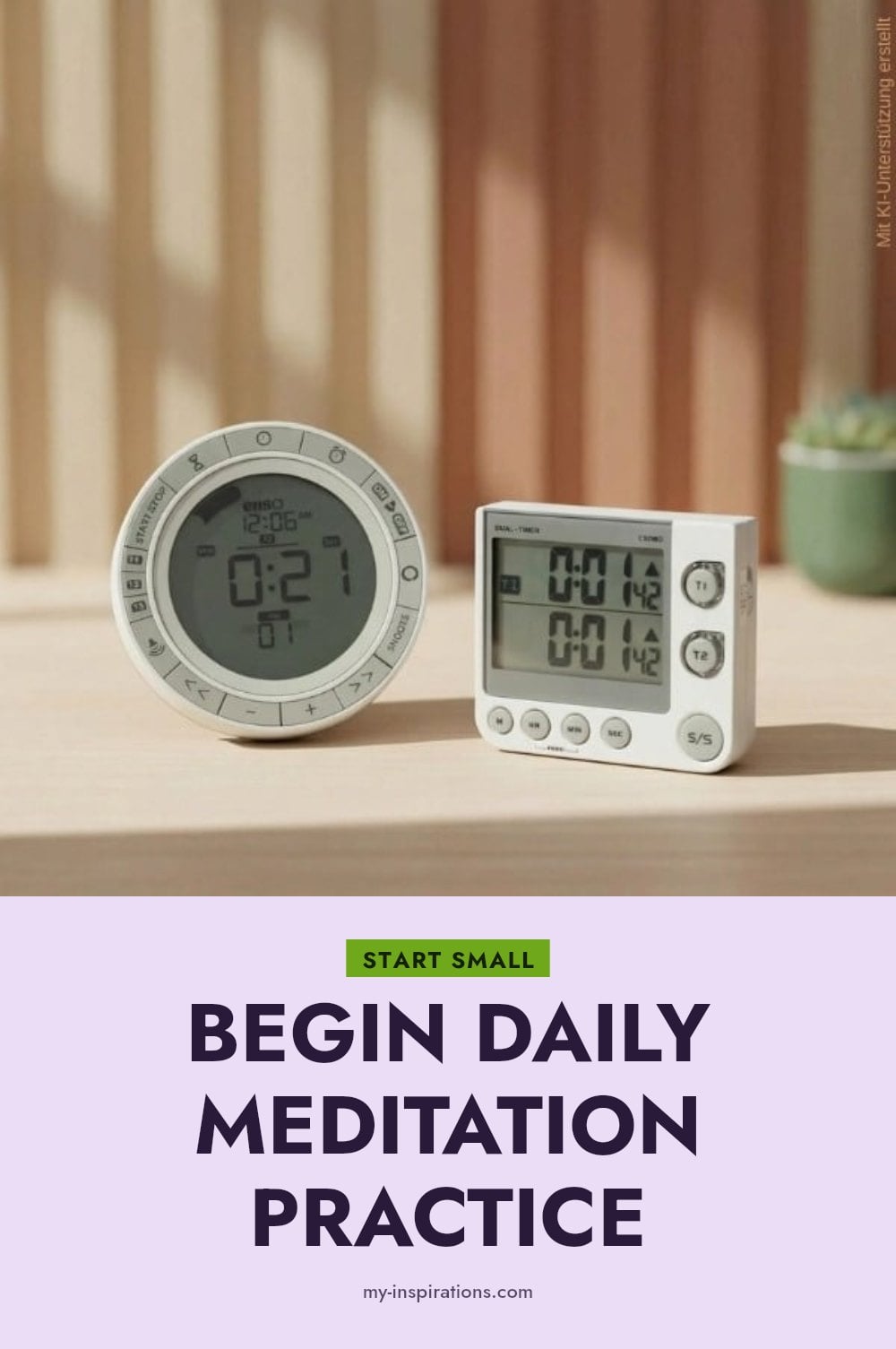
Start with just 5-10 minutes daily. Consistency matters far more than occasional long sessions. My tip: treat it like building any new habit, small, regular efforts add up over time. Set a timer, sit down, and focus on your breath for those few minutes. It’s better to meditate for five minutes every day than for an hour once a week.
2. Find Your Quiet Space
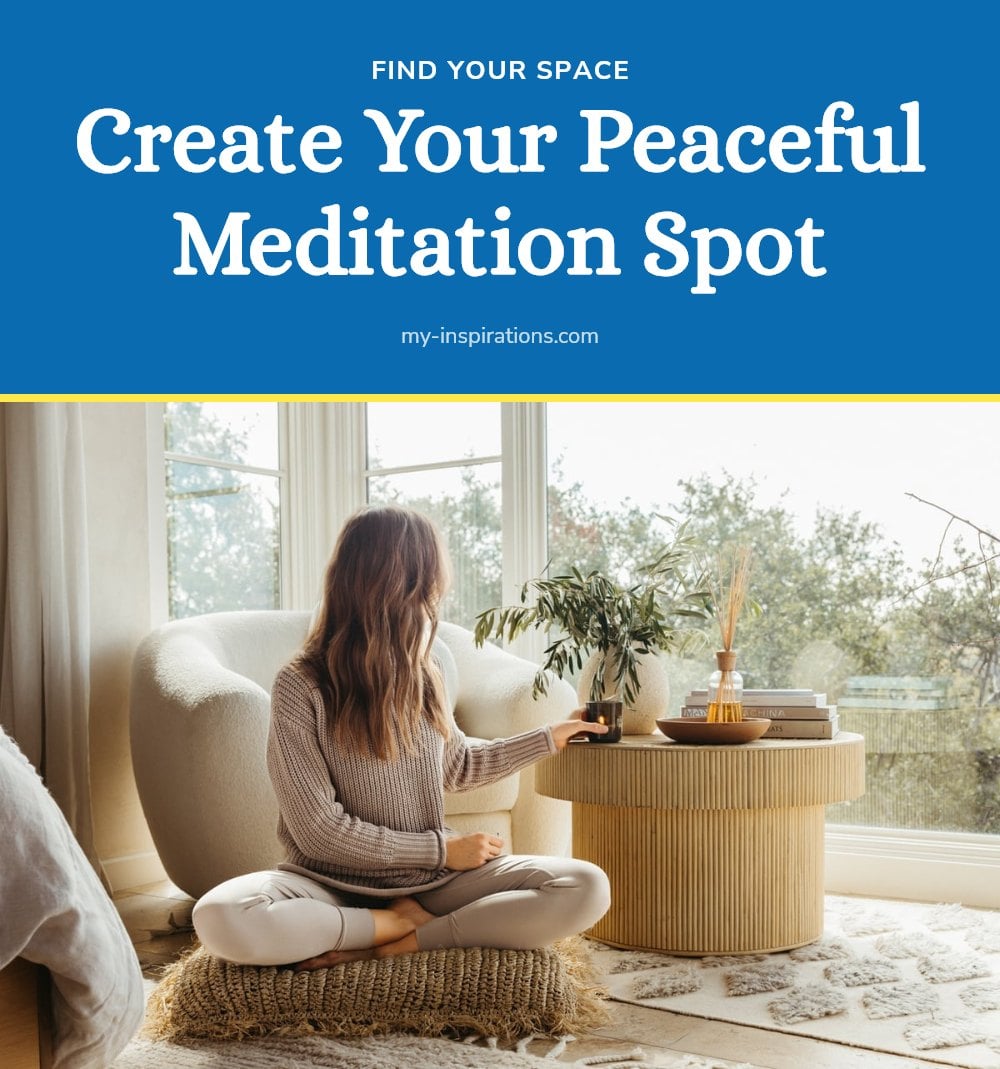
Choose a comfortable, quiet place where you won’t be disturbed, especially when you’re starting out. A dedicated spot, even a corner of a room with a cushion, helps signal to your mind that it’s time to focus. Over time, that space becomes a mental trigger, making it easier to settle into practice.
3. Choose a Comfortable Posture
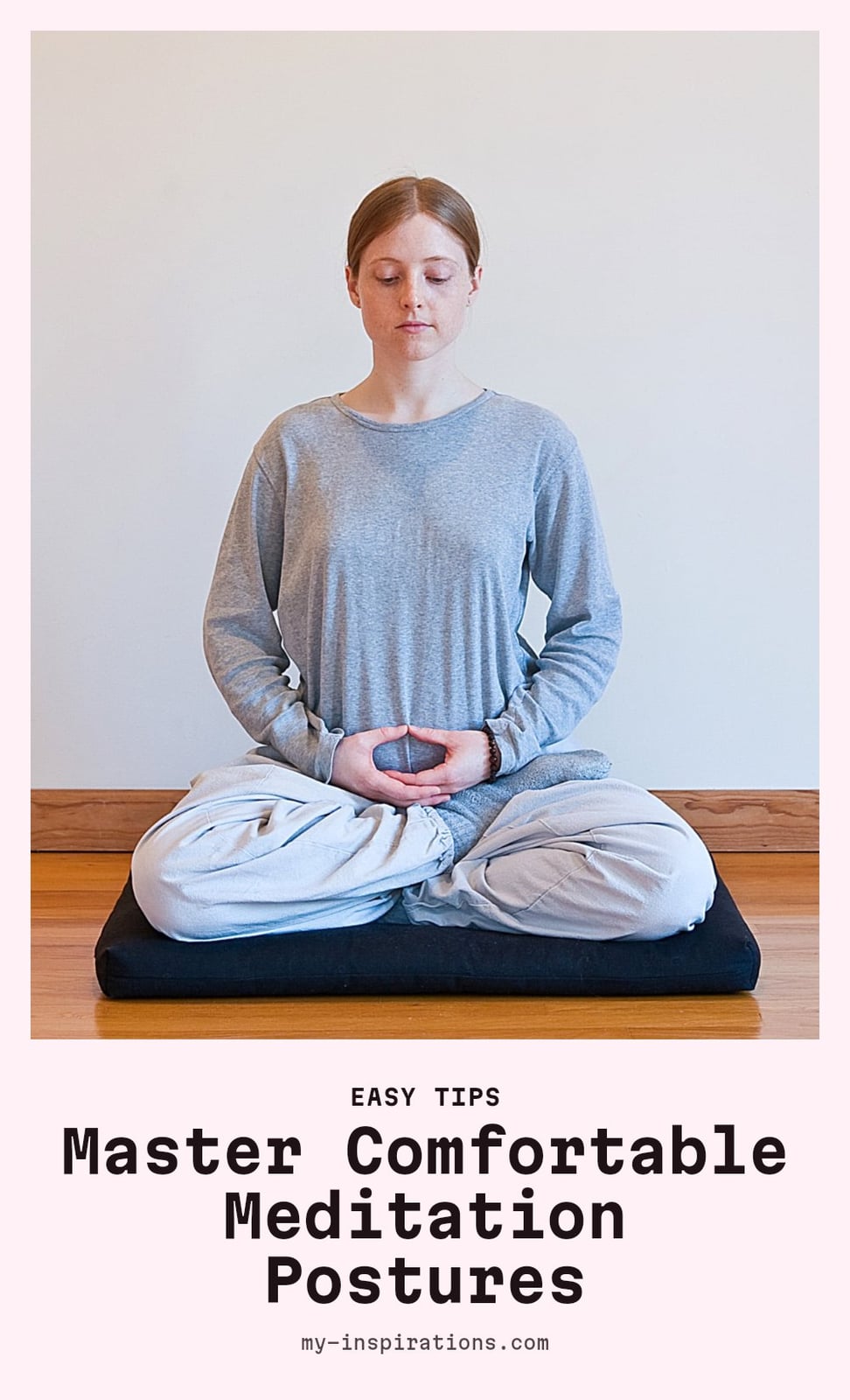
Whether sitting, lying down, or walking, find a posture that keeps you alert yet at ease. The goal is sustained comfort, not a specific yoga pose. I’ve tried them all, and comfort is key. If your back or legs start to ache, adjust. You can meditate in a chair, on the floor, or even standing, just stay still and relaxed.
4. Focus on Your Breath
Focus on your breath: Your breath works as a natural anchor, always available and always in the present moment. Gently bring your attention to the sensation of air moving in and out of your nostrils, or the rise and fall of your chest or belly. This simple focus gives your mind a single point to return to again and again.
- Notice the texture of each inhale and exhale, cool on the way in, warm on the way out.
- If your mind drifts, no problem, just guide it back to the next breath.
- Start with three full, deep breaths to settle in, then let the breath find its natural rhythm.
5. Observe, Don’t Judge Thoughts
Observe, don’t judge thoughts: Your mind will wander, that is what minds do. The practice is not about stopping thoughts, but about noticing them without labeling them as good or bad. My tip: think of your thoughts like clouds passing across a blue sky, you see them, and you let them drift on.
When you realize you have wandered, simply and gently redirect your attention back to your anchor, whether that is your breath, a sound, or a sensation. No criticism, no frustration. Each time you return, you are strengthening your meditation muscle.
6. Explore Different Techniques
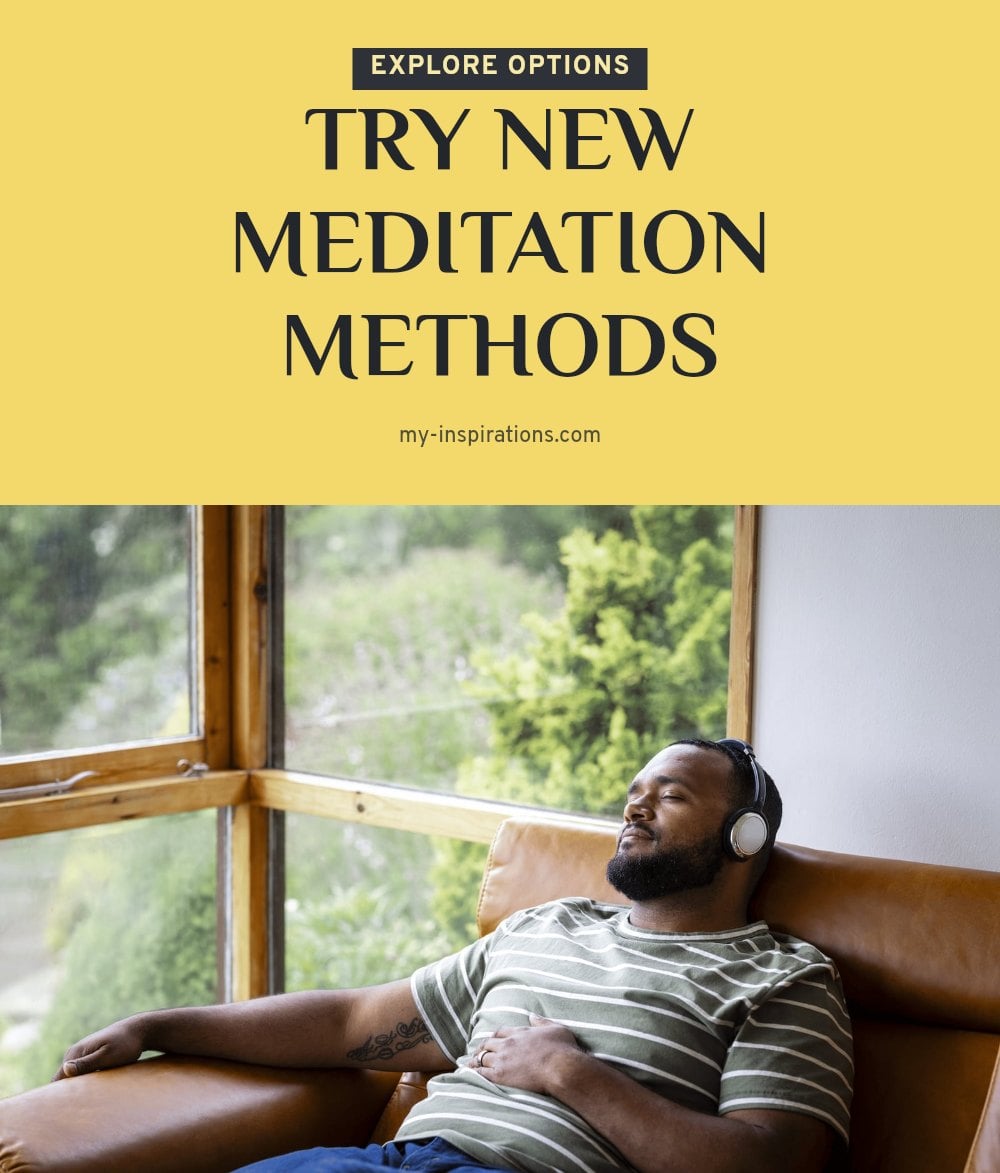
Explore different techniques: Not all meditation looks the same, and finding what clicks for you makes all the difference.
- Mindfulness meditation: You observe whatever arises, thoughts, sounds, bodily sensations, without chasing or pushing anything away. It trains present-moment awareness.
- Concentration meditation: You fix your attention on a single point, such as your breath, a candle flame, or a repeated mantra. This sharpens focus and quiets mental chatter.
- Guided meditation: An instructor leads you step by step, describing what to notice and when. This structure can feel reassuring when you are new to the practice.
Try each style for a few sessions. You may find one resonates more than the others, or you may enjoy rotating them depending on your mood.
7. Try Guided Meditations and Apps
Try guided meditations and apps: Meditation apps remove the guesswork when you are starting out. They offer a library of guided sessions sorted by duration, goal, or style, so you can pick a 5-minute wind-down or a 20-minute body scan without planning anything yourself.
- Many apps include a timer, progress tracking, and reminders to help you build consistency.
- Beginner courses walk you through the basics in short daily lessons, which takes the pressure off figuring it out alone.
- Some apps let you filter by voice or background sounds, so you can customize your experience.
I usually keep one app on my phone for travel and another for home use. Having options keeps the practice fresh.
8. Be Patient and Compassionate
Meditation is a skill that develops over time, not a switch you flip. Don’t expect immediate profound results or a completely ’empty’ mind. That’s not the goal. Be kind to yourself if you miss a session or find your mind particularly busy. Simply return to your practice without self-criticism.
My tip: Treat each session as a fresh start. Yesterday’s wandering mind doesn’t matter. What counts is showing up again today.
9. Experiment with Timing
Some people prefer meditating first thing in the morning to set a calm tone for the day. Others find it helps unwind before bed. Experiment with different times to discover what works best for your schedule and energy levels.
Try a week of morning sessions and a week of evening sessions. Notice which leaves you feeling more consistent and less rushed. Your ideal time might surprise you.
10. Meditation Anywhere, Anytime
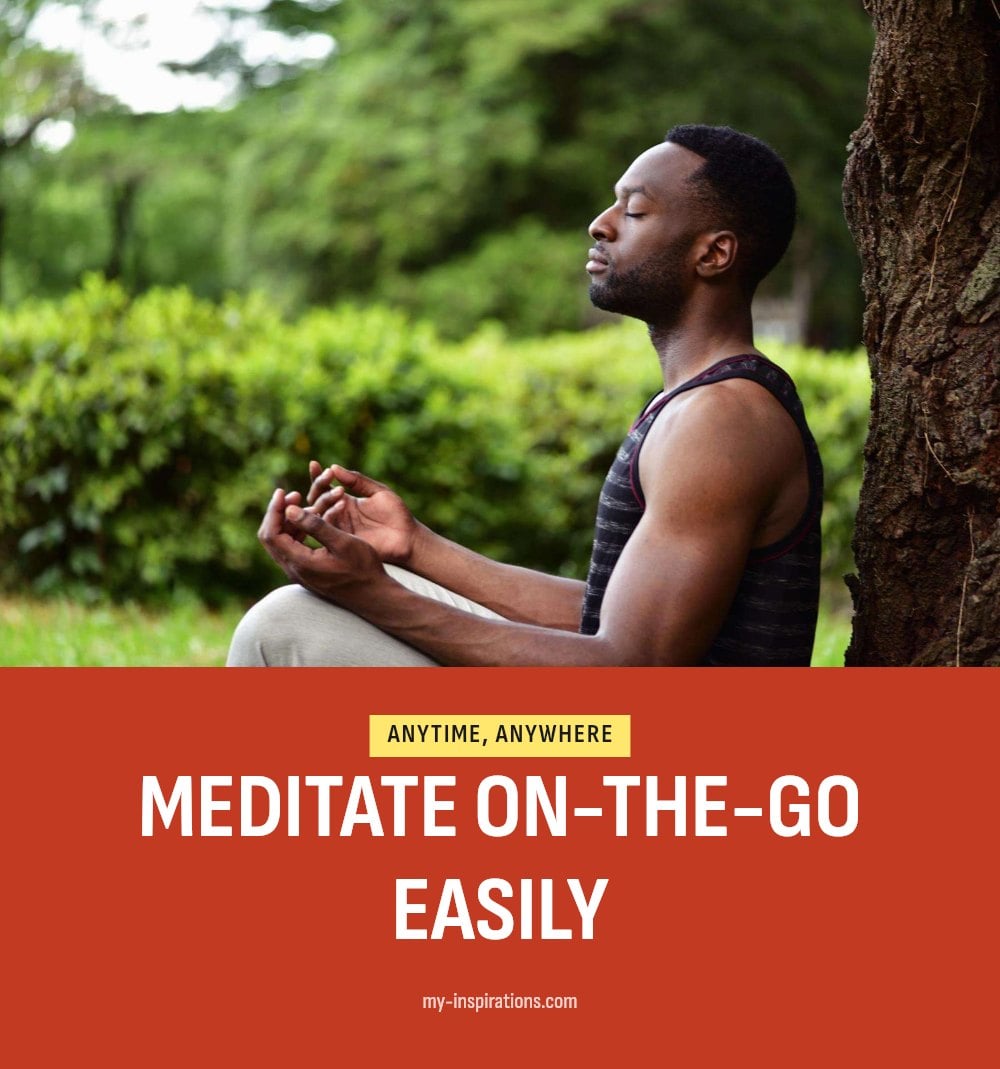
While a quiet space is ideal for beginners, with practice, meditation can be done almost anywhere. I’ve found moments of calm even in busy environments once I got the hang of it. It’s about internal focus, not external silence.
Try a short breath-focused session on your lunch break or while waiting for an appointment. The more you practice, the more portable your meditation becomes.
11. Understand the Benefits Over Time
Consistent daily practice, even for 5-10 minutes, can lead to noticeable benefits in stress reduction and focus within weeks to months. Deeper benefits, like enhanced emotional regulation and self-awareness, accumulate over longer periods.
Don’t measure progress by how ‘peaceful’ a single session feels. Track how you respond to daily stressors over time. That’s where the real change shows up.
When to Consult a Professional
If you have a history of mental health conditions, especially severe anxiety, depression, or trauma, talk to a healthcare professional before starting intense meditation practices. Some deep or prolonged sessions can sometimes bring up difficult emotions or memories, so it’s wise to get personalized guidance first.
During or after meditation, if you experience significant discomfort, distress, or unusual psychological symptoms, stop the practice and seek professional advice. This includes feelings of panic, disorientation, or worsening mood. Trust your instincts, your safety comes first.
Remember, meditation is a complementary practice, not a replacement for professional medical or psychological treatment. Use it as one tool in your wellness toolkit, but keep your doctor or therapist in the loop about any changes in your mental health.
Frequently Asked Questions
How long should I meditate as a beginner?
Start with just 5 to 10 minutes a day. Consistency matters more than duration, so a short daily session is more beneficial than a long one you only do occasionally. As you get comfortable, you can gradually extend the time if you like.
Can I meditate if I have a busy schedule?
Yes, meditation can fit into even the busiest days. Try a short session during a commute, a lunch break, or right before bed. With practice, you can even meditate in a busy public space, focusing on your breath as your anchor.
What if I can’t stop my thoughts during meditation?
That’s completely normal. The goal isn’t to stop thoughts, but to notice them without judgment and gently return your focus to your breath. Think of thoughts as clouds passing by; you observe them, then let them drift away. Over time, this becomes easier.
Are meditation apps effective?
Many people find meditation apps helpful, especially when starting out. They provide guided sessions, timers, and progress tracking, which can reduce guesswork and keep you motivated. The effectiveness depends on your consistency and willingness to engage with the practice.
Is there a ‘best’ time of day to meditate?
There’s no universal best time; it depends on your schedule and energy. Some prefer mornings to set a calm tone, while others use evenings to unwind. Experiment with different times for a week each to see what feels most natural and sustainable for you.
Final Thoughts
My tip: pick one small practice, like a 5-minute breath focus each morning, and stick with it for a week. Expect your mind to wander and your focus to feel shaky at first; that’s normal. With consistent practice, you’ll likely notice a calmer, more centered feeling within a few weeks. Remember, the goal isn’t a blank mind, it’s a kinder relationship with your own thoughts. Start where you are, and let meditation become a gentle anchor in your day.
This article is for general informational purposes only and is not a substitute for professional medical or psychological advice. If you have a history of mental health conditions, or if you experience significant distress during or after meditation, please consult a qualified healthcare provider for personalized guidance.