Rose Water Uses for Glowing Skin: Simple Guide at Home
Learn how to use rose water for healthy skin. Discover easy applications, common mistakes to avoid, and essential tips for a radiant complexion.

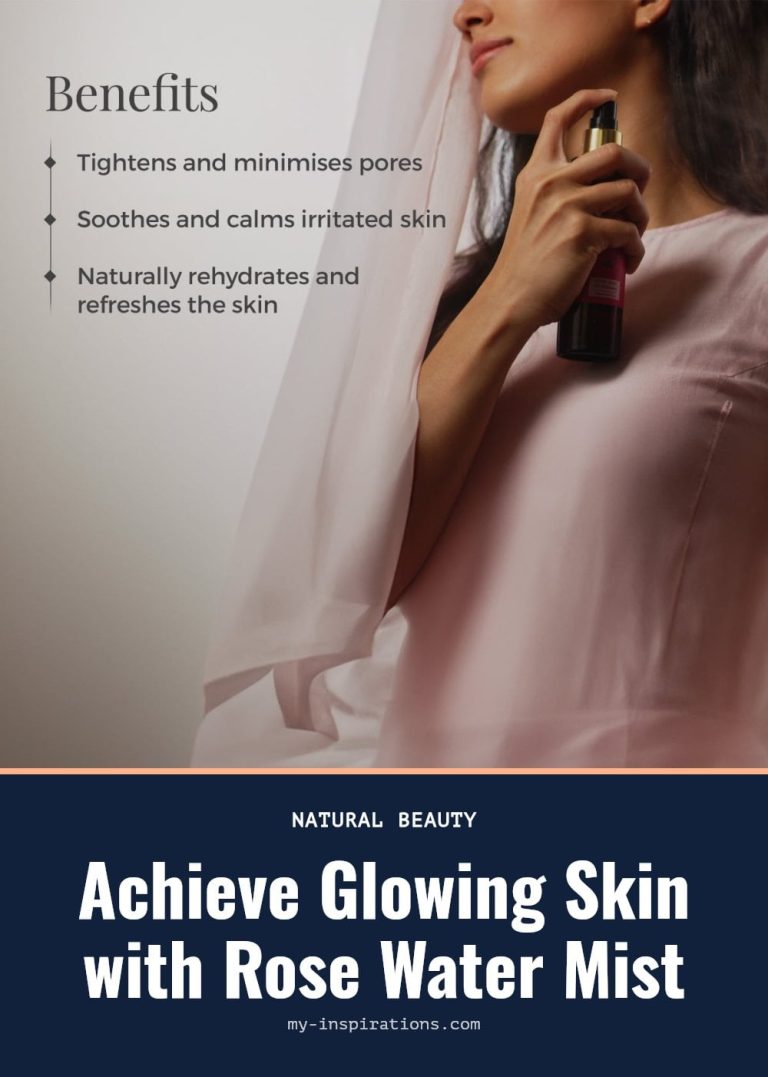
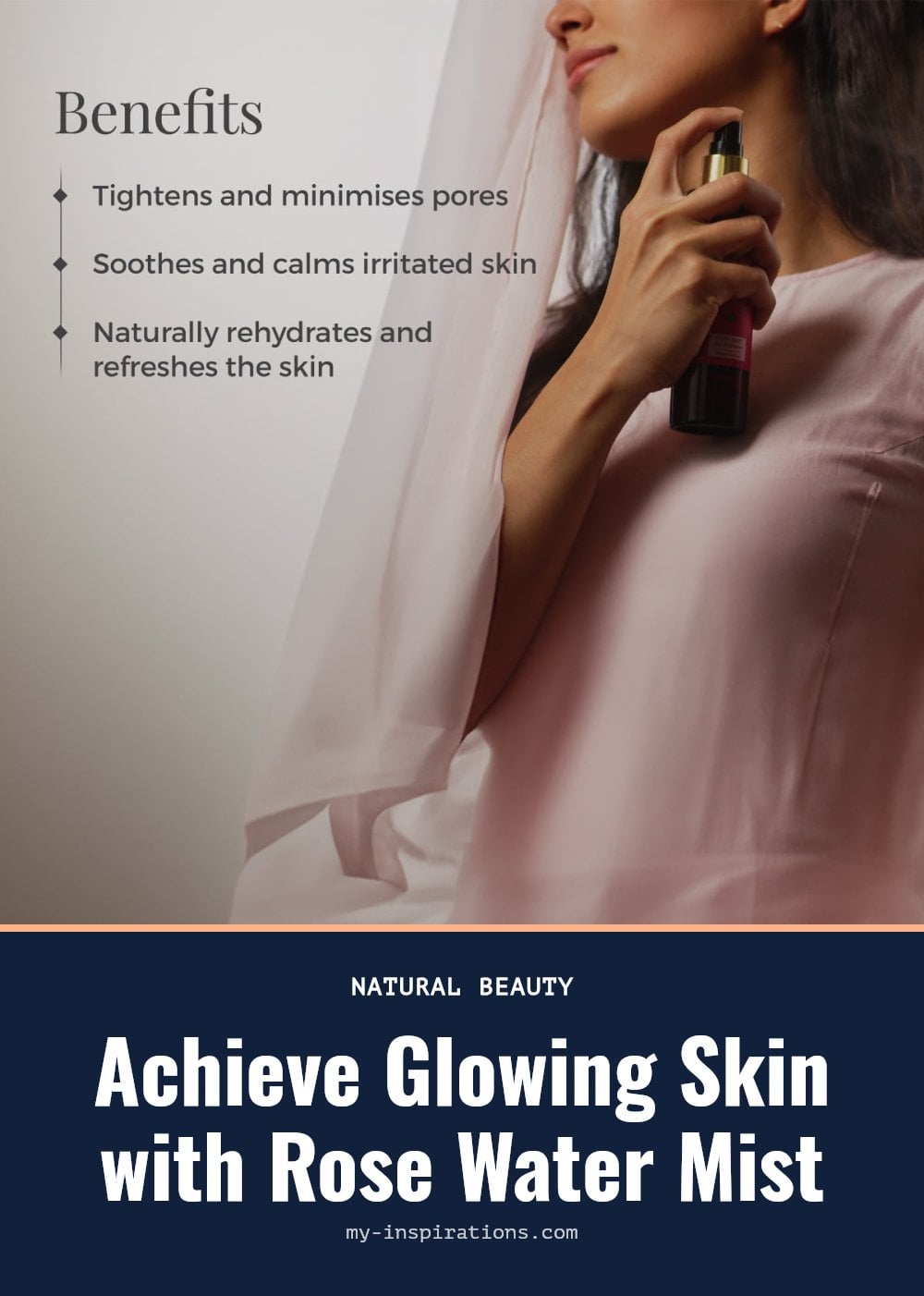
Rose water is one of those gentle, versatile skincare staples that can truly elevate your daily routine. Whether you’re dealing with dryness, redness, or just want a refreshing pick-me-up, this fragrant liquid offers a natural way to hydrate, tone, and soothe your skin. In this article, I’ll walk you through the simple steps to incorporate rose water into your routine, the science behind its benefits, and common mistakes to avoid.
From using it as a toner to misting it throughout the day, you’ll learn how to make the most of this floral powerhouse for a healthier, more radiant complexion.
Key Takeaways
- Use pure rose water with only Rosa damascena flower water as the ingredient.
- Apply rose water as a toner after cleansing for best results.
- Store rose water in the fridge for a refreshing, pore-tightening mist.
- Expect subtle, cumulative improvements with consistent daily use.
- Always patch test before using rose water all over your face.
How Rose Water Transforms Your Skin
Rose water is a gentle, natural ingredient that hydrates, tones, and soothes the skin. It’s made by steam-distilling rose petals, which preserves beneficial antioxidants and anti-inflammatory compounds. With regular use, your complexion becomes more balanced, refreshed, and radiant. This mild liquid works for most skin types, including sensitive and acne-prone skin.
Your Essential Tools for Rose Water Skincare

To get the most out of rose water, you need the right tools and ingredients. Here’s what I keep on hand:
- Pure rose water: Look for ‘Rosa damascena flower water’ as the only ingredient. Avoid any with added fragrances or alcohol.
- Cotton pads: These are perfect for applying rose water as a toner after cleansing.
- Spray bottle: A clean, small mister makes it easy to refresh your face throughout the day.
- Small mixing bowl: Useful for blending rose water into DIY face masks or compresses.
Simple Steps to Incorporate Rose Water into Your Routine
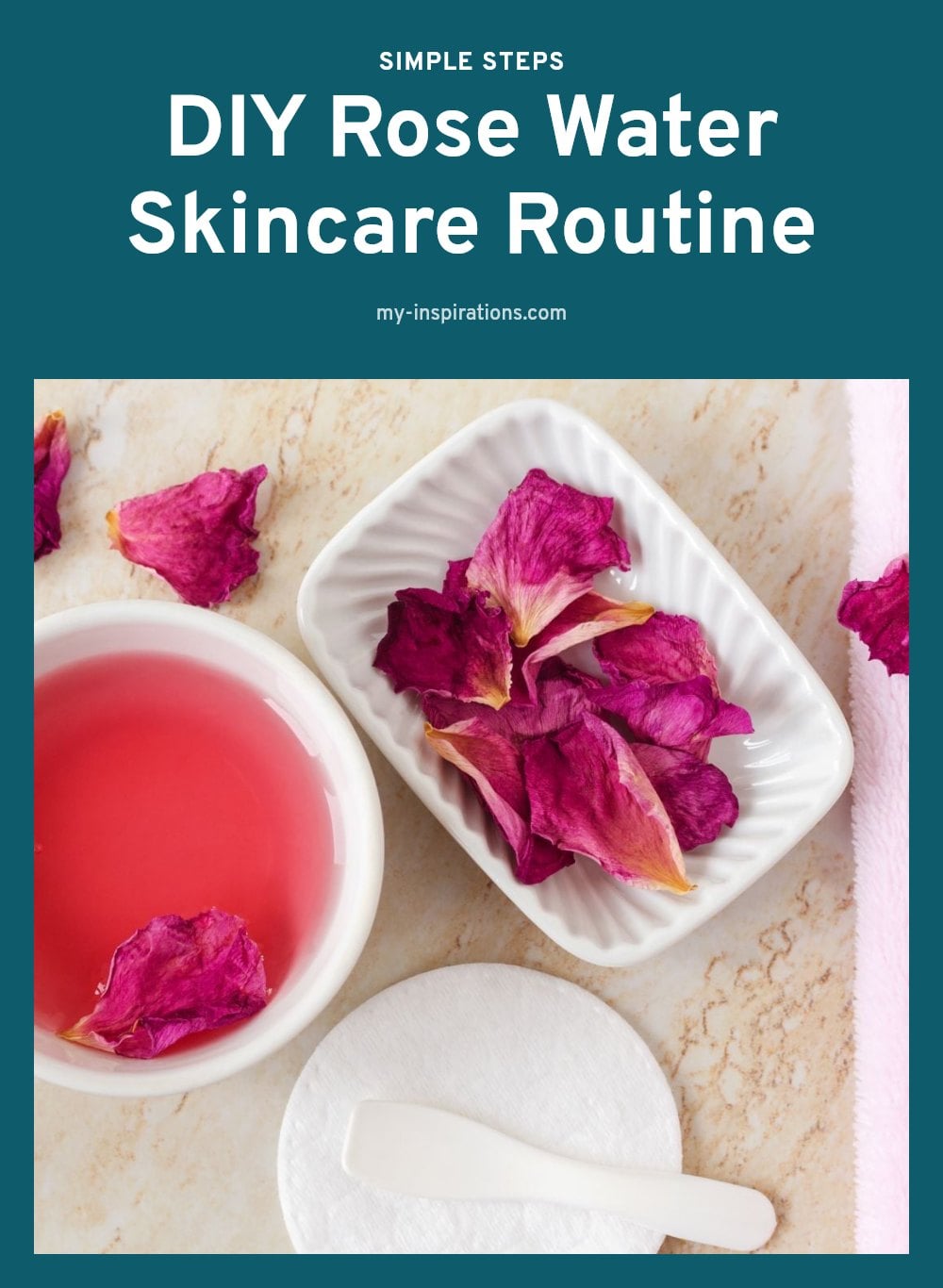
Adding rose water to your skincare routine takes just a few minutes. Follow these steps for best results:
- Cleanse your face: Always start with a clean face so the rose water can absorb properly.
- Apply as a toner: Soak a cotton pad with pure rose water and gently sweep it over your face and neck after cleansing.
- Mist throughout the day: Pour rose water into a spray bottle and mist your face whenever you need a hydration boost or a pick-me-up.
- Use in DIY masks: Mix rose water with ingredients like clay, honey, or oatmeal for a soothing face mask.
The Science Behind Rose Water’s Skin Benefits
How Rose Water Works on Your Skin
The process starts with steam distillation of fresh rose petals, which concentrates the plant’s active compounds without harsh chemicals. These compounds include antioxidants that shield skin cells from environmental damage like pollution and UV stress. The anti-inflammatory properties help calm irritated skin and reduce temporary redness. Rose water also acts as a natural astringent, tightening pores and toning the skin while helping to maintain its pH balance. This combination makes it effective for soothing, protecting, and refining your complexion.
Common Rose Water Mistakes to Avoid
Using the wrong type: Many rose waters sold for cooking contain sugars or artificial flavors. For skincare, choose pure, unsweetened rose water with no added fragrances or alcohol. The label should list only one ingredient: Rosa damascena flower water.
Expecting instant miracles: Rose water works subtly over time. Consistent daily use over several weeks improves hydration and skin tone. It is a complementary treatment, not a cure for severe conditions.
Improper storage: Heat and light degrade rose water quickly. Store your bottle in a cool, dark place, or refrigerate it for a refreshing, pore-tightening mist. Discard it if the scent changes or you see cloudiness.
Skipping the ingredient list: Always read the label before buying. If Rosa damascena flower water is not the primary or sole ingredient, put it back. Impure products can irritate your skin.
Expert Tips for Maximizing Your Rose Water Results
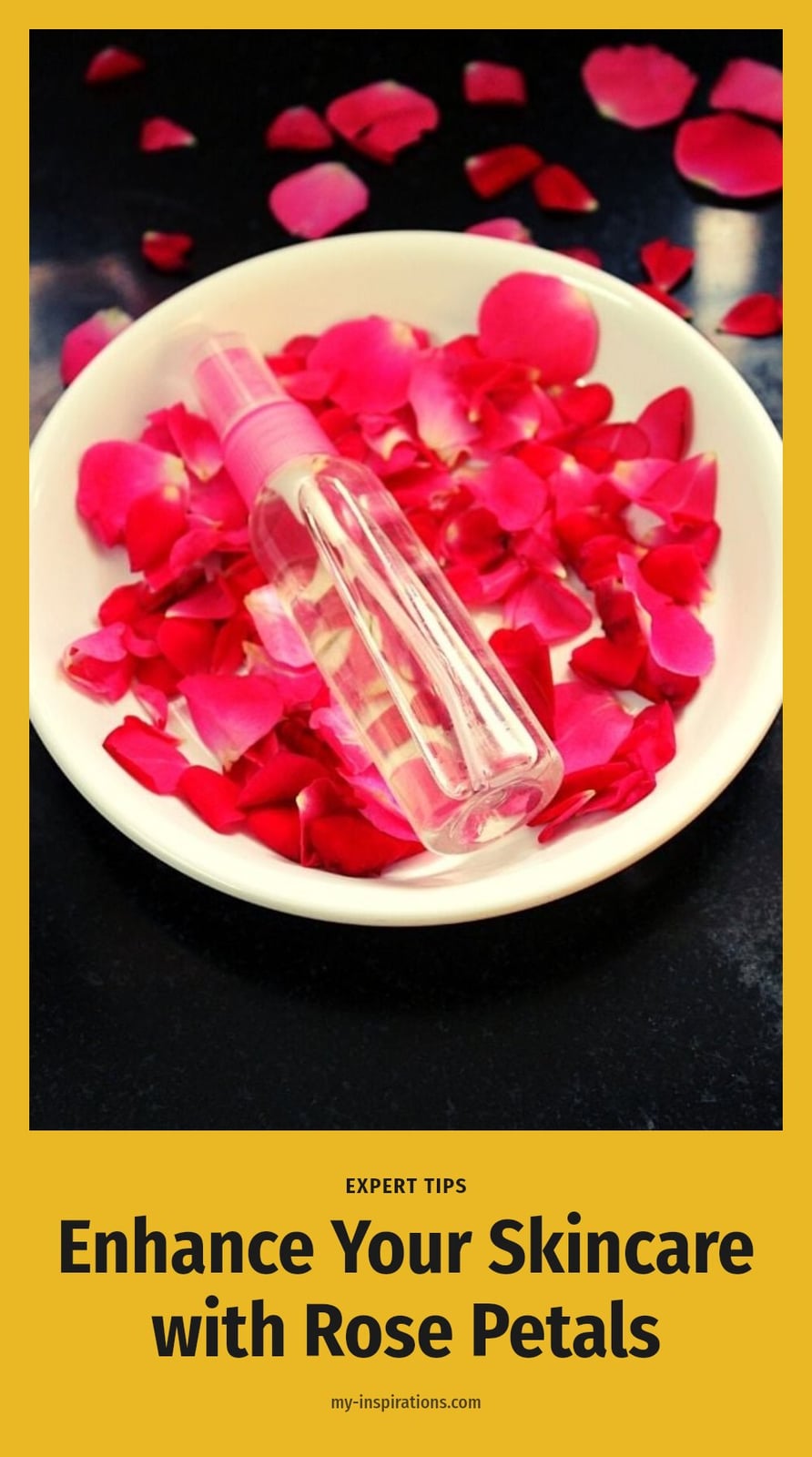
Chill it for extra refreshment: Keep your spray bottle of rose water in the fridge. The cold mist feels amazing on warm days and helps tighten pores on contact.
DIY setting spray: After you finish your makeup, lightly mist your face with rose water. It gives a natural dewy finish and helps your makeup last longer.
Soothing compress: Soak two cotton pads in chilled rose water and place them over your closed eyes for 5-10 minutes. This calms tired eyes and reduces puffiness.
Check for purity: Before you buy, confirm the label says 100% pure rose water with no additives. Pure product gives you the full antioxidant and anti-inflammatory benefits.
Frequently Asked Questions
Can I use rose water every day?
Yes, rose water is gentle enough for daily use. In fact, consistent daily application is key to seeing its subtle benefits, such as improved hydration and a more balanced skin tone. You can use it as a toner after cleansing and mist throughout the day as needed.
Does rose water expire?
Yes, rose water can spoil over time, especially if not stored properly. To extend its shelf life, keep it in a cool, dark place or refrigerate it. If you notice a change in smell or appearance, it’s best to replace it.
Can rose water help with acne?
Rose water may help with acne due to its anti-inflammatory and astringent properties, which can soothe irritated skin and help tighten pores. However, it is not a cure for severe acne. For persistent acne, consult a dermatologist for appropriate treatment.
What’s the best way to store rose water?
Store rose water in a cool, dark place, such as a cupboard or refrigerator. Keeping it chilled not only preserves its freshness but also adds a refreshing sensation when you mist it on your face. Always keep the bottle tightly closed when not in use.
Is rose water good for sensitive skin?
Yes, rose water is generally suitable for sensitive skin due to its gentle, soothing properties. However, it’s important to do a patch test first to ensure you don’t have an allergic reaction. If you have a known allergy to roses or floral products, avoid using rose water.
Final Thoughts
To get the most out of rose water, make it a daily habit: use it as a toner in the morning and evening, and keep a chilled spray bottle handy for midday refreshment. Remember, results are subtle and build over time, so give it at least a few weeks of consistent use to notice improved hydration and a calmer, more balanced complexion. With pure rose water and a simple routine, you’ll soon see why this floral essence has been a beauty favorite for centuries.