Upper Body Workout for Beginners: 8 Moves to Build Strength
Start your upper body workout journey with 8 effective moves designed for beginners. Learn proper form, build strength, and avoid common mistakes.

Starting an upper body workout can feel like the hardest part, but it doesn’t have to be complicated. This article covers eight beginner-friendly moves that target your chest, back, shoulders, biceps, and triceps, all designed to build strength safely at home. I’ll walk you through each exercise, warm-up, and cool-down so you can start with confidence.
My tip: focus on form first, not weight. The goal is to feel the muscles working, not to struggle through reps. With a few basic tools and a consistent schedule, you’ll be on your way to stronger arms, shoulders, and core in no time.
Key Takeaways
- Start each session with a 5-10 minute warm-up of light cardio and dynamic stretches to prepare your muscles.
- Perform 3 sets of 8-12 repetitions per exercise, choosing a weight that challenges you by the last few reps.
- Allow at least 24-48 hours of rest between upper body workouts for muscle repair and growth.
- Include both pushing (chest, shoulders, triceps) and pulling (back, biceps) movements for balanced strength.
- Expect noticeable strength improvements within 4-6 weeks with 2-3 consistent workouts per week.
Why an Upper Body Workout Matters
An upper body workout targets the muscles in your chest, back, shoulders, biceps, and triceps. Building strength here improves functional movements like pushing, pulling, and lifting, which makes everyday tasks easier and supports better posture. Strong upper body muscles also help stabilize your joints, which can reduce your risk of injuries during other activities. Proper form matters more than how much weight you use, especially when you start. Focus on controlled movements and gradually increase the weight or reps over time. That’s progressive overload, and it’s what drives muscle growth and strength gains.
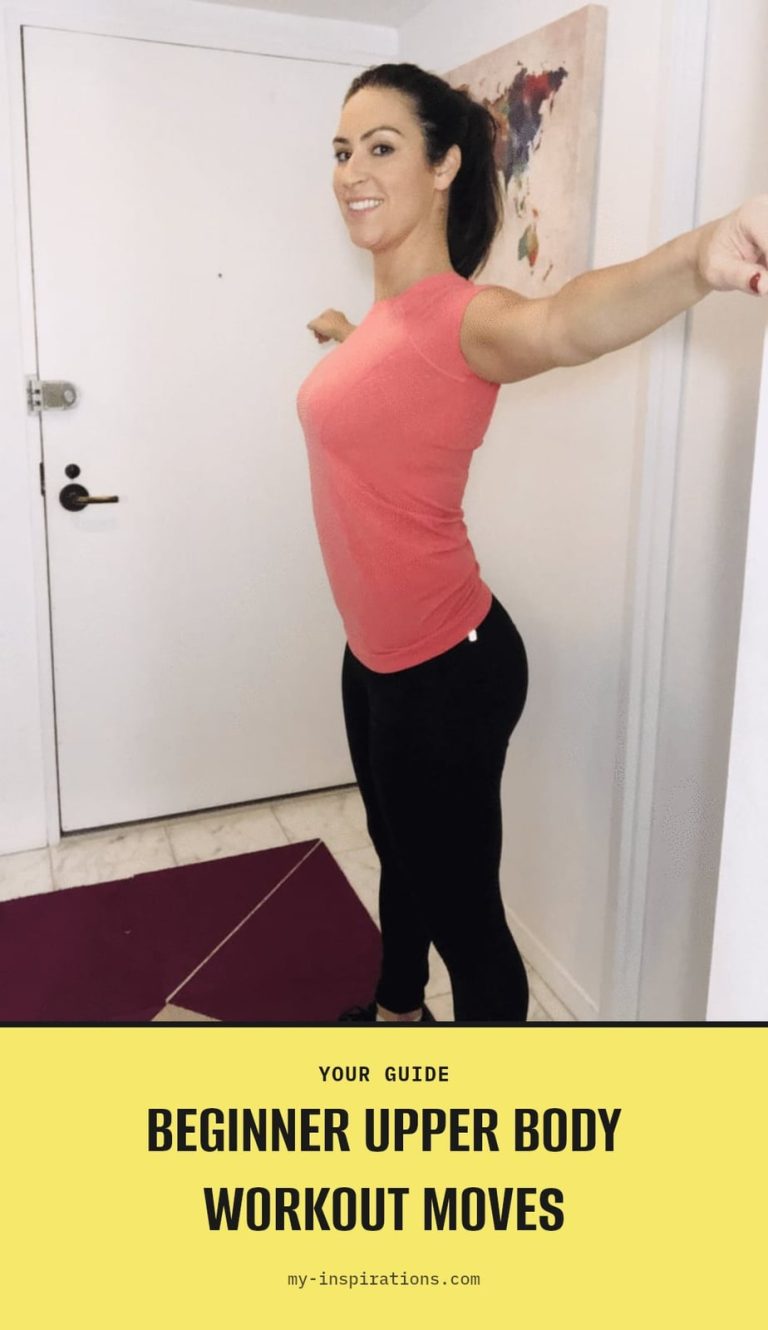
1. Warm-Up: Arm Circles
Stand tall with your arms extended straight out to your sides at shoulder height. Make small forward circles, gradually increasing their size, then reverse direction and do backward circles.
- Time: 30-60 seconds in each direction.
- Form cue: Keep your core engaged and your shoulders relaxed, not hunched up.
- Make it easier or harder: Use smaller circles for less range of motion, or larger circles to increase the stretch.
2. Push-Ups (Knee or Incline)
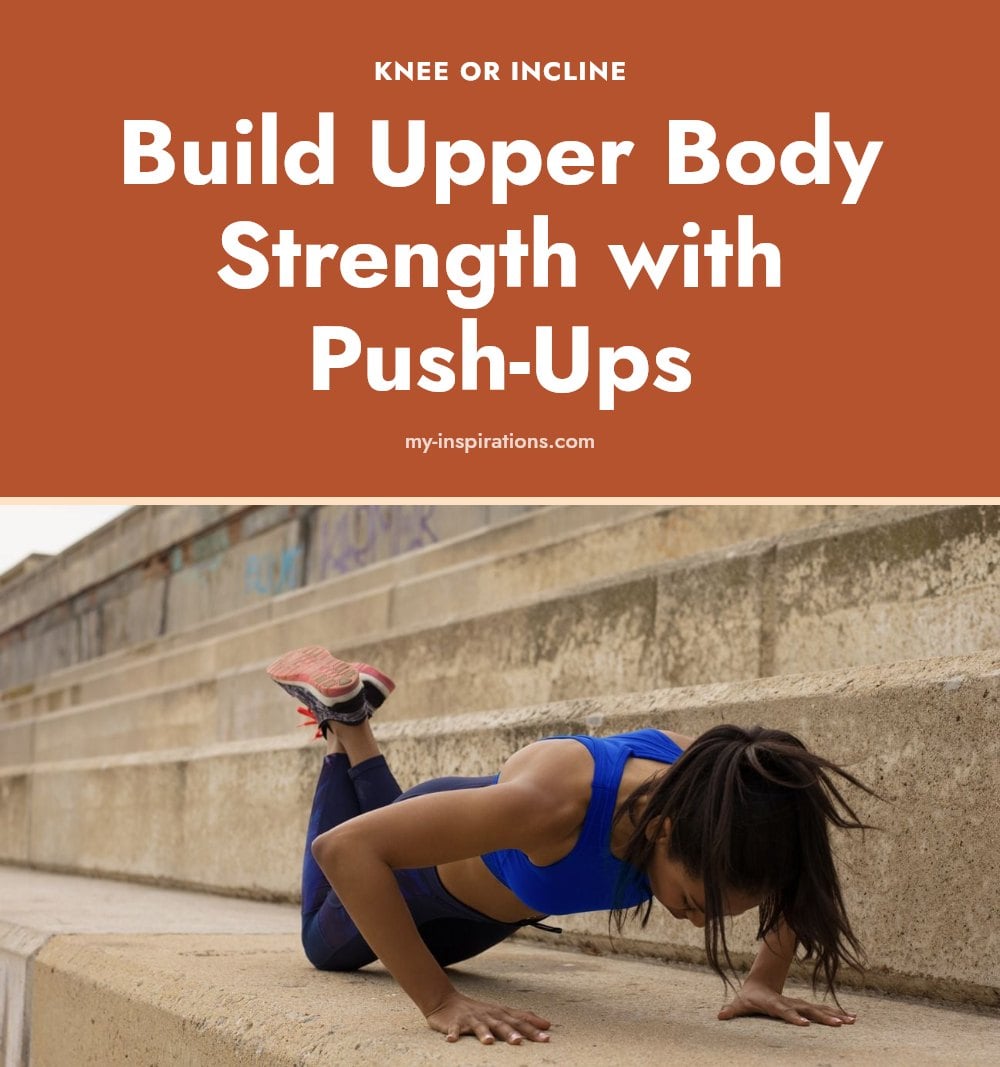
Start in a plank position with your hands slightly wider than shoulder-width apart. Lower your chest toward the floor, keeping your elbows close to your body, then push back up to the starting position.
- Sets and reps: 3 sets of 8-12 repetitions.
- Form cue: Keep your body in a straight line from head to heels, and don’t let your hips sag or pike up.
- Make it easier or harder: My tip: If full push-ups are too hard, try them on your knees or with your hands on an elevated surface like a bench. To make them harder, try decline push-ups with your feet on a raised surface.
3. Dumbbell Rows
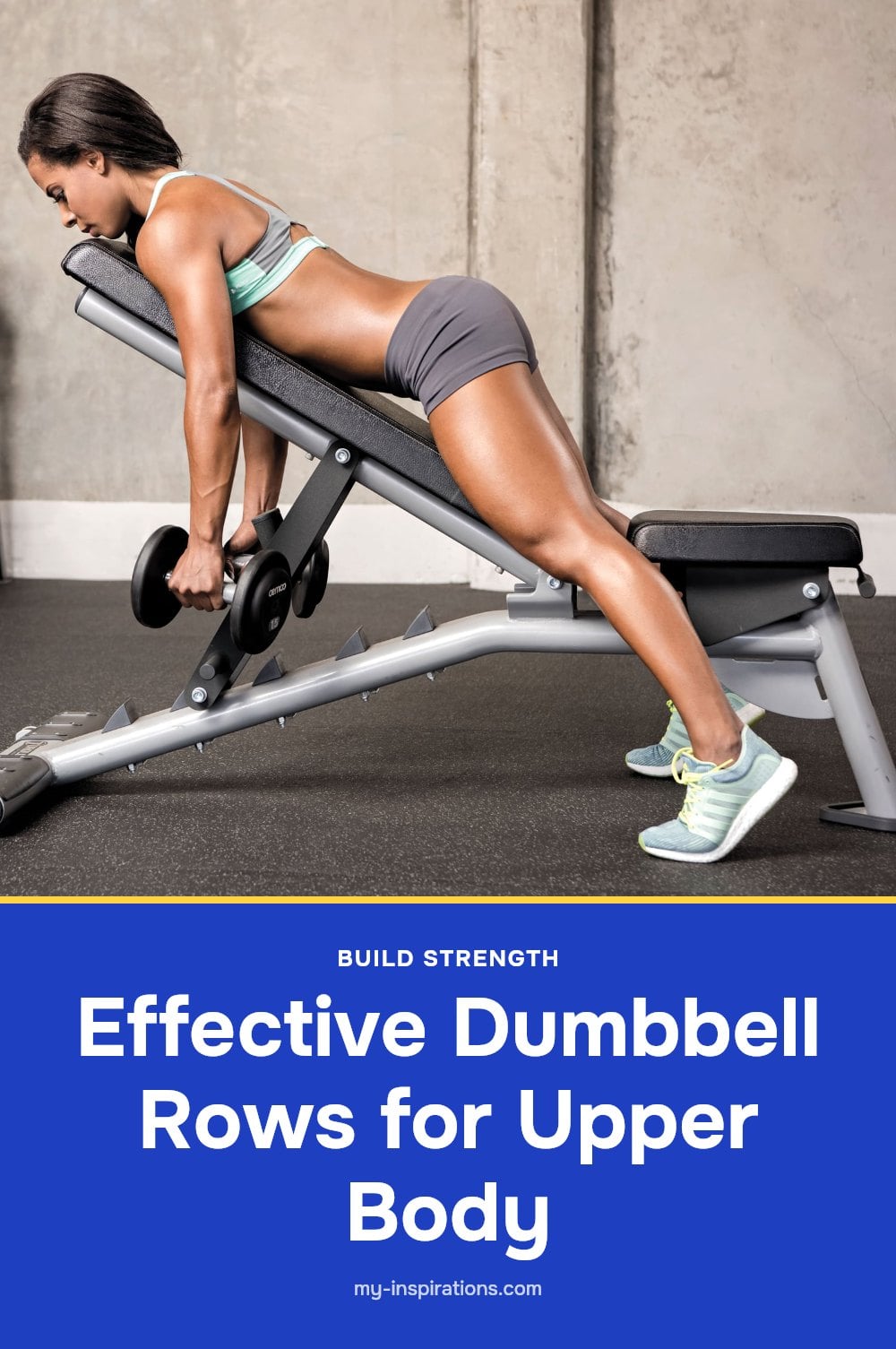
Place one knee and the same-side hand on a bench, keeping your back flat. Hold a dumbbell in your other hand with your arm extended toward the floor. Pull the dumbbell toward your hip, squeezing your shoulder blade, then lower it with control.
- Sets and reps: 3 sets of 8-12 repetitions per side.
- Form cue: Think about pulling with your back muscles, not just your arm, and keep your torso still throughout the movement.
- Make it easier or harder: Use a lighter dumbbell to focus on form, or a heavier one once you can complete 12 reps with good control.
4. Overhead Press (Dumbbells)
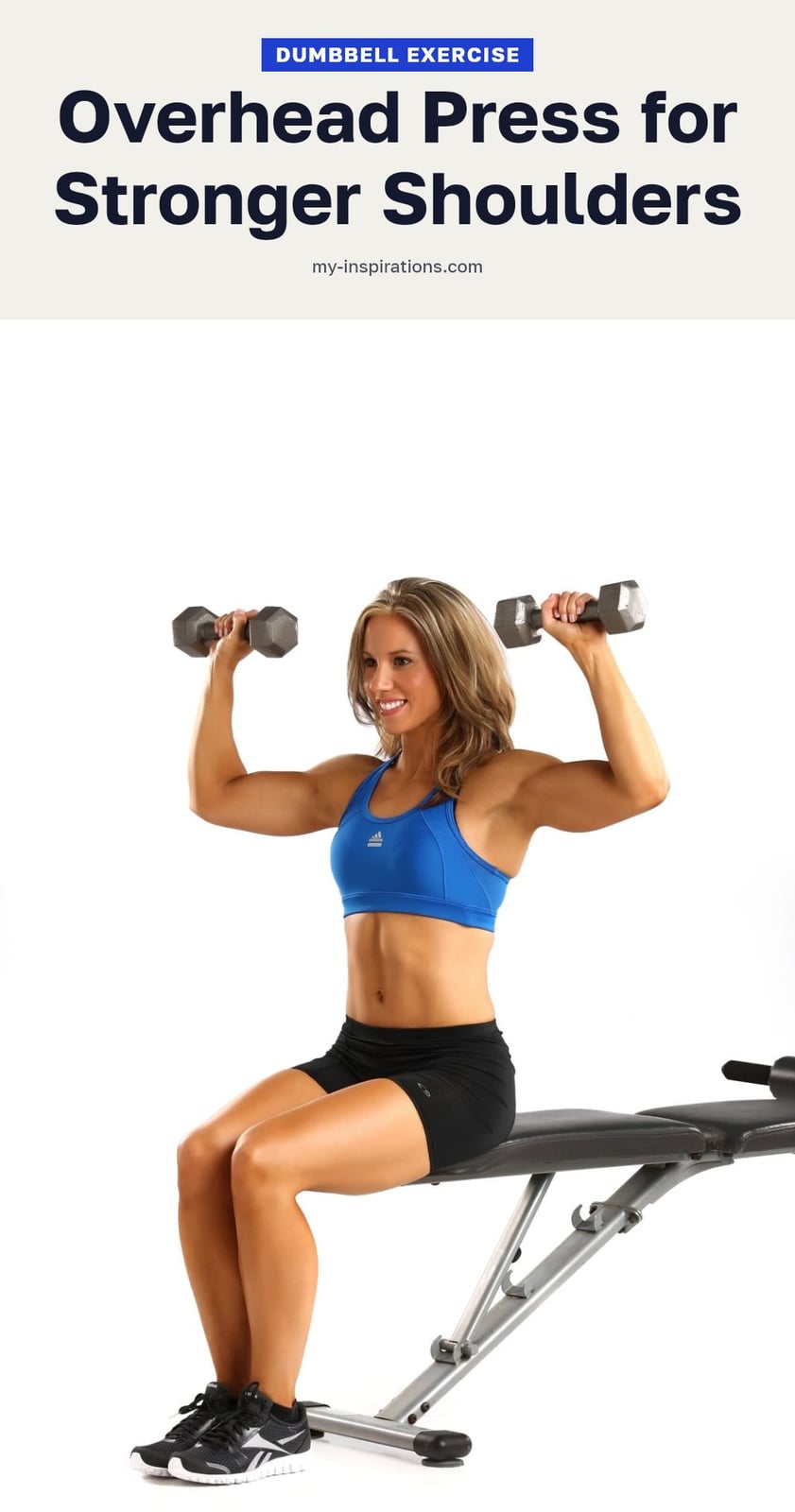
Stand or sit with a dumbbell in each hand at shoulder height, palms facing forward. Press the dumbbells straight overhead until your arms are fully extended, keeping your core tight. Lower them slowly back to shoulder height with control.
- Sets and reps: 3 sets of 8-12 repetitions
- Form cue: Keep your wrists straight and avoid arching your lower back
- Make it easier or harder: Sit on a bench for more stability or stand to engage your core more
5. Bicep Curls (Dumbbells)
Stand tall with a dumbbell in each hand, palms facing forward and elbows tucked close to your sides. Curl the dumbbells up toward your shoulders without swinging your body, then slowly lower them back down.
- Sets and reps: 3 sets of 8-12 repetitions
- Form cue: Keep your elbows pinned to your ribs throughout the movement
- Make it easier or harder: Use lighter weights to perfect form or increase weight for more challenge
6. Overhead Triceps Extension (Dumbbell)
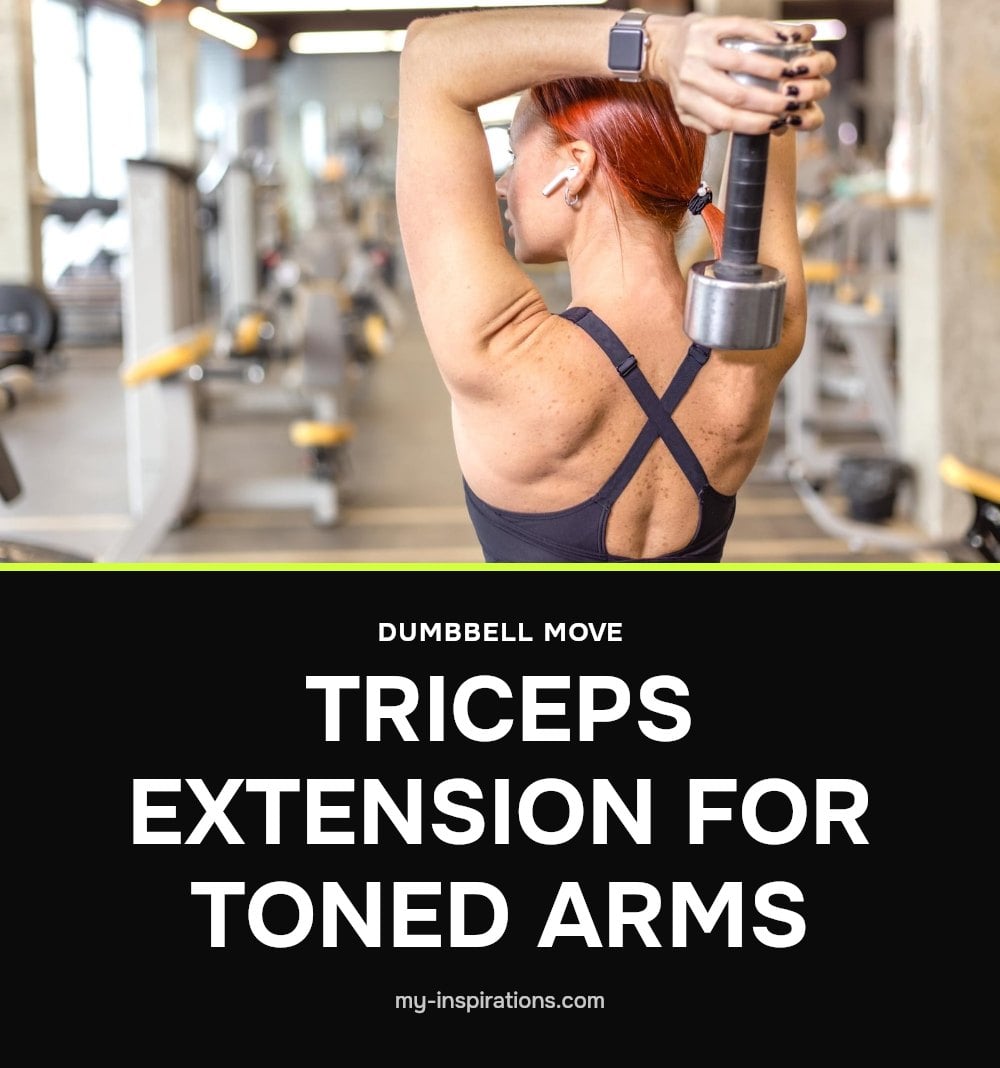
Hold one dumbbell vertically with both hands and extend it straight overhead. Keeping your elbows close to your head, lower the dumbbell behind you by bending your elbows, then extend your arms to push it back up.
- Sets and reps: 3 sets of 8-12 repetitions
- Form cue: Keep your upper arms still and only move your forearms
- Make it easier or harder: Use a lighter dumbbell or perform seated for extra back support
7. Plank
Start in a push-up position, then lower onto your forearms with your elbows directly under your shoulders. Keep your body in a straight line from head to heels, engaging your core and glutes. Hold this position without letting your hips sag or pike up.
- Time: 30-60 seconds, or as long as you can maintain good form
- Form cue: Squeeze your glutes and draw your belly button toward your spine
- Make it easier or harder: Drop to your knees or extend the hold time
8. Cool-Down: Cross-Body Arm Stretch
Bring one arm straight across your chest at shoulder height. Use your opposite hand to gently pull that arm closer to your body until you feel a stretch in your shoulder and the back of your arm. Hold for 20-30 seconds, then switch sides. My tip: This is a great way to gently stretch your shoulders and triceps.
- Time: Hold each side for 20-30 seconds, repeat once per side if desired.
- Form cue: Keep your shoulders relaxed and down, not hunched up toward your ears.
- Make it easier or harder: For a deeper stretch, pull the arm slightly farther across your chest. For less intensity, keep the arm closer to your body.
Essential Equipment for Your Workout
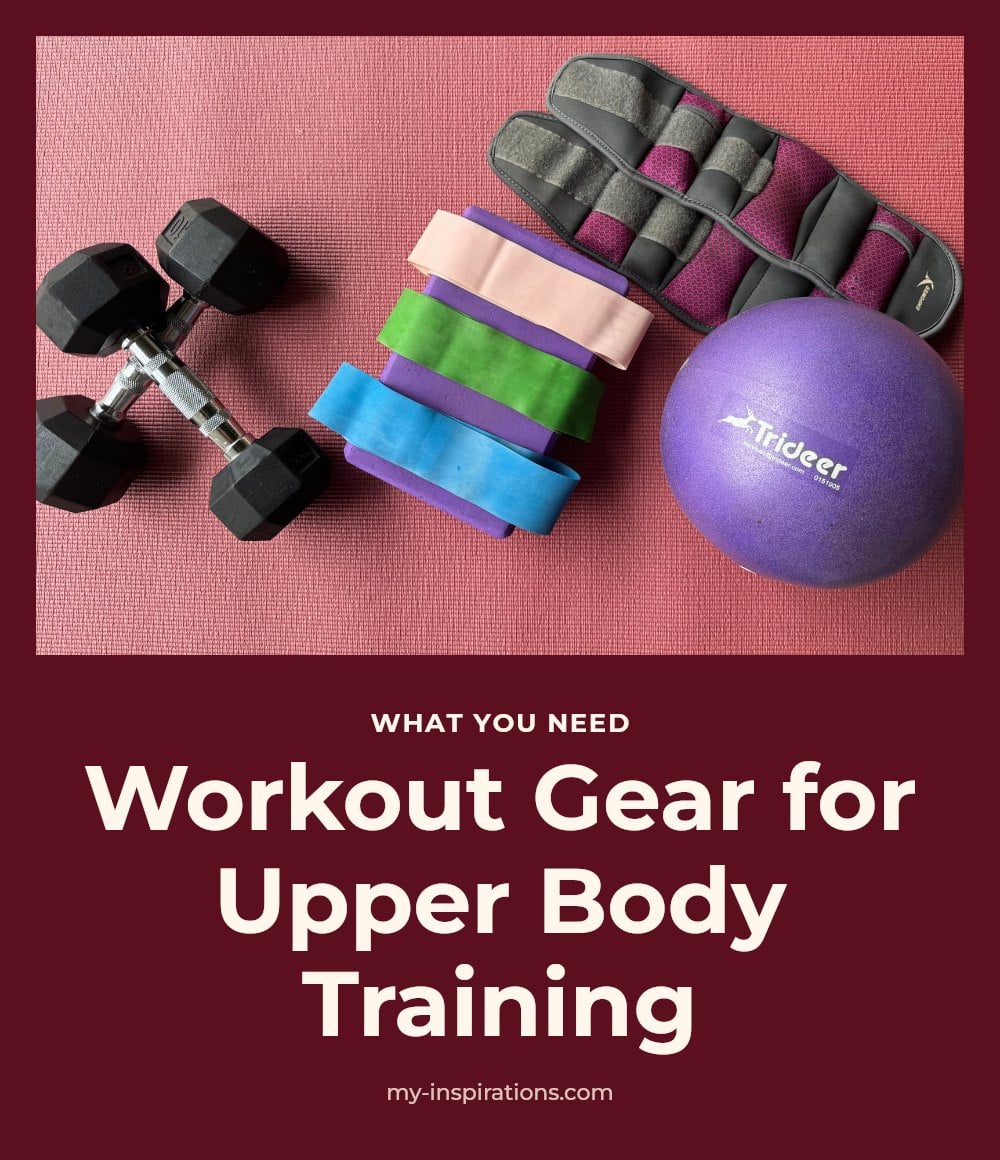
You don’t need a gym full of machines to build upper body strength. A few basic items let you do every exercise in this workout at home.
- Dumbbells: Get a pair in a weight that lets you complete 8-12 reps with good form. Start light and go heavier as you get stronger.
- Resistance bands: These add variable resistance to bodyweight moves or assist with pulling exercises. They’re also easy to pack for travel.
- Exercise mat: Provides cushioning for floor exercises like push-ups and planks, and keeps you from slipping.
- Bench or sturdy chair: Use it for incline push-ups, dumbbell rows, or seated overhead presses. Make sure it’s stable and won’t slide.
Your Weekly Upper Body Workout Schedule
Aim for 2-3 upper body workouts per week, with at least one rest day between sessions. Rest days let your muscles repair and grow. Consistency matters more than intensity, especially at first. With regular effort, you may notice strength improvements within 4-6 weeks.
| Day | Workout focus | Rest |
|---|---|---|
| Monday | Full upper body (all 6 exercises) | Rest Tuesday |
| Wednesday | Full upper body (all 6 exercises) | Rest Thursday |
| Friday | Full upper body (all 6 exercises) | Rest weekend |
Each workout includes the warm-up, all six exercises (3 sets of 8-12 reps each), and the cool-down stretch. If you feel sore or overly tired on workout day, take an extra rest day. Listen to your body and progress at your own pace.
Frequently Asked Questions
How often should a beginner do upper body workouts?
Aim for 2-3 upper body workouts per week, with at least one rest day between sessions. Rest days are essential because your muscles repair and grow during recovery, not during the workout itself. Consistency is more important than frequency, especially when you’re just starting out.
Can I build muscle with just bodyweight exercises?
Yes, bodyweight exercises like push-ups, planks, and rows (using a table or low bar) can build strength, especially for beginners. The key is to gradually increase the challenge by adding more repetitions, slowing down the movement, or trying harder variations. Resistance bands can also add extra load without needing weights.
What should I eat after an upper body workout?
Focus on a meal or snack that combines protein and carbohydrates within a couple of hours after your workout. Protein helps repair muscle tissue, while carbs replenish energy stores. Good options include a protein shake with fruit, Greek yogurt with berries, or a turkey sandwich on whole-grain bread.
How long does it take to see results from upper body workouts?
With consistent effort, 2-3 workouts per week, you may notice strength improvements within 4-6 weeks. Visible changes in muscle tone can take longer, often 8-12 weeks, depending on your starting point, diet, and recovery. Patience and progressive overload are your best tools for lasting results.
Final Thoughts
Pick two or three of these exercises to start, and add the rest as you build confidence. Aim for 2-3 sessions per week, with a rest day in between, and don’t rush the process. Realistic expectation: you may see strength gains within 4-6 weeks if you stay consistent. Remember, every rep with good form counts more than lifting heavy too soon.
This article is for general informational purposes only and does not constitute medical or professional advice. Before starting any new exercise program, consult a healthcare professional, especially if you have pre-existing health conditions or injuries. Stop immediately if you experience sharp pain, dizziness, or discomfort.