How to Start a Self Care Lifestyle: Simple Ideas for Women
Learn how to build a sustainable self-care lifestyle with practical, simple ideas. Prioritize your well-being and prevent burnout.

Feeling stretched thin between work, family, and everything else? You’re not alone. A self-care lifestyle isn’t about spa days or grand gestures; it’s about small, intentional actions that protect your energy and well-being every day. This article walks you through what self-care really means, how to build a routine that fits your life, and simple ideas you can start today. No guilt, no pressure, just practical steps to feel more like yourself.

Key Takeaways
- Self-care covers physical, mental, emotional, social, and spiritual well-being.
- Start with one or two small habits, like a five-minute morning stretch.
- Aim for 7-9 hours of sleep and 30 minutes of moderate exercise most days.
- Set clear boundaries to protect your mental and emotional energy.
- If stress or sadness persists, consult a healthcare professional.
What is a Self-Care Lifestyle?
A self-care lifestyle means consistently meeting your physical, mental, and emotional needs through small, intentional actions you do regularly. It starts with recognizing your personal boundaries and understanding what actually recharges you, whether that’s a quiet morning routine or a weekly walk alone. The goal is to prevent burnout and foster balance by making self-care a sustainable habit, not an occasional splurge or grand gesture. Think daily micro-actions, not once-a-month spa days.
Why Prioritizing Self-Care is Essential for Women

Self-care covers more than bubble baths. It includes activities that support your physical, mental, emotional, social, and spiritual well-being. For women who juggle work, family, relationships, and personal goals, this broad scope matters because each area affects the others. Skipping sleep to finish a project, for example, can leave you too drained to be present with loved ones the next day.
Consistently meeting your needs across these domains is what prevents burnout and manages stress. When you regularly check in with yourself and act on what you find, you build resilience and a healthier, more balanced life. Self-care isn’t a reward for surviving a hard week. It is the foundation that helps you handle the hard week in the first place.
How to Build Your Personalized Self-Care Routine
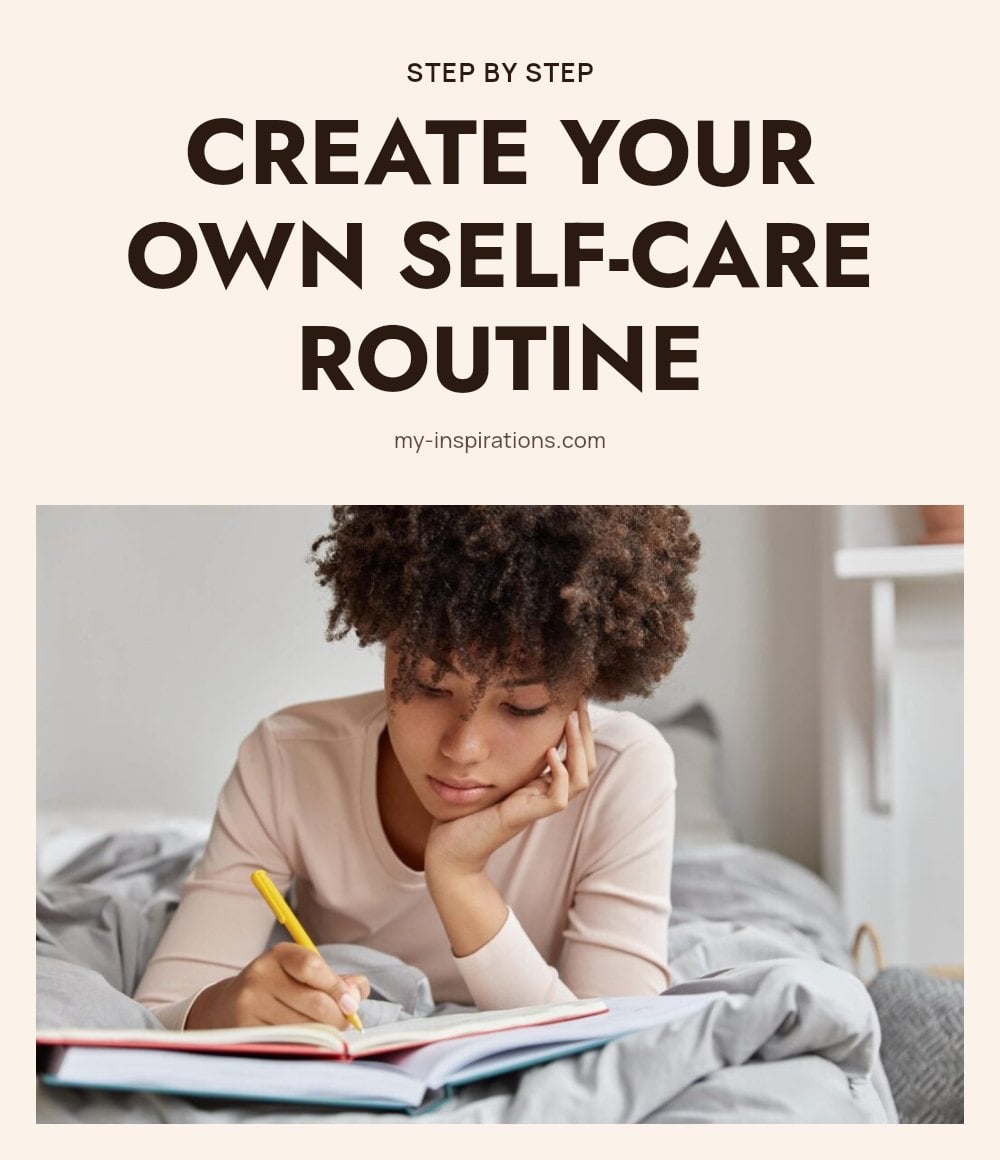
Building a self-care routine that actually sticks means tailoring it to your life, not copying someone else’s. Here is how to do that.
- Assess your needs: Look at five areas of your life: physical, mental, emotional, social, and spiritual. Which one feels most neglected right now? That is where you start.
- Pick one small action: Choose one manageable activity for that area, like a 10-minute walk or drinking an extra glass of water each day. You can add a second activity once the first feels automatic, or choose one or two activities initially if that feels more manageable.
- Schedule it: Put your self-care activity on your calendar as a non-negotiable appointment. Treat it like a meeting you cannot cancel.
- Stay flexible: Your needs will shift with seasons, stress levels, and life changes. Swap a morning jog for an evening stretch if that works better today.
- Reflect weekly: Ask yourself what recharged you this week and what drained you. Adjust your routine based on the answer.
- Set boundaries: Communicate your limits clearly to family, friends, and coworkers. A simple “I need 30 minutes to myself after work” protects your energy without apology.
Self-Care Ideas for Different Aspects of Your Life

Here are concrete self-care ideas organized by the area of life they support. Pick one that fits your current needs, and consider adding a second once the first becomes a habit.
- Prioritize sleep: Aim for 7-9 hours most nights. Your body and brain need that recovery time.
- Move your body: Thirty minutes of moderate exercise most days, like a brisk walk or yoga, supports both physical and mental health.
- Eat balanced meals: Include protein, fiber, and healthy fats at each meal to keep your energy stable.
- Practice mindfulness: Spend 5 minutes on deep breathing or a short meditation to lower stress and improve focus.
- Do something creative: Paint, write, cook, or play music. Hobbies provide a sense of accomplishment and joy.
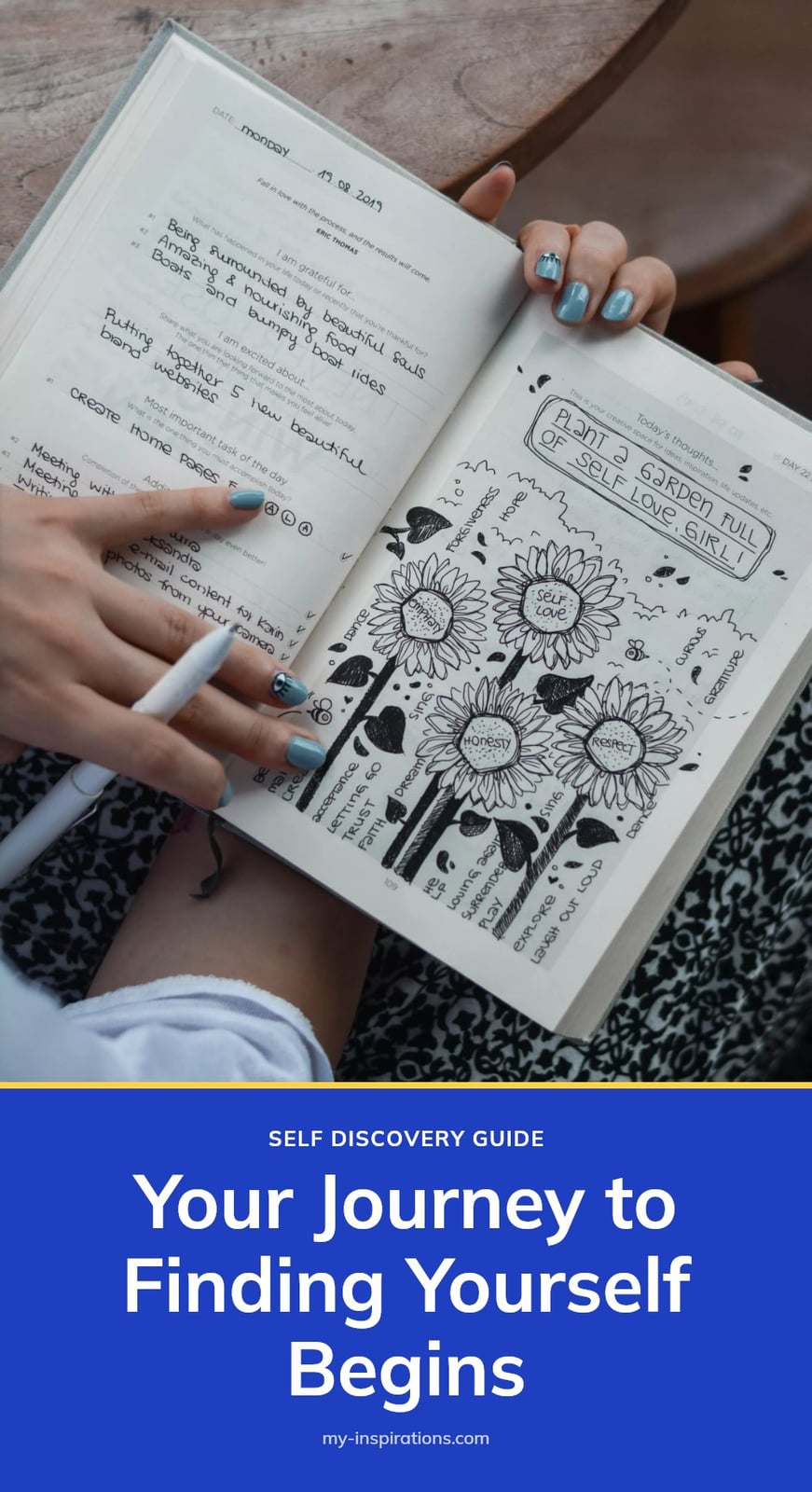
- Journal your thoughts: Write for 5-10 minutes to process emotions and gain self-awareness without overthinking.
- Set clear boundaries: Say no to extra commitments that drain you, and protect your time at work and home.
- Connect with others: Call a friend, join a group, or schedule a weekly coffee date. Supportive relationships are vital for emotional health.
- Get outside: Spend 15 minutes in nature. Even a walk in a park can reduce stress and improve your mood.
- Unplug from screens: Take a 30-minute break from digital devices each evening to reduce mental fatigue and improve sleep quality.
Common Self-Care Mistakes to Avoid
Many women think self-care has to be expensive or take hours. That is a mistake. A five-minute breathing break, a short walk, or drinking a glass of water costs nothing and takes little time. Another common error is confusing self-care with self-indulgence. Self-care is about meeting your needs so you can function better, not avoiding responsibilities like work or family obligations. Do not ignore early signs of burnout, such as persistent fatigue or irritability. Integrate self-care preventatively, not only when you are already exhausted. There is no perfect self-care routine that works for everyone. Your routine should be personal and flexible, changing as your life does. Never neglect basic needs like sleep, nutrition, and hydration. These are the foundation of any self-care plan. Finally, let go of guilt about prioritizing your well-being. Self-care is a necessity, not a luxury.
Practical Tips for Integrating Self-Care into Daily Life

Start small. Pick one or two new habits, like a five-minute morning stretch, and master them before adding more. Consistency matters more than duration. Even five to ten minutes of self-care daily is more impactful than an occasional long session. Listen to your body. Your needs change with stress levels, seasons, and life events. Adapt your routine accordingly. Delegate or ask for help when you can. You do not have to do everything alone. Create a self-care toolkit with go-to items ready, such as a favorite book, a calming tea, or a journal. Practice saying no. Protecting your time and energy by setting firm boundaries is a core self-care skill.
When to Seek Professional Support
If feelings of overwhelm, stress, sadness, or anxiety persist or worsen despite your consistent self-care efforts, it is time to consult a professional. Watch for significant changes in sleep patterns, appetite, or energy levels that interfere with daily life. Withdrawing from social activities or losing interest in things you once enjoyed can also signal that self-care alone is not enough. If your self-care practices themselves become a source of stress or anxiety, re-evaluate your approach and seek guidance from a healthcare provider or mental health expert.
Frequently Asked Questions
What are the five main types of self-care?
The five main types are physical, mental, emotional, social, and spiritual. Physical self-care includes sleep, nutrition, and exercise. Mental self-care involves activities that stimulate or relax your mind, like reading or puzzles. Emotional self-care focuses on processing feelings, such as through journaling. Social self-care means nurturing supportive relationships, and spiritual self-care can be anything from meditation to spending time in nature.
How do I know what self-care activities are right for me?
Look at the five areas of your life and notice which one feels most neglected. Pick one activity from that area that sounds doable and genuinely enjoyable. For example, if you’re mentally drained, a short walk without your phone might help more than a complicated hobby. Try it for a week and see how you feel. Adjust as needed; your routine should fit your life, not the other way around.
Can self-care be expensive?
It doesn’t have to be. Many effective self-care practices cost nothing: taking a five-minute breathing break, drinking a glass of water, or going for a walk. Expensive spa days or fancy products are optional extras, not requirements. The key is consistency, not cost. A simple routine you do daily beats an occasional splurge.
How often should I practice self-care?
Ideally, every day, even if it’s just five to ten minutes. Short, regular moments are more impactful than occasional long sessions. Think of it as brushing your teeth for your mental health. Schedule it like any other appointment, so it becomes a non-negotiable part of your day. As your needs change, you can adjust the frequency and type of activities.
What if I don’t have enough time for self-care?
Start with micro-moments: a minute of deep breathing while waiting for coffee, a five-minute stretch before bed, or a short walk during lunch. These small actions fit into even the busiest schedule. Remember, self-care isn’t an extra task; it’s what helps you function better. Prioritizing it can actually give you more energy for everything else.
Is self-care the same as being selfish?
No, self-care is not selfish. It’s a necessity for your well-being, just like eating and sleeping. When you take care of yourself, you’re better able to show up for others. Think of the airplane rule: put on your own oxygen mask first. Taking time to recharge isn’t neglecting your responsibilities; it’s ensuring you can meet them.
Final Thoughts
Start with one small act today, whether it’s a five-minute breathing break or a short walk. Consistency beats intensity, so choose something you can realistically repeat. Over weeks and months, these small moments add up to a noticeably more balanced life. Be patient with yourself; your needs will shift, and your routine can shift with them. You deserve this time, and it’s not selfish to take it.
This article is for general informational purposes only and is not a substitute for professional medical or mental health advice. If you are experiencing persistent or worsening feelings of stress, anxiety, or sadness, or if self-care practices become overwhelming, please consult a qualified healthcare provider or mental health professional.