How to Take the Perfect Nap for Better Energy and Focus
Learn how to take the perfect nap to boost your energy, improve focus, and avoid grogginess. Discover ideal timings, lengths, and common mistakes to avoid.

Feeling that mid-afternoon slump? A well-timed nap can be a game-changer for your energy and focus, but only if you do it right. The perfect nap is short, strategic, and timed to work with your body’s natural rhythms. In this article, you’ll learn the ideal nap length, the best time to nap, and simple techniques to wake up feeling refreshed, not groggy.
Key Takeaways
- Keep naps to 10-20 minutes to avoid sleep inertia and grogginess.
- Nap between 1 PM and 3 PM to align with your natural afternoon dip.
- Use an alarm, eye mask, and quiet, cool space for the best nap.
- Try a caffeine nap: drink coffee right before a 20-minute nap.
- Consult a healthcare professional if you consistently need naps or feel worse after.
What is the Perfect Nap?
The perfect nap is a short, strategic rest, typically a 20-minute “power nap.” This length keeps you out of deep sleep, so you wake up feeling alert and refreshed, not groggy. Timing matters too. The best window is between 1 PM and 3 PM, when your body’s natural post-lunch dip in alertness makes it easier to fall asleep and less likely to disrupt your nighttime rest.
Essential Tools for Your Best Nap
To make your nap work, you need a few simple tools. Here’s what I keep on hand:
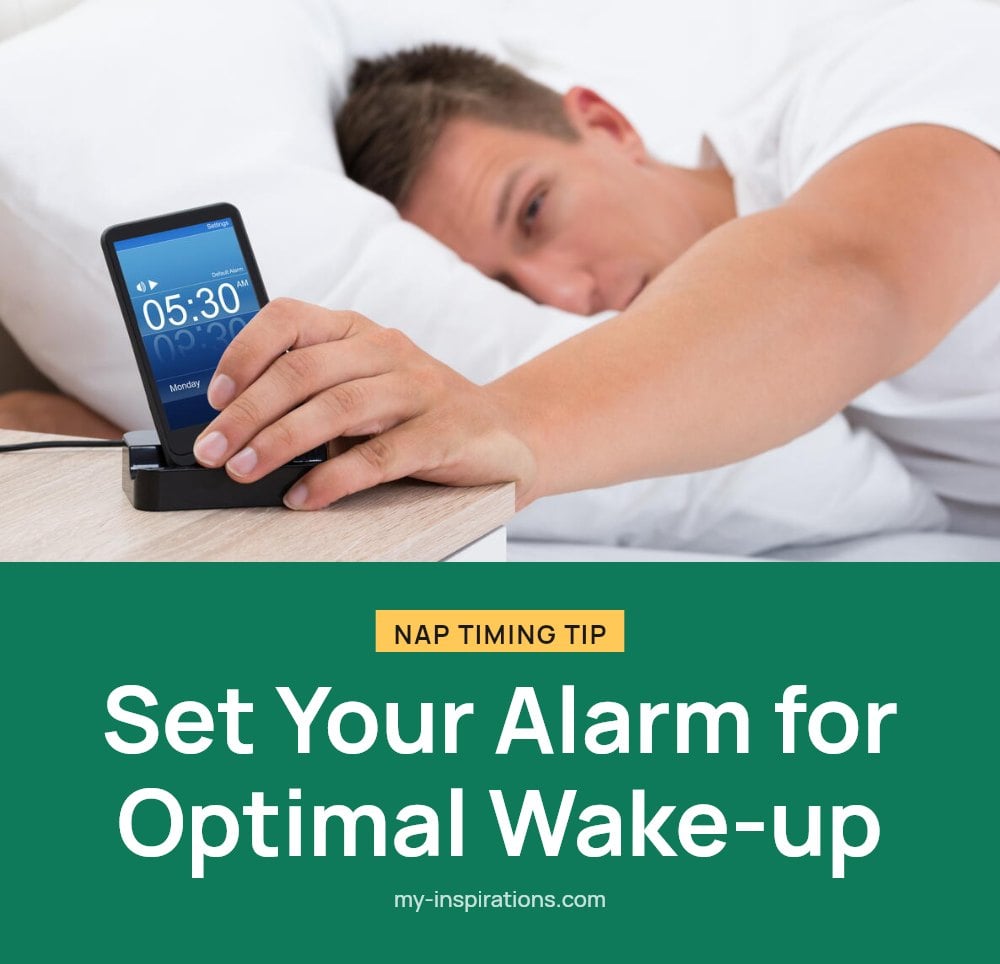
- Alarm clock or smartphone timer: This is crucial for keeping your nap to 20 minutes.
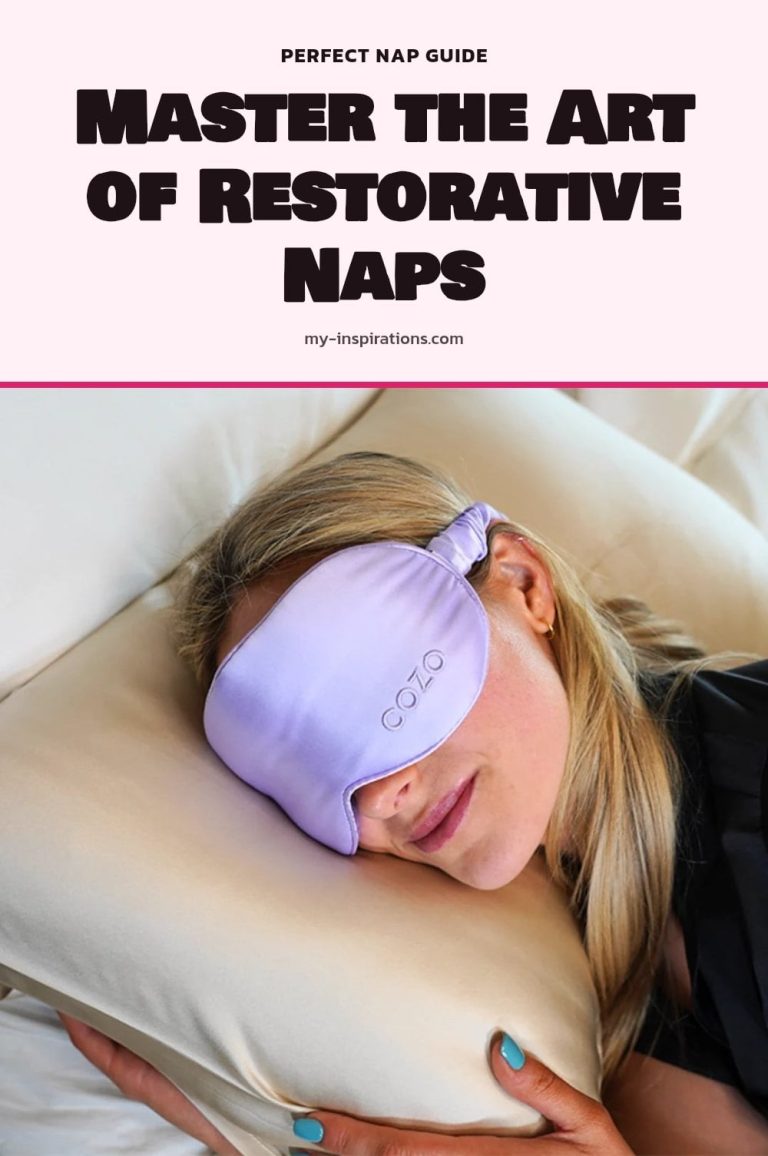
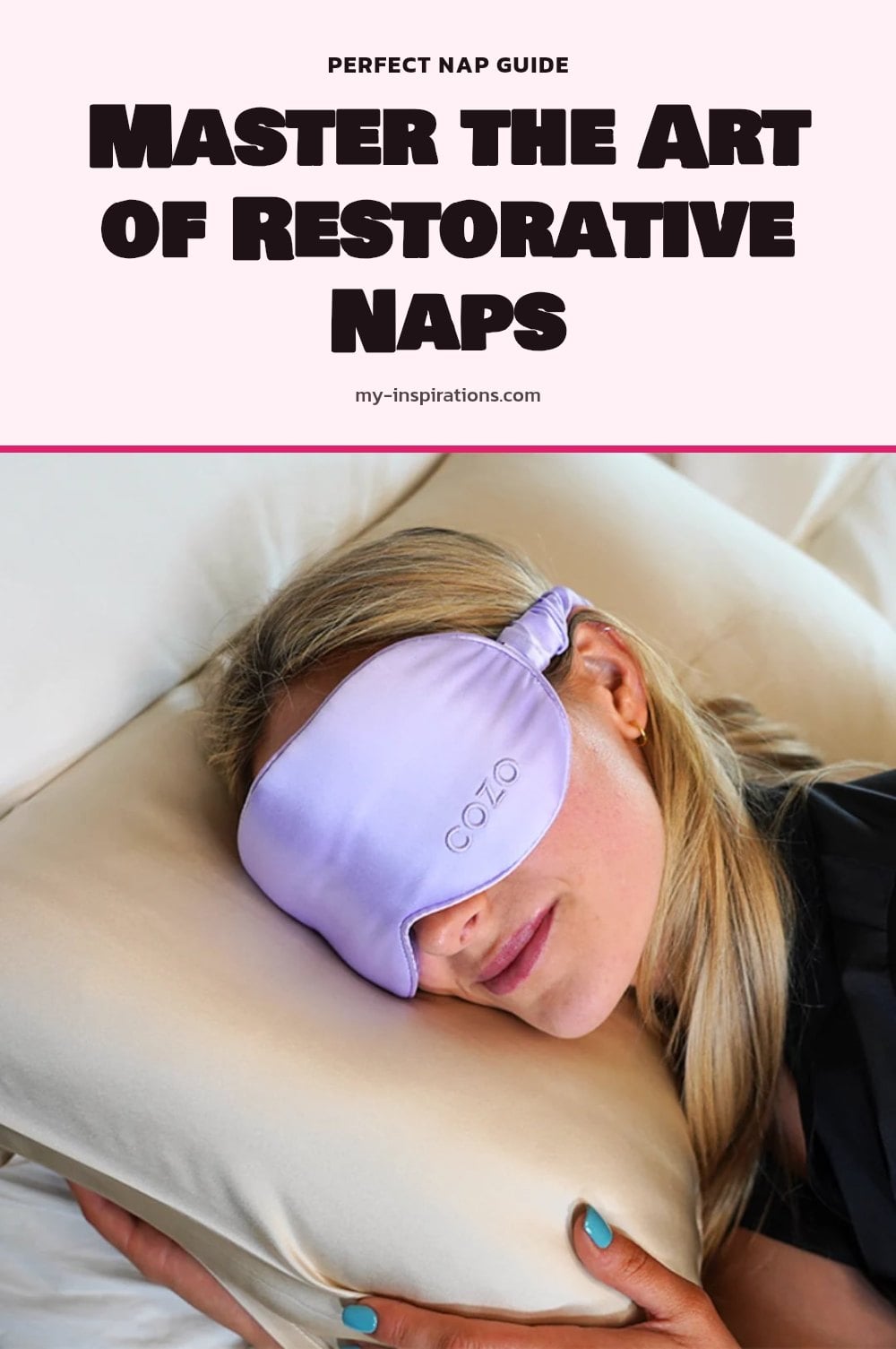
- Eye mask: It blocks out light, which helps your brain settle into sleep faster.
- Earplugs: They create a quiet environment, even in a busy home or office.
- Comfortable pillow or blanket: A soft surface and a light layer of warmth enhance relaxation.
Your Step-by-Step Guide to a Perfect Nap
Follow these steps to get the most out of your nap.
- Choose the right time: Aim for between 1 PM and 3 PM. This aligns with your natural afternoon dip and won’t interfere with nighttime sleep.
- Find a dark, quiet, and cool environment: Draw the curtains, use an eye mask and earplugs if needed, and adjust the temperature to a comfortable, slightly cool level.
- Set an alarm for 20 minutes: This prevents you from slipping into deep sleep, which is what causes grogginess on waking.
- Relax and allow yourself to drift off: Get comfortable, close your eyes, and focus on slow, steady breathing. Don’t stress about falling asleep; just resting quietly can be beneficial.
- Wake up gently and give yourself a moment: When the alarm goes off, sit up slowly, stretch, and take a few deep breaths before jumping back into your day.
Smart Napping Strategies and Techniques
Once you’ve mastered the basics, try these strategies to fine-tune your napping.
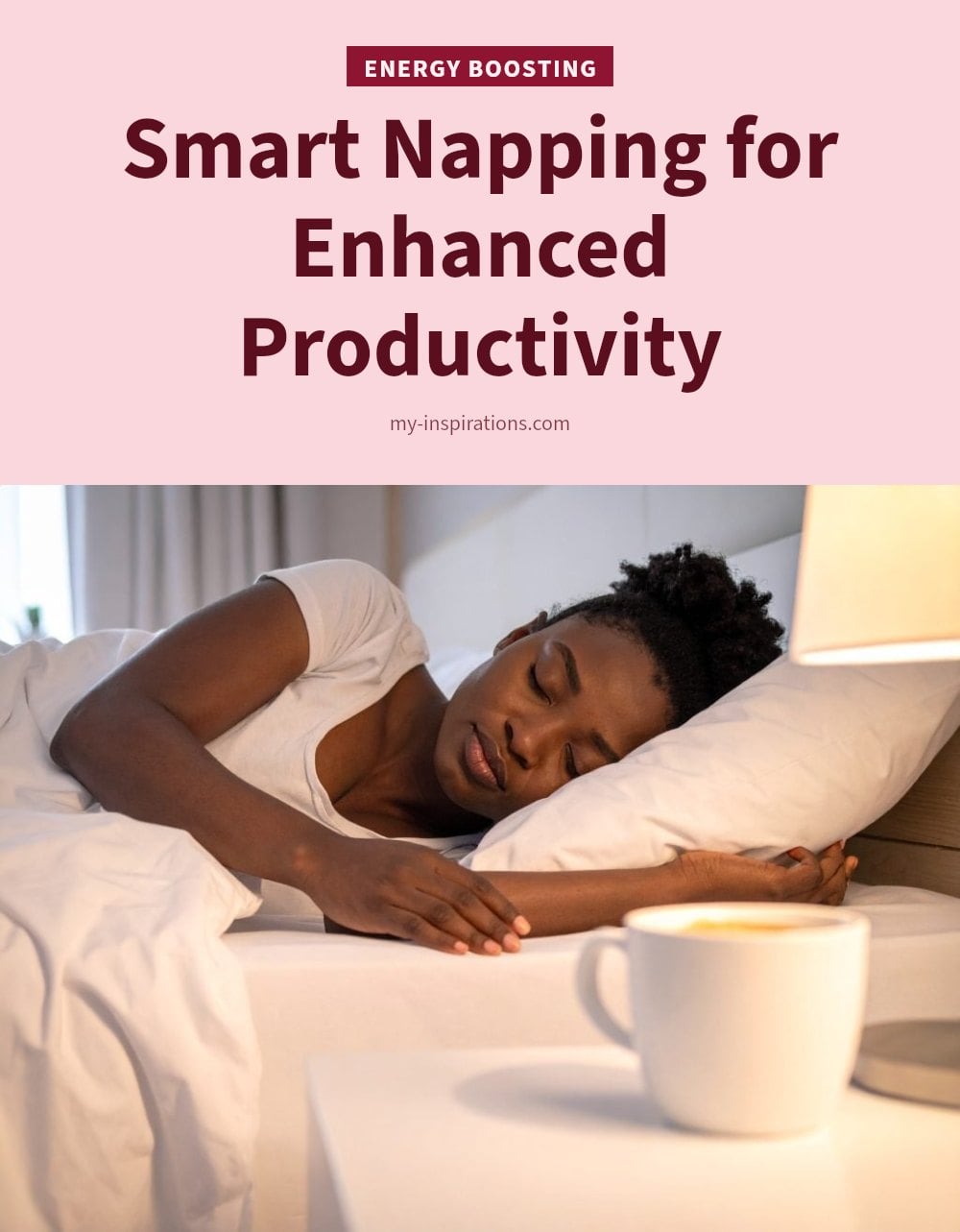
- Consider a “caffeine nap”: Drink a cup of coffee right before your 20-minute nap. The caffeine takes about 20 minutes to kick in, so you wake up as it starts to work.
- Don’t force a nap: If you’re not feeling tired, skip it. Lying awake and getting frustrated can make you more fatigued.
- Experiment within the 10-20 minute window: The ideal power nap is 10-20 minutes to avoid grogginess. Try 10, 15, or 20 minutes to see what leaves you most alert.
- Allow a few minutes to transition after waking up: Take a short walk or splash water on your face to help your brain fully switch on.
Common Napping Mistakes to Avoid
Napping too long: A nap over 30 minutes can pull you into deep sleep, causing sleep inertia, that groggy, disoriented feeling upon waking. For a clean wake-up, keep naps to 10-20 minutes. However, longer naps up to 90 minutes can be beneficial for completing a full sleep cycle, but they may lead to grogginess if interrupted.
Napping too late: A nap after 3 PM can push your bedtime later and fragment nighttime sleep. Your body needs enough sleep pressure to fall asleep at night, and a late nap relieves that pressure.
Replacing nighttime sleep: A nap can patch up a little sleep debt, but it cannot substitute for consistent rest. If you rely on daily naps to function, your nighttime sleep is likely too short or poor quality.
Wrong environment: Napping in a bright room or with background noise limits how deeply you relax. Your brain stays partly alert, so you miss the restorative benefit of a true power nap.
When to Consult a Healthcare Professional About Naps
If you consistently need a nap to get through the day, or if naps leave you feeling worse instead of better, it may point to an underlying issue. Excessive daytime sleepiness despite adequate nighttime sleep can be a sign of a sleep disorder. A healthcare professional can help identify the cause and recommend appropriate steps. My tip: Keep a sleep diary for two weeks, noting how you feel after naps, then share it with your doctor.
Frequently Asked Questions
Can naps replace a full night’s sleep?
No, naps cannot fully replace consistent nighttime sleep. While a short nap can help compensate for sleep debt and boost alertness, it doesn’t provide the full range of restorative sleep stages that a full night offers. For long-term health and energy, prioritize getting 7-9 hours of quality sleep each night.
What if I can’t fall asleep during a nap?
If you can’t fall asleep, don’t force it. Simply resting quietly with your eyes closed for 20 minutes can still provide some restorative benefits, such as reduced stress and improved relaxation. Many people find that just lying down in a dark, quiet room helps them feel more refreshed.
Are there different types of naps?
Yes, naps can be categorized by their length and purpose. A ‘power nap’ is typically 10-20 minutes and boosts alertness. A ‘recovery nap’ may be longer, up to 90 minutes, to include a full sleep cycle, but can cause grogginess. There are also ‘prophylactic naps’ taken before a period of expected sleep loss. The best type depends on your needs and schedule.
How long do the benefits of a nap last?
The benefits of a nap, like improved alertness and focus, are often felt immediately upon waking and can last for several hours. A 20-minute nap may keep you energized for up to 3 hours. However, the exact duration varies from person to person and depends on the nap’s length and timing.
Final Thoughts
To get the most from your nap, aim for a 20-minute power nap in the early afternoon, in a dark, quiet, and cool spot, with an alarm set. Expect to feel more alert and focused for several hours after waking, but remember that naps can’t replace a full night’s sleep. If you find yourself needing naps daily or waking up more tired, it’s worth talking to a doctor to rule out any underlying sleep issues.
This article is for general informational purposes only and is not a substitute for professional medical advice. If you experience persistent daytime sleepiness, or if naps don’t seem to help, consult a healthcare professional to rule out underlying sleep disorders or other health issues.