How to Correct Your Posture at Home: Easy Daily Tips
Learn how to correct your posture at home with simple daily tips and exercises. Reduce pain, boost confidence, and improve your overall well-being.

If you spend hours at a desk or staring at a screen, you’ve probably felt that familiar ache in your neck or lower back. Correcting your posture isn’t about forcing yourself into a rigid, military stance. It’s about finding a relaxed, natural alignment that puts the least strain on your body. This article covers simple, practical steps you can take at home to improve your posture, including daily checks, stretches, and ergonomic tweaks that make a real difference.
Key Takeaways
- Good posture keeps the natural curves of your spine aligned whether sitting, standing, or moving.
- Set a timer to check your posture every hour, scan shoulders, head position, and lower back.
- Strengthen your core muscles and stretch tight areas like chest, hips, and hamstrings regularly.
- Adjust your workspace so your monitor is at eye level and your feet rest flat on the floor.
- Expect noticeable changes in a few weeks with consistent daily effort, lasting results in several months.
What is Good Posture and Why Does it Matter?
Good posture means keeping the natural curves of your spine when you sit, stand, or move. This alignment minimizes strain on your muscles and ligaments. It involves positioning your head, shoulders, hips, and ankles in a straight line. The payoff includes less back and neck pain, a more confident appearance, and better overall well-being. Think of it as relaxed, natural alignment, not rigidly holding yourself still.
Tools and Essentials for Better Posture
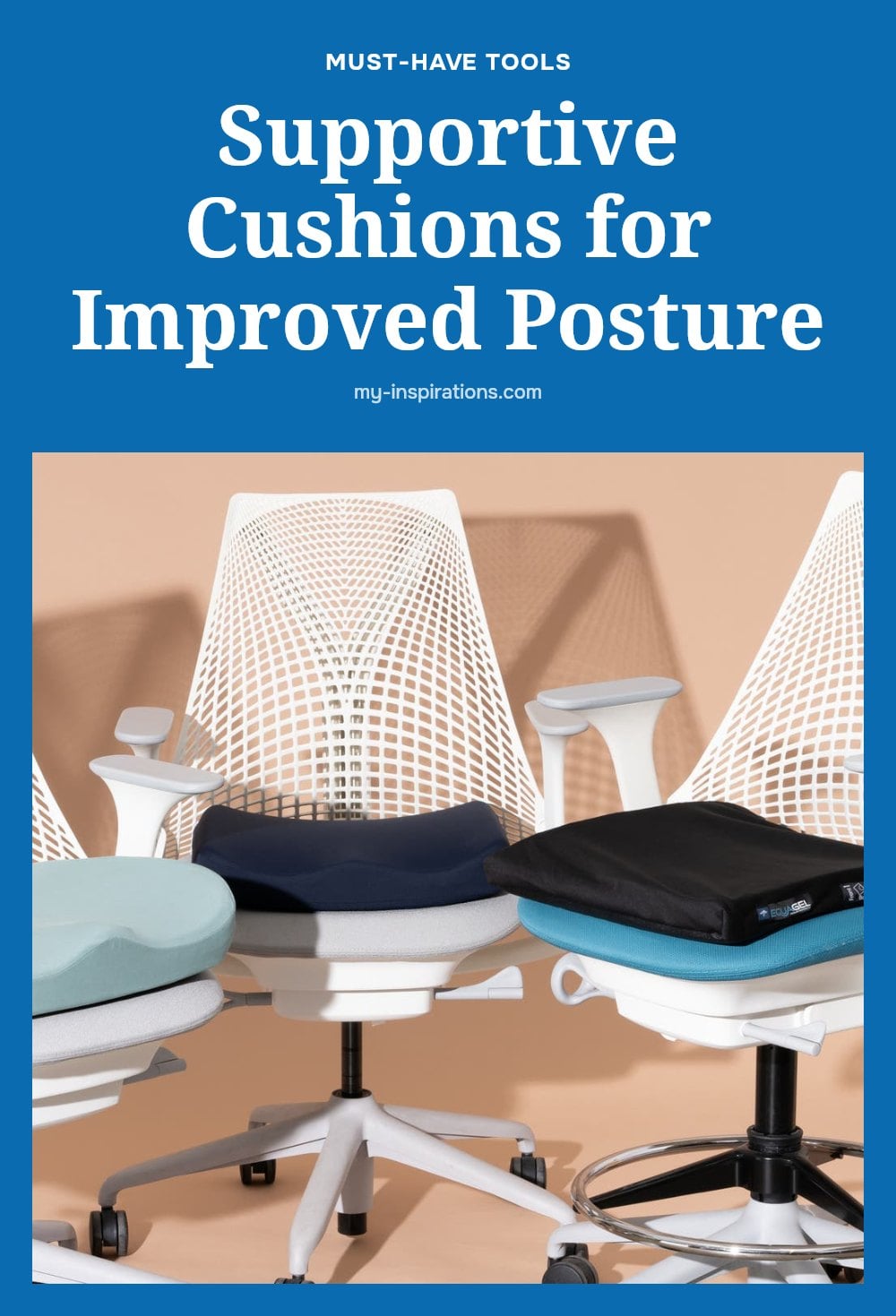
Having the right tools makes good posture easier to maintain day to day. Here are the essentials I keep on hand:
- Ergonomic chair: Provides proper back support and encourages a neutral spine position.
- Lumbar support pillow: Helps maintain the natural curve of your lower back while sitting.
- Footrest: Keeps your feet flat and your knees at a 90-degree angle when seated.
- Supportive shoes: Maintain proper body alignment from the ground up.
- Yoga mat: Useful for floor exercises and stretches that strengthen your core.
- Resistance bands: Aid in strengthening core muscles that support your spine.
Simple Steps to Improve Your Posture Daily

Improving your posture takes consistent daily effort, but these steps make it manageable.
- Check your posture regularly: Set a timer on your phone for every hour. When it goes off, scan your body. Are your shoulders relaxed? Is your head balanced over your spine? Just noticing helps you correct slouching.
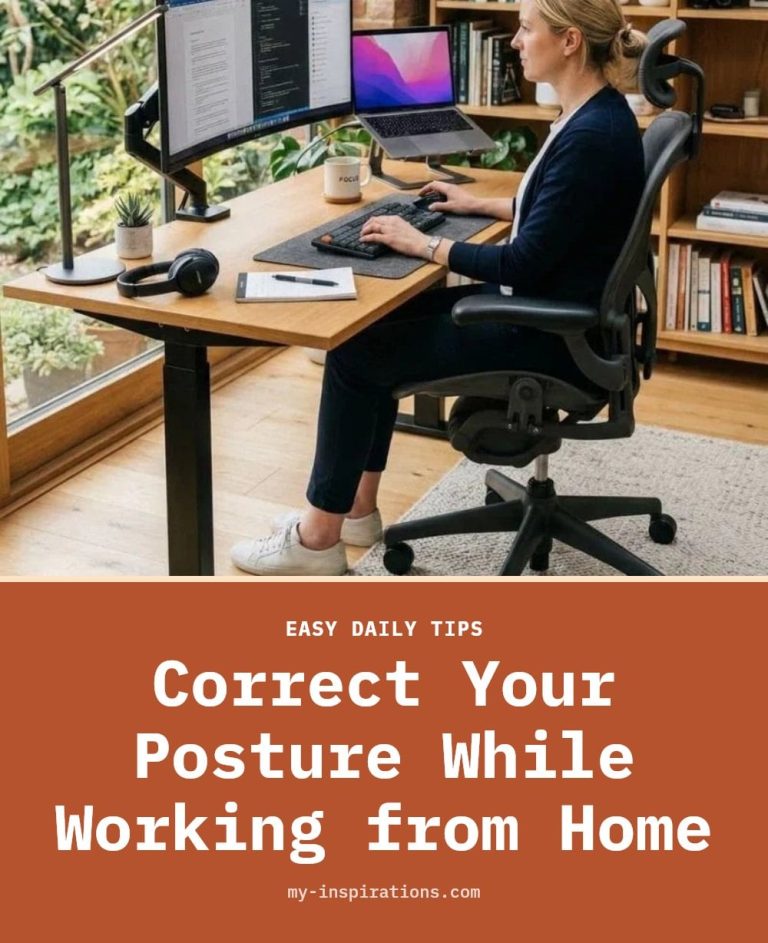
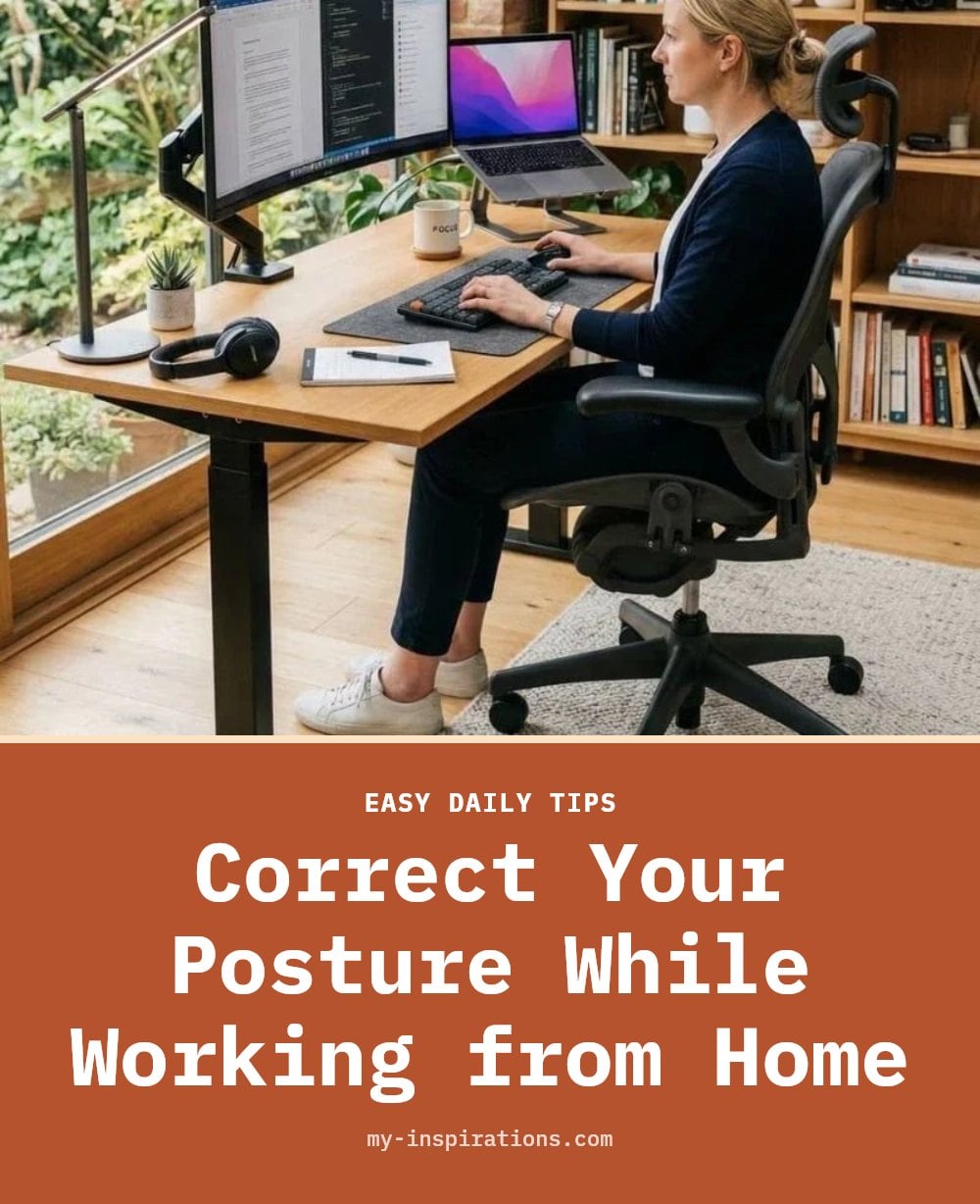
- Adjust your workstation: Your monitor should be at eye level so you don’t crane your neck. Your chair should support your lower back, and your feet should be flat on the floor or a footrest. This keeps your spine in a neutral position.
- Strengthen your core: Strong abdominal and back muscles support your spine naturally. Add planks, bridges, or bird-dog exercises to your routine two to three times a week.
- Stretch tight muscles: Tight hamstrings, hip flexors, and chest muscles pull your body out of alignment. Stretch each of these for 30 seconds daily, especially after sitting for long periods.
- Carry bags evenly: Heavy bags on one shoulder create imbalances. Use a backpack with both straps, or switch shoulders frequently with a crossbody bag.
- Choose supportive footwear: Your feet are your foundation. Shoes with good arch support help keep your hips and spine aligned when you stand and walk.
Common Posture Mistakes to Avoid
Avoid these common mistakes that can slow your progress or cause harm.
- Mistake: Thinking good posture means holding your body rigidly. Fix: Aim for relaxed, natural alignment, not a stiff position.
- Mistake: Focusing only on your upper back and shoulders. Fix: Remember your whole body is connected; core and lower body alignment matter too.
- Mistake: Expecting immediate results. Fix: Posture improvement is a gradual process that takes weeks to months of consistent effort.
- Mistake: Ignoring pain signals. Fix: Pain is a sign to stop or consult a professional, not to push through.
- Mistake: Believing a posture corrector device alone will fix the problem. Fix: These are aids, not solutions; you need active engagement and muscle work.
- Mistake: Not adjusting your daily environments. Fix: Your surroundings play a big role; make ergonomic changes at work and home.
Top Tips for Maintaining Good Posture
I keep a sticky note on my monitor that says “check your spine.” It works. Set your own reminder on your phone or a note to check your posture every hour. When you walk, imagine a string pulling you up from the crown of your head. It instantly lengthens your spine.
Mind your phone: Bring it up to eye level instead of looking down. That single habit reduces strain on your neck.
Sleep smart: On your back, place a pillow under your knees. On your side, put one between your knees. Both positions support your spine’s natural curves.
Hydrate and move: Staying hydrated keeps your spinal discs healthy. Get up and walk for two minutes every hour. Movement prevents stiffness.
How Long Does it Take to See Posture Improvements?
Improving posture is a gradual journey, not an overnight fix. With consistent daily effort, most people start noticing changes in a few weeks. Lasting results typically take several months.
Expect some initial muscle soreness as you engage new muscles. That is normal. The real cost is your time and commitment. Ergonomic tools like a lumbar support pillow or a footrest may be an initial investment, but they make the process easier.
When to Consult a Professional About Your Posture
If you experience sharp, shooting, or persistent pain that does not improve with self-care, see a doctor or physical therapist. Numbness, tingling, or weakness in your limbs also warrants a professional evaluation.
If you have a pre-existing medical condition or are pregnant, consult a healthcare provider before starting new exercises. If you suspect a structural issue or significant misalignment, a professional can assess your specific situation and guide you safely.
Frequently Asked Questions
Can posture correctors really help?
Posture correctors can provide temporary support and remind you to keep your shoulders back, but they are not a fix on their own. Relying on a device without actively engaging your own muscles can actually weaken the muscles you need for long-term improvement. Use them as a short-term reminder while you build strength and awareness.
What are the best exercises for posture?
Core-strengthening exercises like planks, bridges, and bird-dogs are excellent for supporting your spine. Stretches that release tight chest muscles, hip flexors, and hamstrings also help. Focus on movements that encourage a neutral spine and avoid exercises that cause pain. A physical therapist can recommend a routine tailored to your specific imbalances.
Does sleeping position affect posture?
Yes, your sleeping position can influence your posture. Sleeping on your back with a pillow under your knees helps maintain the natural curve of your lower spine. Sleeping on your side with a pillow between your knees keeps your hips and pelvis aligned. Try to avoid stomach sleeping, which can strain your neck and lower back.
How do I know if my posture is bad?
A simple way to check is the wall test: stand with your back against a wall, heels a few inches away. Your head, shoulder blades, and buttocks should touch the wall. If your head doesn’t touch, or your lower back arches excessively, you may have postural imbalances. Persistent pain, rounded shoulders, or a forward head are also common signs.
What is the correct way to stand?
Stand with your head level, shoulders back and relaxed, stomach tucked in slightly, knees soft (not locked), and your weight evenly distributed on both feet. Imagine a string pulling you up from the crown of your head. This alignment keeps the natural curves of your spine in place and reduces strain on your joints and muscles.
Final Thoughts
Improving your posture is a gradual process that rewards consistency. My tip: pick one small habit, like checking your alignment every hour, and stick with it for two weeks before adding another. Realistic expectation: you’ll likely start feeling more comfortable in a few weeks, with lasting changes taking several months. The key is to keep at it, listen to your body, and adjust your environment to support better alignment every day.
This article is for general informational purposes only and does not constitute medical or professional advice. If you have persistent pain, a pre-existing condition, or are pregnant, consult a doctor, physical therapist, or other qualified healthcare professional before starting any new exercise or posture correction routine.