Your Complete Guide to Healthy Fats for a Balanced Diet
Learn about healthy fats, their benefits, and delicious food sources. Discover how to incorporate them for better energy and nutrient absorption.

You’ve probably heard that not all fats are bad for you, but figuring out which ones to eat can feel confusing. The truth is, healthy fats are essential for your energy, vitamin absorption, and overall wellness, and knowing which foods to prioritize makes a real difference. This article breaks down the best sources of healthy fats, how to include them in your daily meals, and the common pitfalls to watch out for.
I’ll walk you through the key types of unsaturated fats, the foods that deliver them, and simple tips for making smarter choices without overcomplicating your diet.
Key Takeaways
- Prioritize unsaturated fats from olive oil, avocados, nuts, seeds, and fatty fish.
- Limit saturated fats from red meat, butter, and full-fat dairy to support heart health.
- Aim for 20% to 35% of daily calories from fat, mostly from unsaturated sources.
- Watch portion sizes even with healthy fats, since they provide 9 calories per gram.
- Read food labels to avoid trans fats and hidden unhealthy fats in processed foods.
What Are Healthy Fats and Why Do We Need Them?
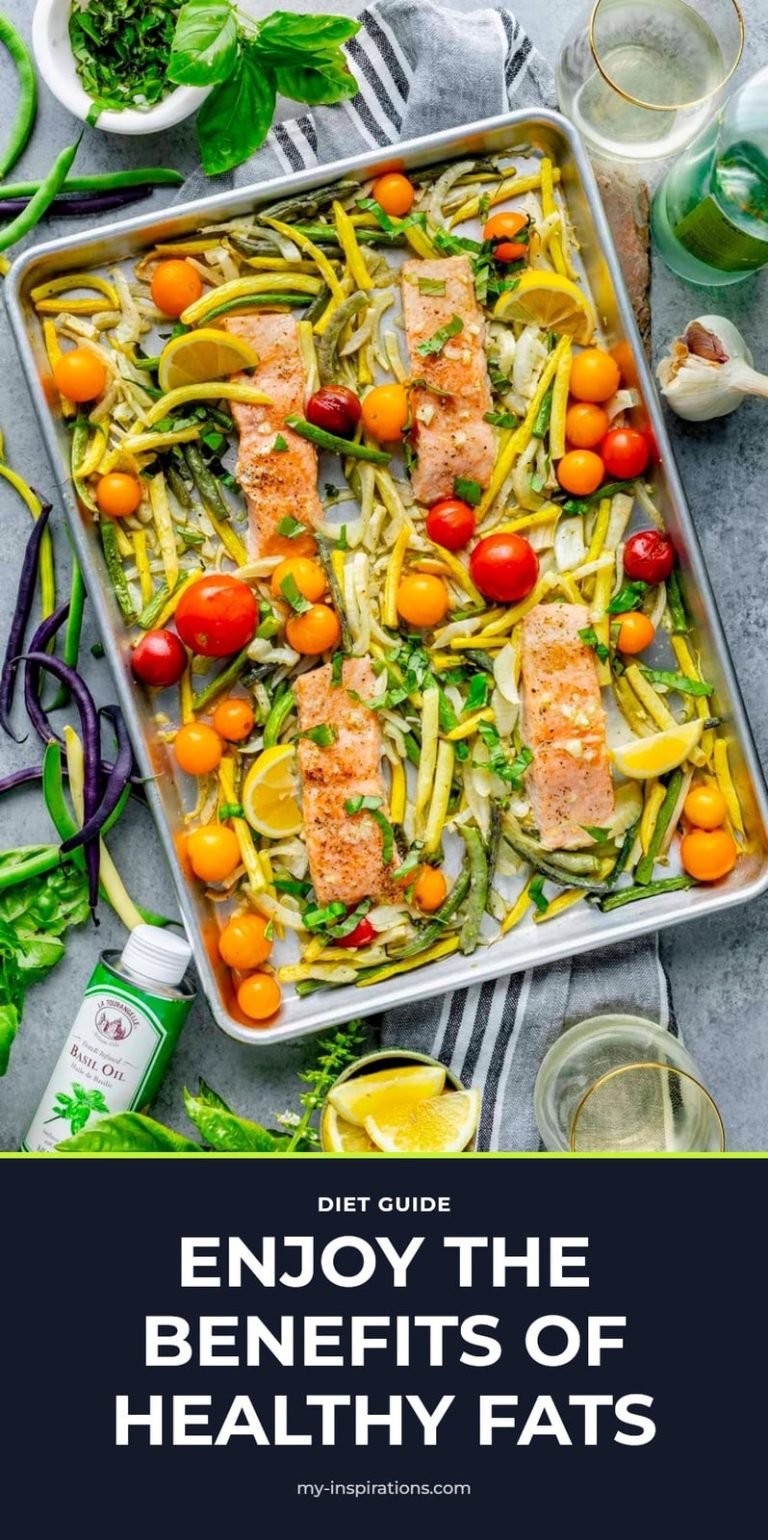
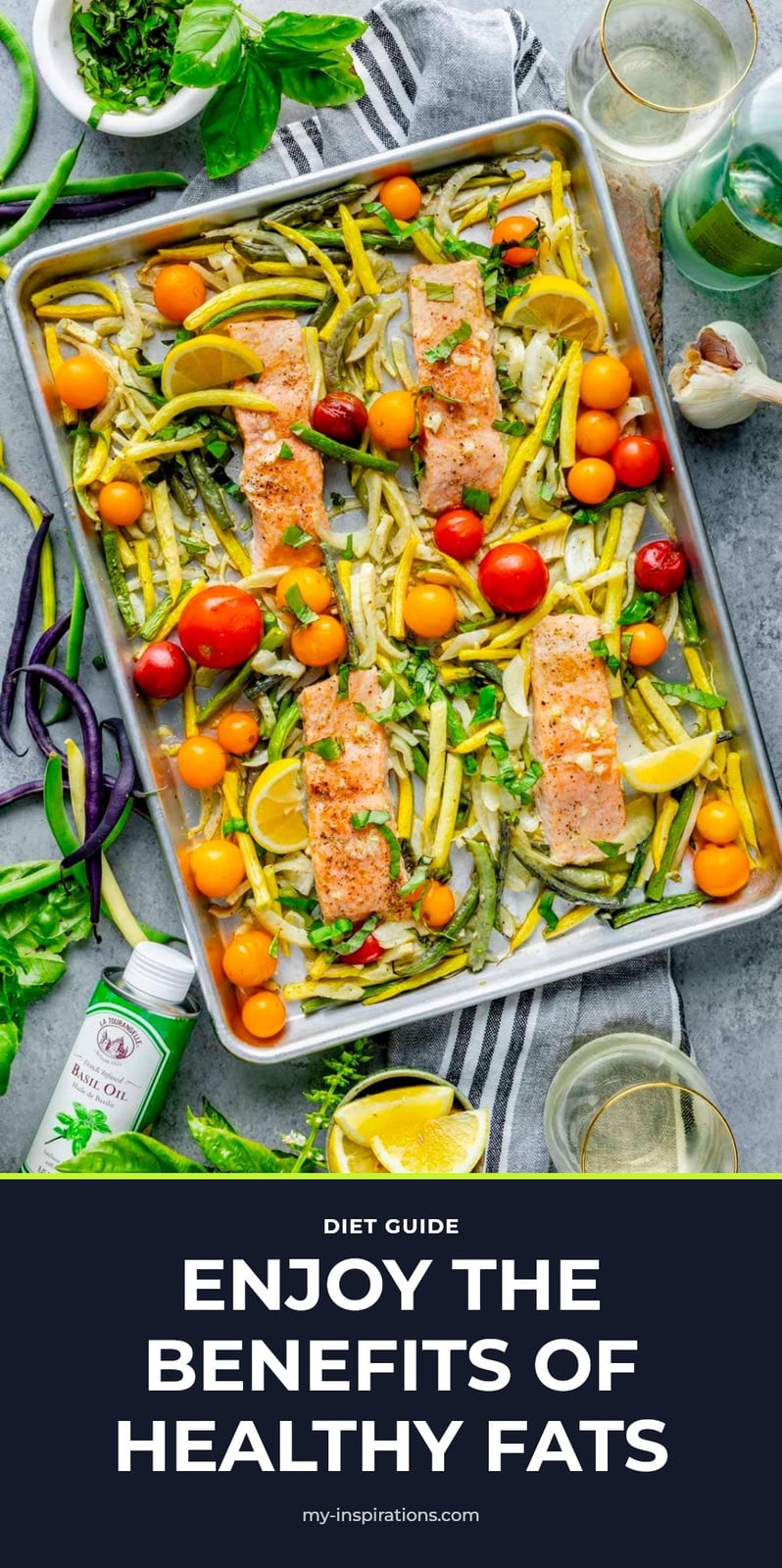
Healthy fats are primarily unsaturated fats, including monounsaturated and polyunsaturated types. You find them in plant-based foods like avocados and nuts, fatty fish such as salmon, and seeds. Your body needs these fats for energy, to absorb fat-soluble vitamins A, D, E, and K, and to protect your organs. Because all fats provide 9 calories per gram, moderation is key for weight management, even with the healthy kinds.
Monounsaturated Fats: Your Heart’s Best Friend
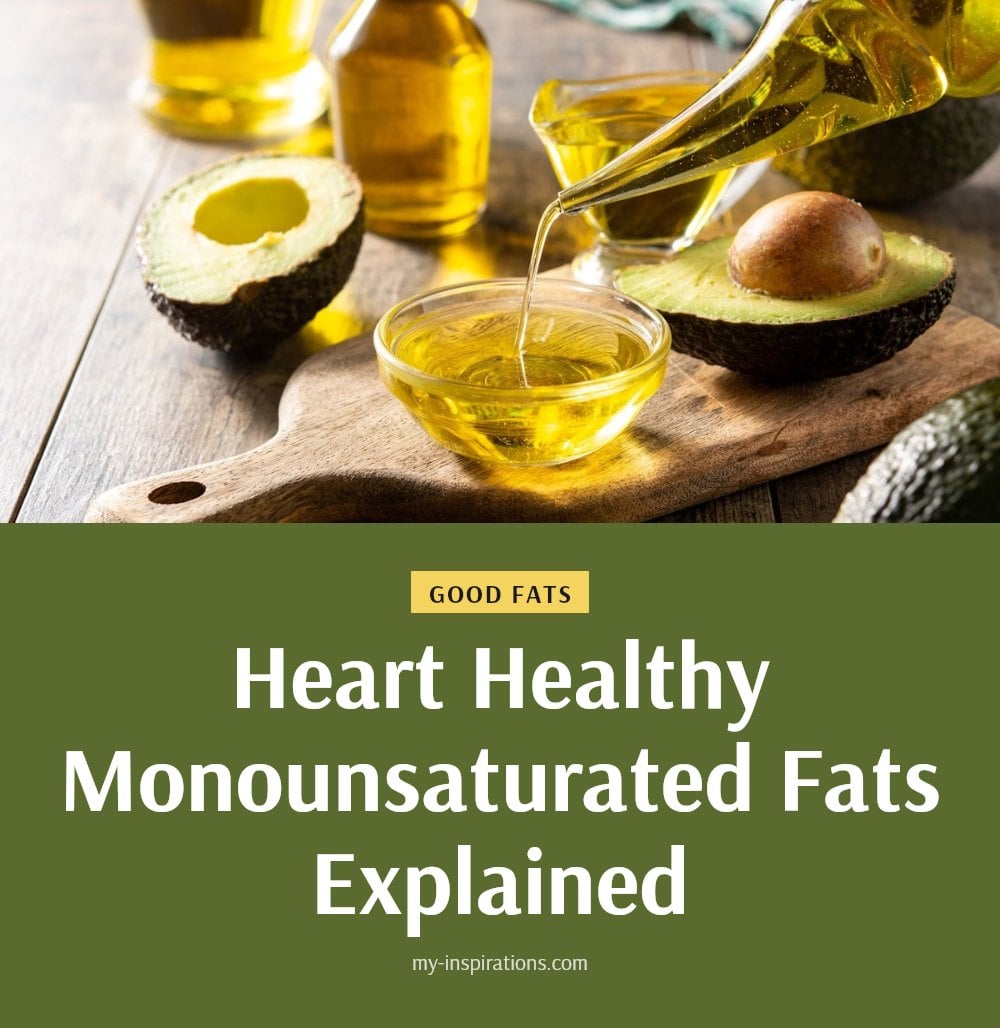
Monounsaturated fats, or MUFAs, play a direct role in lowering LDL (bad) cholesterol when they replace saturated fats in your diet. This shift can support your heart health over time. You will find MUFAs in three everyday foods: olive oil, avocados, and most nuts.
Because MUFAs are stable at moderate temperatures, they work well for sautéing vegetables or drizzling over roasted dishes. My tip: keep a bottle of extra virgin olive oil on your counter for dressings and a jar of almonds in your bag for snacks. Both give you sustained energy without the blood sugar spike that carbohydrates can cause.
Including MUFAs consistently, a quarter of an avocado on toast or a tablespoon of olive oil on your salad, helps your body absorb fat-soluble vitamins A, D, E, and K from the rest of your meal. The key is replacing less healthy fats, not piling extra calories on top of your usual intake.
Polyunsaturated Fats: Essential Omega-3s and Omega-6s
Polyunsaturated Fats: Essential Omega-3s and Omega-6s
Polyunsaturated fats, or PUFAs, include omega-3 and omega-6 fatty acids, which your body cannot produce on its own. Omega-3s are crucial for brain function and reducing inflammation, and you can find them in fatty fish like salmon and mackerel, as well as flaxseeds, chia seeds, and walnuts. Omega-6s are present in many vegetable oils such as soybean and corn oil, and they support overall health, but it’s important to maintain a balance with omega-3s, as most diets are already high in omega-6s. A diet too heavy in omega-6s and light in omega-3s may promote inflammation. Aim to include omega-3-rich foods regularly, and choose omega-6 sources like oils in moderation. My tip: swap some of your cooking oil for olive oil or add a handful of walnuts to your salad to help shift the balance toward omega-3s.
Understanding Different Fat Types: Healthy vs. Unhealthy
Not all fats are created equal. Here is a quick breakdown of the main types to help you make informed choices.
| Fat Type | Sources | Health Impact |
|---|---|---|
| Unsaturated (MUFAs, PUFAs) | Olive oil, avocados, nuts, fatty fish | Beneficial; prioritize these |
| Saturated | Red meat, butter, full-fat dairy | Consume in moderation; may raise LDL cholesterol |
| Trans fats | Partially hydrogenated oils in processed foods | Unhealthiest; avoid entirely |
Focus on unsaturated fats for daily cooking and snacking, limit saturated fats, and check labels to steer clear of trans fats.
1. Avocados: A Creamy Source of Goodness

Avocados deliver a hefty dose of monounsaturated fats, plus fiber and vitamins like K, C, and B6. The creamy texture makes them an easy swap for less healthy spreads on toast or crackers.
My tip: Toss diced avocado into salads for richness, layer it into sandwiches instead of mayo, or blend half an avocado into a smoothie for a silky consistency and a steady energy release.
2. Nuts and Seeds: Nutrient Powerhouses
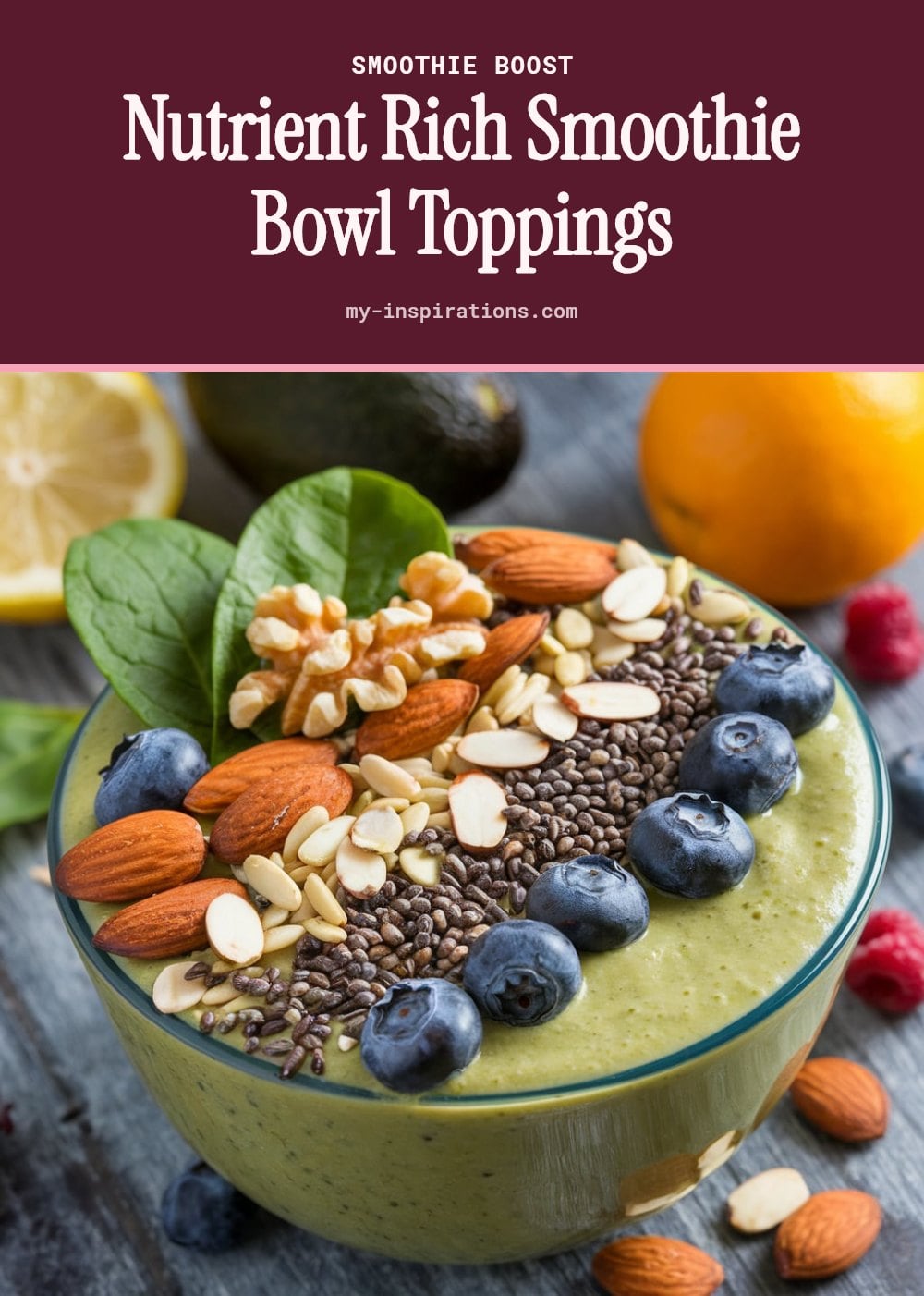
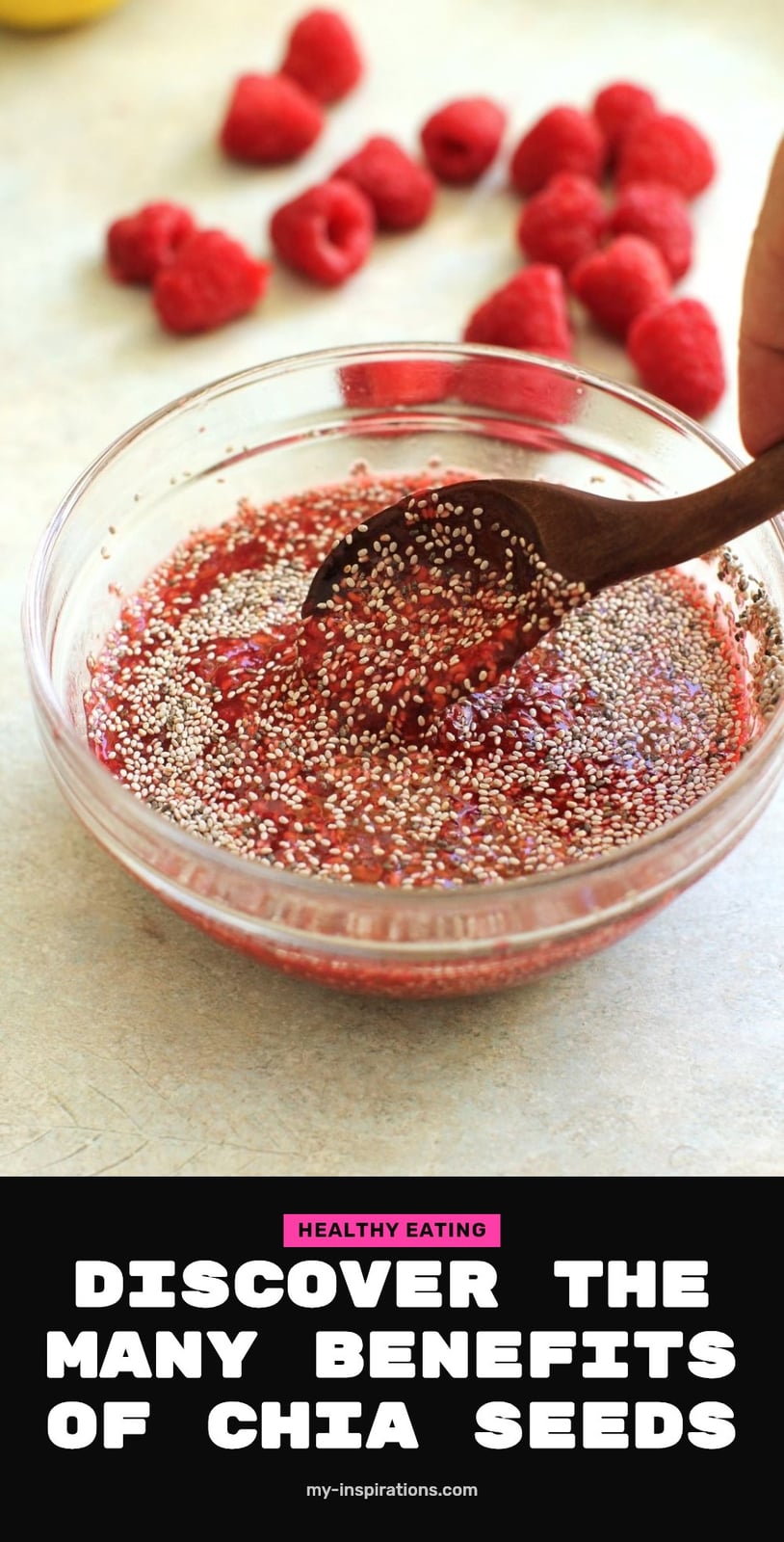
Almonds, walnuts, and pecans give you healthy fats, protein, and fiber in a single handful. They curb hunger between meals better than most packaged snacks. Seeds like chia, flax, and hemp are smaller but packed with omega-3s and fiber, so a little goes a long way.
My tip: Sprinkle chia or flax seeds over yogurt or oatmeal for crunch and a nutrient lift. You can also stir a tablespoon of hemp seeds into smoothies without altering the flavor.
3. Olive Oil: The Mediterranean Diet Staple
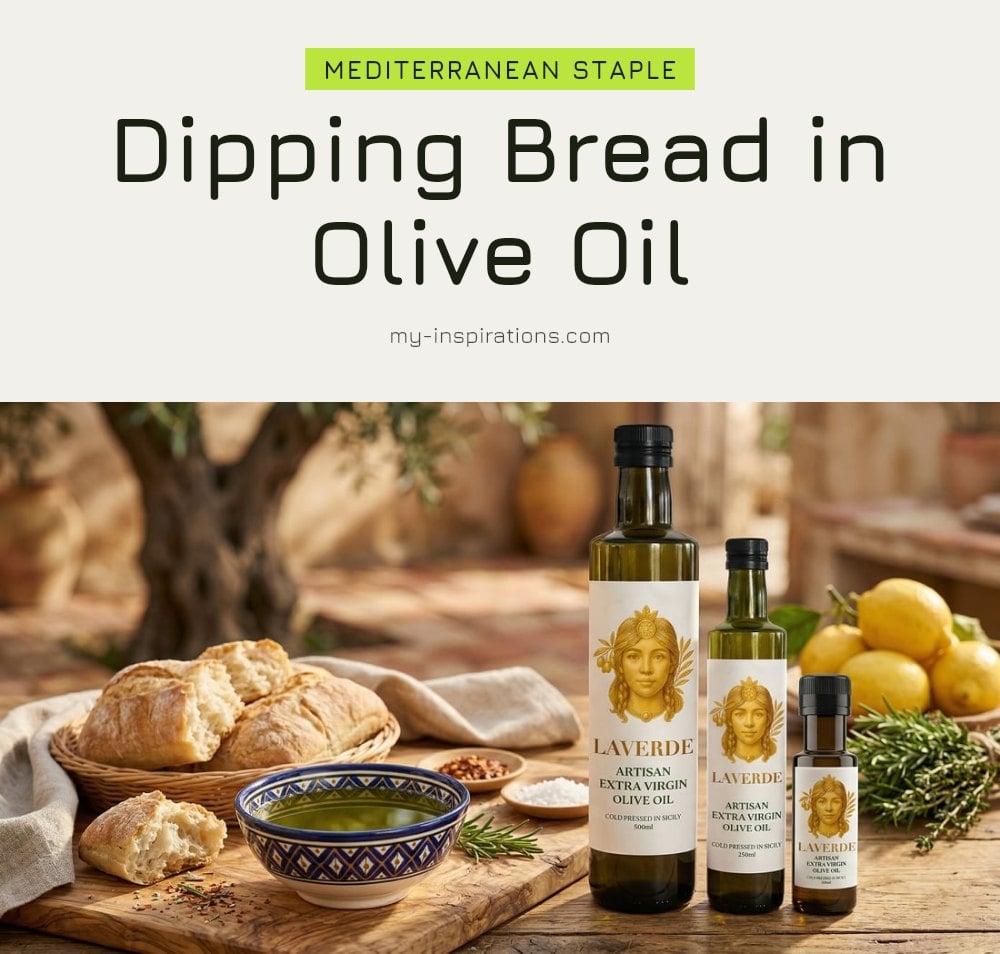
Extra virgin olive oil is prized for its monounsaturated fat content and antioxidants called polyphenols. It forms the base of many Mediterranean dressings and marinades because its flavor complements vegetables, grains, and lean proteins.
Tip: Use olive oil for salad dressings, drizzling over roasted veggies, or sautéing at medium heat. For high-heat cooking like searing or stir-frying, switch to avocado oil, which has a higher smoke point and a neutral taste.
Common Mistakes When Incorporating Healthy Fats
Avoiding all fats: Fats are essential for energy and absorbing vitamins A, D, E, and K. Cutting them out completely can backfire on your health.
Overconsuming even healthy fats: Healthy fats still pack 9 calories per gram. Portion control matters, so measure nuts by the handful and oil by the tablespoon.
Not checking food labels: Processed foods can hide trans fats (listed as partially hydrogenated oils) or high amounts of saturated fat. Always scan the ingredient list before buying.
Believing ‘low-fat’ means healthier: Many low-fat products replace fat with added sugars or refined carbs, which may not support your goals. Compare labels to see what you are actually getting.
When to Consult a Professional About Your Diet
If you have specific health conditions such as heart disease, high cholesterol, or diabetes, talk to a healthcare professional or registered dietitian for personalized advice on fat intake. They can help you adjust your diet to support your health goals without risking complications.
Caution: If you suspect food allergies, especially to nuts or seeds, seek medical guidance before adding them to your routine. For concerns about mercury in fish like tuna or mackerel, a professional can recommend safer choices and appropriate serving sizes.
Frequently Asked Questions
What is the healthiest fat for cooking?
For cooking at medium to high heat, avocado oil and canola oil are good choices because they have higher smoke points and are rich in unsaturated fats. For lower-heat cooking or dressings, extra virgin olive oil works well and adds antioxidants. Avoid using oils high in saturated fat for everyday cooking if you’re watching your cholesterol.
Can healthy fats help with weight loss?
Healthy fats can support weight management when eaten in moderation. They help you feel full and satisfied, which may reduce overall calorie intake. However, since all fats provide 9 calories per gram, portion control is key. Adding a handful of nuts or avocado slices to a meal can curb hunger, but eating large amounts can lead to excess calorie intake.
How much healthy fat should I eat daily?
The Dietary Guidelines for Americans recommend that adults get 20% to 35% of their daily calories from fat, primarily from unsaturated sources. For a 2,000-calorie diet, that’s about 44 to 78 grams of total fat per day. Your individual needs may vary, so a registered dietitian can give you personalized advice based on your health goals.
Are all plant-based fats healthy?
Most plant-based fats are healthy because they come from unsaturated sources like nuts, seeds, avocados, and olive oil. However, coconut oil is high in saturated fat, and its health benefits are still debated among experts. Also, processed foods labeled as ‘plant-based’ may contain unhealthy fats or added sugars, so always check the ingredient list.
What’s the difference between omega-3 and omega-6?
Omega-3 and omega-6 are both polyunsaturated fats that your body cannot produce on its own. Omega-3s are found in fatty fish, flaxseeds, chia seeds, and walnuts, and they support brain function and reduce inflammation. Omega-6s are found in vegetable oils like soybean and sunflower oil, and they are common in processed foods. A balanced diet includes both, but most people get enough omega-6 and should focus on increasing omega-3 intake.
Final Thoughts
My tip for making this easier: start by swapping one source of saturated fat each day for a healthier option, like using olive oil instead of butter or snacking on almonds instead of chips. Over time, these small changes add up. You can expect to see benefits from consistent long-term consumption as part of an overall balanced lifestyle. Building a diet rich in healthy fats is a simple, sustainable way to support your body every day.
This article is for general informational purposes only and does not constitute medical or dietary advice. Always consult a healthcare professional or registered dietitian before making significant changes to your diet, especially if you have a medical condition such as heart disease, high cholesterol, or diabetes.