Emotional Intelligence Skills to Learn and Master
Discover the four key emotional intelligence skills and how to cultivate them for improved relationships, career success, and personal well-being.

You’ve probably heard that emotional intelligence, or EI, is the secret to better relationships and a more fulfilling career, but what does it actually take to build it? It’s not about being nice all the time or suppressing how you feel. Instead, it’s a set of practical skills you can learn and practice, starting today.
This article breaks down the four pillars of EI, gives you simple exercises to strengthen each one, and clears up common myths so you can start seeing real changes in how you handle stress, connect with others, and navigate your daily life.
Key Takeaways
- Emotional intelligence has four pillars: self-awareness, self-management, social awareness, and relationship management.
- Unlike IQ, emotional intelligence can be developed at any age with consistent practice.
- Start with a daily emotion log or five minutes of mindfulness to boost self-awareness.
- Use active listening and empathy to improve social awareness and relationships.
- Expect gradual improvements over months, with deeper mastery taking years.
What is Emotional Intelligence and Why It Matters
Emotional intelligence (EI) is your ability to understand, use, and manage your own emotions, and to recognize and influence the emotions of others. It’s about processing emotions constructively to relieve stress, communicate effectively, empathize, overcome challenges, and defuse conflict. Developing EI is crucial for both personal well-being and professional success, helping you navigate life with greater understanding and effectiveness. Unlike IQ, EI is a learned skill you can strengthen at any point in life.
The Four Pillars of Emotional Intelligence and How to Build Them

- Cultivate self-awareness: This is your emotional diagnosis. Understand your feelings, how they influence your thoughts and actions, and what captures your attention. My tip: I keep a simple emotion log for two-minutes each evening, noting what I felt and what triggered it.
- Practice self-management: Learn to handle upsetting emotions so they don’t derail your day. Maintain an optimistic outlook and adapt to change with a growth mindset. The goal is to increase the time between an impulse and your reaction to it.
- Develop social awareness (empathy): Tune into others by understanding their perspective, sensing their feelings, and demonstrating genuine care. This means picking up on body language, tone of voice, and what remains unsaid.
- Master relationship management: Guide, influence, and inspire others to work effectively together. Be a strong team member and leader, resolve conflicts calmly, and foster the development of future leaders through coaching.
Self-awareness is the foundation. Without it, building strength in the other three pillars is much harder.
Prefer to watch? Big Think walks through the whole method in this 8-minute video. The how-to part starts at 2:06.
Understanding the Distinction Between IQ and EI
Emotional intelligence is distinct from IQ, which measures cognitive abilities like reasoning and problem-solving. Unlike IQ, which remains largely stable throughout life, emotional intelligence can be learned and developed over time through practice and conscious effort. While IQ helps you process information, EI helps you navigate human interactions and emotional landscapes effectively. One does not predict the other; a brilliant mind can struggle with relationships, and someone with average cognitive scores can excel at leading teams.
Tools and Resources for Developing Emotional Intelligence
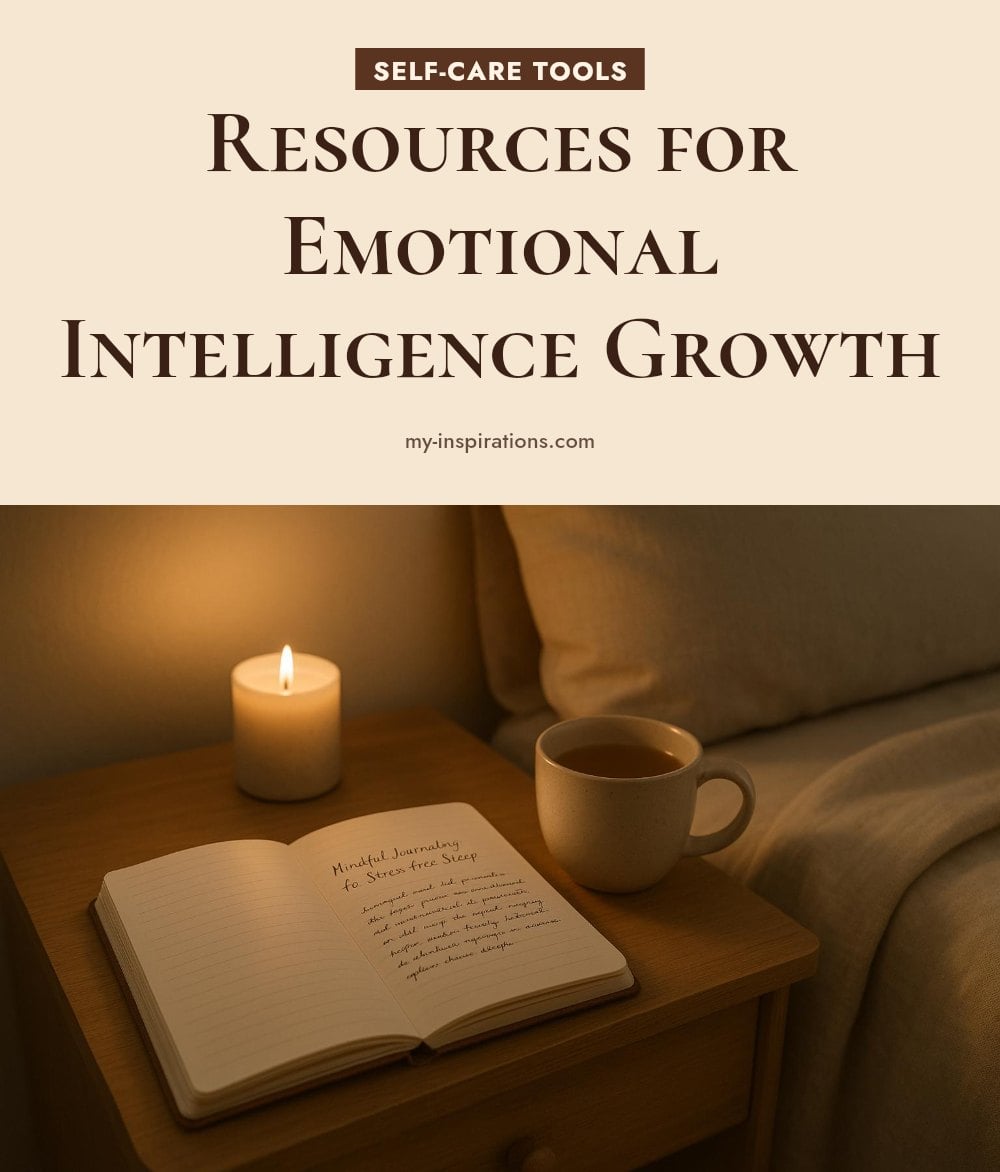
Building emotional intelligence requires consistent practice, but the right tools make it easier. Here is what I recommend having on hand:
- Journal or notebook for self-reflection: Essential for tracking emotions, reactions, and patterns over time.
- Books or online courses on emotional intelligence: Provide structured learning and deeper insights into each domain.
- Mindfulness apps or guided meditations: Help practice self-awareness and emotional regulation, even five minutes a day.
- Communication skills workshops: Offer practical experience in social awareness and relationship management in a safe setting.
Practical Tips for Boosting Your Emotional Intelligence

I start my day with five minutes of morning mindfulness, just noticing my emotions without judging them. It sounds small, but that short practice makes me aware of my feelings before they take over. My tip: even five minutes a day can make a difference. I also ask two trusted friends to give me honest feedback about how I come across emotionally. It is uncomfortable at first, but their perspective has been invaluable for spotting blind spots.
Active listening changed how I talk to people. I focus fully on what they say, both the words and the body language, without planning my reply. I have found this transforms conversations. When stress hits, I go for a run or paint for 20 minutes instead of snapping. High stress really throws your emotional regulation off, so having a healthy coping mechanism is non-negotiable. I communicate my feelings using ‘I’ statements like ‘I feel overwhelmed when…’ to avoid blame. And when I mess up, I apologize clearly and take responsibility. It builds trust faster than any excuse.
Common Mistakes to Avoid When Cultivating EI
A big mistake is thinking emotional intelligence means being nice all the time. It is not about suppressing your true feelings; it is about being authentic and effective. I used to confuse EI with emotional weakness, but managing and expressing emotions appropriately actually takes real strength. Another trap is believing EI is innate and unchangeable. It is a learned skill that improves with conscious effort and practice, just like any other.
Failing to practice self-reflection is a common error. Without understanding your own emotional landscape, you cannot navigate others’. I also underestimated non-verbal communication until I realized body language and tone often convey more than words. Pay attention to them. Finally, do not focus only on one aspect of EI, like self-awareness, while neglecting relationship management or social awareness. All four domains are interconnected, and you need development across all of them for holistic growth.
Timeline for Developing Emotional Intelligence
Developing emotional intelligence is an ongoing process, not a one-time fix. I noticed gradual improvements after a few months of consistent practice and self-reflection. Significant mastery and deeper integration of EI skills can take years of dedicated effort. The main cost is your time and commitment, though resources like books or workshops may have financial costs. It is a journey, not a destination.
Frequently Asked Questions
What is the difference between IQ and emotional intelligence?
IQ measures cognitive abilities like reasoning and problem-solving, and it tends to stay stable throughout life. Emotional intelligence, on the other hand, is about understanding and managing emotions, both your own and others’. The key difference is that EI can be learned and improved with practice, while IQ is largely fixed.
Can emotional intelligence be developed at any age?
Yes, absolutely. Unlike IQ, which remains relatively stable, emotional intelligence is a learned skill that can be developed at any point in life. With consistent practice and self-reflection, you can strengthen each of the four pillars, regardless of your starting point.
How does emotional intelligence impact professional success?
Emotional intelligence helps you communicate clearly, manage stress, work well in teams, and resolve conflicts calmly, all of which are essential for professional success. It also enables you to inspire and influence others, making you a more effective leader and a valuable team member.
Is emotional intelligence about being ‘nice’ all the time?
No, it’s not about being nice all the time. Emotional intelligence is about being authentic and effective, which sometimes means having difficult conversations or setting boundaries. It’s about processing emotions constructively, not suppressing them or always pleasing others.
What are some common pitfalls when trying to improve emotional intelligence?
Common mistakes include thinking EI is innate and can’t be changed, focusing on only one pillar while neglecting others, and underestimating the power of non-verbal cues. Also, skipping self-reflection or avoiding difficult conversations can stall your progress. Awareness of these pitfalls helps you avoid them.
Final Thoughts
Building emotional intelligence is a journey, not a destination. Start with one small habit, like a two-minute evening emotion log or five minutes of morning mindfulness, and build from there. You’ll likely notice subtle shifts in your reactions and interactions within a few months, but real mastery takes consistent effort over years.
Remember, every time you pause between an impulse and your reaction, you’re strengthening a skill that will serve you in every area of life. Be patient with yourself and keep practicing.