High Protein Diet Made Simple: What to Eat and How Much
Understand what a high protein diet involves, its benefits for weight management and muscle, and practical tips for incorporating more protein into your meals.

You’ve probably heard that eating more protein can help with weight loss or building muscle, but what does a high protein diet actually look like? It’s simpler than you might think, and it’s about more than just adding a scoop of powder to your smoothie. In this article, I break down what a high protein diet is, how much protein you really need, and the best ways to get it from real food.
Key Takeaways
- Aim for 1.2 to 2.2 grams of protein per kilogram of body weight daily.
- Include a protein source with every meal and snack.
- Choose whole foods like chicken, eggs, Greek yogurt, and legumes over supplements.
- Spread protein intake evenly throughout the day for best results.
- Drink plenty of water, especially as you increase protein.
What Exactly Is a High Protein Diet?
A high protein diet means you’re eating more protein than the standard daily recommendation. While the RDA sits at 0.8 grams per kilogram of body weight for healthy adults, a high protein approach typically aims for 1.2 to 2.2 grams per kilogram. The goal is to support muscle maintenance or growth, increase feelings of fullness, and potentially help with weight management by keeping you satisfied longer.
Why Protein Is So Important for Your Body
Why Protein Is So Important for Your Body
Protein is one of the three macronutrients your body relies on daily. It builds and repairs tissues, makes enzymes and hormones, and supports immune function. Unlike carbs or fats, protein has a higher thermic effect of food (TEF), meaning your body burns more calories digesting it.
Adequate protein intake also helps preserve muscle mass, which is especially important during weight loss. When you cut calories, your body can break down muscle for energy unless you provide enough protein. Keeping that muscle helps maintain your metabolism and strength.
Top Protein Sources to Include in Your Diet
Top Protein Sources to Include in Your Diet
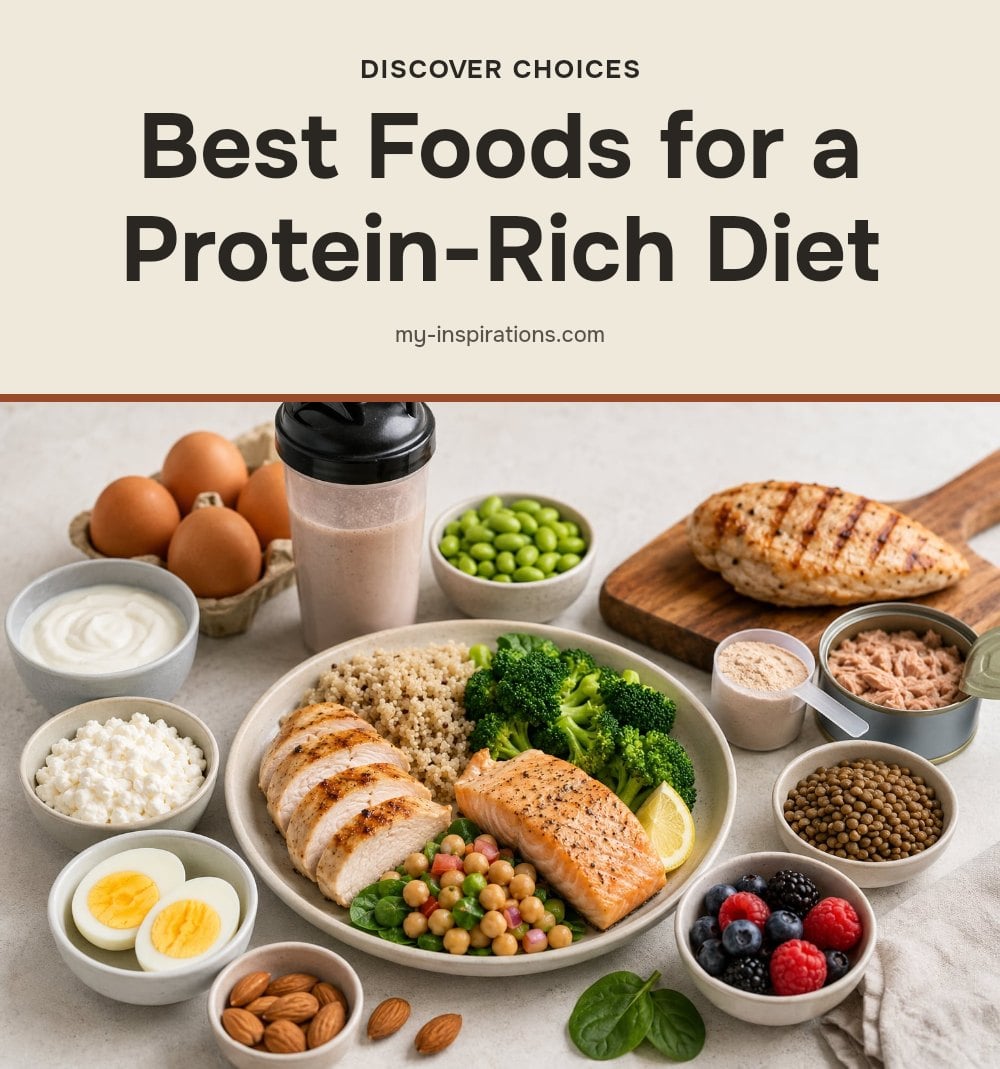
Prioritize lean animal proteins like chicken breast, turkey, fish, and eggs. These are complete proteins, meaning they contain all nine essential amino acids your body cannot make on its own. Dairy products such as Greek yogurt and cottage cheese are also versatile options that work well for breakfast, snacks, or even savory dishes.
For plant-based eaters, explore legumes like lentils, chickpeas, and beans, as well as nuts, seeds, tofu, and tempeh. While most plant proteins are incomplete, eating a variety throughout the day ensures you get all essential amino acids. Tip: Pair rice with beans or hummus with whole-wheat pita to create a complete protein profile. Choosing whole, unprocessed sources over supplements helps you get fiber, vitamins, and minerals alongside your protein.
Smart Ways to Boost Your Protein Intake Daily

Smart Ways to Boost Your Protein Intake Daily
Start by distributing your protein evenly across all meals and snacks rather than loading up at dinner. Aim to include a protein source, like eggs at breakfast, Greek yogurt as a mid-morning snack, chicken at lunch, cottage cheese in the afternoon, and fish at dinner, to keep your levels steady throughout the day.
Hydration matters, especially when you increase protein intake, because your kidneys need extra water to process it. My tip: Track your protein intake for a few days using a simple app or food diary to see where you actually stand. Once you know your baseline, it’s easier to adjust portions and build consistent habits.
Common High Protein Diet Mistakes to Avoid
One of the biggest pitfalls is leaning on protein shakes and bars for the bulk of your intake. Whole foods like chicken, eggs, Greek yogurt, and lentils deliver fiber, vitamins, and minerals that supplements simply lack. Use powders for convenience, not as a daily replacement.
Another common mistake is crowding out carbohydrates and healthy fats. Your body needs all three macronutrients, and cutting carbs or fats entirely can leave you low on energy and fiber. Keep a balanced plate with vegetables, whole grains, and sources of healthy fat like avocado or olive oil.
Many people also pack most of their protein into dinner. Spreading it across breakfast, lunch, and snacks helps with muscle protein synthesis and keeps you fuller throughout the day. Finally, don’t forget water. Higher protein intake increases your fluid needs, and not drinking enough can lead to constipation or dehydration. Aim for steady sips all day.
When to Consult a Professional About Your Diet
Before you overhaul your eating pattern, talk to a healthcare professional or registered dietitian. This matters most if you have a pre-existing condition, especially kidney issues, since high protein intake may add strain.
You should also check in with a doctor if you notice persistent digestive discomfort, bloating, or other adverse reactions after increasing protein. These symptoms may signal a need to adjust your sources or quantities. A professional can help you find a safe, sustainable approach tailored to your health status.
Frequently Asked Questions
Is a high protein diet safe for everyone?
For most healthy adults, a high protein diet is generally safe. However, if you have a pre-existing kidney condition, it’s important to talk to your doctor first, as higher protein may add strain. Also, if you experience persistent digestive discomfort or other issues, consult a healthcare professional.
Can I lose weight on a high protein diet?
Yes, many people find it easier to manage weight on a high protein diet. Protein increases feelings of fullness and has a higher thermic effect, meaning your body burns more calories digesting it. This can help you eat fewer calories overall, which may support weight loss.
How much protein is too much?
There’s no single cutoff, but going far above the high range of 2.2 grams per kilogram of body weight on a regular basis may not offer extra benefits and could be hard on your kidneys over time. If you’re unsure, a registered dietitian can help you find your optimal range.
What are good plant-based protein sources?
Great plant-based options include lentils, beans, chickpeas, tofu, tempeh, edamame, nuts, and seeds. When you eat a variety of these throughout the day, you can get all the essential amino acids your body needs.
Do I need protein supplements on a high protein diet?
Not usually. Whole foods like chicken, eggs, Greek yogurt, and legumes provide protein along with other important nutrients like fiber and vitamins. Supplements like protein powder can be convenient for busy days, but they shouldn’t replace whole food sources on a regular basis.
Final Thoughts
Start by adding a protein source to each meal and snack, and aim for that 1.2 to 2.2 grams per kilogram range. You might notice increased fullness and easier muscle maintenance within a few weeks if you stay consistent. Remember, a high protein diet isn’t about extremes; it’s about balance and choosing quality sources. If you have any health concerns, check with a professional first.
This article is for general information only and is not medical or dietary advice. Everyone’s needs are different, so talk to a doctor or registered dietitian before making major changes to your eating pattern, especially if you have a health condition or are unsure what’s right for you.