How to Get Deodorant Stains Out of Black and White Clothes
Learn how to effectively remove stubborn deodorant stains from your black and white clothes using common household items, saving your favorite garments.

Dealing with deodorant stains is a universal struggle, whether it’s those chalky white streaks on your favorite black top or the stubborn yellowing on white blouses. The good news is that you don’t need fancy products to fix them. With a few household staples and the right technique, you can rescue your clothes. This article walks you through the fastest methods for both types of stains, plus the common mistakes to avoid so you don’t make things worse.

Key Takeaways
- Treat deodorant stains as soon as you notice them for the best results.
- For fresh white streaks on dark clothes, rub gently with a dry sponge or nylon stocking.
- Soak yellow stains on white fabrics in white vinegar for 30-60 minutes.
- Never use chlorine bleach on yellow deodorant stains; it can make them permanent.
- Always test any stain remover on an inconspicuous area first.
The Fastest Way to Remove Deodorant Stains
For fresh white streaks on dark clothes, rub the area with a dry sponge or a nylon stocking. This often lifts the residue without any liquid. If the streaks are set in, dab with rubbing alcohol, using light, repeated dabs and avoiding vigorous rubbing. Yellow stains on white garments need a different approach: soak the spot in white vinegar or apply a baking soda paste to break down the aluminum salts.
Why Deodorant Stains Appear on Your Clothes
Why White Streaks Appear
White streaks on dark clothing are usually just leftover deodorant residue. The product contains ingredients like aluminum salts, starches, or waxes that don’t fully absorb into your skin and instead transfer to your shirt.
Why Yellow Stains Form
Yellow stains on white clothes are a different story. They result from a chemical reaction between the aluminum in antiperspirants and your sweat. Over time, this mixture oxidizes and turns yellow, bonding to the fabric fibers.
The longer either type of stain sits, the harder it becomes to remove. Yellow stains are especially stubborn because the oxidation process continues and sets the discoloration deeper into the cloth.
Essential Tools and Ingredients for Stain Removal
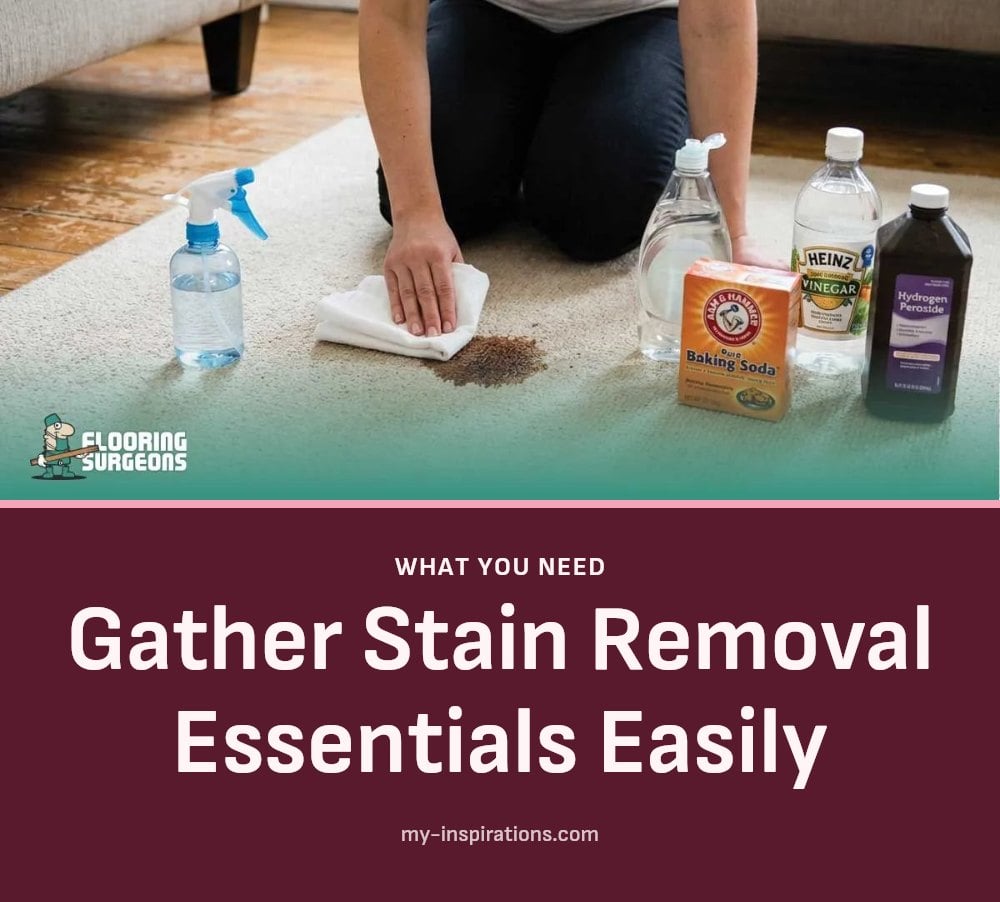
To tackle deodorant stains effectively, keep these items on hand:
- Rubbing alcohol: dissolves fresh white streaks.
- White vinegar: breaks down mineral deposits in yellow stains.
- Baking soda: lifts and absorbs stains when mixed with water.
- Hydrogen peroxide: mild bleach, best used on white or light-colored fabrics.
- Dish soap: cuts through greasy components.
- Soft brush or cloth: for gentle application.
Effective Methods for White Streaks on Dark Clothes
When you spot white streaks on your dark clothes, act fast. My go-to for fresh marks is a dry sponge or a nylon stocking. Rub the streak gently, and the residue often lifts right off. A dryer sheet works too, and it can add a bit of static relief.
For streaks that have been there a while, reach for rubbing alcohol. Dab a clean cloth with alcohol and blot the stain, working from the outside in. This dissolves the deodorant ingredients without spreading them further.
Caution: avoid vigorous rubbing. Aggressive scrubbing pushes the deodorant deeper into the fabric, making the stain harder to remove. Use light, repeated dabs instead of scrubbing circles.
If the streak is still visible after a few dabs, let the alcohol sit for a minute, then blot again. Rinse the area with cold water and air dry before checking if the stain is gone.
Proven Techniques for Yellow Stains on White Garments
Proven Techniques for Yellow Stains on White Garments
Yellow stains on white clothes need a different approach than white streaks. Start with a soak in white vinegar. Fill a basin with enough white vinegar to cover the stained area and let the garment sit for 30-60 minutes. The acid breaks down the aluminum salts that cause the yellowing.
For set-in stains, make a baking soda paste. Mix baking soda with a small amount of water until it forms a thick paste. Apply it directly to the stain and let it sit for several hours, then rinse and wash as usual. The alkaline baking soda lifts and absorbs the discoloration.
For stubborn yellowing, try a hydrogen peroxide mixture. Combine one part hydrogen peroxide with one part baking soda and enough water to make a paste. Apply it to the stain and let it work for 30 minutes before rinsing. Hydrogen peroxide is a mild bleach safe for white fabrics.
Caution: Never use chlorine bleach on yellow deodorant stains. It reacts with the aluminum salts and can make the stain permanent or even darker.
Common Deodorant Stain Removal Mistakes to Avoid
Common Deodorant Stain Removal Mistakes to Avoid
Ignoring the stain: Washing and drying the garment as usual sets the stain, making it much harder to remove later.
Using chlorine bleach on yellow stains: This worsens yellowing by reacting with aluminum salts, often making the stain permanent.
Rubbing white streaks aggressively: Vigorous rubbing pushes the deodorant residue deeper into the fabric fibers instead of lifting it out.
Skipping the patch test: Not testing a stain remover on an inconspicuous area first can lead to fabric damage or discoloration that ruins the garment.
Top Tips for Tackling Deodorant Stains
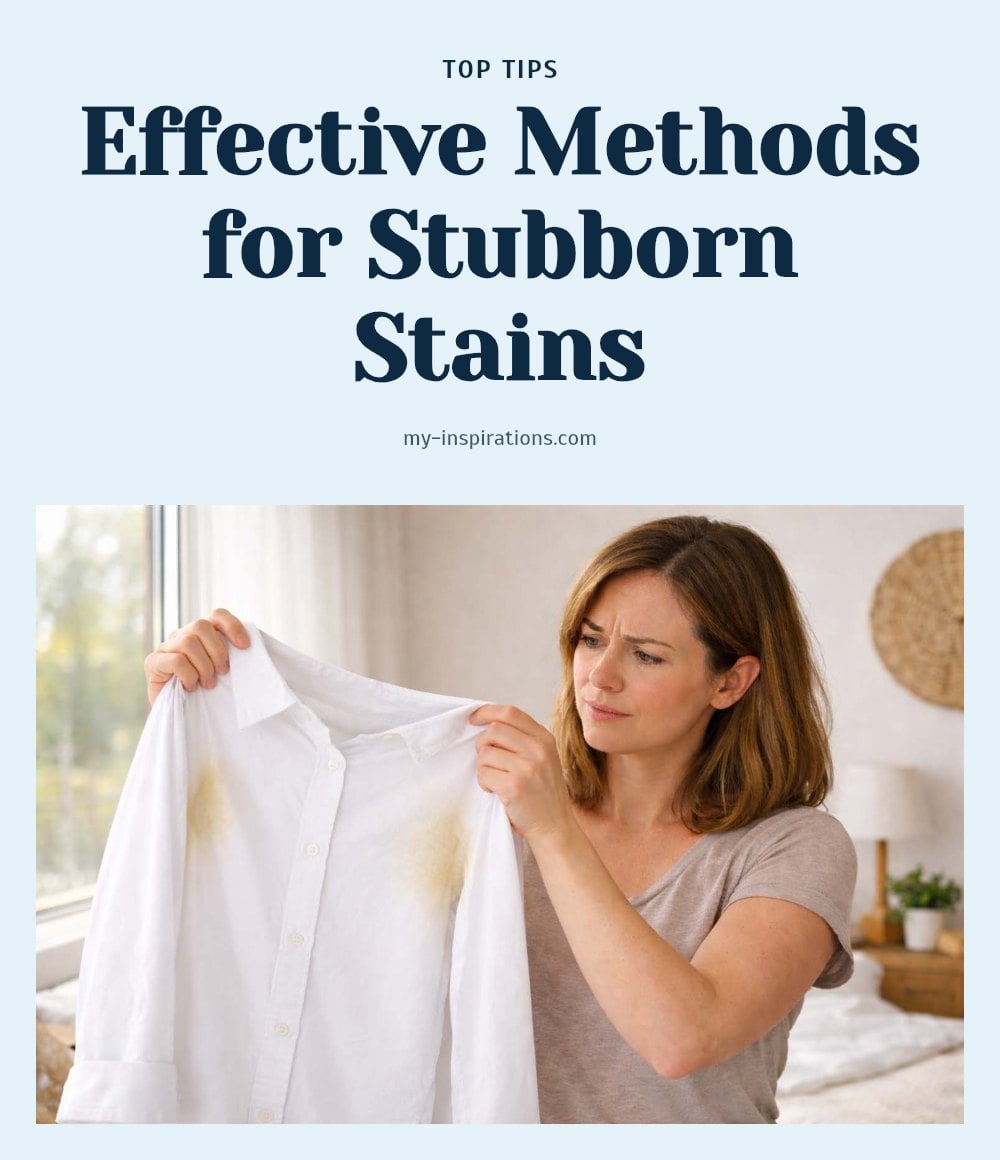
Treat stains as soon as you notice them for the best chance of complete removal. My tip: always test any solution on an inconspicuous area first, like an inside seam, to check for damage or discoloration. Rinse the fabric thoroughly after applying any stain remover to remove all chemicals. Air dry the garment after treatment to confirm the stain is gone before you put it in the dryer, since heat can set remaining residue. Caution: Wear gloves when handling strong cleaning agents like hydrogen peroxide or concentrated vinegar to protect your skin.
How to Prevent Deodorant Stains in the Future
How to Prevent Deodorant Stains in the Future
Prevention starts with your routine. Allow your antiperspirant to dry completely before you put on your clothes, which takes about 30-60 seconds. If yellow stains are a recurring problem, consider switching to an aluminum-free deodorant. Apply less product to minimize excess residue that can transfer to fabric. For a simple barrier, wear an undershirt between your skin and outer clothing.
Frequently Asked Questions
Can old deodorant stains be removed?
Yes, but it gets harder the longer a stain sits, especially yellow ones. Set-in stains may require multiple treatments, and results are not guaranteed. Start with a vinegar soak, then try a baking soda paste, and always air dry between attempts. If the stain persists, consider a professional cleaner, especially for delicate fabrics.
Is it safe to use hydrogen peroxide on colored clothes?
Hydrogen peroxide is a mild bleaching agent, so it can lighten colored fabrics. It’s best used only on white or light-colored garments. Always test it on an inconspicuous area first, like an inside seam, to see if the color changes. If you’re unsure, stick to vinegar or baking soda for colored items.
Why does chlorine bleach make deodorant stains worse?
Chlorine bleach reacts with the aluminum salts in antiperspirant residue, which can actually darken the stain or make it more permanent. Instead of removing the yellowing, it can set it further into the fabric. For yellow deodorant stains, use acidic solutions like white vinegar or a hydrogen peroxide mixture, not bleach.
How can I prevent deodorant stains from forming?
Let your antiperspirant dry completely before getting dressed, which usually takes about 30-60 seconds. If yellow stains are a recurring issue, consider switching to an aluminum-free deodorant. Also, applying less product can reduce residue transfer. These simple changes can significantly cut down on future stains.
What causes yellow deodorant stains on white shirts?
Yellow stains are caused by a chemical reaction between the aluminum in antiperspirants and your sweat. Over time, this mixture oxidizes and turns yellow. The longer it sits, the more it sets into the fabric. That’s why prompt treatment is so important for white garments.
Final Thoughts
For most deodorant stains, the key is to act quickly. My tip: keep a dry sponge or nylon stocking in your laundry area so you can tackle fresh white streaks the moment you spot them. For yellow stains, a vinegar soak followed by a baking soda paste will handle most cases, but don’t expect miracles on very old, set-in stains; those may need repeated treatments or professional help. With prompt attention, you can keep your clothes looking clean and extend their life.