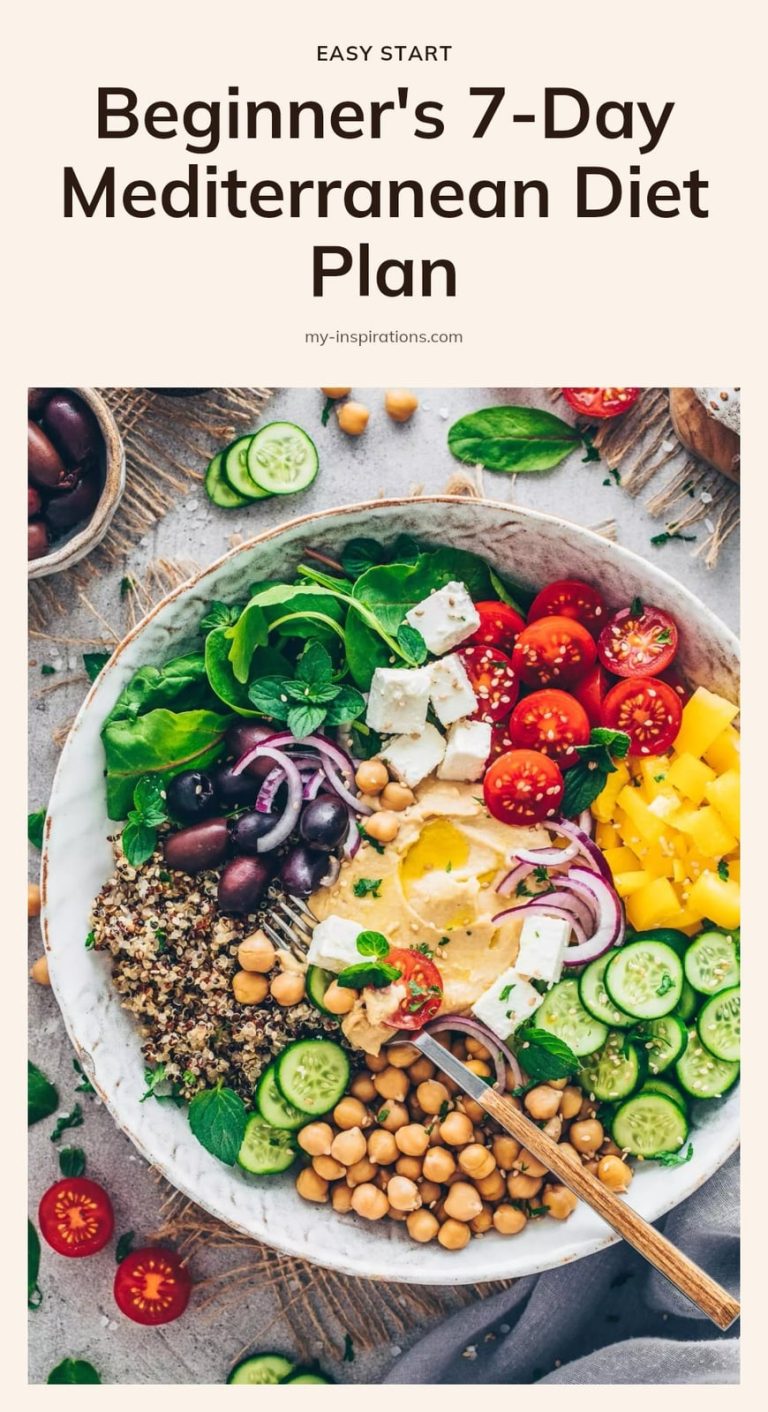
How to Follow the Mediterranean Diet: Your 7-Day Beginner Plan
Learn how to follow the Mediterranean diet with our practical 7-day plan for beginners, focusing on delicious, whole foods for better health and well-being.

You’ve heard the Mediterranean diet is one of the healthiest ways to eat, but you might be wondering how to actually start it. This article breaks down exactly what to buy, what to cook in your first week, and the common mistakes to avoid so you can make this flexible, whole-foods lifestyle work for you.
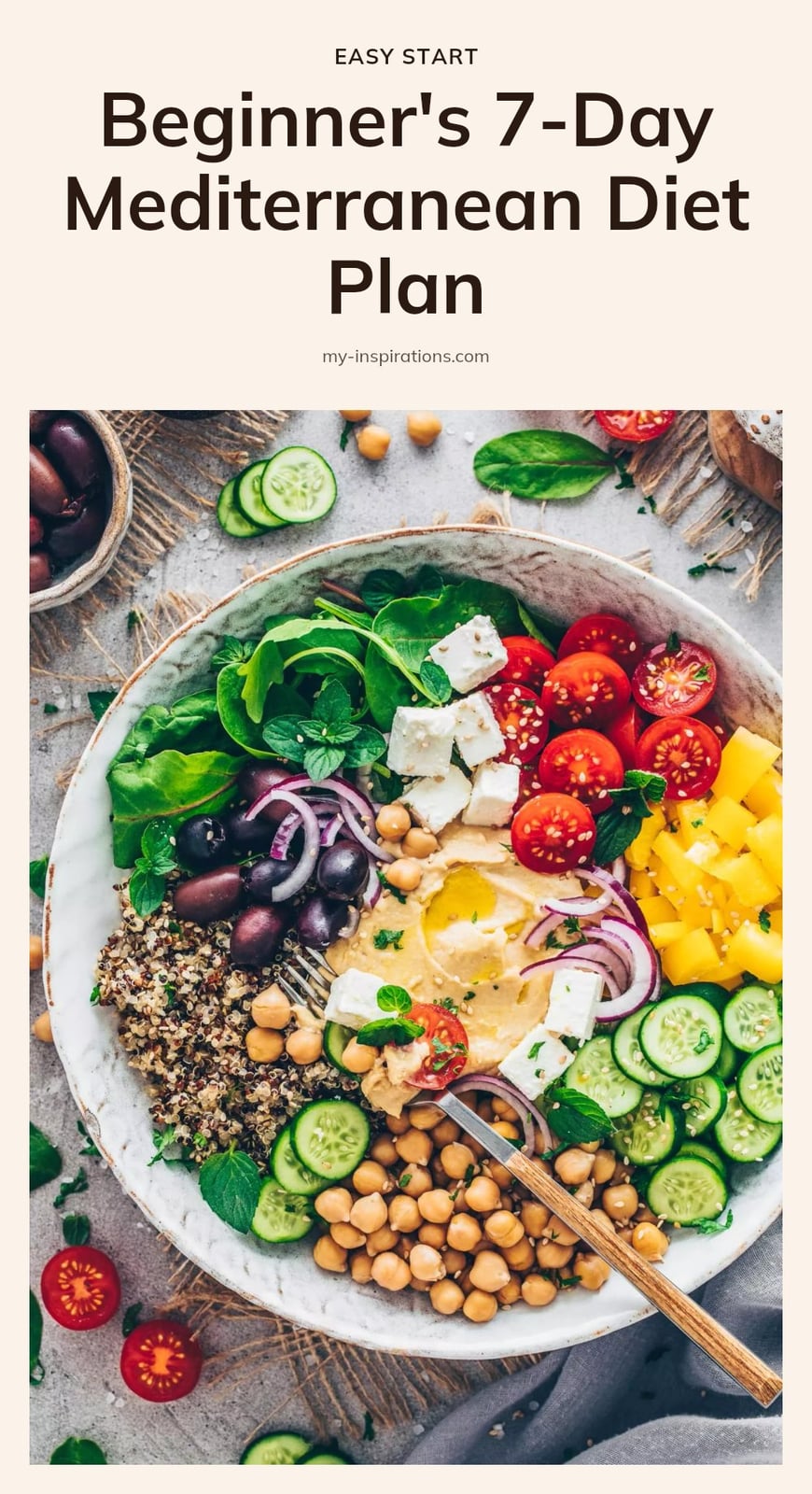
Key Takeaways
- Focus on daily fruits, vegetables, whole grains, legumes, nuts, and olive oil as your main fat.
- Eat fish or seafood at least twice a week and limit red meat to occasional servings.
- Water is your primary beverage; red wine is optional and only in moderation with meals.
- This is a flexible long-term lifestyle, not a restrictive or calorie-counting diet.
- Pair your eating with regular physical activity and shared meals for the full benefit.
What Exactly Is the Mediterranean Diet?
The Mediterranean diet is a flexible eating pattern inspired by the traditional cuisines of countries bordering the Mediterranean Sea. It emphasizes daily consumption of fruits, vegetables, whole grains, legumes, nuts, seeds, and healthy fats like olive oil. Fish and seafood are eaten at least twice a week, while poultry, eggs, and dairy are consumed in moderation. Red meat, processed foods, and sweets are limited to occasional consumption, making it a sustainable long-term lifestyle rather than a restrictive diet.
Your Mediterranean Diet Shopping List
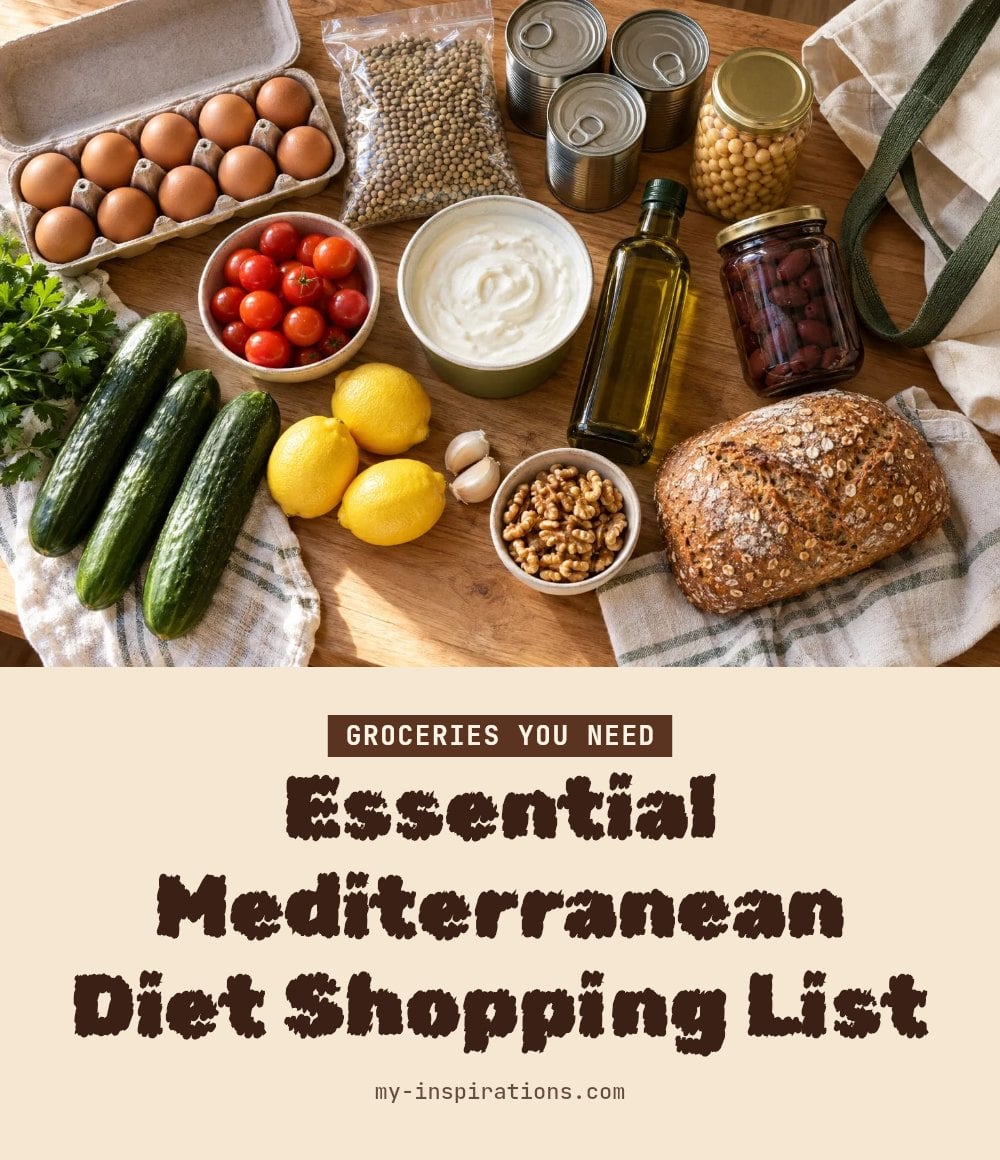
Start your Mediterranean kitchen with these essentials:
- Fresh fruits and vegetables: Stock a variety for daily meals and snacks, such as leafy greens, tomatoes, citrus, and berries.
- Whole grains: Choose oats, brown rice, quinoa, and whole-wheat bread and pasta over refined options.
- Extra virgin olive oil: Use this as your primary cooking oil and for dressings.
- Legumes, nuts, and seeds: Lentils, chickpeas, beans, almonds, and chia seeds provide protein and healthy fats.
- Fish and seafood: Include options like salmon, sardines, or shrimp for at least two meals a week.
- Poultry and eggs: Keep these for moderate consumption, a few times weekly.
- Herbs and spices: Flavor dishes naturally with garlic, oregano, basil, and cumin instead of salt.
Your 7-Day Mediterranean Diet Meal Plan
This 7-day meal plan focuses on daily fruits, vegetables, whole grains, and healthy fats, with fish twice and poultry and dairy in moderation. Drink plenty of water, and feel free to swap meals based on what’s in season.
| Day | Breakfast | Lunch | Dinner |
|---|---|---|---|
| Monday | Oatmeal with berries and walnuts | Lentil soup with whole-wheat bread | Grilled salmon with quinoa and roasted vegetables |
| Tuesday | Overnight oats with chia seeds and sliced peaches | Mediterranean chickpea salad (cucumber, tomato, olives) | Whole-wheat pasta with marinara sauce and a side salad |
| Wednesday | Scrambled eggs with spinach and whole-grain toast | Hummus and vegetable wrap in a whole-wheat tortilla | Baked chicken breast with lemon, olive oil, and roasted potatoes |
| Thursday | Smoothie with spinach, banana, and almond milk | Tuna salad (with olive oil and lemon) over mixed greens | Vegetable and bean stew with a side of brown rice |
| Friday | Whole-grain toast with avocado and a poached egg | Quinoa bowl with chickpeas, roasted peppers, and tahini dressing | Grilled shrimp skewers with couscous and grilled zucchini |
| Saturday | Overnight oats with chia seeds and sliced peaches | Lentil and roasted pepper salad with whole-wheat crackers | Baked cod with olive oil, garlic, and steamed broccoli |
| Sunday | Scrambled eggs with mushrooms and onions | Leftover baked cod over a bed of arugula with lemon vinaigrette | Roasted chicken thighs with rosemary, roasted carrots, and farro |
Common Mediterranean Diet Missteps to Avoid
- Thinking it’s a restrictive diet: This is a flexible lifestyle, not a strict calorie-counting regimen. You don’t need to eliminate entire food groups.
- Overlooking plant-based variety: Don’t focus only on olive oil and wine. Embrace a wide array of fruits, vegetables, and whole grains for balanced nutrition.
- Failing to limit processed foods: The diet centers on whole, unprocessed foods. Minimize sugary drinks, refined grains, and packaged snacks.
- Ignoring the lifestyle aspects: Physical activity and enjoying meals with others are integral to the Mediterranean approach. Make time for both.
- Believing all Mediterranean cuisines are identical: Regional variations exist. Adapt the principles to your local produce and preferences.
Smart Tips for Embracing the Mediterranean Lifestyle

Adopting the Mediterranean diet is about more than just swapping ingredients. It is a lifestyle shift that includes how you cook, move, and connect with others.
- Cook at home more often: Preparing your own meals gives you full control over ingredients and portion sizes. You can choose extra virgin olive oil, adjust salt levels, and skip the hidden sugars found in restaurant dishes.
- Flavor with herbs and spices: Fresh or dried basil, oregano, rosemary, garlic, and onions add depth without relying on salt. My tip: keep a jar of dried oregano and a head of garlic on your counter for quick flavor.
- Make water your primary beverage: Water supports digestion and keeps you hydrated. If you already drink alcohol, red wine in moderation with meals can fit the pattern, but do not start drinking for health reasons.
- Prioritize physical activity: Even short daily walks contribute to the lifestyle. Aim for 20 to 30 minutes of movement most days to complement your eating habits.
- Enjoy meals with others: Sharing a meal slows down eating and strengthens social bonds, both of which are core to the Mediterranean approach.
- Plan your meals and snacks: A quick weekly plan prevents last-minute unhealthy choices. Prep chopped vegetables or cooked grains in advance so you always have a base for meals.
Understanding the Health Benefits of This Eating Pattern
Understanding the Health Benefits of This Eating Pattern
The Mediterranean diet is widely recognized for its health advantages. Research strongly links it to a reduced risk of heart disease, stroke, and type 2 diabetes. The pattern is rich in antioxidants and anti-inflammatory compounds from fruits, vegetables, and olive oil, which may help protect against certain cancers.
Because the diet focuses on whole, nutrient-dense foods, it naturally supports weight management without restrictive calorie counting. You fill up on fiber from vegetables, legumes, and whole grains, which promotes satiety and steady energy. This sustainable approach encourages a balanced intake of essential nutrients, supporting long-term health without the cycle of fad diets.
When to Talk to a Healthcare Professional
While the Mediterranean diet is flexible and generally safe, some situations call for professional guidance.
- Before making significant dietary changes: Always consult your doctor or a registered dietitian, especially if you have pre-existing conditions such as diabetes, heart disease, or kidney issues. They can help you adjust the plan to your needs.
- If you have specific dietary restrictions or allergies: A professional can adapt the Mediterranean diet to fit your individual requirements, whether you need gluten-free grains or alternatives for nut allergies.
- For personalized guidance on nutrient intake: If you are concerned about getting enough protein, iron, or other nutrients when reducing meat, a dietitian can provide tailored advice.
- If you experience any adverse health reactions: Consult a professional if you feel unwell or have concerns after starting the diet. Better to check than to guess.
Frequently Asked Questions
Is the Mediterranean diet good for weight loss?
Yes, many people find it effective for weight loss because it emphasizes nutrient-dense, filling foods like vegetables, legumes, and healthy fats. It is not a calorie-counting diet, so you may naturally eat less when you focus on whole foods. For personalized weight goals, check with a healthcare professional.
Can I drink coffee on the Mediterranean diet?
Yes, coffee is fine in moderation on the Mediterranean diet. Water is the primary beverage, but a morning cup or two is common in many Mediterranean countries. Just avoid adding lots of sugar or heavy cream.
How much olive oil should I use daily?
There is no strict daily limit, but a common guideline is about 1 to 4 tablespoons per day, depending on your calorie needs. Use extra virgin olive oil for cooking, dressings, and drizzling over vegetables and grains. Adjust based on how your body feels.
What if I don’t like fish?
You can still follow the Mediterranean diet without fish. Focus on other protein sources like poultry, eggs, legumes, and dairy in moderation. You might also try mild-flavored fish like cod or salmon prepared with herbs to see if a different preparation changes your mind.
Is the Mediterranean diet expensive?
It can be affordable if you prioritize seasonal produce, canned or dried legumes, and bulk whole grains. Frozen fish and vegetables are budget-friendly options. You do not need expensive specialty items; the core foods are widely available.
Final Thoughts
To start, stock your kitchen with the staples from the shopping list and follow the 7-day meal plan as a guide. You can swap in seasonal produce or your favorite legumes without overthinking it. Remember that real results come from consistency over weeks and months, not perfection in a single day.
This article provides general information about the Mediterranean diet and is not a substitute for professional medical or dietary advice. If you have a health condition, are pregnant or nursing, or are taking medications, consult your doctor or a registered dietitian before making significant dietary changes.