
9 Simple Ways to Refresh Your Tired Eyes
Learn 10 simple, effective ways to refresh tired eyes, reduce strain, and alleviate discomfort from screen time and fatigue. Get relief today.

If your eyes feel heavy, dry, or just plain exhausted after a long day of screens, you’re not alone. Tired eyes are a common annoyance, but the good news is that a few simple tweaks can bring fast relief. In this article, I’m covering nine practical ways to refresh your eyes, from quick fixes you can do at your desk to longer-term habits that help prevent strain. You’ll also learn when it’s time to see a professional.

Key Takeaways
- Follow the 20-20-20 rule: every 20 minutes, look 20 feet away for 20 seconds.
- Use preservative-free lubricating drops if you need them more than a few times daily.
- Keep your screen about an arm’s length away and slightly below eye level.
- Blink consciously, especially during screen time, to keep eyes moist.
- See an eye care professional if symptoms persist or worsen.
Quick Fixes for Tired Eyes
Tired eyes, often called eye strain, can be quickly relieved with simple home remedies and a few lifestyle tweaks. Start by hydrating your eyes with lubricating drops, giving them a break from screens, and adjusting your environment to cut down on glare and dry air. A warm or cold compress can also bring fast comfort. Stick with these habits consistently, and you may notice lasting improvement over days or weeks.
1. Practice the 20-20-20 Rule

Every 20 minutes of screen time, look away at something about 20 feet away for 20 seconds. This gives your eye muscles a chance to relax and reduces the strain that comes from staring at close-up objects for too long.
My tip: Set a timer on your phone or use a break reminder app so you don’t forget these essential pauses during a busy workday.
- Pick a distant object, like a tree or a building across the street.
- Keep your eyes open and let them refocus naturally.
- Blink a few times to refresh your tear film.
2. Use Lubricating Eye Drops

Artificial tears or lubricating eye drops add moisture and give quick, temporary relief for dry, tired eyes. If you use them more than a few times a day, choose preservative-free options, since preservatives can irritate with frequent use.
Skip drops that claim to “get the red out” they can cause rebound redness over time.
My tip: Keep a bottle at your desk or by your bed so relief is always within reach when your eyes start to feel gritty or heavy.
3. Apply a Warm Compress

A warm compress can help stimulate tear production and relax the muscles around your eyes, making it especially helpful for dry eyes. Soak a clean washcloth in warm, not hot, water, wring it out, and place it over your closed eyelids for 5 to 10 minutes.
The gentle heat also helps clear blocked oil glands along your lash line, which improves the quality of your tears.
- Test the temperature on your wrist first to avoid burns.
- Rewarm the cloth if it cools down during the session.
- Use a fresh cloth each time to keep things clean.
4. Try a Cold Compress

A cold compress can reduce puffiness and soothe tired eyes by constricting blood vessels, which offers quick refreshment. Use a clean cloth soaked in cold water, or chilled gel eye masks, for about 5 minutes. Tip: Keep a couple of gel eye masks in the fridge for an instant cooling sensation when your eyes feel heavy or puffy.
5. Ensure Adequate Sleep
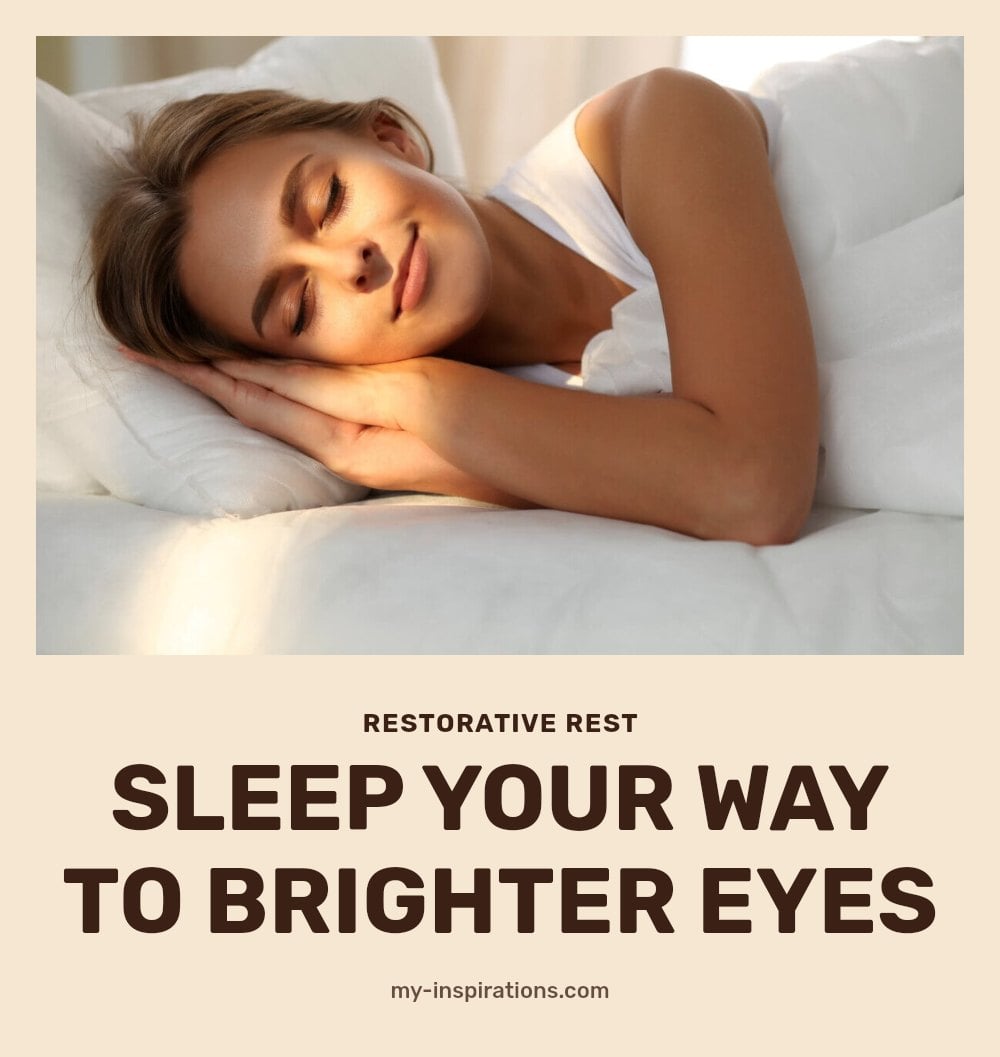
Getting 7-9 hours of quality sleep each night is crucial for your eyes to rest and recover fully. Lack of sleep is a primary contributor to tired eyes, dark circles, and overall eye fatigue because your eyes don’t get enough time to repair and replenish moisture. Good to know: Establish a consistent sleep schedule and create a dark, quiet environment to optimize your rest and wake up with more refreshed eyes.
6. Stay Well-Hydrated
Dehydration can significantly contribute to dry and tired eyes, making proper water intake essential for overall eye comfort. Aim to drink plenty of water throughout the day to support your body’s hydration, including the thin layer of tears that keeps your eyes moist. Pro move: Carry a reusable water bottle and sip regularly to ensure you’re meeting your hydration goals without having to think about it.
7. Adjust Screen Settings and Ergonomics
Adjusting screen brightness and contrast to match your surrounding light can significantly reduce eye strain by preventing your eyes from working harder than necessary. Position your computer screen about an arm’s length away (20-24 inches) and slightly below eye level for optimal viewing comfort. Quick tip: Reduce blue light emission from your devices, especially in the evening, using built-in settings or apps to help ease eye fatigue before bed.
8. Blink More Often
When you focus on a screen or a book, your blink rate can drop by half, leaving your eyes dry and tired. Blinking spreads a fresh layer of tears across the surface of your eye, which keeps it moist and comfortable.
Make a habit of blinking fully and slowly, especially during visually demanding tasks. A good full blink takes about half a second, and it re-wets the entire eye surface.
Tip: If you catch yourself staring, pause and do 10 slow, deliberate blinks. It takes less than 30 seconds and can make a noticeable difference.
9. Gentle Eye Massage
Gently massage your temples and eyelids: This improves blood circulation and relieves tension around your eyes. Using clean fingertips, apply light, circular pressure to your temples for about 30 seconds. Then, gently press and roll your fingertips along your upper and lower eyelids, moving from the inner corner outward. Repeat for a minute or two total. This simple action can soothe strained muscles and promote relaxation.
- Tip: Keep your eyes closed during the massage and avoid pressing directly on the eyeball.
- Caution: Stop if you feel any pain or discomfort, and consult an eye care professional if symptoms persist.
When to Consult an Eye Care Professional
If your tired eye symptoms persist, worsen, or are accompanied by pain, vision changes, or discharge, it is time to see a doctor. These signs may point to a more serious underlying condition that needs professional diagnosis and treatment. Do not try to self-treat when symptoms go beyond simple discomfort. Always consult an eye care professional if you have any concerns about your eye health. They can provide the right guidance and rule out issues like infection or uncorrected vision problems.
Frequently Asked Questions
How long does it take for tired eyes to recover?
Simple remedies like lubricating drops or a cool compress can bring relief within minutes to an hour. For lasting improvement, consistent habits such as the 20-20-20 rule, better sleep, and staying hydrated usually show results over days or weeks. If symptoms don’t ease after a week of consistent care, consider seeing an eye care professional.
Can dehydration cause tired eyes?
Yes, dehydration can contribute to dry and tired eyes. Your tears are mostly water, and when you’re low on fluids, your eyes may not stay properly moisturized. Drinking plenty of water throughout the day supports tear production and overall eye comfort, so it’s a simple habit worth keeping.
Are blue light glasses effective for tired eyes?
Evidence is mixed. Some people find blue light filtering glasses reduce discomfort during long screen sessions, but the strain often comes from focusing and reduced blinking rather than blue light itself. If you try them, pair them with the 20-20-20 rule and proper screen ergonomics for better results.
What is the best type of eye drop for tired eyes?
For most people, lubricating eye drops, also called artificial tears, work best. If you need them more than a few times a day, choose preservative-free options to avoid irritation. Avoid drops marketed to “get the red out,” as they can cause rebound redness with frequent use.
Is it normal for my eyes to feel tired every day?
It’s common if you spend long hours on screens or in dry environments, but it’s not something you should just accept. Daily tired eyes often point to fixable habits like poor blinking, dehydration, or an outdated prescription. If daily fatigue persists despite changes, or comes with pain or vision changes, see an eye care professional.
Final Thoughts
My tip: pick one habit to start with, like setting a timer for the 20-20-20 rule, and build from there. Most people feel some relief within minutes of using a warm or cold compress or lubricating drops, but consistent changes like better sleep and hydration make the biggest difference over days or weeks. Don’t expect a single fix to erase all strain, especially if you’re on screens all day.
If your eyes still feel tired after a week of these adjustments, or if pain or vision changes show up, it’s time to talk to an eye care professional. Your eyes work hard, so give them the breaks they deserve.
This article is for general informational purposes only and is not a substitute for professional medical advice. If you have persistent, worsening, or severe eye symptoms, including pain, vision changes, or discharge, please consult an eye care professional. Always wash your hands before touching your eyes and use clean materials for compresses.