Nervous System Reset: 10 Simple Ways to Feel Calm
Feeling overwhelmed? Learn 10 simple, science-backed ways to calm your nervous system, reduce stress, and find your inner peace. Start feeling better today!

Feeling constantly on edge, overwhelmed, or anxious is a sign that your nervous system might be stuck in ‘fight or flight’ mode. This article shares 10 simple, practical ways to help you shift into a calmer ‘rest and digest’ state, from breathing techniques to lifestyle tweaks. These are gentle, everyday actions you can start using right away to support your well-being.
Key Takeaways
- Practice deep diaphragmatic breathing daily to activate your parasympathetic nervous system.
- Stimulate your vagus nerve with humming, gargling, or cold water splashes.
- Move your body regularly, even with a brisk walk, to process stress hormones.
- Prioritize 7-9 hours of quality sleep each night for nervous system repair.
- Seek professional help if anxiety or stress feels persistent or severe.
What Does ‘Nervous System Reset’ Really Mean?
When you hear about a nervous system reset, it means shifting your body from a constant ‘fight or flight’ state, driven by your sympathetic nervous system, into a ‘rest and digest’ state, led by your parasympathetic nervous system. This isn’t about a single dramatic moment. It’s about consciously engaging in practices that tell your body it’s safe, helping to lower stress hormones and improve your overall well-being. Consistency matters more than intensity. Building these habits over time creates resilience and brings balance back to your internal state.
1. Practice Deep Diaphragmatic Breathing
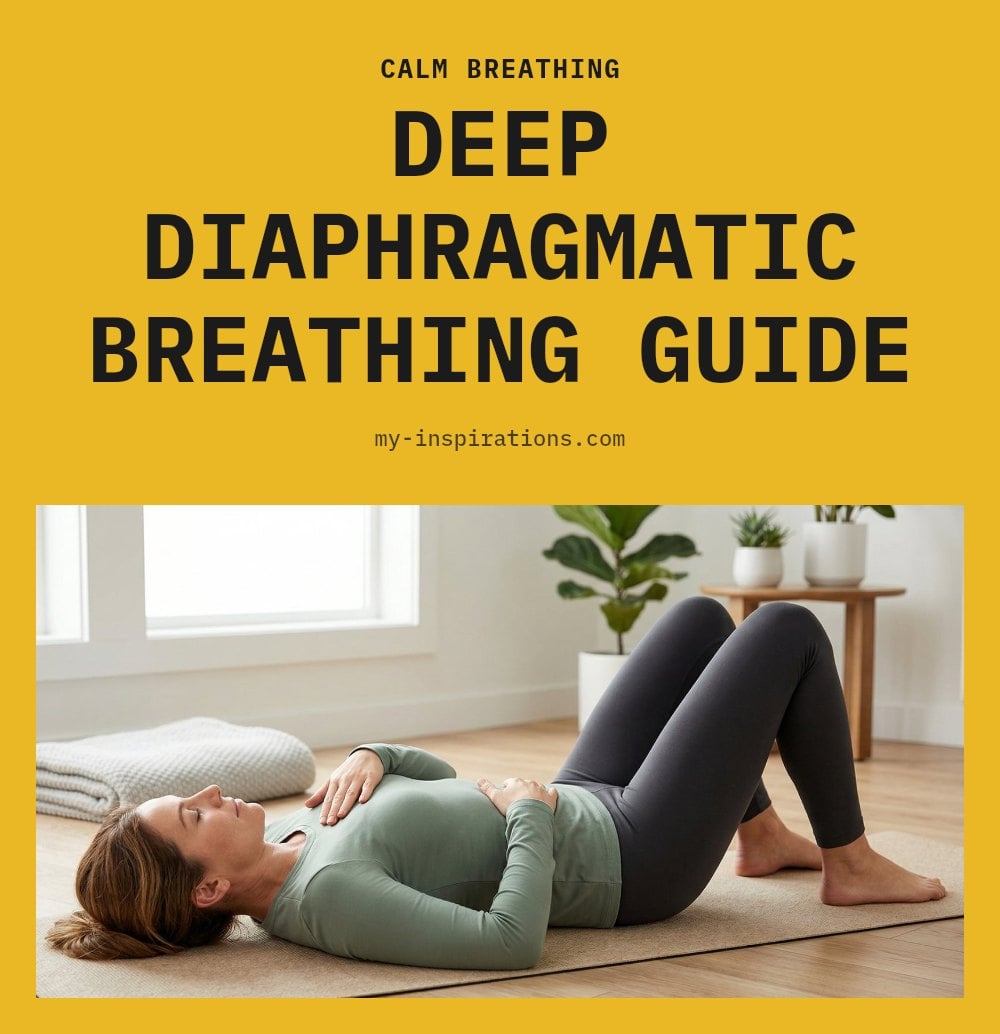
Deep diaphragmatic breathing is one of the most direct ways to activate your parasympathetic nervous system. Slow, deep belly breaths signal to your body that it’s safe to relax, turning down the stress response.
My tip: Place one hand on your chest and one on your belly. As you inhale, focus on expanding your belly, not your chest. Aim for a few minutes daily; even just 2-3 minutes can make a difference.
2. Engage Your Vagus Nerve
The vagus nerve is a major player in your ‘rest and digest’ system. Stimulating it can help calm you down quickly.
Try humming loudly, gargling with water, or splashing cold water on your face. These actions can activate the vagus nerve and shift you toward relaxation.
My tip: Keep a small spray bottle of cold water in your fridge for a quick face mist when you feel overwhelmed.
3. Move Your Body Regularly
Regular physical activity helps process stress hormones, releases endorphins, and can be a powerful way to discharge pent-up tension. It doesn’t have to be intense; a brisk walk, dancing, or gentle yoga can be incredibly effective.
The key is consistency and finding movement you genuinely enjoy, making it easier to stick with. Even 10 minutes a day can help regulate your nervous system.
4. Prioritize Quality Sleep
Adequate sleep is non-negotiable for nervous system repair and regulation. Your body truly resets during deep sleep, processing stress hormones and restoring balance. Aim for 7-9 hours of quality sleep each night.
Create a consistent bedtime routine to signal to your body it’s time to wind down. Tip: Avoid screens an hour before bed and try a warm bath or herbal tea to relax. This routine helps lower your heart rate and prepare your nervous system for rest.
5. Spend Time in Nature
Spending time outdoors, often called ‘forest bathing,’ has been shown to reduce stress hormones like cortisol and improve mood. Even a short walk in a park or sitting by a window with a view of greenery can be beneficial.
The gentle sounds, sights, and smells of nature are incredibly grounding for an overactive nervous system. Pro move: Leave your phone behind and focus on the breeze, birds, or leaves to fully absorb the calming effect.
6. Practice Mindfulness and Meditation
Mindfulness isn’t about clearing your mind; it’s about observing your thoughts and sensations without judgment. This practice helps you become more aware of your body’s stress signals and respond calmly instead of reacting.
Regular meditation, even just 5-10 minutes a day, can make a difference. Try a guided meditation app or a simple body scan to bring your attention to the present moment. Tip: Start with a short body scan, noticing tension in your shoulders or jaw, and consciously release it.
7. Connect with Loved Ones
Positive social connection is a powerful buffer against stress and can release oxytocin, a ‘cuddle hormone’ that promotes calm. Make time for meaningful interactions with supportive friends and family, whether in person, by phone, or video call.
Good to know: Even a quick check-in can remind your nervous system that you’re not alone and you’re safe. Focus on quality over quantity; a genuine 10-minute conversation often beats a long, distracted one.
8. Try Progressive Muscle Relaxation
Progressive muscle relaxation (PMR) works by having you consciously tense and then release each muscle group. This builds body awareness so you can spot where you hold stress and intentionally let it go.
Start with your toes: Curl them tightly for 5-10 seconds, then fully release. Wait a few seconds and notice the difference. Work your way up through your feet, calves, thighs, stomach, chest, hands, arms, shoulders, neck, and face. Hold each tension for 5-10 seconds before releasing and relaxing for 10-15 seconds before moving to the next group.
9. Hydrate and Nourish Your Body
Your nervous system relies on steady hydration and balanced nutrition to function properly. Even mild dehydration can ramp up stress hormones, while caffeine and sugar may overstimulate an already taxed system.
Drink water consistently throughout the day rather than gulping large amounts at once. Focus on whole, unprocessed foods like vegetables, fruits, lean proteins, and healthy fats. Limit caffeine to morning hours and cut back on added sugars.
Pro move: Keep a reusable water bottle on your desk or in your bag so you see it regularly and remember to sip.
When to Seek Professional Help
These daily practices support your nervous system, but they are not a substitute for medical care. If you experience persistent or severe anxiety, panic attacks, chronic overwhelm, or depression, reach out to a healthcare professional.
A doctor or therapist can assess your situation, provide an accurate diagnosis, and recommend treatment options tailored to you. They can also help you develop coping strategies that work alongside the techniques in this article.
Frequently Asked Questions
How long does it take to regulate the nervous system?
Many people notice benefits within a few weeks of consistent practice, but there’s no set timeline. It depends on your unique body, stress levels, and how regularly you use these techniques. The goal is to build a daily habit, not to expect instant results. Be patient and kind to yourself as you find what works for you.
Can diet impact my nervous system?
Yes, your nervous system relies on balanced nutrition and steady hydration to function well. Even mild dehydration can increase stress hormones, and too much caffeine or sugar may overstimulate you. Focus on eating regular, nourishing meals and drinking water throughout the day to support your overall calm.
What is the vagus nerve and how does it help?
The vagus nerve is a major component of your parasympathetic nervous system, which controls ‘rest and digest’ functions. Stimulating it through activities like humming, gargling, or splashing cold water on your face can help activate your relaxation response, lowering your heart rate and promoting a sense of calm.
Is it normal to feel worse before feeling better?
Some people do feel a bit off when they first start paying attention to their stress levels. As you become more aware of your body’s signals, you might notice tension you’d been ignoring. This is a normal part of the process. If you feel significantly worse or symptoms persist, consider talking to a healthcare professional.
Final Thoughts
The key to a nervous system reset is consistency, not intensity. Pick one or two techniques from this list that feel manageable, and practice them daily. You may notice improvements in your sense of calm within a few weeks of regular effort. Remember, these are supportive practices, not a replacement for medical care, so if you’re struggling, please reach out to a professional.
This article is for general informational purposes only and is not a substitute for professional medical advice. If you have a pre-existing health condition, such as a heart condition, or if you experience chronic or severe anxiety, panic attacks, or depression, please consult a qualified healthcare provider. These techniques are complementary and should not replace any prescribed treatment.