
How to Boost Hair Growth at Home: Simple Daily Habits
Learn simple daily habits and at-home methods to encourage healthier, stronger hair growth and improve your scalp health.

If you’ve been feeling like your hair growth has hit a plateau, you’re not alone. The truth is, while we can’t change our genetics, we can absolutely create the best possible environment for our hair to thrive. This article covers the simple daily habits that support your hair’s natural growth cycle, from nutrition and scalp care to gentle handling, so you can grow stronger, healthier strands right at home.
Think of it as a holistic approach: what you put in your body, how you treat your scalp, and how you handle your hair all work together. My tip: start with just one or two of these habits and build from there.
Key Takeaways
- Hair grows about 0.5 inches per month; noticeable changes take several months of consistency.
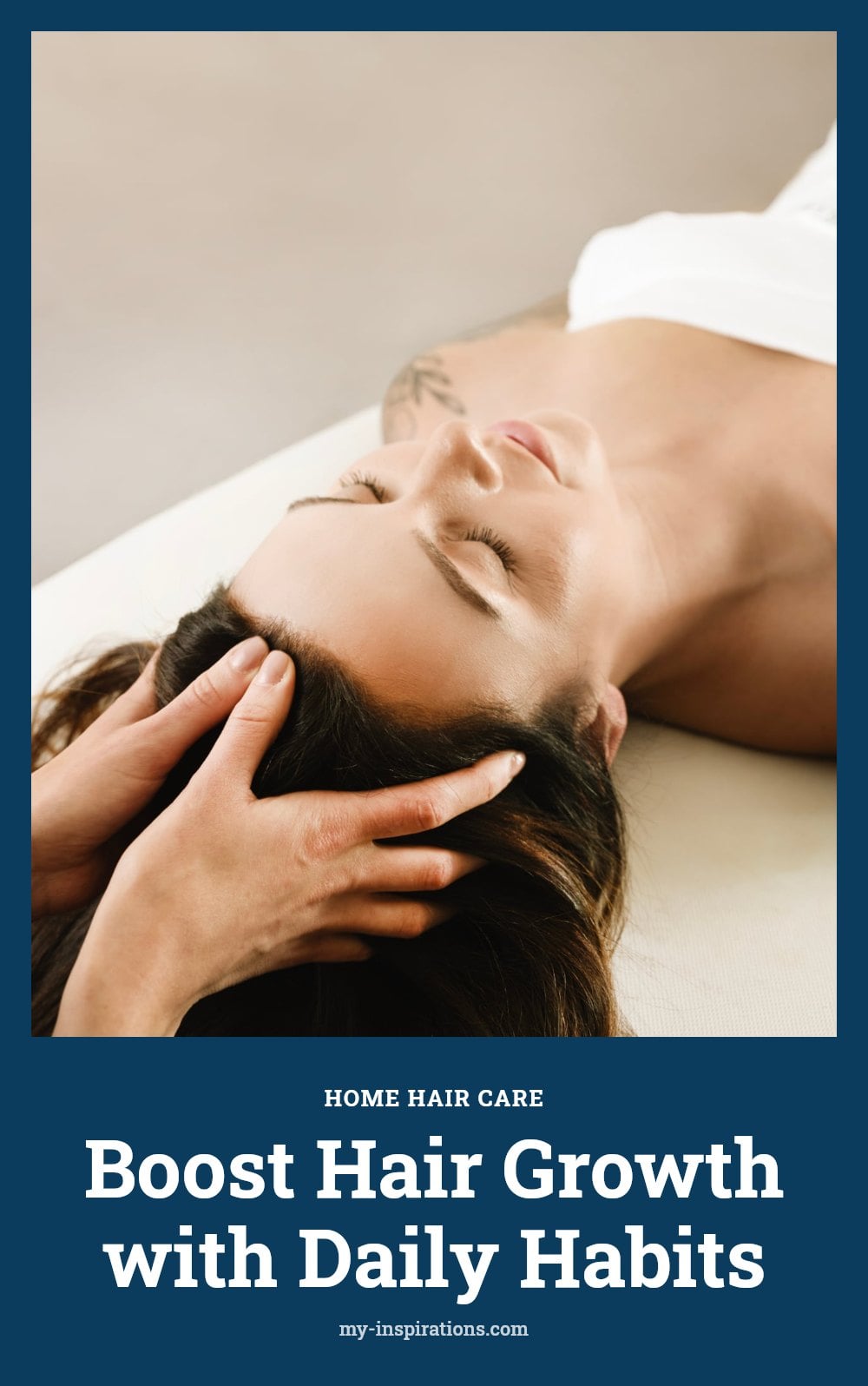
- Focus on scalp health with gentle cleansing and daily massage to stimulate circulation.
- Eat a balanced diet rich in protein, iron, zinc, and vitamins D and E for strong strands.
- Protect hair from heat, UV rays, and tight hairstyles to prevent breakage.
- If you experience sudden or significant hair loss, consult a doctor or dermatologist.
The Secret to Healthier Hair Growth
Hair growth is a natural cycle, but you can optimize it. The secret isn’t a magic product; it’s consistent care for your scalp, nourishment for your body, and gentle handling of your strands. Focus on scalp health, balanced nutrition, and protective habits. Consistency is key, and results take time, so stick with a routine and be patient.
Your Hair Growth Toolkit
Before you start, gather the basics that make gentle care possible.
- Gentle shampoo and conditioner: Look for sulfate-free formulas that clean without stripping natural oils.
- Wide-tooth comb: Use it on wet hair to detangle with minimal breakage.
- Carrier oils: Coconut, jojoba, or argan oil are for diluting essential oils and moisturizing the scalp.
- Nutrient-rich foods: Lean proteins, leafy greens, and whole grains support hair from the inside.
Daily Habits to Encourage Stronger Strands
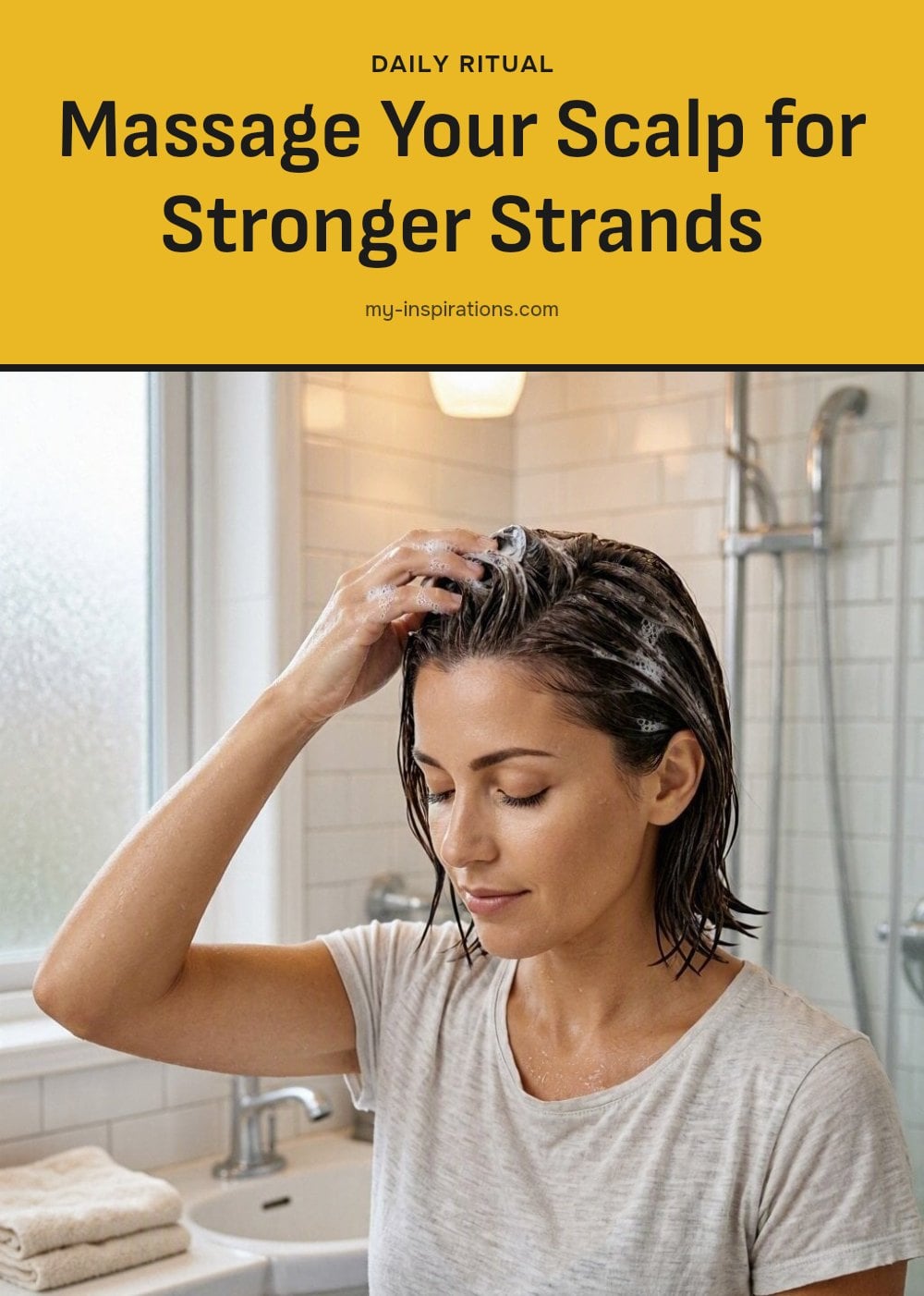
Build these habits into your routine to support stronger strands over time.
- Cleanse your scalp gently: Use a gentle shampoo 2-3 times a week to remove buildup without over-drying. Massage with your fingertips, not nails, to avoid irritation.
- Massage your scalp daily: Spend 2-3 minutes moving your fingers in small circles across your scalp. This can boost circulation, which may benefit follicles.
- Eat for hair health: Include protein at every meal, plus iron, zinc, and vitamins D and E from foods like eggs, nuts, and citrus. Stay hydrated, as water supports overall follicle health.
- Protect from damage: Air-dry when possible, and use heat tools on low settings with a heat protectant. Avoid tight ponytails or buns that pull on the roots.
- Manage stress: High stress can push follicles into a resting phase, leading to shedding. Try deep breathing, yoga, or a short walk to keep stress levels in check.
Targeted Treatments for Scalp and Hair
Beyond daily habits, targeted treatments can give your scalp extra attention.
Scalp massage
Regular massage, even 5 minutes a day, can stimulate blood flow to the scalp. Use your fingers or a soft silicone brush in circular motions.
Essential oils
Rosemary and peppermint oils are anecdotally used for hair growth, with some preliminary studies suggesting benefits. Always dilute them with a carrier oil, like jojoba or coconut, and patch test first.
Regular trims
Trimming every 8-12 weeks removes split ends, preventing them from traveling up the hair shaft. This keeps hair looking healthier and can help it appear longer.
Silk pillowcases
Swap cotton for silk or satin to reduce friction while you sleep. This can minimize breakage and frizz, especially for curly or textured hair.
Caution: Stop using any product that causes irritation, redness, or increased shedding.
Common Hair Growth Mistakes to Avoid
Mistake: Believing that frequent trims make hair grow faster. Trims only remove split ends; growth happens at the scalp. Mistake: Over-washing or under-washing your hair. Both can disrupt your scalp’s natural balance, leading to irritation or buildup. Mistake: Using harsh shampoos or styling products. These strip natural oils, leaving strands dry and brittle. Mistake: Ignoring your diet. Hair needs protein, vitamins, and minerals to grow strong. Mistake: Expecting instant results. Hair grows about half an inch per month, so consistency matters more than any quick fix. Mistake: Aggressive brushing or styling. Tight ponytails, rough detangling, and high heat cause mechanical damage and breakage.
When to Consult a Professional
If you notice sudden or significant hair loss, see a doctor to rule out medical conditions. Persistent thinning should be evaluated by a dermatologist, who can diagnose underlying issues like hormonal imbalances or scalp infections. For damage and care advice, a professional hair stylist can recommend gentler techniques and products. Do not self-diagnose or self-treat serious hair loss without expert guidance.
What to Expect: Timeline and Investment
Hair grows about 0.5 inches per month. Noticeable changes in thickness or length take several months of consistent care. Most methods here are low-cost, using items you may already have at home. Supplements or professional treatments, if recommended by a healthcare provider, can add to the expense. Patience and steady habits are your best investments.
Frequently Asked Questions
How long does it take to see new hair growth?
You can expect to see noticeable changes in hair health and length after several months of consistent effort. Since hair grows about 0.5 inches per month, it takes time for new growth to become visible. Keep up your routine, and you’ll start to see the payoff.
Can stress really cause hair loss?
Yes, stress can push hair follicles into a resting phase prematurely, leading to increased shedding known as telogen effluvium. This is usually temporary, and managing stress through practices like meditation or yoga can help minimize its impact on your hair.
Are hair growth supplements effective?
Supplements can help if you have a specific deficiency, such as low iron or vitamin D. However, they should only be taken under the guidance of a healthcare professional, as excessive intake of certain vitamins and minerals can be harmful. A balanced diet is always the first step.
What foods are best for hair health?
Focus on protein-rich foods like lean meats, eggs, and legumes, as protein is the building block of hair. Also include foods high in iron (spinach, lentils), zinc (nuts, seeds), and vitamins D and E (fatty fish, avocados) to support follicle function.
Does brushing hair stimulate growth?
Brushing alone does not stimulate growth, but gentle scalp massage can increase blood circulation, which may benefit hair follicles. Avoid aggressive brushing, especially on wet hair, as it can cause breakage. Use a wide-tooth comb to detangle wet hair instead.
Is it normal to shed a lot of hair daily?
It’s normal to shed 50 to 100 hairs a day as part of the natural hair growth cycle. If you notice a sudden increase in shedding or persistent thinning, it’s a good idea to consult a doctor or dermatologist to rule out underlying conditions.
Final Thoughts
Your best bet for encouraging hair growth is to treat your scalp and strands with consistent, gentle care while nourishing your body from the inside out. Realistically, you’ll need to stick with these habits for several months to see a difference, as hair grows at its own pace of about half an inch per month. The key is patience and making these practices a natural part of your routine, not a quick fix.
This article provides general information for educational purposes and is not a substitute for professional medical advice. If you are experiencing sudden or significant hair loss, persistent thinning, or scalp issues, consult a doctor, dermatologist, or other qualified healthcare professional for a proper evaluation and treatment plan.