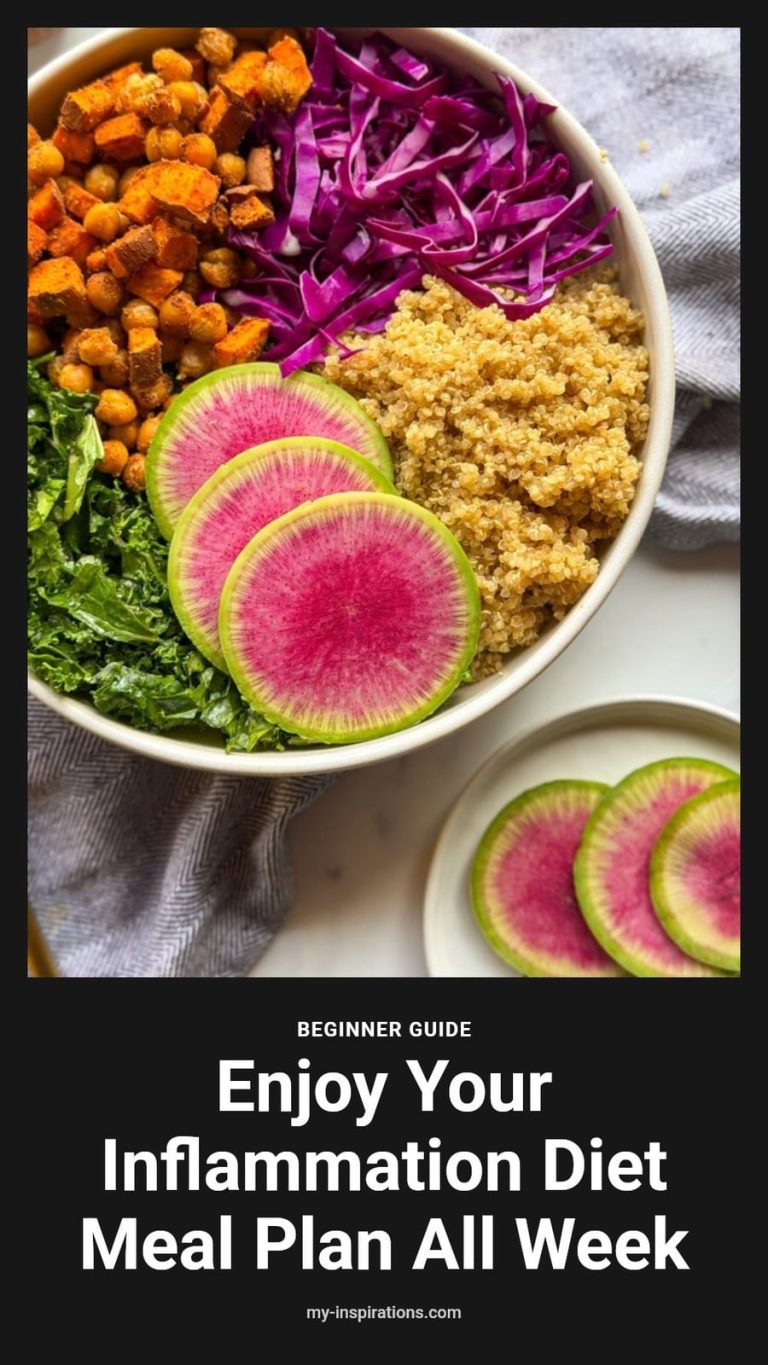
Your Comprehensive Inflammation Diet Meal Plan for a Week
Discover our inflammation diet meal plan for a week. Learn how to reduce inflammation with delicious, whole-food recipes and practical tips for lasting health.

Starting an anti-inflammatory diet can feel overwhelming, but it really comes down to filling your plate with whole, colorful foods and cutting back on processed ones. This article walks you through a simple 7-day meal plan, a shopping list, and common mistakes to avoid so you can make this eating pattern part of your everyday life.
Key Takeaways
- Focus on adding antioxidant-rich fruits and vegetables to every meal rather than just eliminating foods.
- Include omega-3 sources like fatty fish, walnuts, and flaxseeds at least a few times a week.
- Limit processed foods, refined sugars, and unhealthy trans fats to help reduce inflammation.
- Plan your meals and prep ingredients on the weekend to make sticking with the plan easier.
- Consistency over weeks and months matters more than perfection in any single day.
What is an Anti-Inflammatory Meal Plan?
An anti-inflammatory meal plan focuses on whole, unprocessed foods that are packed with antioxidants and omega-3 fatty acids. It naturally limits items known to promote inflammation, like refined sugars, processed foods, and unhealthy fats. Think of it as an eating pattern rather than a strict diet. Over time, this approach supports overall health and may help reduce chronic inflammation.
Your Anti-Inflammatory Shopping List

Stocking your kitchen with the right ingredients makes following an anti-inflammatory diet simple. Here is what to grab on your next grocery run.
- Fresh fruits: Berries, cherries, and oranges for antioxidants.
- Fresh vegetables: Leafy greens, broccoli, and bell peppers for a variety of nutrients.
- Whole grains: Oats, quinoa, and brown rice for fiber.
- Legumes: Lentils, beans, and chickpeas as plant-based protein.
- Fatty fish: Salmon, mackerel, and sardines for omega-3s.
- Healthy fats: Nuts, seeds, olive oil, and avocados.
- Herbs and spices: Turmeric, ginger, and garlic for anti-inflammatory effects.
Your 7-Day Anti-Inflammatory Meal Plan
This 7-day plan offers a balanced approach to anti-inflammatory eating. Each day includes breakfast, lunch, dinner, and optional snacks. Focus on variety and listen to your body’s hunger cues.
| Day | Breakfast | Lunch | Dinner | Snack Ideas |
|---|---|---|---|---|
| Monday | Oatmeal with berries and walnuts | Quinoa salad with chickpeas and bell peppers | Grilled salmon with steamed broccoli and brown rice | Apple slices with almond butter |
| Tuesday | Smoothie with spinach, banana, and flaxseeds | Lentil soup with a side of mixed greens | Stir-fried tofu with broccoli, ginger, and garlic | Handful of almonds |
| Wednesday | Scrambled eggs with sautéed spinach and avocado | Turkey and avocado wrap in a whole-grain tortilla | Baked mackerel with roasted sweet potatoes and kale | Orange slices |
| Thursday | Greek yogurt with cherries and chia seeds | Bean and vegetable chili with a side of quinoa | Grilled chicken with roasted bell peppers and brown rice | Carrot sticks with hummus |
| Friday | Whole-grain toast with avocado and a poached egg | Salmon salad with mixed greens, cucumber, and olive oil | Shrimp and vegetable skewers with a side of lentils | Mixed berries |
| Saturday | Overnight oats with chia seeds and mango | Quinoa bowl with black beans, corn, and avocado | Baked sardines with roasted asparagus and quinoa | Handful of walnuts |
| Sunday | Veggie omelet with a side of mixed fruit | Leftover baked sardines and quinoa | Grilled turkey burgers (no bun) with a large garden salad | Sliced pear with a few almonds |
Stay hydrated by drinking water throughout the day. Feel free to swap any meal for a similar option from another day. The key is consistency, not perfection.
Common Anti-Inflammatory Diet Mistakes to Avoid
Even with good intentions, it is easy to slip into habits that undermine your progress. Avoid these common mistakes.
- Expecting immediate results: This is a lifestyle change, not a quick fix. Give your body time to respond.
- Focusing solely on elimination: Prioritize adding beneficial foods rather than just cutting out others. A full plate of colorful vegetables does more than an empty one. That said, if you suspect a specific food triggers inflammation for you, a temporary elimination under professional guidance may help identify the cause.
- Ignoring food labels: Hidden sugars and unhealthy fats often lurk in packaged foods labeled “healthy.” Check ingredient lists carefully.
- Overcooking vegetables: Boiling until mushy reduces their nutrient content. Aim for lightly steamed or raw when possible.
- Not consulting a professional: Always talk to a doctor or dietitian before major dietary changes, especially if you have health conditions.
Practical Tips for Sticking to Your Plan

Weekend meal prep is the habit that makes this plan stick. Cook a batch of quinoa and brown rice, chop bell peppers and broccoli, and portion out nuts and berries into snack containers. You will grab the right thing when hunger hits instead of reaching for whatever is fastest.
Hydration matters more than you think. Water supports every system in your body, including the processes that manage inflammation. Keep a bottle on your desk and refill it through the day.
Pro move: Keep turmeric, ginger, and garlic within arm’s reach of the stove. A generous pinch of turmeric in scrambled eggs or a spoon of grated ginger in stir-fry adds anti-inflammatory power without extra effort.
Read labels on anything packaged, even things labeled healthy. Hidden sugars hide under names like cane syrup and corn syrup, and trans fats can appear as partially hydrogenated oil. Check ingredient lists for artificial additives too.
Finally, track how meals make you feel. Some people notice that dairy or nightshades bother them, even though those foods are generally anti-inflammatory. Your body is the best guide, so adjust based on your own reactions.
When to Consult a Healthcare Professional
Talk to a doctor or registered dietitian before changing your eating pattern if you have diabetes, heart disease, an autoimmune disorder, or any chronic condition. Pregnancy and breastfeeding also change your nutritional needs, so get personalized advice first.
Seek professional guidance if you notice adverse symptoms after starting the diet, like digestive trouble or persistent fatigue, or if you worry about nutrient gaps. A professional can help you adjust the plan safely.
Tip: Even without health concerns, a quick consultation is worth it if you want a plan tailored to your labs and lifestyle.
Frequently Asked Questions
Can an anti-inflammatory diet help with weight loss?
Many people find that following an anti-inflammatory diet naturally supports weight loss because it emphasizes whole, fiber-rich foods and limits processed options and added sugars. However, weight loss is not guaranteed and depends on your overall calorie intake and activity level. It is best viewed as a health-focused eating pattern, not a weight loss diet.
How quickly can I expect to see results from this diet?
Individual results vary, but some people notice changes in how they feel within a few weeks. Improvements in energy, digestion, or joint discomfort may appear gradually. For sustained benefits, consistent adherence over several months is important. If you have a specific health condition, talk to your doctor about what timeline might be realistic for you.
Are there any common anti-inflammatory foods I should avoid?
Even healthy foods can cause inflammation in some individuals. Nightshade vegetables like tomatoes, peppers, and eggplants are a common trigger for some people. Others may react to gluten, dairy, or nuts. Pay attention to how your body responds and consider eliminating one food at a time if you suspect a sensitivity.
Can I still eat out on an anti-inflammatory diet?
Yes, you can eat out by making smart choices. Look for grilled or baked proteins, steamed vegetables, and salads with olive oil dressing. Ask for sauces and dressings on the side, and avoid fried items, creamy sauces, and sugary drinks. Most restaurants are happy to accommodate simple modifications.
Final Thoughts
My biggest tip for making this work is to start with just one change, like adding a serving of berries to your breakfast or swapping white rice for quinoa. Realistic expectations are key: you might notice small improvements in a few weeks, but lasting benefits come from sticking with it for months. Let this plan be your starting point, not a rigid rulebook.
This article provides general information about an anti-inflammatory diet and is not a substitute for professional medical advice. Always consult with a doctor or registered dietitian before making significant dietary changes, especially if you have a chronic health condition, are pregnant, or are breastfeeding. Individual results may vary.