
How to Build and Strengthen Your Sense of Self-Worth
Discover how to cultivate a strong sense of self-worth that isn't dependent on external factors. Learn practical steps to embrace your inherent value.

Do you ever feel like you’re not good enough, no matter what you achieve? That nagging sense of inadequacy can be exhausting. The truth is, your worth isn’t something you have to earn. It’s already there, built into who you are. This article breaks down what self-worth really means, why it gets shaky, and practical steps you can take to strengthen it from the inside out.
You’ll learn how to separate your value from your accomplishments, quiet your inner critic, and build habits that nourish your sense of self. It’s not about becoming perfect; it’s about recognizing your inherent worth and letting that guide your choices.

Key Takeaways
- Self-worth is unconditional and inherent, unlike self-esteem which depends on achievements.
- Practice self-compassion by treating yourself like you would a good friend.
- Set healthy boundaries to protect your sense of value from others.
- Limit social media comparisons that erode your self-worth.
- Seek professional support if low self-worth persists or worsens.
What is Self-Worth and Why Does It Matter?
Self-worth is your internal, unconditional sense of value that exists simply because you exist. It doesn’t depend on what you achieve, how you look, or what others think of you. That’s what sets it apart from self-esteem, which tends to rise and fall with your accomplishments or performance at work, in relationships, or in hobbies. When your self-worth is solid, it acts like a buffer against criticism or rejection. You can hear negative feedback without letting it define your entire sense of who you are.
Why We Sometimes Struggle with Our Self-Worth
External Comparisons and Social Media
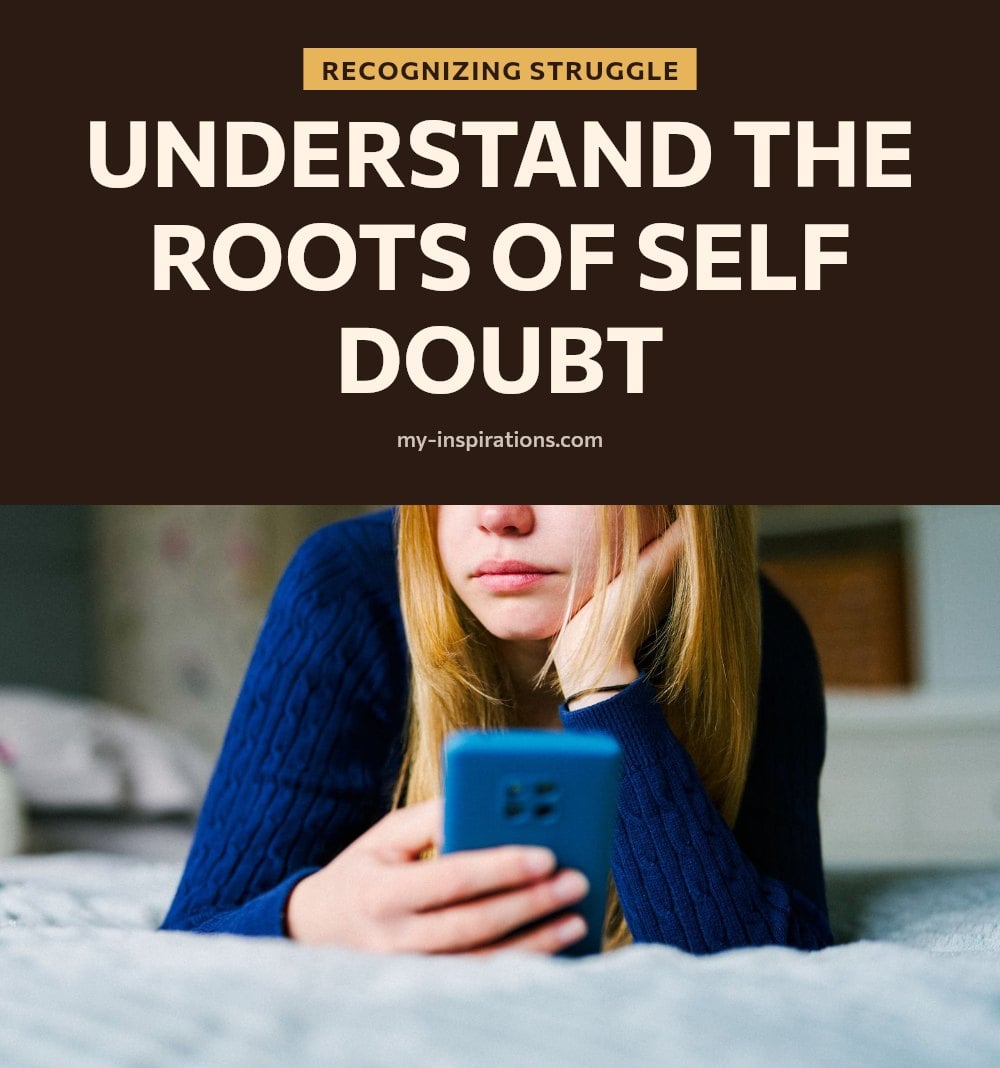
It’s almost impossible to scroll through social media without seeing someone who seems happier, more successful, or more put together. That constant comparison chips away at your sense of value without you even noticing. Your brain starts measuring your real, messy life against a highlight reel, and that mismatch erodes self-worth fast.
The Trap of External Validation
Many of us get hooked on seeking approval from others, likes, compliments, job titles, relationship status. The problem is that external validation is unreliable and temporary. When you rely on it for your sense of worth, you hand control of your value over to people and circumstances you can’t manage.
Ignoring Your Inner Critic
It might feel easier to push down negative self-talk or pretend it isn’t there. But ignoring that inner criticism doesn’t make it go away. It usually grows louder or shows up in other ways, like burnout or people-pleasing. Addressing those thoughts directly is the only way to loosen their grip.
Practical Steps to Cultivate Your Self-Worth

- Practice self-compassion: When you make a mistake or feel disappointed in yourself, pause and ask what you would say to a close friend in the same situation. Then offer that same kindness to yourself. This rewires how you respond to your own perceived failures.
- Identify and challenge negative self-talk: Write down the critical thoughts that repeat in your head. Then look for evidence that contradicts them. For example, if you think “I always mess up,” list specific times you handled something well. That practice weakens the belief over time.
- Set and maintain healthy boundaries: Saying no to requests that drain you or disrespect your time sends a clear message that your needs matter. Start small, decline one low-stakes invitation this week, and build from there.
- Engage in activities that align with your values: When your daily actions reflect what you genuinely care about, you reinforce your sense of integrity and worth. If creativity is a core value, schedule time to paint, write, or craft. If connection matters, prioritize phone-free conversations with people you trust.
- Acknowledge and appreciate small efforts or positive actions: Keep a running list of small efforts or positive actions you took each day, even if they seem minor, sending a difficult email, waking up on time, choosing a healthy snack. Reviewing that list reminds you that you are showing up for yourself consistently.
- Spend time with supportive people: The company you keep directly influences how you see yourself. Make an effort to be around those who listen without judgment, encourage your growth, and respect your boundaries.
- Practice mindfulness to observe thoughts without judgment: Set aside three minutes each day to sit quietly and notice what comes into your head. Label each thought as “thinking” and let it pass. This builds the habit of recognizing negative self-talk without automatically believing it.
Common Misconceptions About Self-Worth to Avoid
- Confusing Self-Worth with Self-Esteem: Self-worth is inherent and unconditional. Self-esteem is about confidence in your abilities and achievements. Mixing them up leads you to chase accomplishments to feel valuable, which never works long-term.
- Believing Self-Worth Must Be Earned: You don’t have to earn your value through good behavior, success, or approval. It’s already there. Acting like you have to prove it keeps you stuck in a cycle of striving and disappointment.
- Thinking Self-Worth is Fixed: Self-worth isn’t set in stone. You can develop and strengthen it over time with intentional practices like self-compassion, boundary-setting, and mindfulness. It’s a skill, not a trait you’re born with or without.
- Ignoring Inner Criticism: Pushing down negative thoughts doesn’t make them disappear. It usually makes them louder or turns them into anxiety. Acknowledging and addressing those critical voices directly is the healthier path.
- Attaching Self-Worth to External Factors: Your job title, relationship status, income, or appearance do not determine your value. When you attach self-worth to these things, you become vulnerable to every change or loss. True worth stays steady regardless of what happens around you.
Top Tips for Nurturing Your Inner Value

Limit Social Media Comparisons: Notice how you feel after scrolling. If you catch yourself comparing your everyday life to someone else’s highlight reel, take a break. My tip: unfollow accounts that trigger feelings of inadequacy and follow ones that inspire genuine growth instead.
Prioritize Your Needs: Saying yes to everyone else often means saying no to yourself. Start small: if you need rest, take it. If a request drains you, decline it. Your own needs carry as much weight as anyone else’s.
Embrace Imperfection: Let go of the idea that you have to get everything right. Mistakes are part of being human, not proof of your value. Journal Your Strengths: Write down three things you appreciate about yourself each day. Over time, this rewires your focus toward what you bring to the table. Seek Uplifting Connections: Spend time with people who make you feel seen and supported, not drained. Their encouragement reinforces your own belief in your worth.
What to Expect: Timeline and Resources
Improving self-worth is not a quick fix. It is an ongoing, gradual process that requires consistent effort and honest self-reflection. Results vary for each person, so avoid comparing your progress to someone else’s timeline.
Helpful tools include a journal for tracking thoughts and wins, meditation apps to build mindfulness, and self-help books focused on self-compassion. For deeper work, professional support from a therapist or counselor is a valuable resource. They can offer tailored strategies that self-help alone may not provide.
When to Consider Professional Support
If feelings of low self-worth are persistent or debilitating, it is time to seek professional support. Consider reaching out when low self-worth leads to symptoms of depression or anxiety, or when self-help strategies are not making a difference.
A therapist can help you address deeply ingrained feelings and provide tailored strategies for building a healthier sense of value. You do not have to figure this out on your own.
Frequently Asked Questions
What is the difference between self-worth and self-esteem?
Self-worth is your deep, unconditional sense of value as a person, independent of anything you do. Self-esteem, on the other hand, is tied to your confidence in your abilities and achievements. You can have high self-esteem in one area while still struggling with overall self-worth.
Can self-worth be lost or gained over time?
Self-worth is inherent and can’t be truly lost, but your sense of it can fluctuate. Life events, criticism, or harsh self-judgment can obscure it, making you feel less worthy. The good news is that you can strengthen your connection to your inherent worth through consistent practice and self-compassion.
How long does it take to improve self-worth?
There’s no set timeline. Improving self-worth is an ongoing process that varies for each person. Some may notice shifts in a few weeks, while others need months of consistent effort. Focus on the process rather than a deadline, and avoid comparing your progress to others.
Is it normal to struggle with self-worth?
Yes, it’s very common. Many people experience moments of self-doubt or feelings of inadequacy, especially when facing challenges or comparing themselves to others. Struggling with self-worth is a human experience, and it’s something you can work through with self-compassion and support.
How do I stop comparing myself to others?
Start by noticing when you compare and how it makes you feel. Limit your exposure to social media triggers by unfollowing accounts that spark inadequacy. Remind yourself that you’re seeing highlight reels, not full lives. Redirect your focus to your own progress and strengths.
Final Thoughts
Building self-worth is a gradual, ongoing practice, not a destination. Start small: pick one step from this article, like practicing self-compassion or setting a boundary, and commit to it for a week. Expect ups and downs; progress isn’t linear. What matters is showing up for yourself consistently.
You are worthy right now, exactly as you are. The work is about remembering that truth and letting it shape how you treat yourself and what you allow from others. Keep going, and be patient with yourself.
This article is for general informational purposes only and is not a substitute for professional medical or mental health advice. If you are experiencing persistent or severe feelings of low self-worth, depression, or anxiety, please consult a qualified mental health professional. They can provide personalized guidance and support.