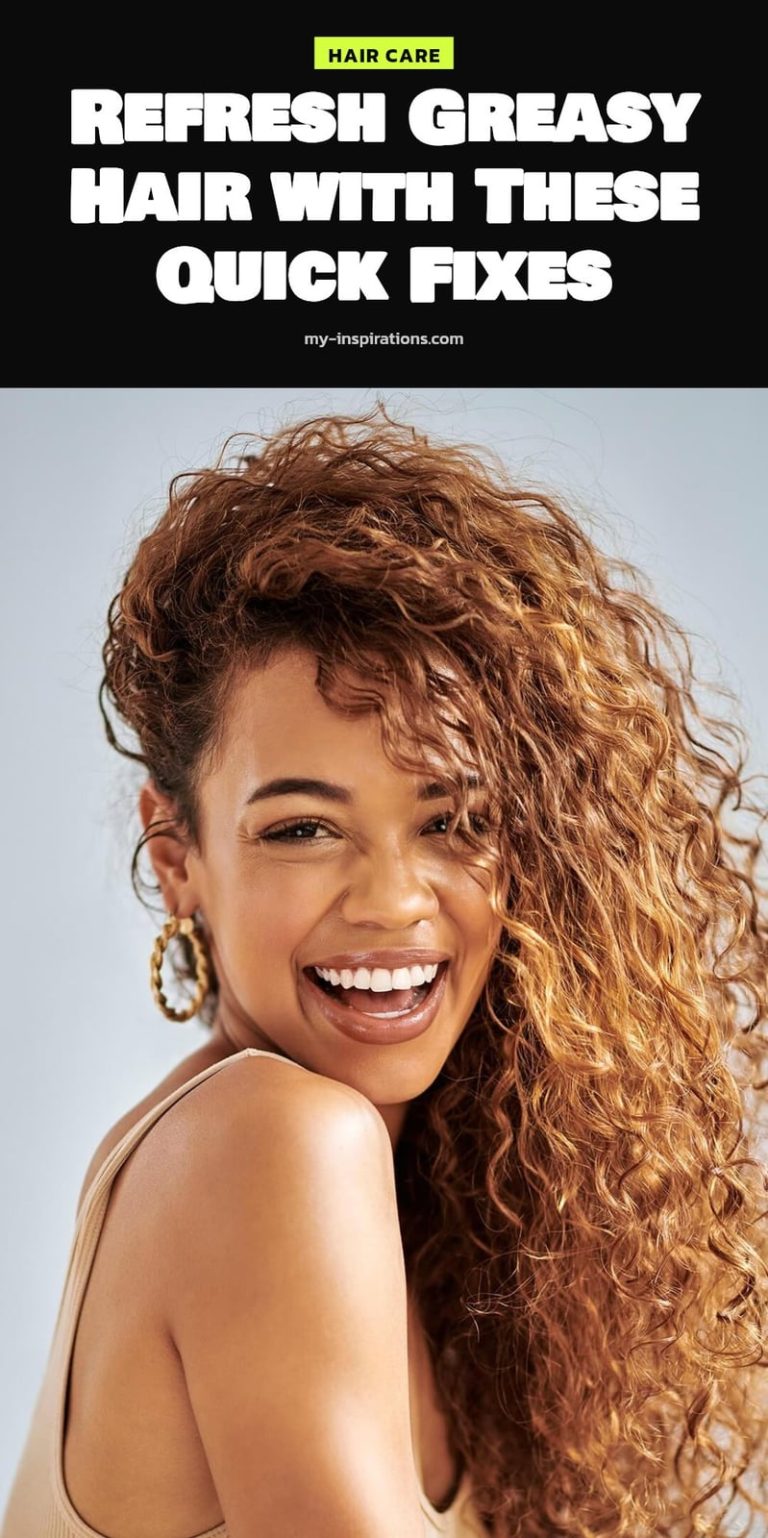
How to Fix Greasy Hair Fast: Causes and Easy Remedies
Tired of greasy hair? Discover the real causes behind oily locks and learn a simple, effective washing routine to keep your hair fresh and clean for longer.

Greasy hair can feel like an endless battle, but the real issue often starts with overactive sebaceous glands on your scalp. While sebum is essential for keeping your hair and scalp healthy, too much of it leaves strands looking limp and oily. This article breaks down the root causes of greasy hair and gives you a practical, step-by-step routine to manage excess oil, plus tips on products and habits that actually work.
Key Takeaways
- Wash your hair only when it’s visibly oily, not on a fixed daily schedule.
- Apply shampoo directly to a dry scalp, focusing on the roots and back of the head.
- Use a lightweight leave-in conditioner on wet hair, not on dry strands.
- Clean your hair brushes at least once a week to avoid transferring old oil back.
- Expect noticeable results within a few days to weeks of consistent routine changes.
Why Your Hair Gets Greasy (And How to Stop It)
Greasy hair happens when your sebaceous glands go into overdrive, producing more sebum than your hair needs. Sebum is a natural oil that protects your scalp, but too much of it leaves hair looking limp and dirty. To stop the cycle, you need a targeted washing routine: a professional shampoo, direct scalp application, and thorough rinsing. Adjusting how often you wash and switching to lightweight products can cut oiliness significantly within a few weeks.
The Root Causes of Greasy Hair
At the root of greasy hair are overactive sebaceous glands, which pump out excess sebum. While sebum is essential for moisturizing your scalp and protecting hair from damage, too much makes strands look oily and flat.
What makes your glands work overtime?
- Genetics: Your genes largely determine how oily your scalp naturally is.
- Hormones: Fluctuations during puberty, menstruation, pregnancy, or menopause can spike sebum production.
- Stress: High stress levels may worsen oiliness, though the link isn’t fully proven.
Habits that add to the problem
- Frequent brushing: Brushing distributes scalp oils down the hair shaft, making hair look greasier.
- Conditioner on roots: Heavy conditioners applied to the scalp weigh hair down and contribute to oiliness.
- Hot water: Washing with very hot water can strip natural oils, potentially signaling glands to produce even more sebum.
- Heavy products: Hair products rich in silicones or oils can coat strands and make them look greasy.
Your Essential Toolkit for Managing Oily Hair
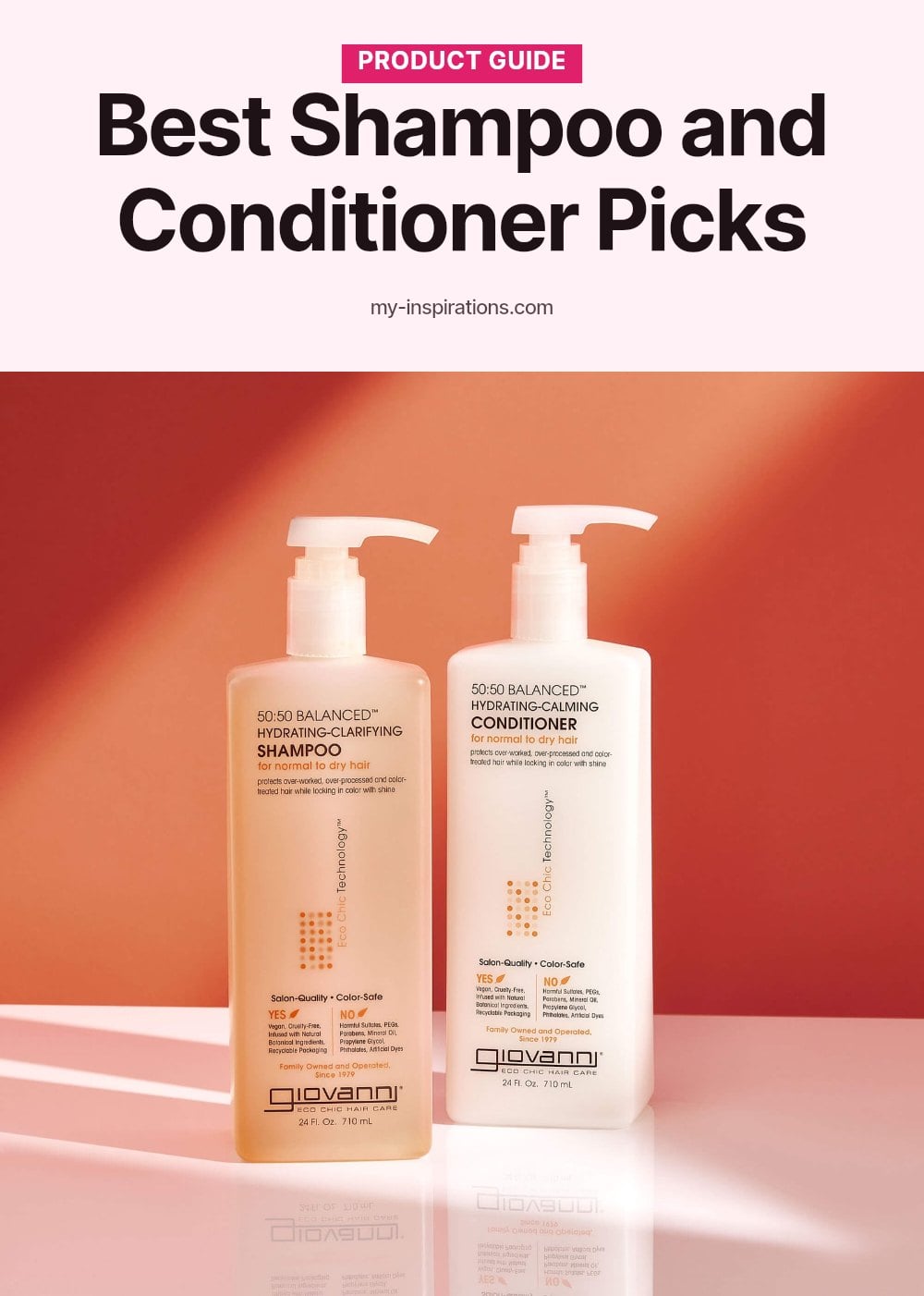
To manage oily hair effectively, you need the right tools. Stock your bathroom with these essentials:
- Professional shampoo: Look for one formulated for oily hair, clarifying, or volumizing. It should clean thoroughly without leaving residue.
- Lightweight leave-in conditioner: This locks in moisture without weighing hair down. Use it only on wet hair.
- Hair oil: A small amount applied to your ends seals and polishes them, keeping them healthy.
- A clean hair brush: Dirty brushes transfer oil and buildup back onto clean hair, so keep yours washed.
- Hair ties: Loose styles help keep hair off your face and neck, reducing oil transfer.
Your Step-by-Step Guide to a Professional Wash for Oily Hair
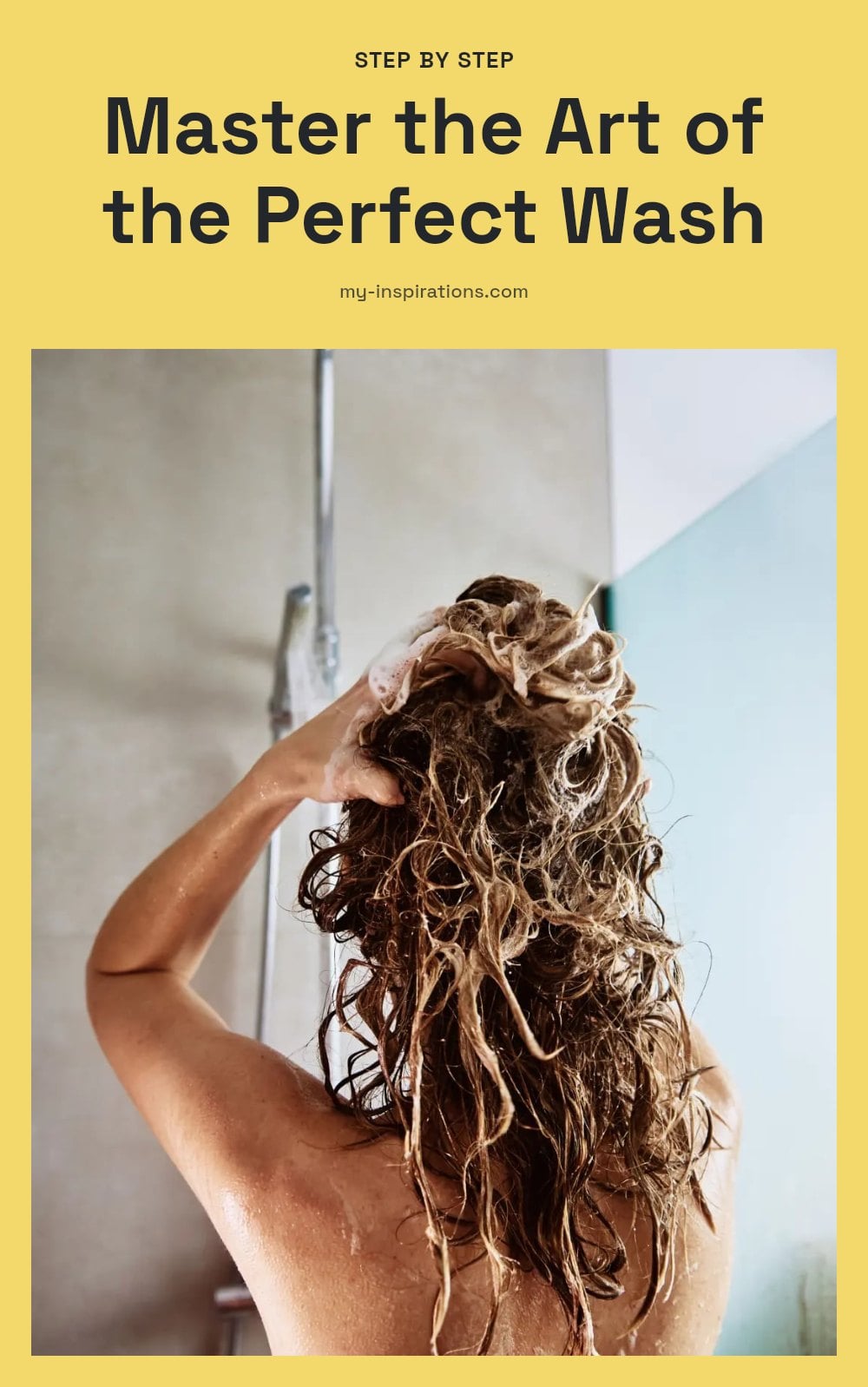
Follow this professional washing method to get your oil under control.
- Find your shampoo: Choose a professional shampoo that cleans thoroughly without leaving residue. Aim for at least 3 days between washes, ideally longer.
- Apply to dry scalp: While the shampoo is still liquid, apply it directly to your scalp, starting at the back. Part your hair to reach the scalp, then cover the top, sides, and nape of your neck.
- Massage firmly: Use your fingertips to press the shampoo into your scalp, focusing on cleaning the roots, not just the hair. This removes oil at the source.
- Do a second wash: Use half the amount of shampoo. Add small amounts of water until a good lather forms. This lather signals that your hair is clean.
- Wash only when dirty: Skip the fixed schedule. Wash only when your hair is visibly oily or dirty, even if that means every other day or less.
- Apply leave-in conditioner: On wet hair, spray 8 times for fine hair, 12 for medium, and 16 for coarse. This creates a barrier that locks in moisture.
- Brush through wet hair: Use a wet brush to distribute the leave-in conditioner evenly from roots to ends.
- Seal the ends: Put a small amount of hair oil on your palms, rub them together, and gently pat or smooth it onto your hair ends. Use sparingly, as oil is heavier than conditioner.
Here is the method in action: Blowout Professor demonstrates it in about 14 minutes. The how-to part starts at 1:50.
Common Greasy Hair Mistakes to Avoid
Washing daily or multiple times a day: This strips natural oils, which signals your scalp to produce even more sebum. Wash only when hair is visibly dirty and oily, not on a fixed schedule.
Applying conditioner to roots: Heavy conditioners on the scalp weigh hair down and make it greasy. Apply conditioner only to the mid-lengths and ends.
Not rinsing thoroughly: Residue from shampoo or conditioner can make hair look dull and oily. Rinse until the water runs completely clear.
Using unsuitable products: Shampoos with extra ingredients or cheap, watered-down versions won’t effectively remove oil. Choose a professional clarifying or volumizing shampoo.
Ignoring brush cleanliness: Dirty brushes transfer oil and product buildup back onto clean hair. Clean your brush at least once a week.
Over-scrubbing the scalp: Vigorously rubbing can stimulate oil glands, leading to more oil production. Use firm but gentle pressure with your fingertips.
Emulsifying shampoo in hands: This prevents it from reaching the scalp directly where the oil is. Apply liquid shampoo straight to your scalp, starting at the back.
Sticking to a fixed wash schedule: Only wash when hair is actually dirty, not out of habit. After switching to a stronger shampoo, you may need fewer washes.
Extra Tips for Long-Lasting Fresh Hair
Clean your hair brushes regularly: Wash your brushes at least once a week to remove oil and product buildup. This prevents transferring old oil back onto clean hair.
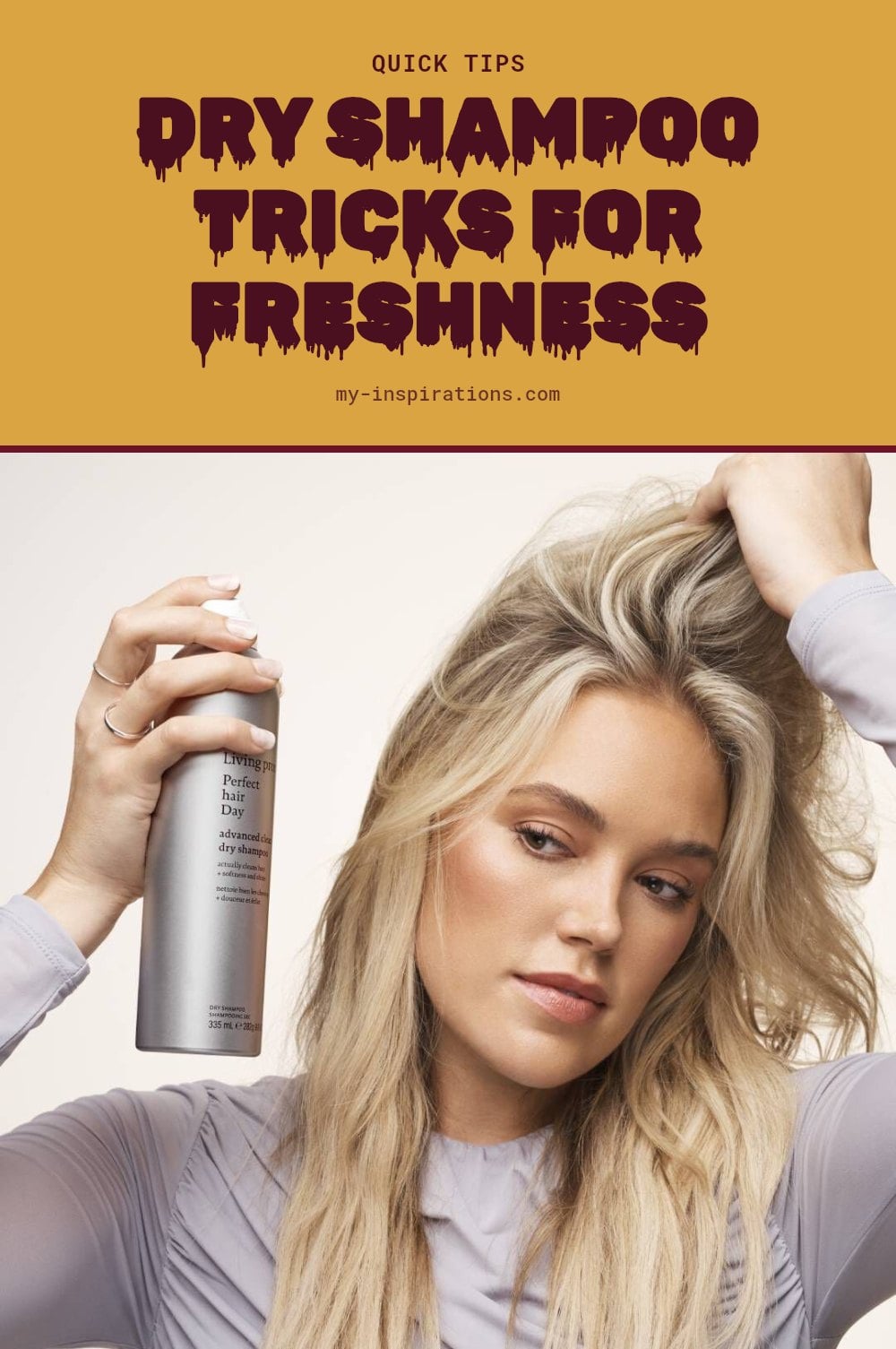
Use dry shampoo between washes: Apply it to your roots to absorb excess oil and extend time between washes. It’s a quick fix, not a replacement for washing.
Avoid touching your hair: Frequent touching transfers oils and dirt from your hands to your hair. Keep your hands off to keep hair fresher longer.
Choose loose hairstyles: Keeping hair off your face and neck can prevent transfer of skin oils. Loose braids or buns work well.
Rinse with lukewarm or cool water: Hot water can strip the scalp, potentially signaling glands to produce more sebum. A cool final rinse helps close the hair cuticle.
Preventing Future Greasiness: Lifestyle and Product Choices
Adjust your washing routine: Aim to wash every other day or less frequently to train your scalp to produce less oil over time. Consistency is key.
Select appropriate products: Use clarifying or volumizing shampoos and lightweight conditioners. Avoid heavy silicones or oils that can weigh hair down.
Manage stress: Stress can sometimes exacerbate oily scalp conditions. Finding ways to relax, like short walks or deep breathing, may help.
Consider dietary factors: While the connection is debated, some find reducing refined sugars and unhealthy fats may help with oil production. A balanced diet supports overall scalp health.
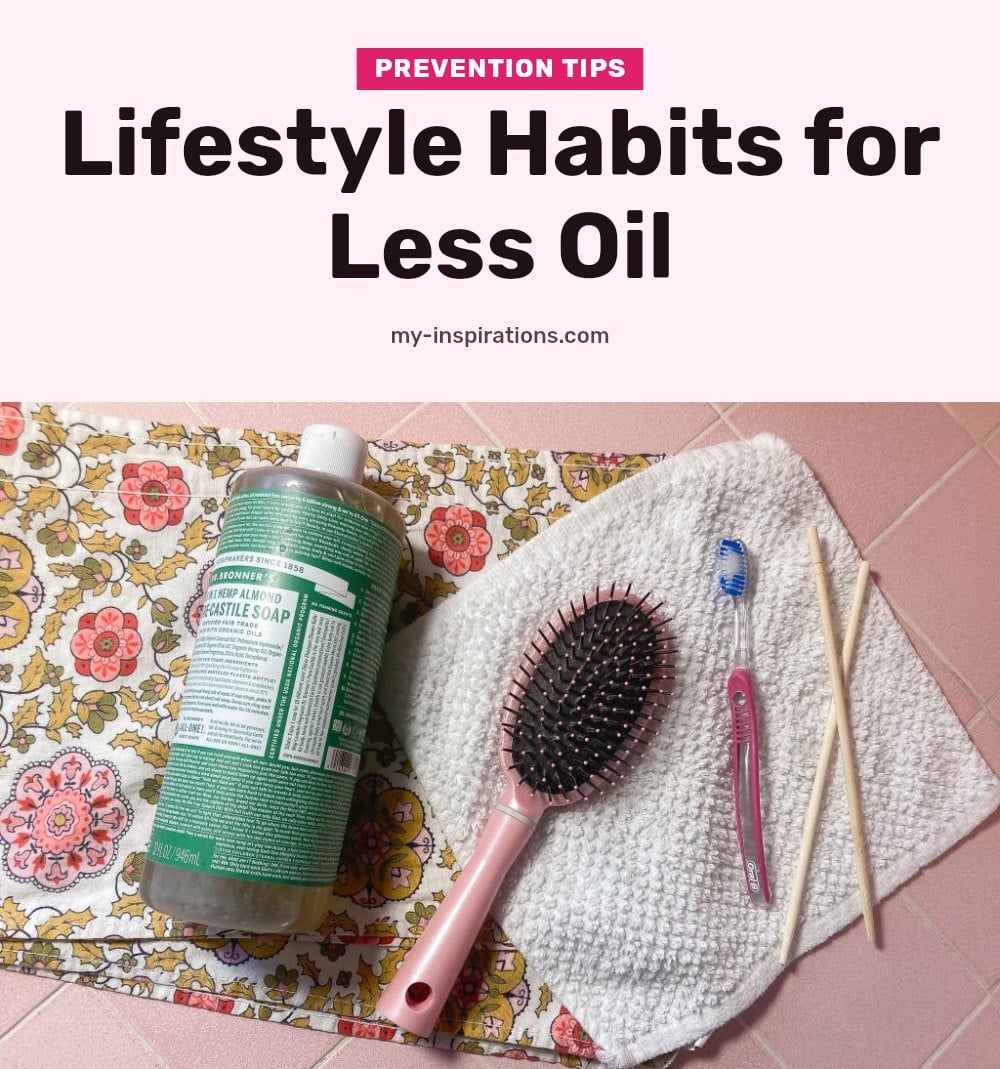
Always clean styling tools: Ensure combs, brushes, and heat tools are clean before use to avoid transferring oil. Wipe down tools after each use and wash them weekly.
When to Consult a Professional for Oily Scalp Issues
If you experience persistent scalp irritation, redness, or excessive itching, stop using new products and see a dermatologist. If your oily scalp is accompanied by significant hair loss or changes in hair texture, professional evaluation is important.
If home remedies and routine adjustments don’t improve your condition after several weeks, or if you suspect an allergic reaction to hair care products, consult a professional for tailored advice.
Frequently Asked Questions
Can diet affect greasy hair?
Some research suggests that a high intake of refined sugars and unhealthy fats might increase oil production, but the connection is not firmly established. A balanced diet rich in whole foods is always a good idea for overall health, but it’s not a guaranteed fix for oily hair on its own.
What ingredients should I look for in shampoo for oily hair?
Look for shampoos labeled clarifying, volumizing, or for oily hair. Avoid heavy silicones and oils that can weigh hair down. Professional shampoos that clean thoroughly without leaving residue are your best bet for managing oil without over-stripping the scalp.
Is dry shampoo good for greasy hair?
Dry shampoo can be a helpful tool between washes to absorb excess oil at the roots, but it should not replace a proper wash. Overusing dry shampoo can lead to product buildup, which may make hair look greasier faster. Use it sparingly and wash it out when you next shampoo.
Why does my hair get greasy so fast?
Genetics, hormonal changes, and hair care habits all play a role. Overactive sebaceous glands, frequent brushing, touching your hair, or using heavy products on the scalp can all speed up oiliness. Switching to a professional shampoo and washing only when needed often helps slow the cycle.
Final Thoughts
For most people, the key is switching to a professional shampoo that cleans thoroughly without leaving residue, then washing only when your hair is truly dirty. My tip: if you tend to wash daily, start by stretching to every other day and see how your scalp adjusts. With consistent habits, you should notice less oil within a few weeks. Stick with the routine, and your hair will thank you.
This article provides general information about managing greasy hair and is not a substitute for professional medical or dermatological advice. If you experience persistent scalp irritation, redness, itching, or significant hair changes, please consult a dermatologist or healthcare professional.