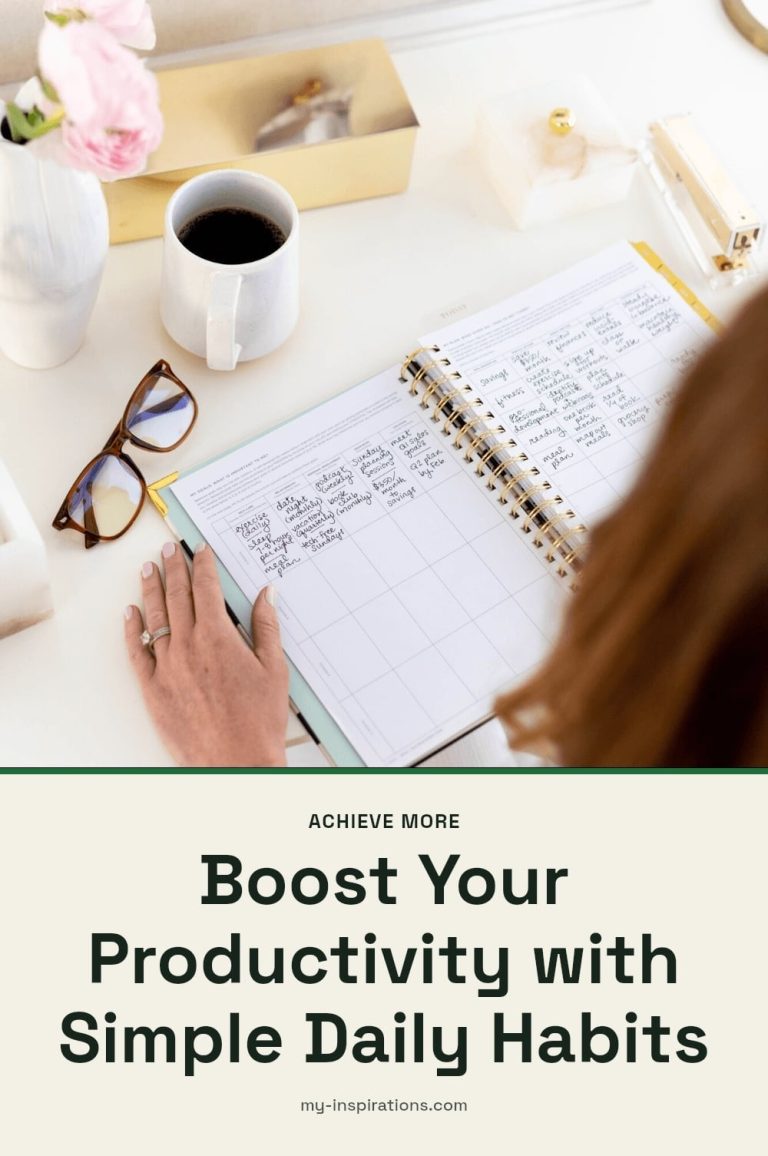
How to Boost Productivity with Easy Daily Habits
Feeling overwhelmed? Learn how to boost your productivity with simple daily habits that manage time and energy, reducing stress and achieving goals.

Feeling overwhelmed by your to-do list is a common struggle, but the solution isn’t about doing more. It’s about working smarter. By weaving a few simple habits into your daily routine, you can manage your time and energy more effectively, reduce stress, and actually feel accomplished at the end of the day. This article covers 14 practical habits that build on each other, from waking up earlier to planning your day, so you can start boosting your productivity without burning out.
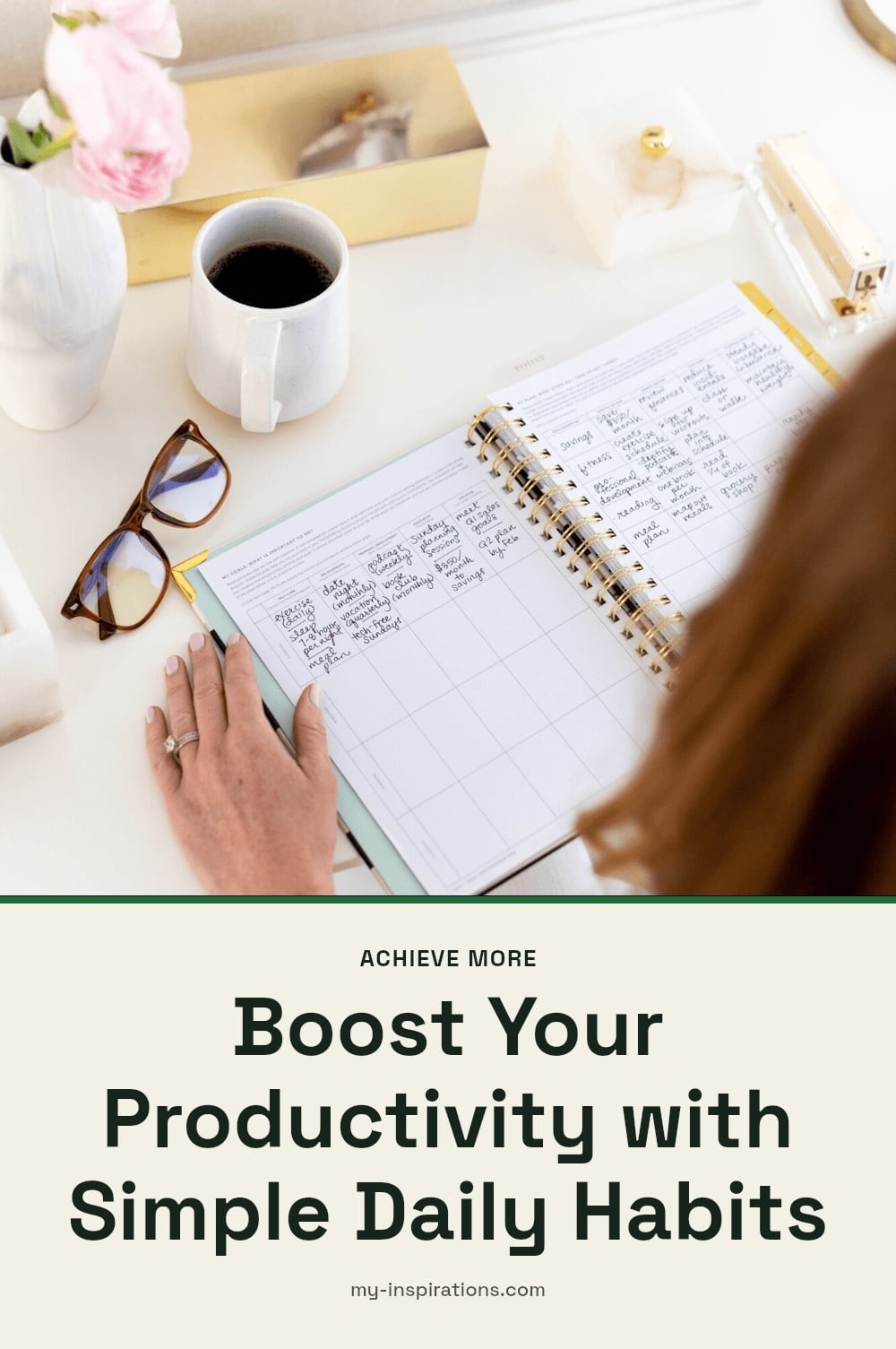
Key Takeaways
- Wake up 30 minutes earlier to gain control over your morning before demands pile up.
- Apply the 2-minute rule: complete any task that takes less than two minutes immediately.
- Use a timer for focused work sessions, such as 25 minutes of work followed by a 5-minute break.
- Plan your day the night before to reduce wasted time and increase execution.
- Eliminate one digital distraction each week by blocking it for an hour.
Unlock Your Best Self: Simple Daily Habits for Productivity
Productivity isn’t about cramming more into your day. It’s about strategic planning, managing your energy, and creating an environment that supports focus. Simple daily habits can significantly enhance how you complete tasks and reduce stress. My tip: focus on doing the right things efficiently and sustainably, not just doing more. This approach helps you feel accomplished without burning out.
Your Productivity Toolkit: Essential Items for Success
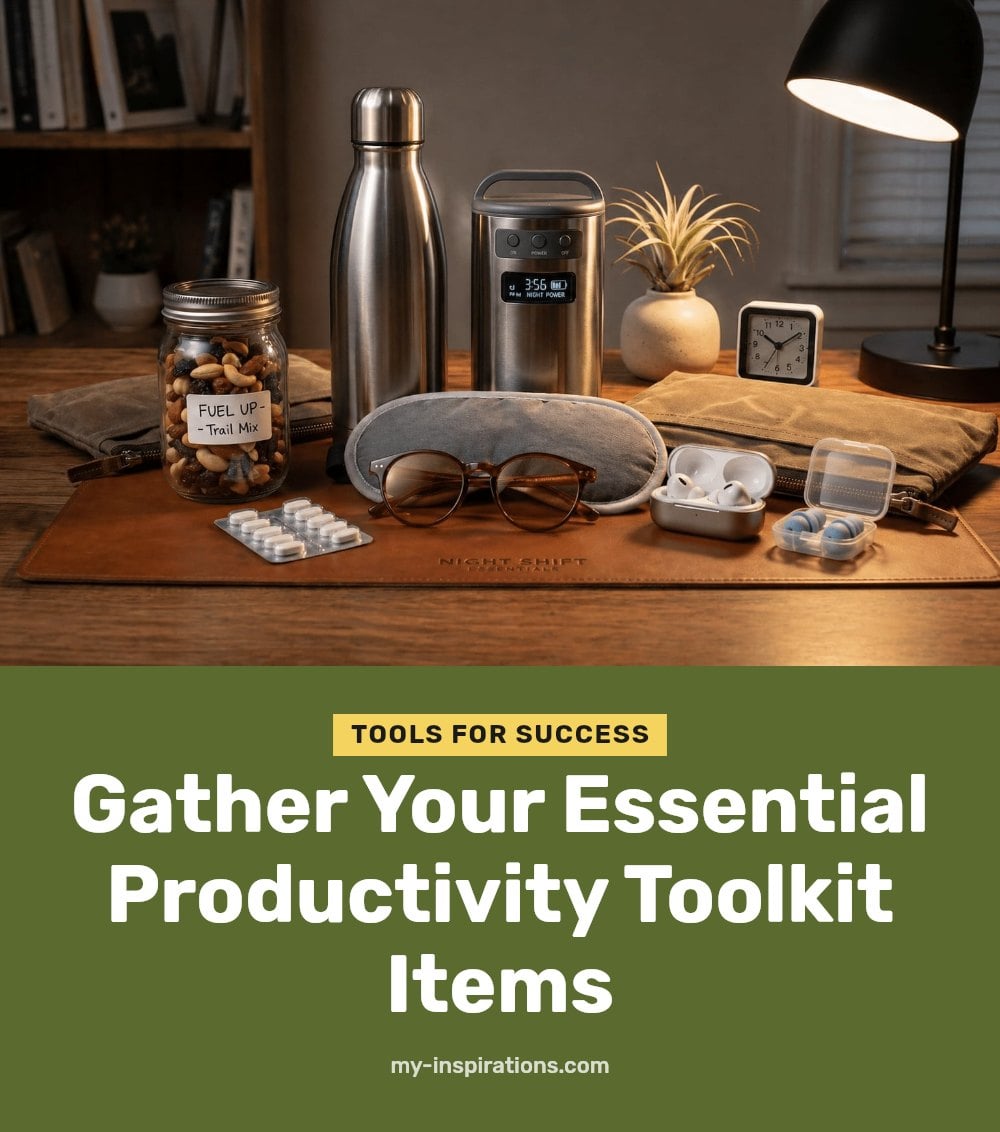
You don’t need a lot of gear to get started. A few practical tools make a real difference.
- Planner: A physical or digital planner for daily organization. Use it to map out your tasks and priorities.
- Timer: Essential for focused work sessions like the Pomodoro Technique. A simple kitchen timer works perfectly.
- Water bottle: Consistent hydration keeps your energy steady. Keep one on your desk as a reminder to drink.
14 Daily Habits to Boost Your Productivity and Calm

These 14 habits build on each other. Start with one and add more as you go.
- Wake up 30 minutes earlier: This gives you control over your morning before demands pile up. Use the quiet time to plan or read.
- Read 10 pages daily: Books are like time machines, letting you absorb wisdom from others quickly. Ten pages is a small, achievable goal.
- Apply the 2-minute rule: If a task takes less than two minutes, do it immediately. This habit can permanently destroy procrastination.
- Plan your day the night before: Writing down tomorrow’s tasks helps your brain know what’s next, reducing wasted time and increasing execution.
- Practice saying no: This skill creates boundaries and protects your time and energy for what truly matters.
- Track all your expenses: Tracking money leads to respecting it, which can improve your financial awareness and outcomes.
- Eliminate one digital distraction weekly: Block one app or site for an hour. This small step can significantly boost your focus.
- Smile, even when you don’t feel like it: Smiling sends a powerful message of control to your brain, influencing your mindset.
- Use timers for focused work: Try 25 minutes of focus followed by a 5-minute break. This is the Pomodoro Technique.
- Write one sentence of gratitude daily: A single sentence shifts your focus to what’s going well.
- Give one compliment daily: Complimenting someone strengthens connections and boosts your own mood.
- Avoid screens 30 minutes before sleep: This helps your brain wind down for better rest.
- Stretch for 2 minutes every hour: A quick stretch prevents stiffness and recharges your body.
- Drink water immediately upon waking: Keep a water bottle on your nightstand or desk as a visual reminder to hydrate first thing.
Here is the method in action: RelentX demonstrates it in about 5 minutes.
Common Productivity Pitfalls and How to Avoid Them
Even with good habits, certain mistakes can derail your progress. Here are the most common ones and how to avoid them.
- Believing busyness equals productivity: Focus on impact, not just activity. Ask yourself what actually moves the needle.
- Not taking breaks: Schedule regular breaks to prevent burnout. Short pauses improve concentration and energy.
- Multitasking: Concentrate on one task at a time for better quality. Your brain works faster when it’s not switching constantly.
- Aiming for perfection: Strive for good enough to avoid analysis paralysis. Aim for 1% better than yesterday, not flawless.
- Ignoring well-being: Prioritize sleep, nutrition, and hydration for sustained energy. Your body and mind need fuel to perform.
Extra Tips for Sustainable Productivity and Well-being

Stay hydrated and eat nutritious meals: Your brain needs fuel to function. Dehydration and poor nutrition cause fatigue and brain fog, making it hard to focus. Keep a water bottle on your desk and choose whole foods over processed snacks.
Get enough sleep consistently: Aim for 7-9 hours each night. Sleep is when your brain consolidates memories and clears waste products. Without enough rest, your cognitive function and attention span suffer.
Declutter your workspace regularly: A cluttered desk creates mental clutter. Take five minutes at the end of each day to clear surfaces and file papers. A tidy space helps you start the next day with a clear mind.
Set clear boundaries between work and personal time: Without boundaries, work can creep into evenings and weekends, leading to burnout. Define when your workday ends and stick to it. Protect your personal time for rest and relationships.
Review your progress: At the end of each week, look back at what you accomplished. Acknowledge your wins and note what you can improve. This practice builds momentum and keeps you aligned with your goals.
What to Expect: Timeline and Investment for Your Productivity Journey
You can notice results from productivity habits within days to weeks of consistent practice. Small changes like planning your day or using a timer create immediate relief from overwhelm. Long-term improvements, such as better focus and less stress, build over months of dedication.
The primary investment is your time and commitment, not money. Most tools you need, a planner, a timer, a water bottle, are already in your home. The real cost is the effort to show up every day and stick with the habits.
Frequently Asked Questions
How long does it take to see results from productivity habits?
You can notice small improvements, like feeling less overwhelmed or getting more done in a morning, within a few days to a few weeks. Long-term changes, such as sustained focus and lower stress, typically build over several months of consistent practice.
Can multitasking ever be productive?
Research shows that multitasking actually reduces efficiency and increases mistakes. Your brain can only focus on one task at a time, so switching between tasks costs time and mental energy. Focus on one thing until it’s done or you reach a natural stopping point.
What is the most important habit for boosting productivity?
While all the habits work together, planning your day the night before is a foundational one. It helps your brain know what’s coming, reduces decision fatigue, and ensures you tackle your most important tasks first thing in the morning.
How do I prioritize tasks effectively?
A simple method is to identify your most important tasks (MITs) each day and tackle them first. You can also use the Eisenhower Matrix, which sorts tasks by urgency and importance, to decide what to do now, schedule, delegate, or drop.
What if I miss a day of my new habits?
Missing a day is completely normal and not a failure. The key is to get back on track the next day without guilt or trying to overcompensate. Consistency over time matters more than perfection on any single day.
Final Thoughts
Start with just one or two of these habits, like waking up 30 minutes earlier or planning your day the night before, and build from there. Expect to notice small improvements within a few days, with bigger shifts in focus and calm emerging over a few weeks of consistent practice. Remember, the goal isn’t perfection; it’s about being 1% better than yesterday.