
Forgiving: How to Practice Forgiveness and Release Resentment
Learn the true meaning of forgiving, explore practical tools, and follow steps to release resentment and anger for improved emotional well-being.

If you’re holding onto anger or resentment from a past hurt, you already know how heavy that weight feels. The good news is that forgiveness is a choice you can make for yourself, not for the person who wronged you. In this article, we’ll cover what forgiveness really means, the steps to work through it, and how to avoid common pitfalls that keep you stuck.

Key Takeaways
- Forgiveness is a conscious decision to release resentment for your own benefit, not for the other person.
- Forgiveness does not require reconciliation, forgetting the offense, or waiting for an apology.
- The process can take days, months, or years, and results usually show up gradually.
- Self-forgiveness is essential for moving past personal mistakes and self-blame.
- Setting healthy boundaries is a key part of forgiveness, especially if the relationship continues.
What Forgiveness Truly Means
Forgiveness is a conscious decision you make for yourself, not a gift you give to someone else. It means choosing to release the resentment and anger that weighs you down, even when the person who hurt you hasn’t apologized or changed. This doesn’t mean you condone what happened or pretend it didn’t occur. Instead, you acknowledge the pain and then let go of the emotional burden so you can move forward. Many people find that this process improves their mental clarity and even physical health, lowering stress and helping them sleep better.
Tools to Support Your Forgiveness Journey
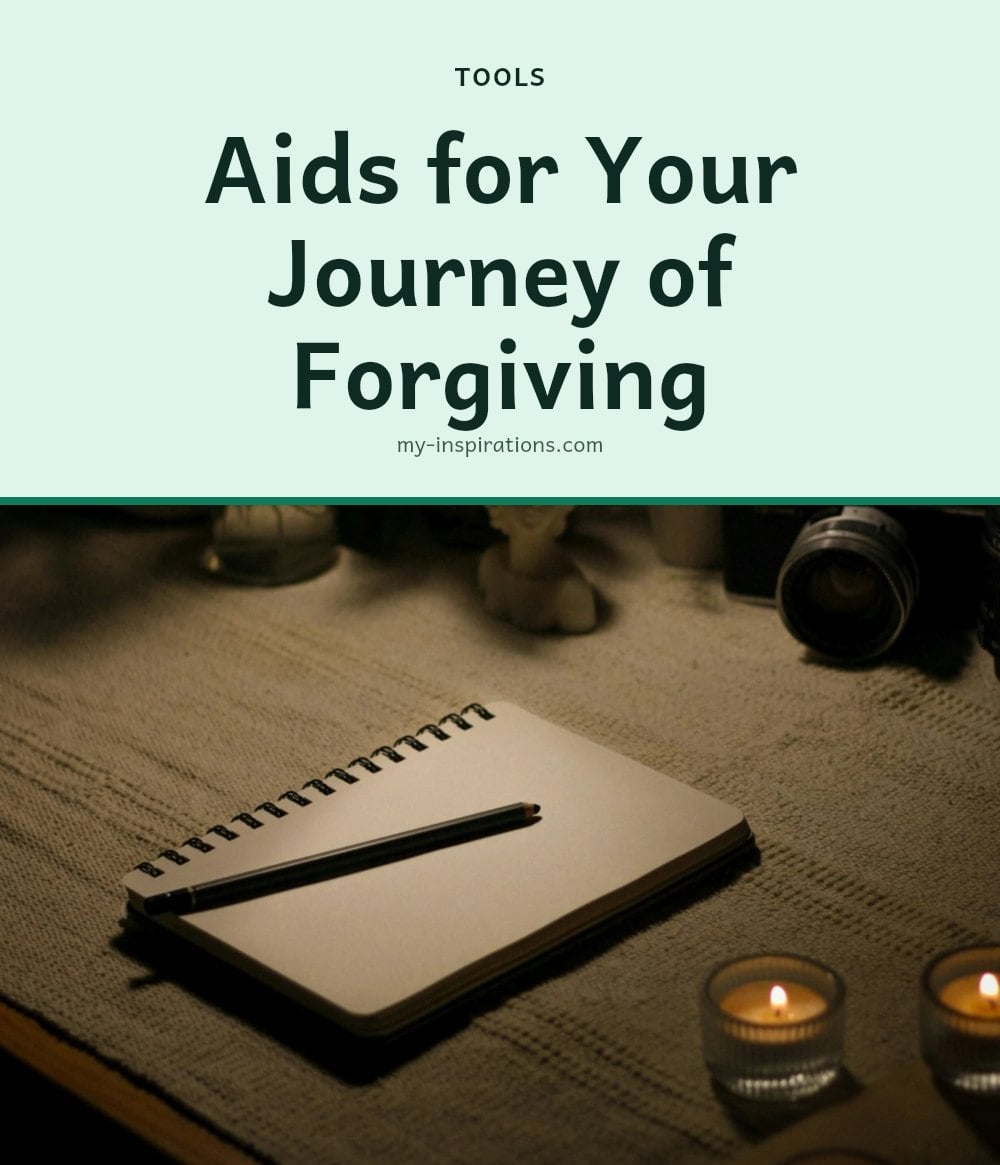
You don’t need much to start, but a few simple tools can make the process smoother.
- Journal or notebook: Writing down your feelings helps you untangle complex emotions and track your progress.
- Pen: A reliable pen keeps the flow going when thoughts come fast.
- Meditation guides or apps: These can calm your mind and build the self-compassion needed for forgiveness.
- Therapist or counselor: For deep-seated hurts, professional guidance gives you a safe space and tailored strategies.
Most of these are optional, but having them ready means you can work on forgiveness whenever you feel ready.
A Step-by-Step Guide to Practicing Forgiveness

- Acknowledge your feelings: Name the hurt, anger, or betrayal without judging yourself. Let yourself feel it fully before you try to let it go. Journaling can help here, as writing down what you feel often makes it clearer.
- Commit to the process: Decide that you want to forgive, knowing it’s a journey with ups and downs. This intention sets the direction, even if you don’t feel ready to fully forgive today.
- Practice empathy if it’s safe: Try to see the situation from the other person’s perspective. This doesn’t excuse their actions, but it can soften your anger. Skip this step if the person is still harmful or abusive. Your safety comes first, and empathy can wait until you’re out of harm’s way.
- Release the need for revenge: Let go of fantasies about getting even. Holding onto retribution keeps you stuck in anger and blocks healing. Focus instead on what you can control: your own emotions and reactions.
- Set healthy boundaries: If the relationship continues, decide what behavior you’ll accept and what you won’t. Boundaries protect you from repeated hurt, and they’re not a sign of unforgiveness, they’re a sign of self-respect.
- Practice self-compassion: Be kind to yourself as you heal. You’re doing hard emotional work, and it’s normal to have setbacks. Treat yourself the way you’d treat a friend going through the same thing.
Forgiveness rarely happens in one sitting. Expect to revisit these steps multiple times, and if intense anger or depression lingers, consider talking to a therapist or counselor. They can help you work through the process safely.
Understanding Different Types of Forgiveness
Forgiveness isn’t one-size-fits-all. Here are the three main types you might work through.
Forgiving Others
This is what most people think of: releasing resentment toward someone who wronged you. It frees you from carrying their offense inside you.
Self-Forgiveness
This one is often harder. It involves moving past personal mistakes and self-blame so you can learn from what happened and grow. Many people find it essential for mental peace.
Receiving Forgiveness
When you’ve caused harm, accepting someone else’s forgiveness can be part of your healing. It allows you to stop punishing yourself and move forward.
Common Misconceptions About Forgiveness
Several myths about forgiveness can stall your progress. Here are the ones I see most often.
- Believing forgiveness means forgetting: Forgiveness is about releasing the emotional charge tied to the memory, not wiping the memory itself. You can remember and still be free.
- Thinking forgiveness requires reconciliation: You can forgive someone and still choose to keep your distance, especially if the relationship is unhealthy or unsafe.
- Expecting forgiveness to be a quick event: It’s rarely a one-and-done moment. Most of the time it’s a gradual process with setbacks and forward steps.
- Confusing forgiveness with weakness: Letting go of resentment takes real strength and self-respect. It’s an active choice, not a passive surrender.
- Ignoring your own feelings: Trying to skip over your anger and hurt to “just forgive” usually backfires. Acknowledge those emotions first, then work through them.
Practical Tips for Cultivating a Forgiving Heart

These practices help me keep forgiveness moving forward without forcing it.
- Focus on your own healing: Remind yourself that forgiveness is for your peace of mind, not for the other person’s benefit.
- Practice mindfulness: Notice your emotions as they come up without letting them take over. A few deep breaths can create enough space to respond instead of react.
- Seek support: Talk to a trusted friend, family member, or therapist. Sharing the load makes it lighter.
- Journal your feelings: Writing helps you spot patterns and release emotions you didn’t realize you were carrying.
- Set realistic expectations: The path isn’t a straight line. Some days you’ll feel lighter, other days you’ll circle back. Be patient with yourself.
Understanding the Timeline of Forgiveness
Forgiveness doesn’t follow a set schedule, and that’s normal.
- Timeline is highly individual: The process can take days, months, or even years. The depth of the hurt and your personal coping style both play a role.
- Gradual results: Emotional burdens usually lift slowly, not in one dramatic moment. You might notice you think about the offense less often or feel less reactive when it comes to mind.
- No fixed cost: The inner work itself is free, but professional help like therapy may have associated costs. Session fees vary widely by provider and location.
When to Seek Professional Help for Forgiveness
Sometimes the hurt runs too deep to work through alone, and that’s when a professional can help.
- If you are struggling with intense anger, depression, or thoughts of self-harm related to past hurts, a therapist can provide the support and safety you need.
- If the person who caused the hurt is still actively causing harm or is abusive, prioritize your safety first. A counselor can help you set boundaries and plan next steps.
- If you feel stuck or overwhelmed and can’t make progress on your own, professional guidance can help you move forward.
- If past traumas make it hard to forgive yourself or others, a trauma-informed therapist can work with you at a pace that feels manageable.
Frequently Asked Questions
Does forgiveness mean forgetting what happened?
No, forgiveness does not mean forgetting. You can remember the event clearly and still choose to release the emotional charge tied to it. Forgetting is not required for healing to happen.
Is it possible to forgive someone who isn’t sorry?
Yes, you can forgive someone who hasn’t apologized or shown remorse. Forgiveness is for your own peace of mind, not a response to the other person’s actions. Your decision to let go doesn’t depend on their regret.
How long does the forgiveness process usually take?
The timeline is highly individual. It can take days, months, or even years, depending on the depth of the hurt and your personal coping style. There is no right or wrong pace.
Can I forgive someone but still not want them in my life?
Absolutely. Forgiving someone does not require reconciliation. You can release your resentment and still choose to set boundaries or limit contact to protect your well-being.
What if I struggle to forgive myself?
Self-forgiveness can be challenging because it involves accepting your own mistakes without self-blame. Practice self-compassion and consider talking to a therapist if the guilt feels overwhelming. It’s a process that takes time.
Final Thoughts
Forgiveness is a personal journey that starts with acknowledging your feelings and making the intentional choice to let go of the emotional burden. Be patient with yourself; the timeline varies widely, and the weight usually lifts slowly over time. Your peace of mind is worth the effort it takes to move forward.
This article is for general informational purposes only and is not a substitute for professional mental health advice. If you are struggling with intense anger, depression, or thoughts of self-harm related to past hurts, please seek support from a licensed therapist or counselor.