How to Strengthen Your Intuition and Trust Your Inner Voice
Learn how to strengthen your intuition with practical methods like journaling and meditation, leading to more confident decisions and self-awareness.

You know that quiet inner voice that sometimes tells you which choice to make, even when you can’t explain why? That’s your intuition, and it’s not some mystical power. It’s your brain rapidly processing patterns you’ve picked up over a lifetime. In this article, I’ll walk you through what intuition really is, how it works in your body, and four practical ways to strengthen it so you can make decisions with more confidence and clarity.

Key Takeaways
- Intuition is a cognitive skill based on subconscious pattern recognition, not magic.
- Practice active imagination, dream journaling, free-writing, and daily meditation to strengthen it.
- Pay attention to physical sensations like tension or lightness to recognize intuitive signals.
- Intuition feels calm and clear; anxiety or fear feels urgent and reactive.
- Consistent practice over weeks and months leads to noticeable improvements in awareness and trust.
What is Intuition?
Intuition is that immediate sense of knowing something without being able to explain why. It feels like a gut feeling, but it’s actually your brain rapidly processing information from past experiences and emotional cues without you being aware of it. This isn’t anything supernatural; it’s a cognitive skill your subconscious uses to recognize patterns and signal insights. Developing this skill comes down to practices like mindfulness and journaling, which build self-awareness and help you trust that inner guidance.
How Intuition Works in Your Brain and Body
How Intuition Works in Your Brain and Body
Your intuition operates as a lightning-fast, non-conscious processing system. While your conscious mind is occupied with daily tasks, your subconscious is constantly scanning for familiar scenarios and emotional cues from your past. When it detects a match, it sends a signal before your rational brain has time to catch up.
That physical sensation you call a ‘gut feeling’ has a real biological basis. The enteric nervous system in your digestive tract is sometimes called your ‘second brain,’ and it actively communicates with your brain. This two-way connection is why intuitive insights often show up as a knot in your stomach or a sense of lightness. Your body is literally alerting you to something your subconscious has already figured out.
Tools to Help You Connect with Your Intuition
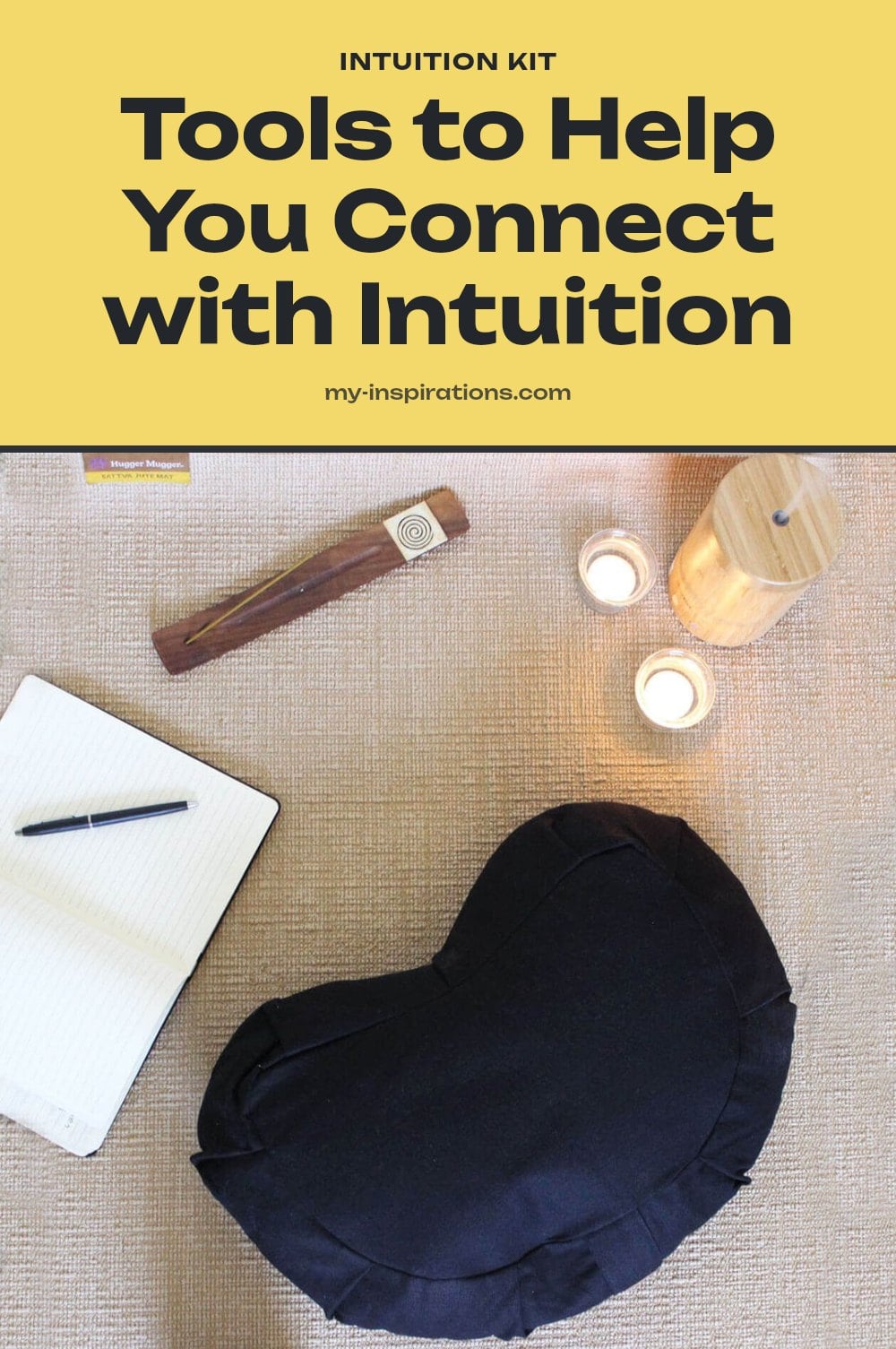
The tools you need to strengthen your intuition are simple and probably already in your home. A journal or notebook is essential for tracking thoughts, feelings, and those small intuitive nudges you notice throughout the day. A pen is all you need for free-writing and stream-of-consciousness journaling, where you let your hand move without censoring. A quiet space for meditation or reflection is crucial; without a distraction-free environment, it’s nearly impossible to hear your inner voice clearly.
4 Powerful Ways to Strengthen Your Intuition
- Practice active imagination: Set aside quiet time, close your eyes, and visualize a scene or a question you want answered. Let your mind explore the images and emotions that arise, and engage with them as if they were real. This technique helps your subconscious communicate directly with you.
- Keep a dream journal: Place a notebook by your bed and write down any dreams immediately upon waking. Over time, look for recurring symbols or themes. These patterns often reveal unresolved emotions or hidden desires your conscious mind hasn’t acknowledged.
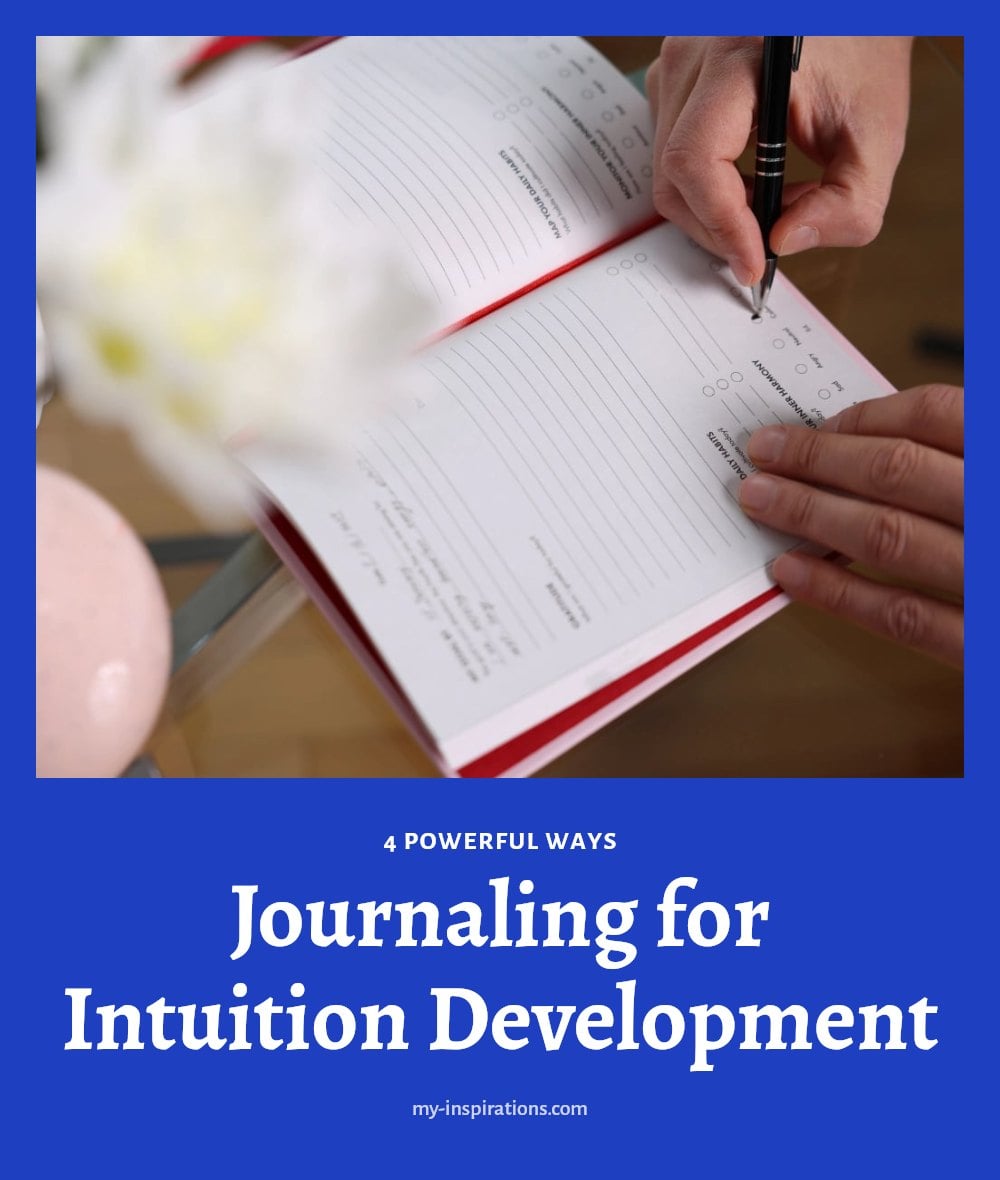
- Journal freely with stream of consciousness: Write without censoring or overthinking. Start by writing about a problem, a decision, or a feeling. Let your hand move without judgment. Your subconscious can express itself through this flow, leading to unexpected breakthroughs and intuitive patterns.
- Meditate daily: Dedicate 10 to 15 minutes each day to simple meditation. Focus on your breath, let go of distracting thoughts, and simply observe any thoughts or feelings that arise. This creates the mental space intuition needs to surface clearly.
Prefer to watch? Whispering ideas walks through the whole method in this 16-minute video. The how-to part starts at 5:55.
Understanding Carl Jung’s Four Types of Intuition
Carl Jung identified four distinct ways intuition shows up in our lives. Sensing intuition is your physical connection to the world. You pick up subtle environmental clues, like walking into a room and feeling tension before anyone speaks. Thinking intuition blends logic with immediate insight. You reach an ‘aha!’ moment solving a problem without having all the facts, like a scientist who suddenly sees the answer. Feeling intuition gives you an almost empathic understanding of emotions. A therapist might sense a client’s unspoken feelings without a word being said. Judging intuition lets you see the bigger picture and anticipate future trends. Visionary leaders use this to recognize patterns and predict where things are heading. Most people lean into one or two of these types more naturally. My tip: notice which one resonates most with you and practice strengthening the others over time.
Tips for Developing Your Intuitive Abilities

These five practices help you weave intuition into your daily life without extra effort.
- Pay attention to physical sensations: Notice tension, lightness, or a knot in your stomach. Your body often signals intuitive hits before your mind catches up.
- Reflect on past decisions: Look back at times you followed or ignored your gut. Observe what happened and how it felt.
- Trust your initial feelings: In low-stakes situations, act on your first impression. The more you do it, the more you build confidence in that inner voice.
- Create space for solitude: Regular quiet time clears mental clutter so intuitive insights have room to surface.
- Spend time in nature: A walk outdoors quiets your mind and fosters the kind of introspection that makes it easier to hear your inner wisdom.
Common Mistakes When Trying to Hear Your Intuition
Even with good intentions, it’s easy to trip up when learning to hear your intuition. Here are the most common mistakes I see.
- Confusing intuition with anxiety or fear: Intuition feels calm and clear. Anxiety is urgent and reactive. My tip: pause and check if the feeling is rooted in calm knowing or frantic worry.
- Dismissing intuitive signals: Ignoring your gut because it lacks a logical explanation is a common pitfall. My tip: acknowledge the feeling, even if you don’t immediately understand it.
- Believing intuition is magic: It’s a cognitive skill, not a mystical power. My tip: approach it as a muscle you strengthen with practice.
- Not creating quiet space: Intuition whispers, it doesn’t shout. My tip: dedicate daily time for reflection to hear it.
- Overthinking intuitive hits: Sometimes it’s best to simply observe without immediately dissecting every insight. My tip: let the feeling sit for a bit before demanding an explanation.
How Long Does It Take to Strengthen Your Intuition?
Timeline: Strengthening intuition is an ongoing practice, not a one-time fix. Consistent effort over several weeks and months can lead to noticeable improvements in your awareness and trust in your inner guidance.
Frequency: Daily or near-daily practice of techniques like meditation, journaling, and active imagination yields the best results.
Cost: Developing intuition is largely free, requiring only your time and commitment. The tools needed (a journal and a pen) are minimal and inexpensive.
When to Seek Professional Guidance
Intuition is a powerful guide, but it has limits. If your gut feelings consistently lead to negative, harmful, or self-sabotaging outcomes, consulting a mental health professional can provide valuable insight. A therapist helps you untangle whether that inner voice is intuition, anxiety, or a pattern worth examining.
Never let intuition replace critical thinking or professional advice in serious situations. Medical diagnoses, major financial decisions, and legal matters require expert input, not a hunch. If you feel overwhelmed by intuitive insights or struggle to tell them apart from anxiety, a therapist can help you navigate those experiences safely.
Frequently Asked Questions
What is the difference between intuition and impulse?
Intuition usually feels calm, clear, and grounded, like a quiet knowing that doesn’t push you. Impulse, on the other hand, feels urgent, reactive, and often tied to anxiety or excitement. My tip: when you get a strong urge to act, pause for a few deep breaths. If the feeling softens into something steady, it’s likely intuition. If it stays frantic, it’s probably an impulse.
How long does it take to develop intuition?
Strengthening intuition is an ongoing practice, not a quick fix. With consistent daily or near-daily effort using techniques like meditation, journaling, and active imagination, you can notice improvements in your awareness and trust within several weeks to a few months. The key is patience and showing up regularly.
Can intuition be wrong?
Yes, intuition can be off, especially when it’s clouded by fear, wishful thinking, or confirmation bias. It’s not a fortune teller. It’s a guide based on past patterns and emotional cues. My tip: treat intuitive hits as input, not commands. Reflect on them, check them against logic, and if they consistently lead to negative outcomes, consider talking to a mental health professional.
How do I know if my intuition is speaking to me?
Intuition often shows up as a subtle physical sensation, like a calm feeling in your stomach, a lightening in your chest, or a quiet inner voice. It doesn’t scream for attention. To recognize it, start paying attention to your body’s signals during low-stakes moments. Over time, you’ll learn to distinguish that quiet nudge from the noise of everyday thoughts.
Does everyone have intuition?
Yes, everyone has the capacity for intuitive insight. It’s a natural cognitive process that draws on your past experiences and emotional memories. Some people are more tuned into it, but it’s a skill you can develop. The key is building self-awareness through practices like mindfulness and journaling so you can hear that inner voice more clearly.
Final Thoughts
My tip: start small. Pick one technique from the four, maybe free-writing or a short meditation, and commit to it for a week. Notice how often you get a calm, clear feeling about small decisions like what to eat or which route to take. Over time, that quiet voice will become easier to hear and trust. You don’t need to get it perfect; you just need to start listening.
This article is for general informational purposes only and does not constitute medical, psychological, or professional advice. Intuition is a personal tool, but it should not replace critical thinking or the guidance of a qualified professional in serious matters such as mental health, medical decisions, or legal issues. If you have persistent concerns about your intuition or decision-making, please consult a licensed therapist or counselor.