
How to Naturally Boost Your Body’s Collagen Production
Learn how to naturally boost collagen production through diet, lifestyle, and skincare. Discover effective strategies for firmer, more youthful-looking skin.

Your body’s natural collagen production starts to slow down in your mid-20s, and by your 30s, you might notice changes in your skin’s firmness and elasticity. While collagen supplements get a lot of attention, there are effective ways to support your body’s own collagen synthesis through diet, lifestyle, and the right skincare ingredients. This article covers the key strategies you can start using today to naturally boost your collagen levels and maintain youthful-looking skin.

Key Takeaways
- Vitamin C is essential for collagen synthesis; eat citrus fruits, bell peppers, and berries daily.
- Sun exposure is a major cause of collagen breakdown; wear broad-spectrum sunscreen every day.
- Smoking accelerates collagen loss; avoiding it is one of the best things you can do for your skin.
- Topical retinoids and peptides can stimulate collagen production, but start with a low concentration.
- Visible results from natural collagen boosting typically take 8 to 12 weeks of consistent effort.
What is Collagen and Why Does it Matter for Your Skin?
Collagen is the most abundant protein in your body, making up about one-third of its total protein. It acts as the structural scaffolding for your skin, bones, and connective tissues, giving skin its firmness and elasticity. Natural collagen production begins to slow down in your mid-20s, with a more noticeable drop after age 30. This decline leads to visible signs of aging like wrinkles, fine lines, and sagging skin. The good news is that you can support your body’s own collagen synthesis through targeted diet, lifestyle habits, and topical skincare ingredients to help maintain a youthful appearance.
Why Our Collagen Levels Decline With Age
Several factors contribute to the decline in collagen levels, starting with the natural aging process itself. Collagen production slows down beginning in your mid-20s, with a more significant decrease after age 30.
Key Causes of Collagen Loss
- Sun exposure: UV radiation is a primary cause of collagen degradation, accelerating photoaging and breaking down existing collagen fibers.
- Smoking: Smoking breaks down existing collagen and prevents new collagen from forming, making it one of the fastest ways to damage your skin.
- Glycation: High sugar intake leads to glycation, a process where sugar molecules bind to collagen, making it stiff and less elastic.
- Nutrient deficiencies: A lack of essential nutrients like Vitamin C, zinc, and copper impairs your body’s ability to synthesize new collagen.
Essential Tools and Ingredients for Collagen Support
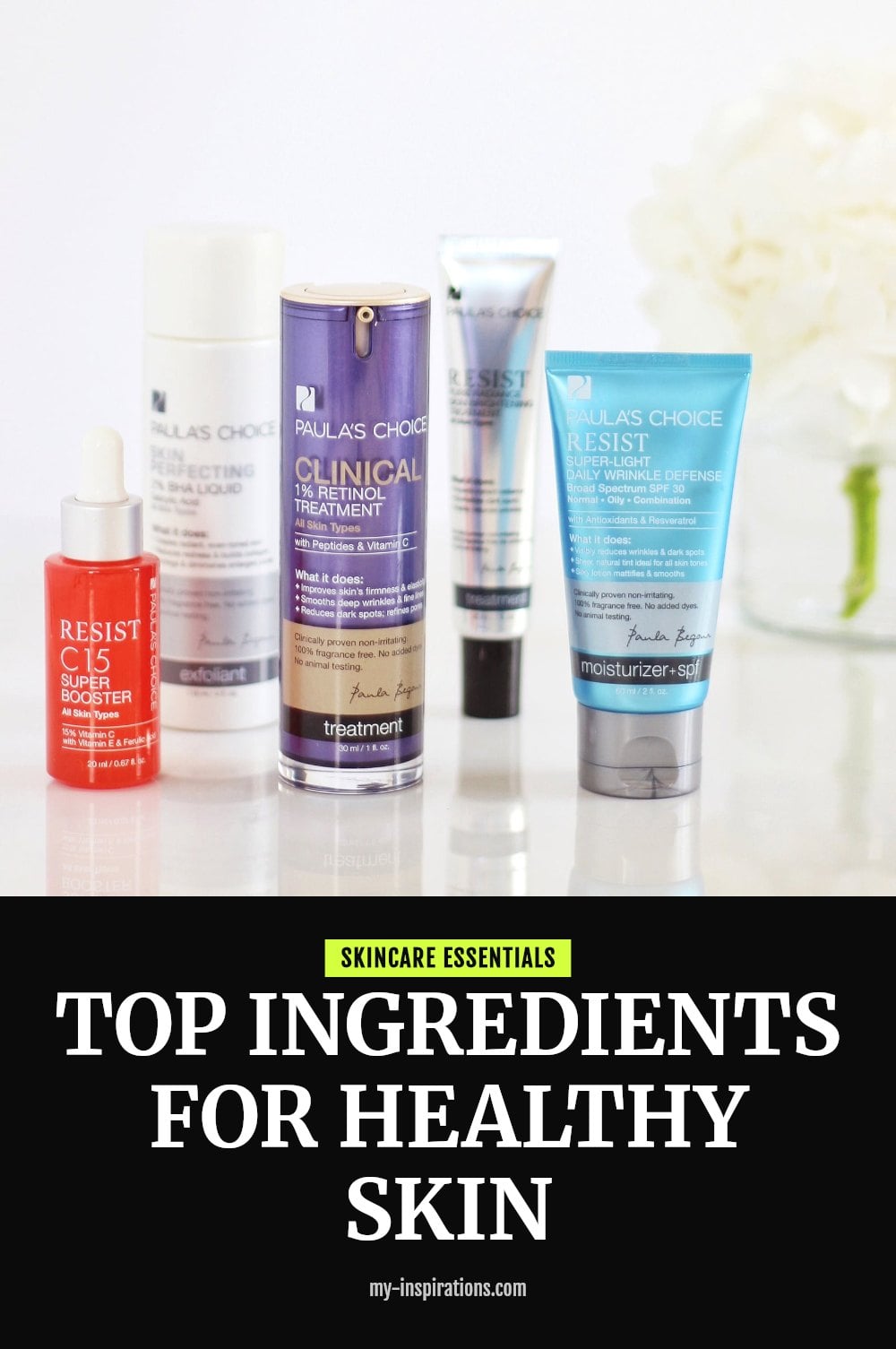
To support collagen production through your skincare routine, focus on ingredients that stimulate synthesis or protect existing collagen. Here are the essentials:
- Vitamin C serum: Crucial for collagen synthesis and protects against free radical damage. Apply in the morning.
- Retinoid cream/serum: Stimulates collagen production and reduces collagen breakdown. Use in the evening, starting with a low concentration.
- Peptide serum: These small amino acid chains signal your skin to produce more collagen.
- Broad-spectrum sunscreen (SPF 30+): Non-negotiable for protecting existing collagen from UV damage.
- Moisturizer: Supports the skin barrier, which is essential for overall skin health and resilience.
Step-by-Step: Boosting Collagen Through Diet and Lifestyle
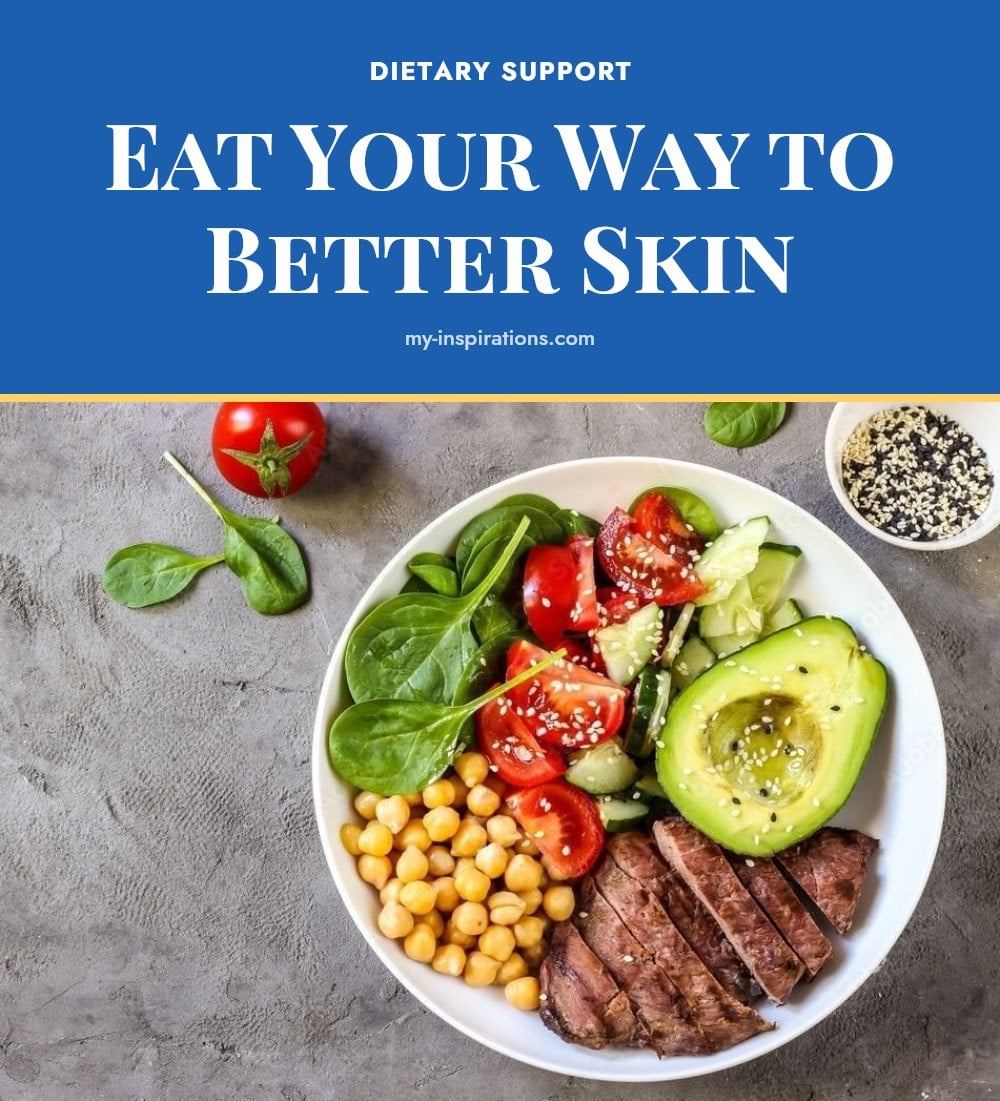
Your diet and daily habits play a major role in supporting your body’s natural collagen production. Consistency is key, as results build over time.
- Prioritize Vitamin C: Eat citrus fruits, bell peppers, and berries daily. Vitamin C is a co-factor for the enzymes that build collagen.
- Consume amino acid-rich foods: Include lean meats, fish, eggs, and legumes. These provide the building blocks (amino acids) your body needs to make collagen.
- Integrate antioxidants: Add dark leafy greens, berries, and nuts to your meals. Antioxidants protect existing collagen from damage caused by free radicals.
- Prioritize sleep: Aim for 7-9 hours of quality sleep each night. Your skin repairs and regenerates, including collagen production, during deep sleep.
- Manage stress: Practice meditation, yoga, or other stress-reducing activities. Chronic stress can negatively impact skin health and collagen maintenance.
Step-by-Step: Incorporating Collagen-Boosting Skincare

- Start with a gentle cleanser: Wash your face with a mild, non-stripping cleanser to remove dirt and oil without disrupting your skin barrier. Pat dry with a clean towel.
- Apply Vitamin C serum in the morning: After cleansing, apply a few drops of Vitamin C serum to your face and neck. It helps protect against free radicals and supports collagen synthesis throughout the day.
- Use a retinoid cream or serum in the evening: Retinoids stimulate collagen production but can cause irritation. Start with a low concentration (like 0.25% retinol) twice a week, then gradually increase frequency as your skin builds tolerance. Caution: Never use retinoids on damp skin or mix them with Vitamin C at the same time.
- Follow with a peptide serum: After your retinoid has absorbed (wait 10-15 minutes), apply a peptide serum. Peptides signal your skin to produce more collagen, complementing the retinoid’s work.
- Finish with SPF 30+ every morning: Sunscreen is non-negotiable, especially when using retinoids, which increase sun sensitivity. Apply a broad-spectrum SPF 30+ as the last step of your morning routine, even on cloudy days.
Consistency with this routine over weeks and months supports your skin’s natural collagen production.
Common Mistakes to Avoid When Boosting Collagen
Many people fall into these common traps when trying to boost collagen. Avoid them to stay on track.
- Believing topical collagen creams directly add collagen: Collagen molecules are too large to penetrate the skin. Instead, use ingredients like Vitamin C and retinoids that stimulate your body’s own production.
- Expecting a magic bullet: No single food, supplement, or product will instantly transform collagen levels. Real results come from a consistent combination of diet, lifestyle, and skincare.
- Ignoring lifestyle factors: You can use the best serums, but if you skip sunscreen or smoke, you are actively breaking down collagen. Sun protection and avoiding smoking are foundational.
- Not being patient: Collagen production is a slow biological process. Visible changes take weeks to months of steady effort, not days.
Expert Tips for Maximizing Collagen Production
Small daily habits make a big difference in preserving and supporting collagen. Here are expert-backed adjustments you can start today.
- Stay hydrated: Drink plenty of water throughout the day. Dehydrated skin can appear less plump and elastic, making fine lines more noticeable.
- Avoid excessive sugar: High sugar intake causes glycation, where sugar molecules bind to collagen fibers and make them stiff and brittle. Cut back on sugary drinks and processed sweets.
- Quit smoking: Smoking is one of the fastest ways to degrade existing collagen and prevent new collagen from forming. If you smoke, quitting is the single most effective step you can take for your skin.
- Protect from sun: Daily broad-spectrum SPF 30+ is non-negotiable. UV radiation breaks down collagen even on cloudy days.
- Consider zinc and copper: These minerals are co-factors in collagen formation. Include foods like pumpkin seeds (zinc) and lentils or cashews (copper) in your diet.
What to Expect: Timeline for Seeing Results
Timeline: Visible improvements from natural collagen boosting typically take 8 to 12 weeks of consistent effort. You may notice smoother texture or firmer skin after this period, but results vary by person.
Consistency is key: Collagen production is a slow biological process. Skipping days or giving up after a month will not yield results. Patience and sustained commitment to diet, lifestyle, and skincare matter most.
Cost: The investment varies widely depending on product choices and dietary changes. A basic routine with a Vitamin C serum, retinoid, and sunscreen can cost $30-80 per month, and adding more fruits, vegetables, and lean protein raises grocery bills. Think of it as a long-term commitment rather than a one-time expense.
When to Consult a Dermatologist
If you experience severe skin irritation, redness, or an allergic reaction after starting a new product, stop using it immediately. Consult a dermatologist to identify the cause and find a suitable alternative. This is especially important before introducing active ingredients like retinoids if you have sensitive skin or conditions such as rosacea or eczema. A professional can guide you on safe concentrations and formulations. If natural methods aren’t addressing your concerns about significant collagen loss, a dermatologist can discuss more intensive anti-aging treatments tailored to your needs.
Frequently Asked Questions
Can collagen supplements really increase collagen in my skin?
Research on collagen supplements is mixed. While some studies suggest they may help improve skin hydration and elasticity, the body breaks down ingested collagen into amino acids and peptides, which it then uses wherever needed. It is not a direct replacement for your body’s natural collagen. Eating a balanced diet rich in Vitamin C and amino acids is a more reliable way to support your own collagen production.
Is it possible to reverse collagen loss completely?
No, it is not possible to completely reverse collagen loss. The natural decline in collagen production with age cannot be stopped entirely. However, you can significantly slow the loss and support your body’s ability to produce new collagen through consistent diet, lifestyle habits, and targeted skincare ingredients. The goal is to maintain healthier, more resilient skin over time.
What are the best foods to eat for collagen production?
Focus on foods rich in Vitamin C, such as oranges, strawberries, bell peppers, and broccoli. Also include amino acid-rich foods like lean meats, fish, eggs, and legumes. Antioxidant-rich foods like dark leafy greens, berries, and nuts help protect existing collagen from damage. A varied, whole-food diet is your best bet for supporting collagen synthesis.
Are there any side effects to using retinoids or peptides?
Retinoids can cause irritation, redness, and peeling, especially when you first start using them. To minimize this, begin with a low concentration and apply it only a few times per week, gradually increasing frequency. Always use sunscreen in the morning because retinoids increase sun sensitivity. Peptides are generally well-tolerated with fewer side effects, but if you experience any irritation, discontinue use and consult a dermatologist.
How quickly can I see results from natural collagen boosting?
Visible improvements typically take several weeks to a few months of consistent effort. Many people notice smoother texture or firmer skin after 8 to 12 weeks of following a solid routine that includes diet, lifestyle changes, and targeted skincare. Collagen production is a slow biological process, so patience and consistency are key to seeing lasting results.
Final Thoughts
If you want to make one change that has the biggest impact, start with daily sunscreen and a Vitamin C serum in the morning. For a realistic timeline, expect to see smoother texture and firmer skin after about 8 to 12 weeks of sticking with your routine. Your body’s collagen production is a slow process, but with patience and consistency, you can support it naturally for long-term skin health.
This article is for informational purposes only and does not constitute medical advice. Individual results may vary, and the information provided is not a substitute for professional medical guidance. If you have persistent skin concerns, a pre-existing condition, or are considering new skincare ingredients, please consult a dermatologist or healthcare provider.