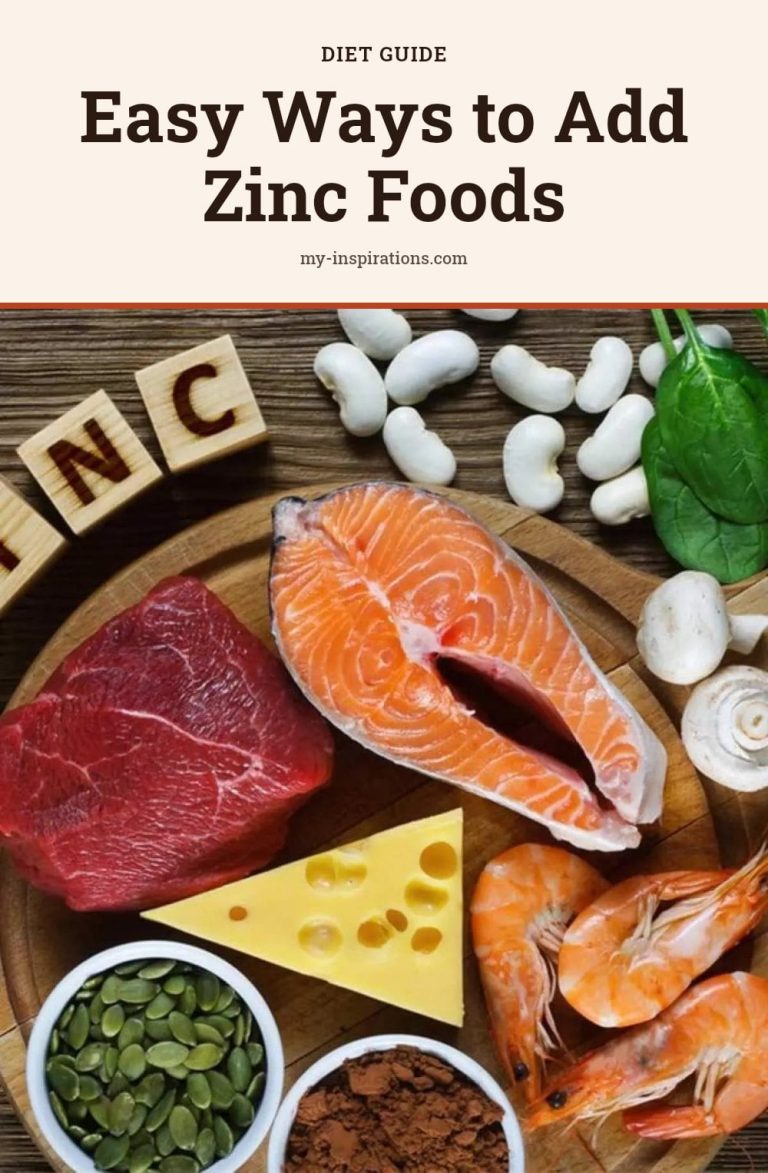
Zinc-Rich Foods to Add to Your Diet
Discover the best zinc-rich foods to easily incorporate into your daily diet for immune support and overall wellness. Learn how to maximize absorption.

You might already know zinc is essential for your immune system and healing, but did you know your body doesn’t store it? That means you need to get it from your diet every day. This article covers the best zinc-rich foods to add to your meals, including animal and plant sources, plus tips to improve absorption so you get the most out of what you eat.
Whether you’re looking to support your immune system or just eat more balanced meals, adding these foods is a smart move. I’ll walk you through the top sources and share my tips for making them work for you.
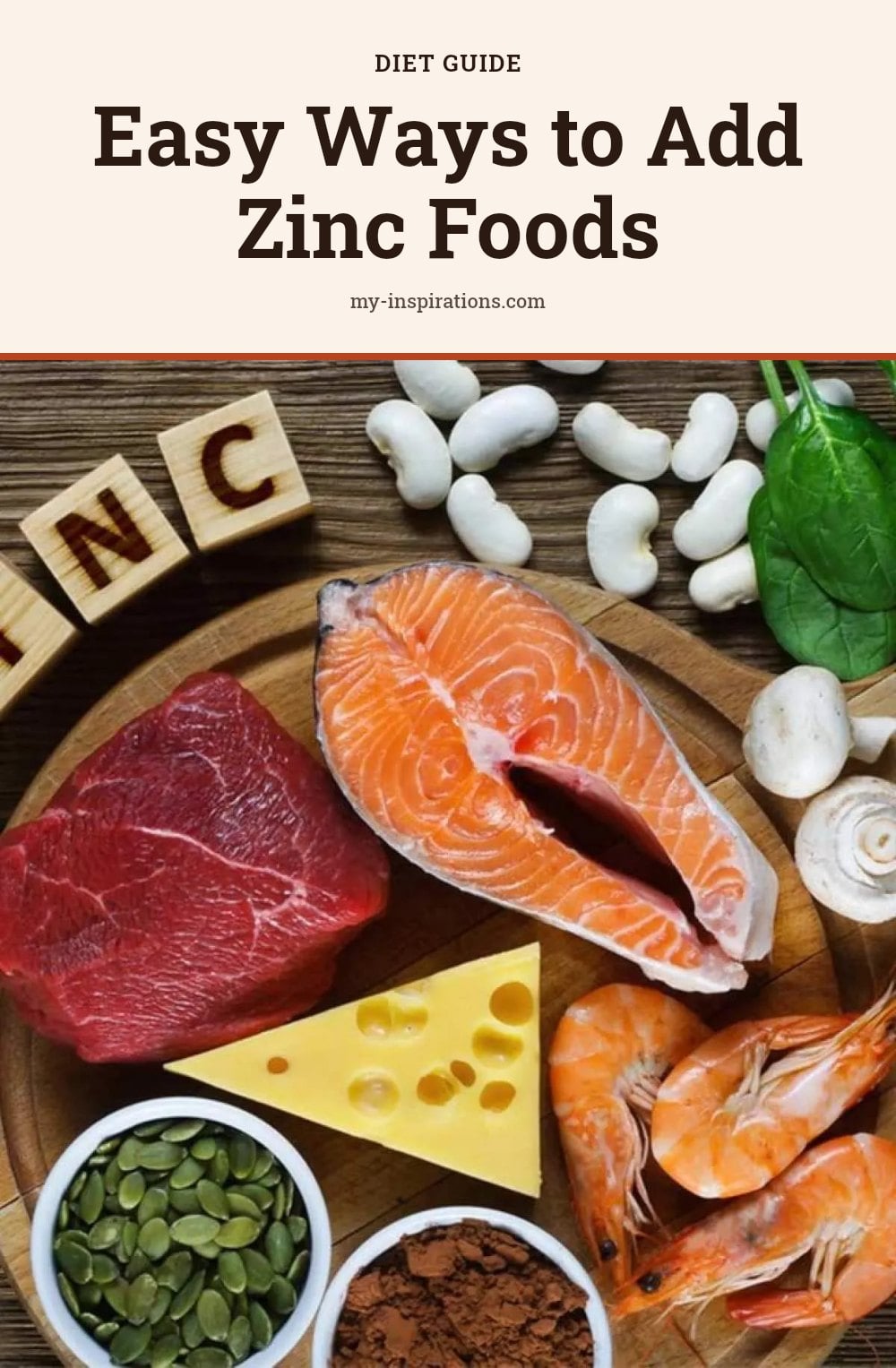
Key Takeaways
- Oysters are one of the richest dietary sources of zinc available.
- Red meat like beef and lamb provides highly absorbable zinc.
- Soak or sprout legumes and grains to reduce phytates and improve zinc absorption.
- Pair plant-based zinc sources with animal proteins for better absorption.
- Consult a healthcare professional before taking zinc supplements.
What is Zinc and Why Do You Need It?
Zinc is an essential trace mineral that your body needs in small amounts to function properly. It plays a part in over 300 enzymatic reactions, supporting your immune system, helping wounds heal, and aiding cell growth. Because your body doesn’t have a dedicated storage system for zinc, you need a consistent supply from your diet every day to maintain healthy levels.
1. Oysters

Oysters are one of the richest dietary sources of zinc available. Just a few oysters can provide more than the daily recommended intake, making them a top choice for boosting your levels.
My tip: Enjoy them raw, steamed, or grilled for a delicious zinc boost. Their versatility means you can easily add them to appetizers or main courses.
2. Red Meat (Beef and Lamb)
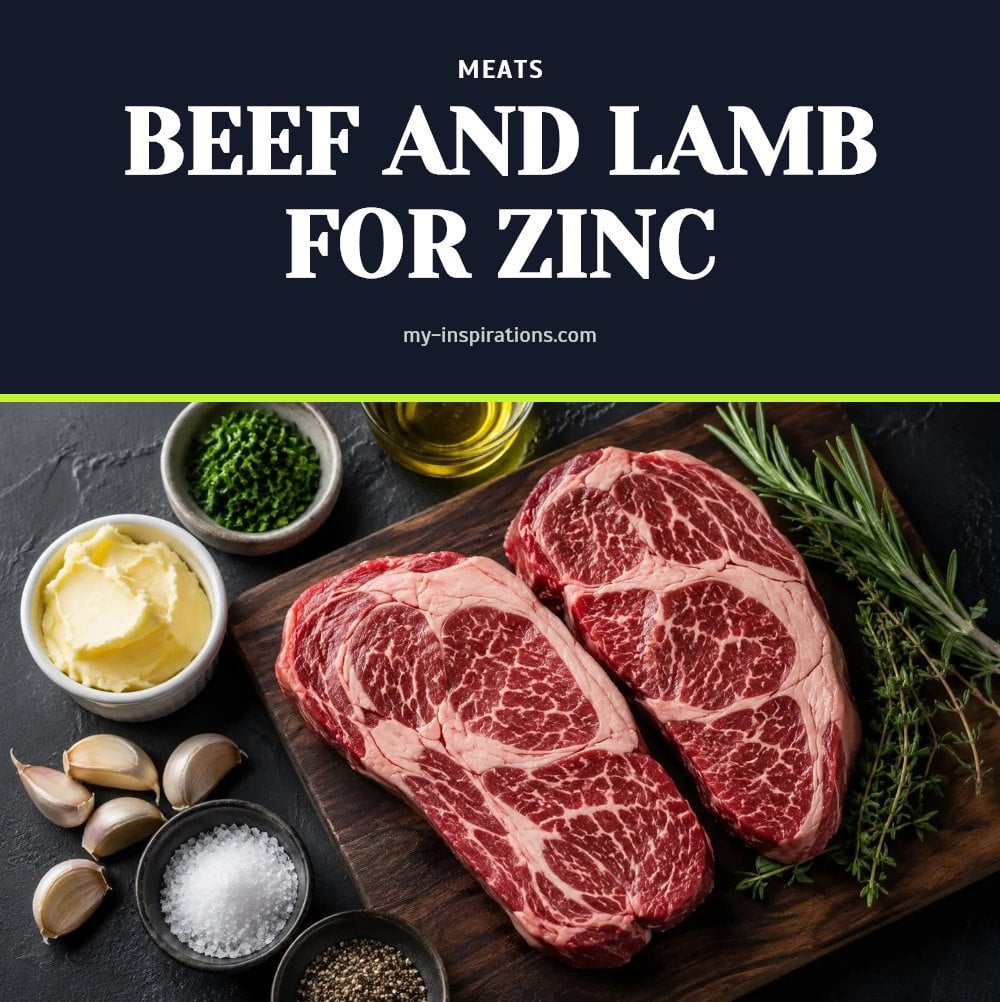
Red meat, especially beef and lamb, is an excellent source of highly absorbable zinc. It also provides other essential nutrients like iron and B vitamins that work together to support your overall health.
My tip: Opt for lean cuts, such as sirloin or loin chops, and incorporate them into your meals a few times a week. This helps you get a consistent zinc supply without excess saturated fat.
3. Poultry (Chicken and Turkey)
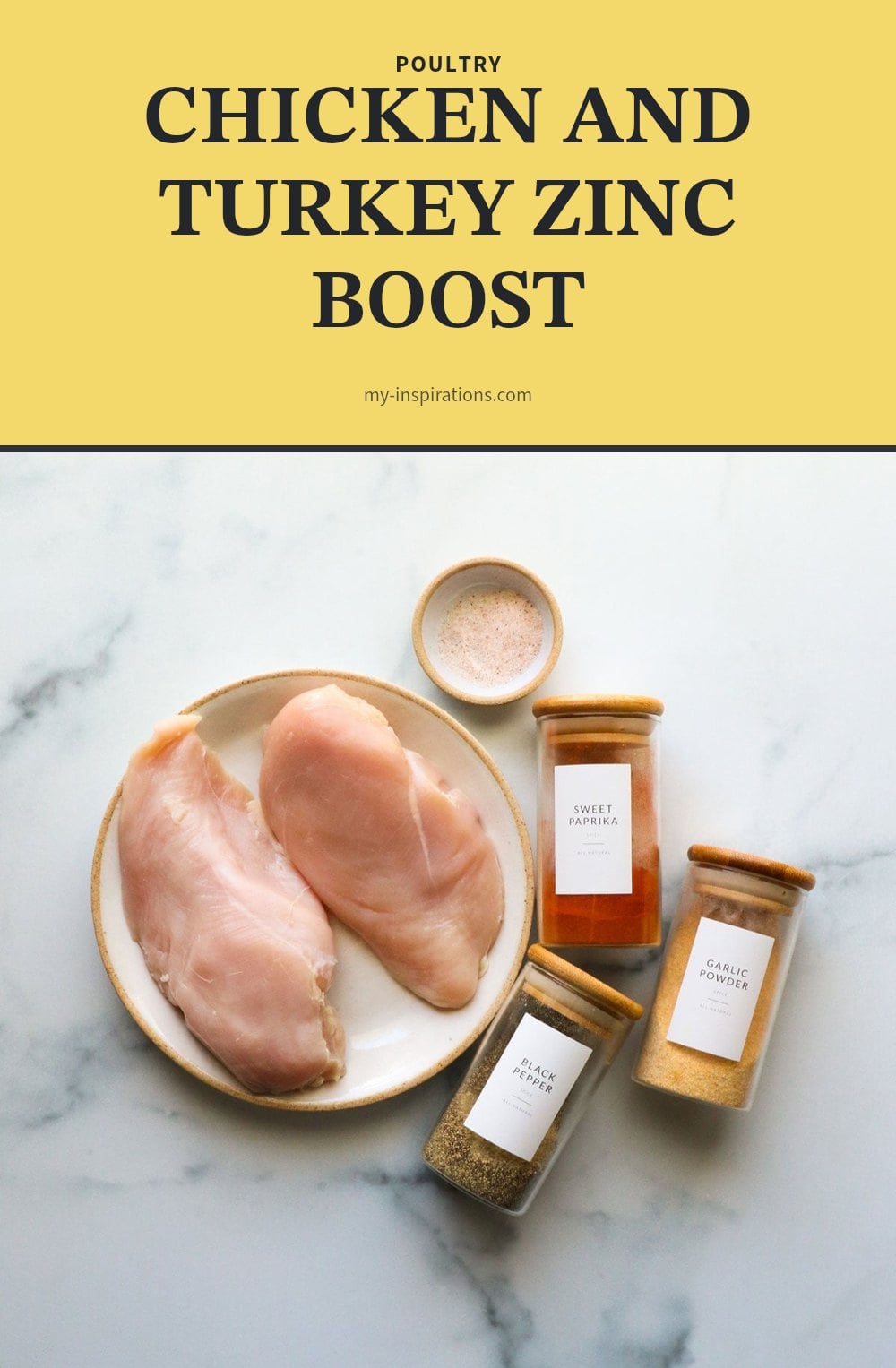
Chicken and turkey are good sources of zinc, particularly the dark meat portions. They are versatile and can be easily included in a wide range of dishes, from stir-fries to salads and sandwiches.
Tip: Include poultry in your stir-fries, salads, and sandwiches for a consistent zinc supply. Rotating between chicken and turkey keeps your meals interesting while supporting your intake.
4. Legumes (Chickpeas, Lentils, Beans)
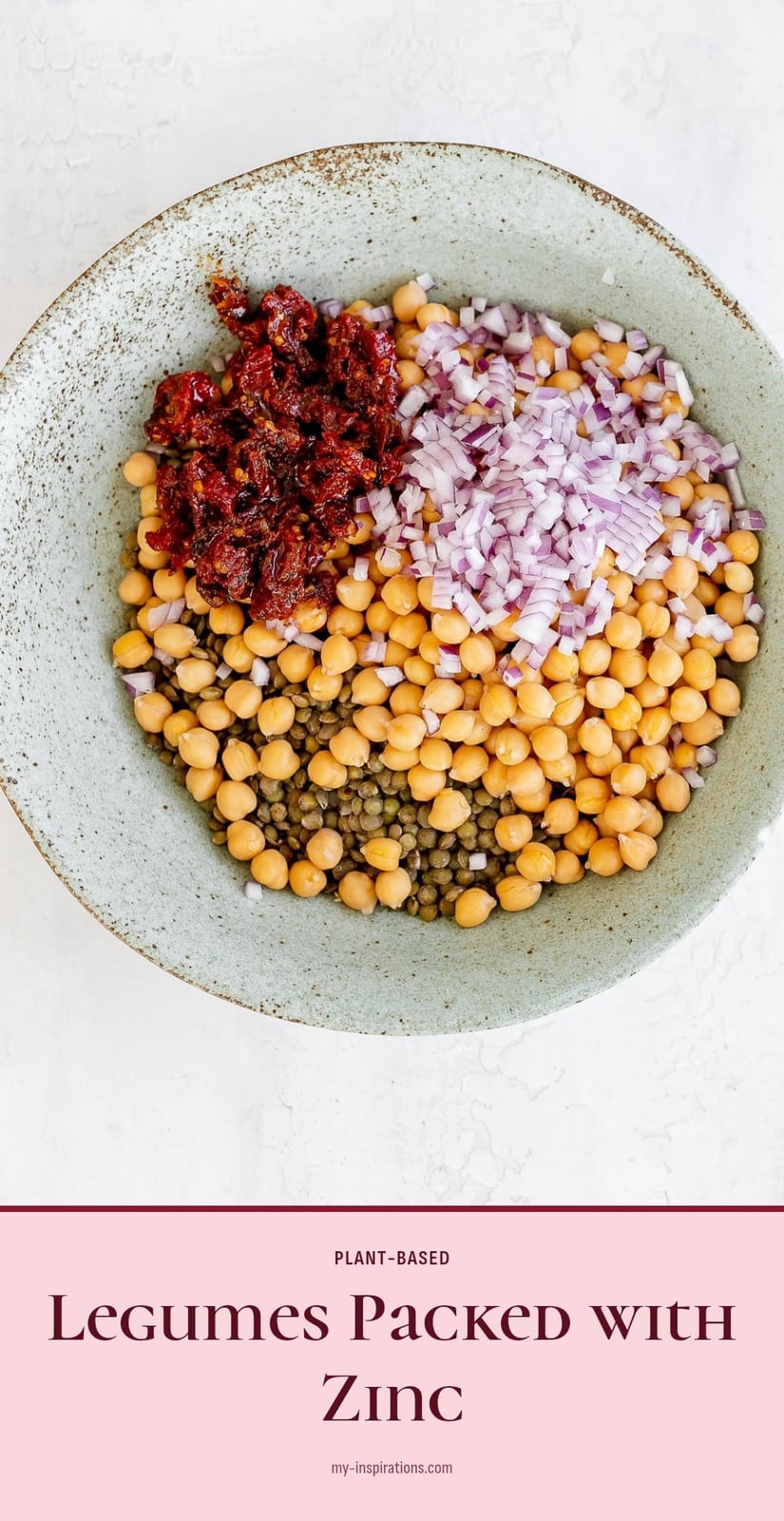
Legumes like chickpeas, lentils, and beans are a solid plant-based source of zinc, but they also contain phytates, which can bind to the mineral and lower absorption. The good news is that a little prep fixes that. Good to know: soak legumes overnight or sprout them before cooking, both methods reduce phytate content and make the zinc easier for your body to use. Then add chickpeas to salads, lentils to soups, and beans to chili for a fiber and zinc boost that fits into meals you already make.
5. Nuts (Cashews, Almonds)
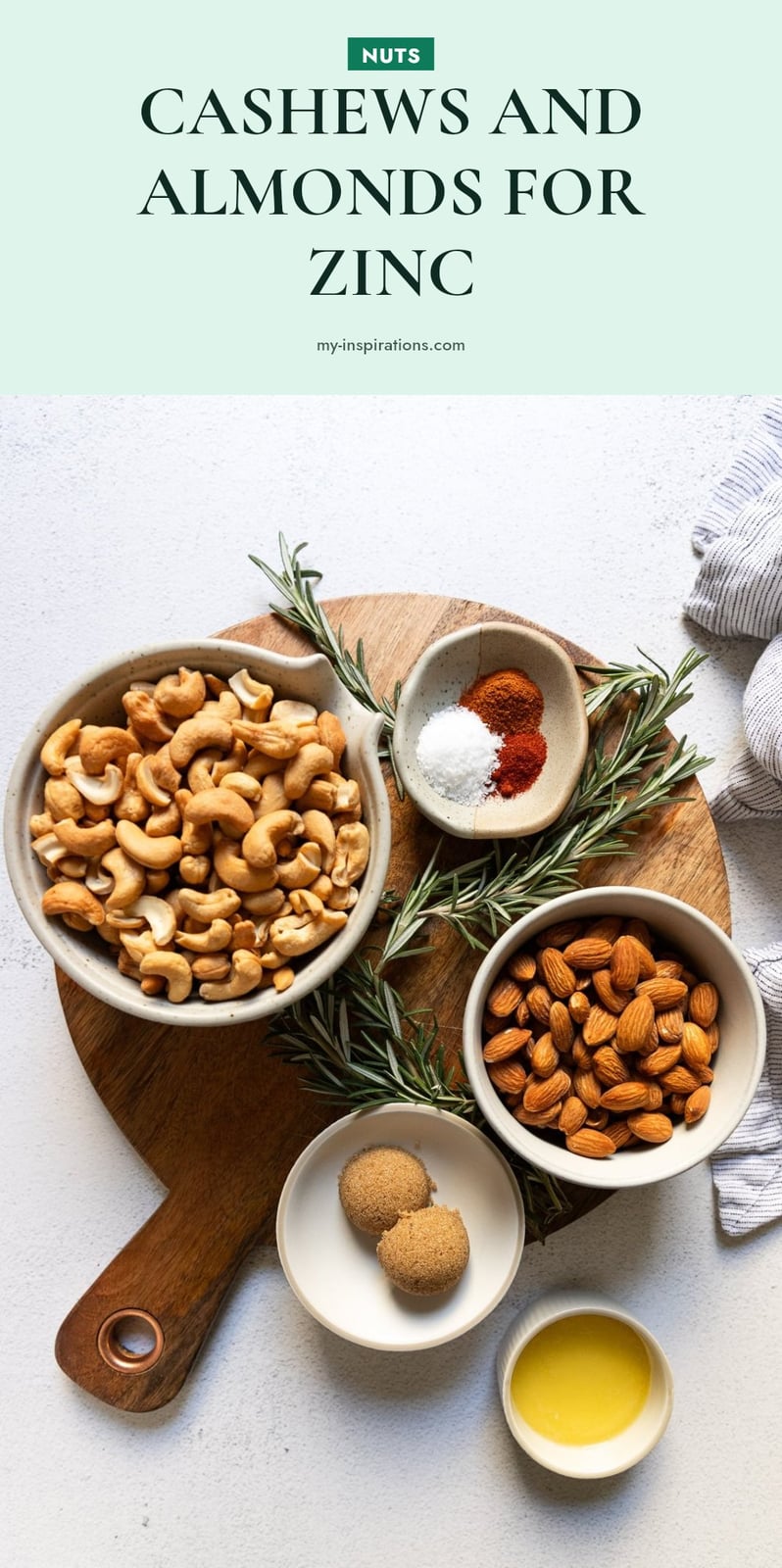
Cashews and almonds are convenient, tasty sources of zinc that you can take anywhere. They also provide healthy fats, fiber, and other minerals like magnesium, making them a smart snack choice. Pro move: Keep a handful of nuts in your bag for a quick snack, or sprinkle them over oatmeal and yogurt for added crunch and zinc.
6. Seeds (Pumpkin, Sesame)
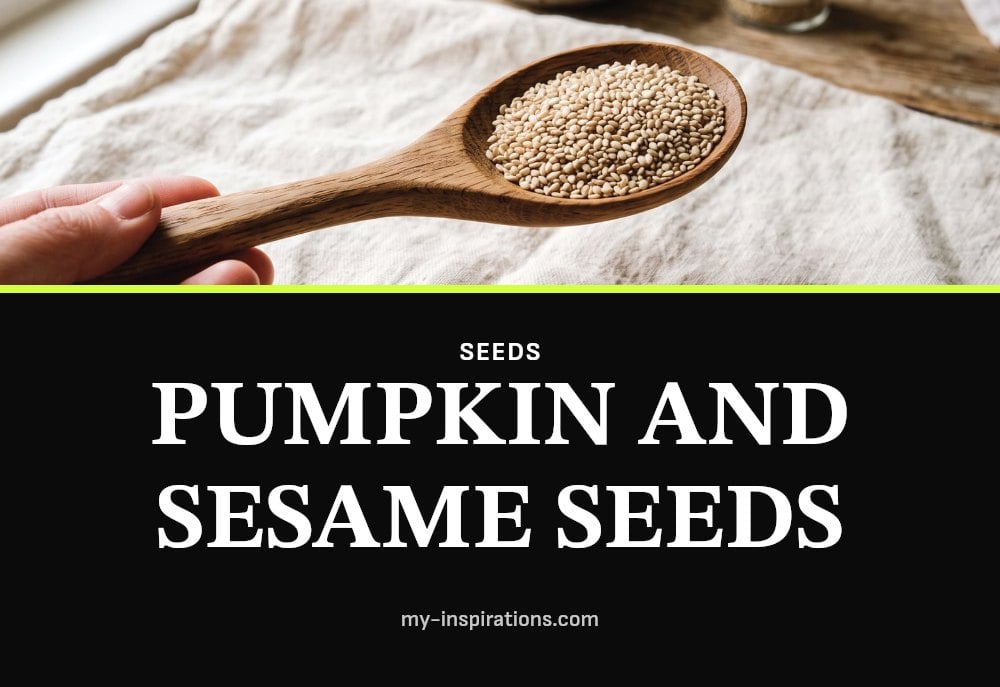
Pumpkin seeds and sesame seeds (often eaten as tahini) are particularly rich in zinc. They are easy to incorporate into many dishes for an extra nutritional punch without much effort. Quick tip: Sprinkle pumpkin seeds on salads or yogurt, and use tahini in dressings or hummus for a creamy, zinc-rich addition.
7. Whole Grains (Oats, Quinoa, Brown Rice)
Whole grains like oats, quinoa, and brown rice contain zinc, but they also have phytates that can hinder absorption, similar to legumes. Fermenting or sprouting grains can help break down these compounds and improve zinc bioavailability. Tip: Enjoy whole grain oats for breakfast, quinoa as a side dish, or brown rice with your meals to get a steady supply of zinc.
8. Dairy Products (Milk, Yogurt, Cheese)
Dairy products like milk, yogurt, and cheese are a convenient source of zinc for anyone who includes them in their diet regularly. Beyond zinc, they also deliver calcium for strong bones and protein for muscle repair and growth.
Good to know: Start your day with a bowl of yogurt, add a slice of cheese to your sandwich, or drink a glass of milk with dinner. These small additions add up over time.
9. Eggs
Eggs provide a modest but steady supply of zinc, along with high-quality protein and essential vitamins like B12 and D. Their versatility makes them an easy choice for any meal.
- Scramble them for breakfast, boil them for a portable snack, or make an omelet with vegetables for lunch or dinner.
Pro move: Keep hard-boiled eggs in the fridge for a quick, zinc-rich snack you can grab on the go.
10. Dark Chocolate
Dark chocolate with high cocoa content is a pleasant way to add zinc to your diet. It also contains antioxidants that support overall health, but the calories add up quickly.
Quick tip: Choose dark chocolate with 70% cocoa or higher to get the most zinc and antioxidants per bite. A square or two a day is plenty.
11. Fortified Cereals
Some breakfast cereals are fortified with zinc, offering a simple way to increase your intake without changing your routine. Always check the nutrition label to confirm the zinc amount and pick a brand low in added sugar.
Tip: Pair your fortified cereal with milk (another zinc source) and top with fresh fruit for a balanced, zinc-rich breakfast that keeps you full.
Common Mistakes When Boosting Your Zinc Intake
Many people turn straight to supplements when they want more zinc, but food sources should come first. Whole foods deliver a mix of nutrients that work together, something a single pill can’t replicate. Good to know: Treat supplements as a backup plan, not the main event, and only after talking to a healthcare professional.
Plant-based eaters should be aware of phytates in legumes and grains, which can affect zinc absorption. These compounds naturally bind to zinc and reduce how much your body absorbs. Soaking beans overnight, sprouting lentils, or fermenting grains like sourdough can lower phytate content and make the zinc more available.
Taking high doses of zinc supplements without guidance is another common mistake. Too much can cause nausea, vomiting, and even interfere with copper absorption over time. A doctor or dietitian can help you determine the right amount for your needs.
Finally, don’t assume a balanced diet automatically covers everyone’s zinc requirements. Individual needs vary based on age, diet type, and health conditions. If you notice frequent infections or slow wound healing, check in with a professional rather than guessing.
Frequently Asked Questions
What are the signs of low zinc?
Signs of low zinc can include frequent infections, slow wound healing, hair loss, and a loss of appetite or sense of taste. If you notice these symptoms persistently, it’s a good idea to check in with a healthcare professional to rule out a deficiency.
Can I get enough zinc from a vegetarian diet?
Yes, it’s possible to get enough zinc from a vegetarian diet, but you may need to be more intentional. Focus on zinc-rich plant foods like legumes, nuts, seeds, and whole grains, and use preparation methods like soaking or sprouting to improve absorption. Pairing them with dairy or eggs can also help.
How much zinc do I need daily?
Daily zinc needs vary by age, gender, and life stage. For most adults, the recommended amount is around 8 to 11 milligrams per day. Pregnant or breastfeeding women and teenagers may need slightly more. A healthcare provider can give you a specific target based on your situation.
Does cooking affect zinc content in food?
Cooking methods like boiling can cause some zinc to leach into cooking water, especially for vegetables and grains. Steaming or roasting tends to retain more zinc. For animal sources like meat and oysters, cooking doesn’t significantly reduce zinc content, so you can prepare them as you normally would.
What foods should I avoid if I’m trying to increase zinc absorption?
Foods high in phytates, like unprocessed bran, whole grains, and legumes, can bind to zinc and reduce absorption. That doesn’t mean you should avoid them, just prepare them properly by soaking, sprouting, or fermenting. Also, avoid taking calcium or iron supplements at the same meal as zinc-rich foods, as they can compete for absorption.
Final Thoughts
For most people, getting enough zinc from food is easier than you think. Start by including at least one animal-based source like beef or chicken and one plant-based source like chickpeas or pumpkin seeds in your daily meals. Realistically, it can take a few weeks of consistent intake to notice improvements in energy or immune function, so be patient with your body.
Your best bet is to focus on whole foods first and only consider supplements after talking to a doctor or dietitian. A balanced plate with a variety of these zinc-rich foods will serve you well over time.
This article is for general informational purposes only and does not constitute medical or dietary advice. Zinc needs can vary based on individual health conditions, medications, and life stages. If you suspect a deficiency or are considering supplements, please consult a doctor or registered dietitian for personalized guidance.