Menstrual Cycle Phases: Food and Workouts to Support Your Body
Understand the four menstrual cycle phases and how to align your nutrition and exercise for optimal well-being. Learn to support your body naturally.

Your menstrual cycle is more than just your period. It is a series of hormonal shifts that affect your energy, mood, and strength throughout the month. Understanding the four phases can help you make smarter choices about what you eat and how you move.
This article breaks down each phase, offers practical food and workout tips, and clears up common misconceptions so you can support your body all month long.
Key Takeaways
- Track your cycle to learn your unique phase lengths and symptoms.
- Eat iron-rich foods like leafy greens during menstruation to replenish lost iron.
- Try higher-intensity workouts in the follicular phase when energy rises.
- Choose gentle activities like yoga or walking during the luteal phase.
- See a doctor for heavy bleeding, severe pain, or cycles outside 21 to 35 days.
What Are the Four Menstrual Cycle Phases?
The menstrual cycle is a roughly 28-day process, divided into four main phases: menstruation, follicular, ovulation, and luteal. Each phase is driven by distinct hormonal shifts that influence your energy, mood, and physical capabilities. Understanding these phases helps you tailor nutrition and exercise to support your body’s natural rhythms. Keep in mind that a healthy cycle can range from 21 to 35 days, so your timeline may differ.
1. Phase 1: Menstruation (Your Period)
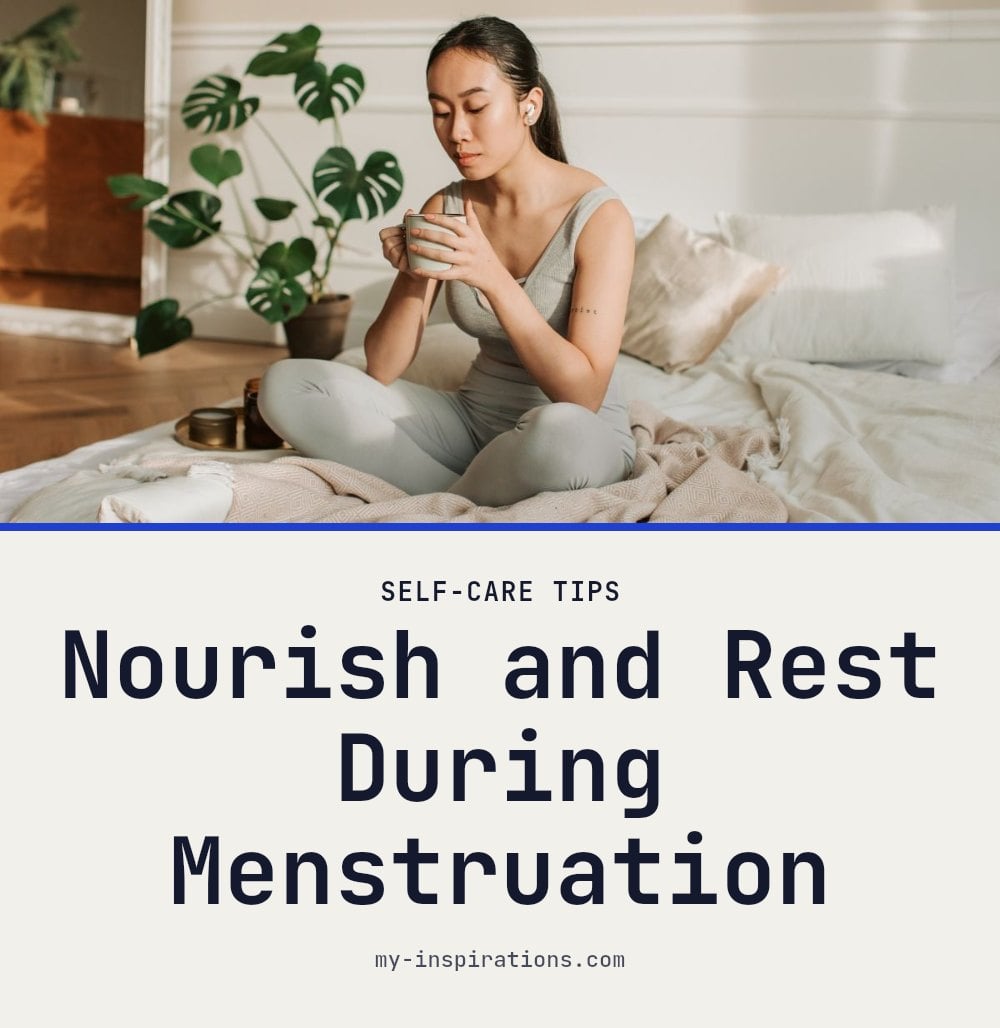
Menstruation is the shedding of the uterine lining, typically lasting 3 to 7 days. Hormone levels (estrogen and progesterone) are at their lowest during this phase, which can leave you feeling tired or low in energy.
Focus on rest and gentle movement: Think walking, stretching, or light yoga. Replenish iron with nutrient-dense foods like leafy greens, lean meats, and legumes. Staying hydrated also helps ease common symptoms like bloating.
2. Phase 2: Follicular Phase (Rising Energy)
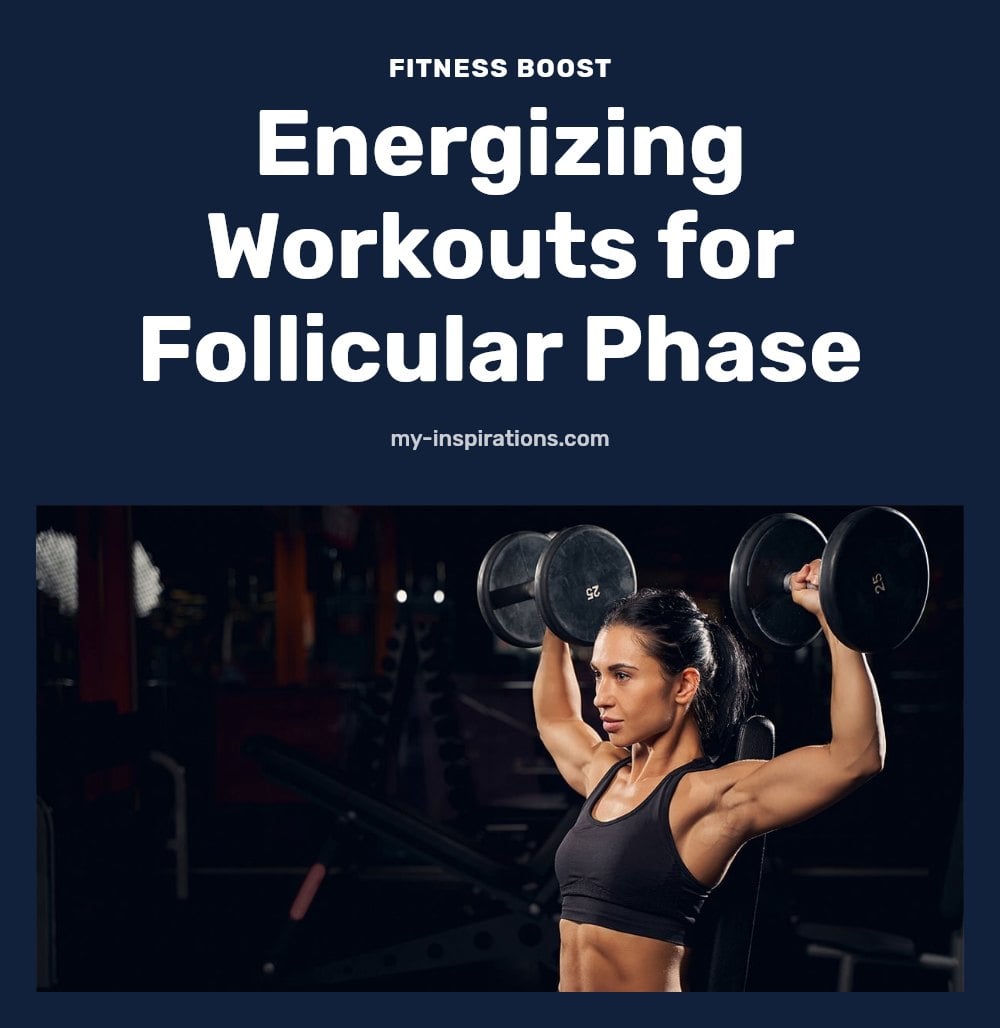
The follicular phase starts after menstruation, on day one of your period, and typically lasts until ovulation, around day 14. Estrogen levels rise, preparing an egg for release and thickening the uterine lining. This phase often brings increased energy and strength, making it ideal for higher-intensity workouts and trying new fitness challenges.
My tip: Schedule strength training, HIIT, or a new class during this window. Your body is primed for recovery and growth, so you may notice better performance and quicker results.
3. Phase 3: Ovulation (Peak Energy)
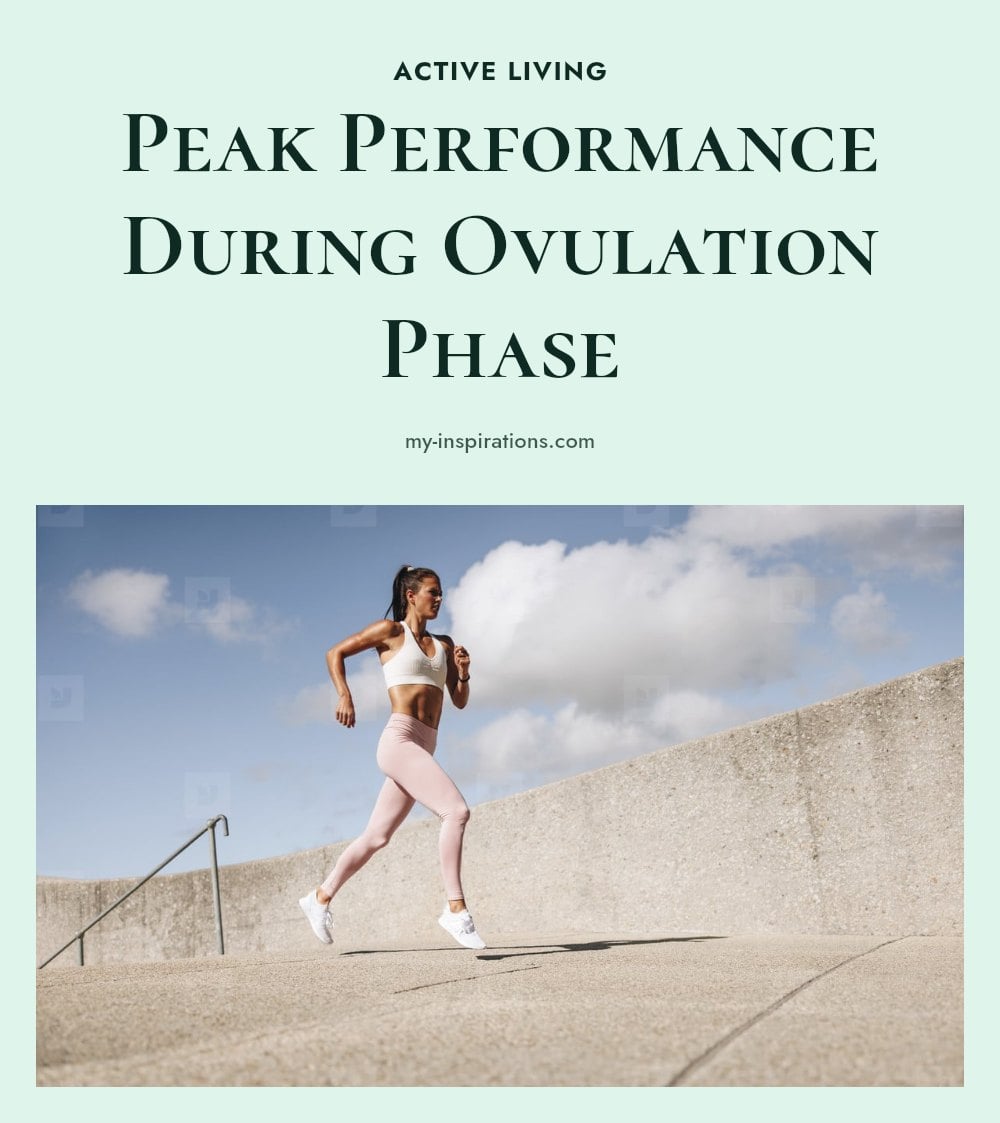
Ovulation is the brief 24-hour window when an egg is released from the ovary, usually around day 14 of a 28-day cycle, lasting about 24 hours. A surge in Luteinizing Hormone (LH) triggers this event. You might feel your most energetic and focused during ovulation, making it a great time for peak performance in workouts and social activities.
Pro move: Use this day for a challenging run, a heavy lifting session, or a high-energy group class. Your coordination and pain tolerance may also be at their best.
4. Phase 4: Luteal Phase (Winding Down)
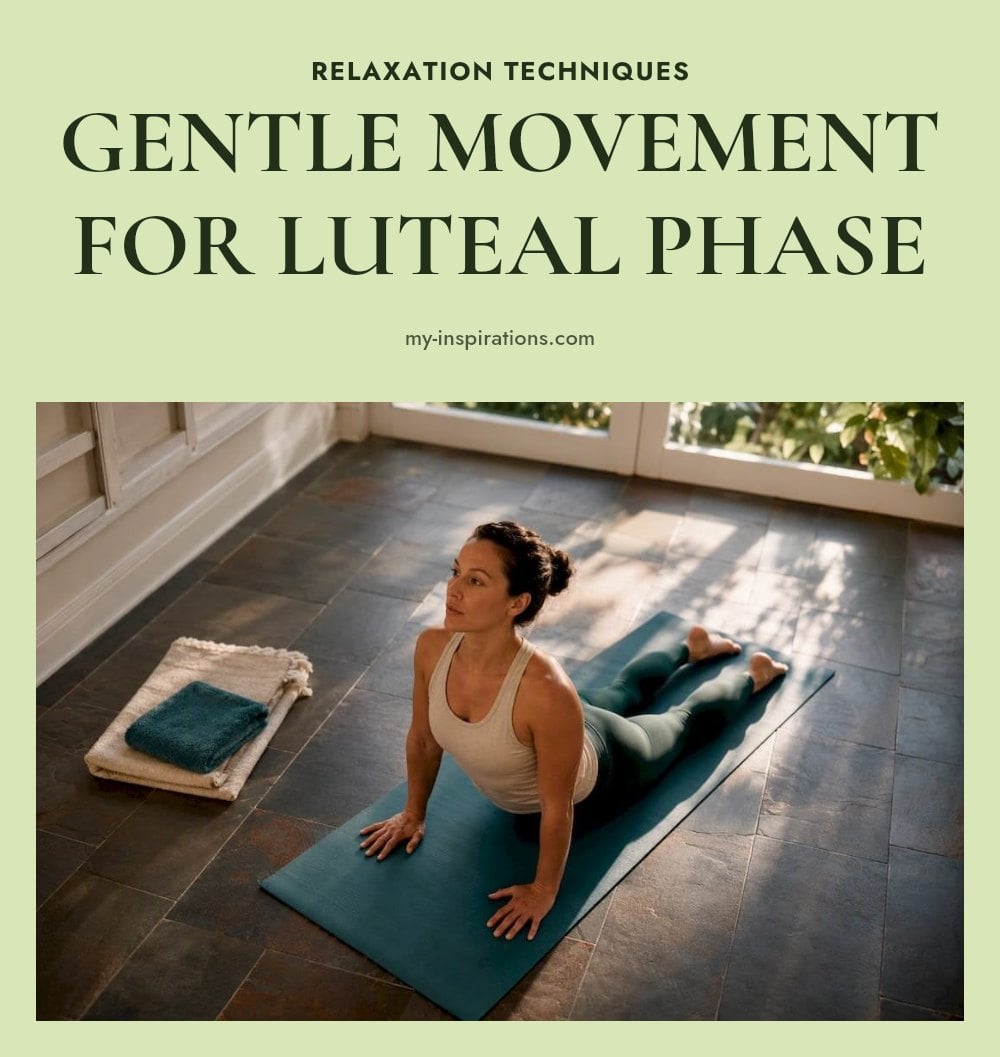
The luteal phase follows ovulation and lasts until your next period, typically around day 28 of a 28-day cycle. Progesterone levels rise to prepare the uterus for a potential pregnancy, and if no pregnancy occurs, both estrogen and progesterone drop. This hormonal shift can cause energy levels to decrease, and you might experience PMS symptoms like bloating, mood changes, or cravings.
Focus on gentle movement such as walking or yoga, and allow yourself comfort foods that are still nutrient-dense. Stress reduction becomes especially important during this phase, so prioritize rest and relaxation.
Common Mistakes When Aligning Your Lifestyle with Your Cycle
Many people assume all cycles are exactly 28 days, but healthy cycles range from 21 to 35 days. Track your own unique pattern rather than comparing to an average.
Ignoring your body’s signals: Don’t push through intense workouts if you feel fatigued. Your body’s cues are your best guide for adjusting activity levels.
Failing to adjust nutrition: Forgetting to increase iron during menstruation or neglecting balanced nutrition can impact hormonal health. Adjust your diet to support each phase.
Rigidly adhering to ‘cycle syncing’ rules: Use cycle awareness as a flexible guide, not a strict regimen. Adjust based on your personal experience and how you actually feel.
Practical Tips for Supporting Your Cycle Phases
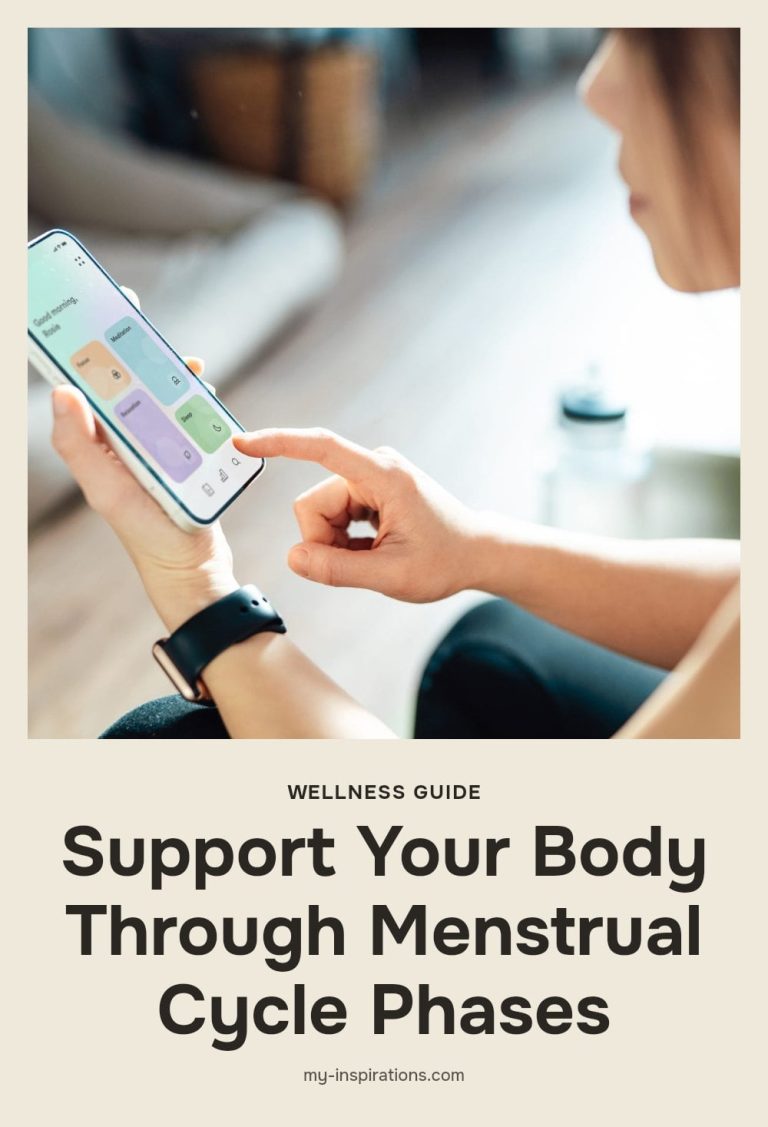
Track your cycle: Use an app or journal to identify your unique phase lengths, symptoms, and energy patterns. This helps you anticipate and plan for each phase.
Prioritize nutrient-dense foods: Focus on whole foods, especially iron-rich options like leafy greens and lean meats during menstruation. Stay well-hydrated throughout your cycle.
Listen to your body: Adjust exercise intensity and type based on your energy levels. Opt for higher-intensity workouts during the follicular and ovulatory phases, and gentler movement during the luteal and menstrual phases.
Consult a professional: If you have persistent concerns about your cycle or symptoms, talk to a healthcare provider or registered dietitian for personalized advice.
When to Talk to a Healthcare Professional About Your Cycle
If you experience unusually heavy bleeding, severe pain, or cycles consistently shorter than 21 days or longer than 35 days, consult a doctor. Also seek medical attention for any sudden changes in your cycle or new, concerning symptoms.
This information is for general knowledge and does not replace professional medical advice. Always consult with a doctor or registered dietitian for personalized health and nutrition recommendations.
Frequently Asked Questions
Can stress affect my menstrual cycle phases?
Yes, stress can influence your cycle. High stress levels may delay ovulation or cause irregular cycles, which can shift the timing of each phase. Many people find that managing stress through relaxation techniques, adequate sleep, and gentle exercise helps keep their cycle more regular. If you notice persistent changes, talk to your doctor.
What are common symptoms during the luteal phase?
In the luteal phase, some people experience fatigue, bloating, mood changes, and food cravings. These symptoms are often linked to rising progesterone and changing hormone levels. You may also notice breast tenderness or trouble sleeping. Listening to your body and choosing lower-intensity activities can help you feel more comfortable during this time.
Is ‘cycle syncing’ suitable for everyone?
Cycle syncing is a flexible approach, not a strict prescription. It works well for many people, but it is not one-size-fits-all. Your cycle length and symptoms are unique, so adjust the suggestions to fit your energy and lifestyle. If you have irregular cycles or a medical condition, consult a healthcare professional before making major changes.
What happens in each menstrual cycle phase?
During menstruation, the uterine lining sheds and hormone levels are low. The follicular phase follows, with rising estrogen that thickens the lining and prepares an egg. Ovulation releases the egg around day 14, triggered by an LH surge. The luteal phase then raises progesterone to support a potential pregnancy, and if none occurs, hormone levels drop and the cycle restarts.
Final Thoughts
Aligning your lifestyle with your cycle is about flexibility, not rigid rules. Let your energy guide your workouts and your cravings guide your food choices, while keeping nutrient-dense meals a priority. Expect that some months will feel different, and that is normal.
If you are ever unsure about a symptom or a sudden change, check in with a healthcare provider. Your cycle is a personal signal, and learning to read it takes time and patience.
This article is for general informational purposes only and does not replace professional medical advice. If you have concerns about your menstrual cycle, severe pain, or unusual symptoms, please consult a doctor or a registered dietitian for personalized guidance.