Understanding and Managing Jealousy in Relationships
Learn how to stop jealousy by understanding triggers, boosting self-esteem, and communicating effectively. Reclaim your peace and strengthen relationships.

Jealousy can feel like a knot in your stomach, especially when it creeps into a relationship you value. It’s a natural emotion, but when it starts driving your actions, it can steal your peace and strain your connections. This article breaks down where jealousy comes from, offers practical strategies to manage it, and helps you build a stronger sense of self so you can respond with clarity instead of fear.
Key Takeaways
- Jealousy differs from envy: it involves a perceived threat to a relationship, not just wanting what someone else has.
- Identify your specific triggers, like certain situations or thoughts, to manage reactions before they escalate.
- Challenge catastrophizing thoughts by asking if the worst-case scenario is truly likely.
- Build self-worth through independent activities to reduce reliance on external validation.
- Seek professional help if jealousy leads to controlling, aggressive, or abusive behavior.
Understanding Jealousy: A Natural But Manageable Emotion
Jealousy is a natural human emotion, but it often masks deeper feelings of insecurity or fear of loss. Unlike envy, where you want something someone else has, jealousy involves a perceived threat to a valued relationship, a third person, a job, or even a hobby. Managing it is possible through self-awareness, honest communication, and actively challenging the negative thoughts that feed it. The goal isn’t to erase jealousy, but to keep it from controlling your actions.
Why We Feel Jealous: Unpacking the Roots of This Emotion
Why We Feel Jealous: Unpacking the Roots of This Emotion
Jealousy usually starts with how we feel about ourselves. Low self-esteem and insecurity make us more sensitive to perceived threats, even when none exist. Past betrayals or attachment insecurities (like a fear of abandonment) can also prime your brain to expect the worst.
External triggers matter too. A partner spending time with a coworker, a friend achieving something you wanted, or even a seemingly innocent social media post can spark jealousy. Comparing your relationship or life to others, especially on curated platforms like Instagram, fuels that feeling of inadequacy.
Recognizing that jealousy often says more about your own fears than about the other person is the first step to managing it. It’s not about blaming yourself, but about understanding the root so you can address it.
Effective Strategies to Manage Jealous Feelings
Effective Strategies to Manage Jealous Feelings
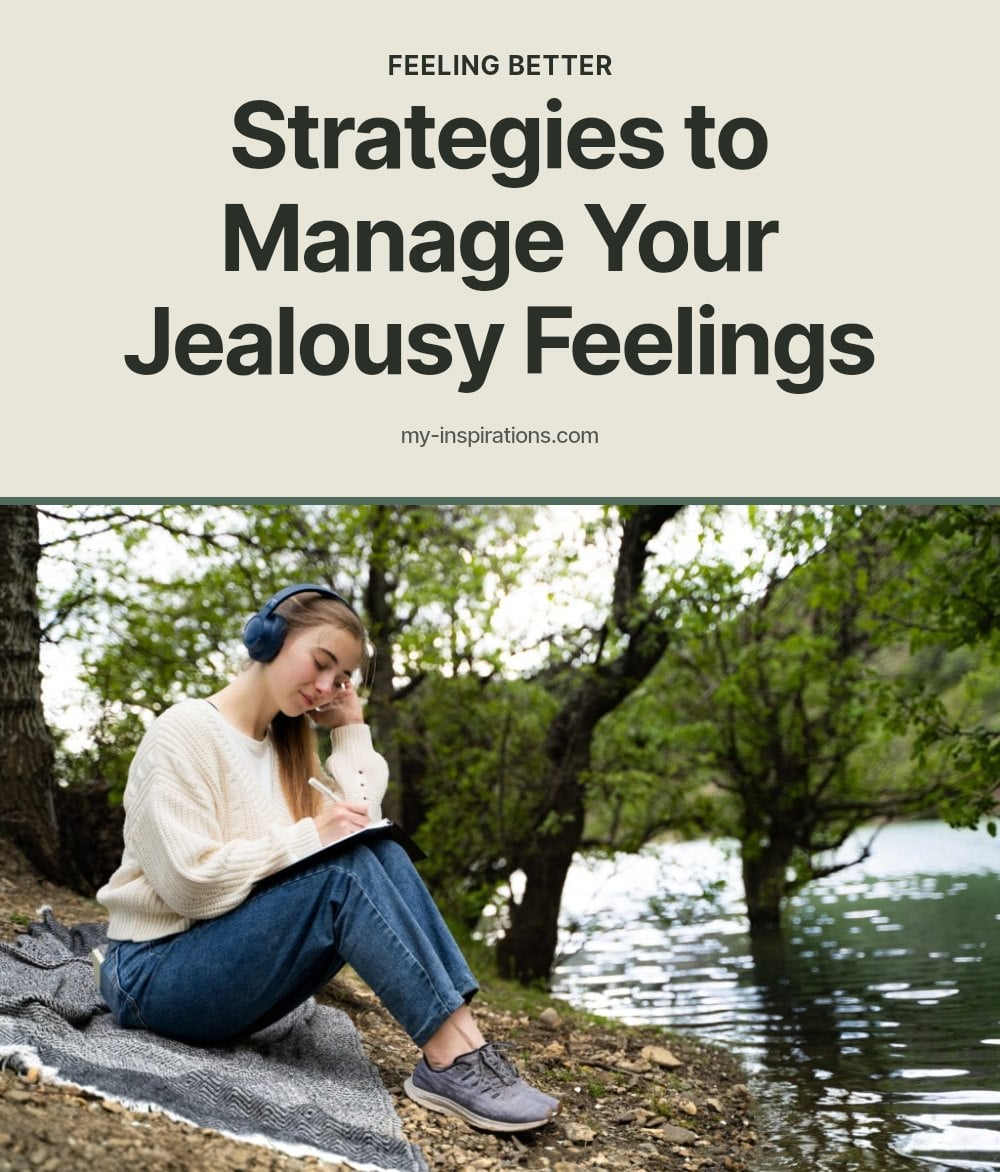
You can’t stop jealousy from appearing, but you can change how you respond to it. Here are strategies that work.
Identify your triggers. Notice the specific situations, people, or thoughts that spark jealousy. Is it when your partner talks to an ex? When a colleague gets praise? Writing it down helps you see patterns and prepare.
Communicate with ‘I’ statements. Instead of saying, “You always flirt with her,” try, “I feel anxious when I see you two laughing together, and I’d like to understand your friendship better.” This opens a conversation instead of starting a fight.
Challenge irrational thoughts. Jealousy loves worst-case scenarios. Ask yourself: What’s the evidence? Is there a more likely explanation? Catastrophizing (imagining the worst) feeds jealousy; grounding yourself in facts cools it down.
Build your self-worth. My tip: Spend 15 minutes a day on something that makes you feel capable, a hobby, exercise, learning a skill. The more secure you feel in yourself, the less you need external reassurance.
Practice mindfulness. When jealousy hits, pause and notice the feeling without judging it. Say to yourself, “I’m feeling jealous right now.” That simple act can prevent a reactive outburst and give you space to choose a better response.
Focus on gratitude. Each day, write down one thing you appreciate about your relationship or yourself. Shifting attention to what’s good reduces the power of perceived threats.
Building Self-Esteem to Combat Insecurity-Driven Jealousy

Building Self-Esteem to Combat Insecurity-Driven Jealousy
When your self-worth depends on someone else’s attention or approval, jealousy has fertile ground to grow. A strong sense of self acts as a buffer. You’re less likely to feel threatened by harmless interactions when you know your own value.
Start with small, confidence-boosting actions: take a class, volunteer, or finish a project you’ve been putting off. Each accomplishment reinforces your independence. Also, cultivate interests and friendships that are entirely yours. Having a life outside your relationship makes you less reliant on that one person for validation.
Independence doesn’t mean distance. It means you choose the relationship because you want it, not because you need it. That shift alone can dramatically reduce jealousy.
Common Mistakes When Dealing With Jealousy
Confusing jealousy with envy: Jealousy involves a perceived threat to a relationship, while envy is simply wanting what someone else has. Mistaking the two leads you to misdiagnose the real issue. When you feel that pang, ask yourself: Is this about losing someone, or about wanting something they have?
Believing jealousy equals true love: Jealousy is not a sign of deeper affection. It can be destructive and controlling. Real love is built on trust and respect, not possessiveness. Treat jealousy as a signal to work on yourself, not proof of passion.
Trying to control others: Checking a partner’s phone or restricting their friendships may temporarily soothe anxiety, but it damages trust and pushes them away. Instead, focus on what you can control: your own reactions and building self-trust. That shift keeps the relationship healthier and reduces the urge to monitor.
Ignoring or denying jealous feelings: Suppressing jealousy only lets it grow. Acknowledge the emotion without judgment. Naming it is the first step to managing it.
Expecting a partner to ‘fix’ your jealousy: Your jealousy is your responsibility. While open communication helps, the internal work of building self-esteem and challenging irrational thoughts has to come from you.
Blaming external factors solely: Social media, past betrayals, or a partner’s actions can trigger jealousy, but internal insecurities play a major role. Own your part so you can change it.
Best Tips for Cultivating Secure Relationships
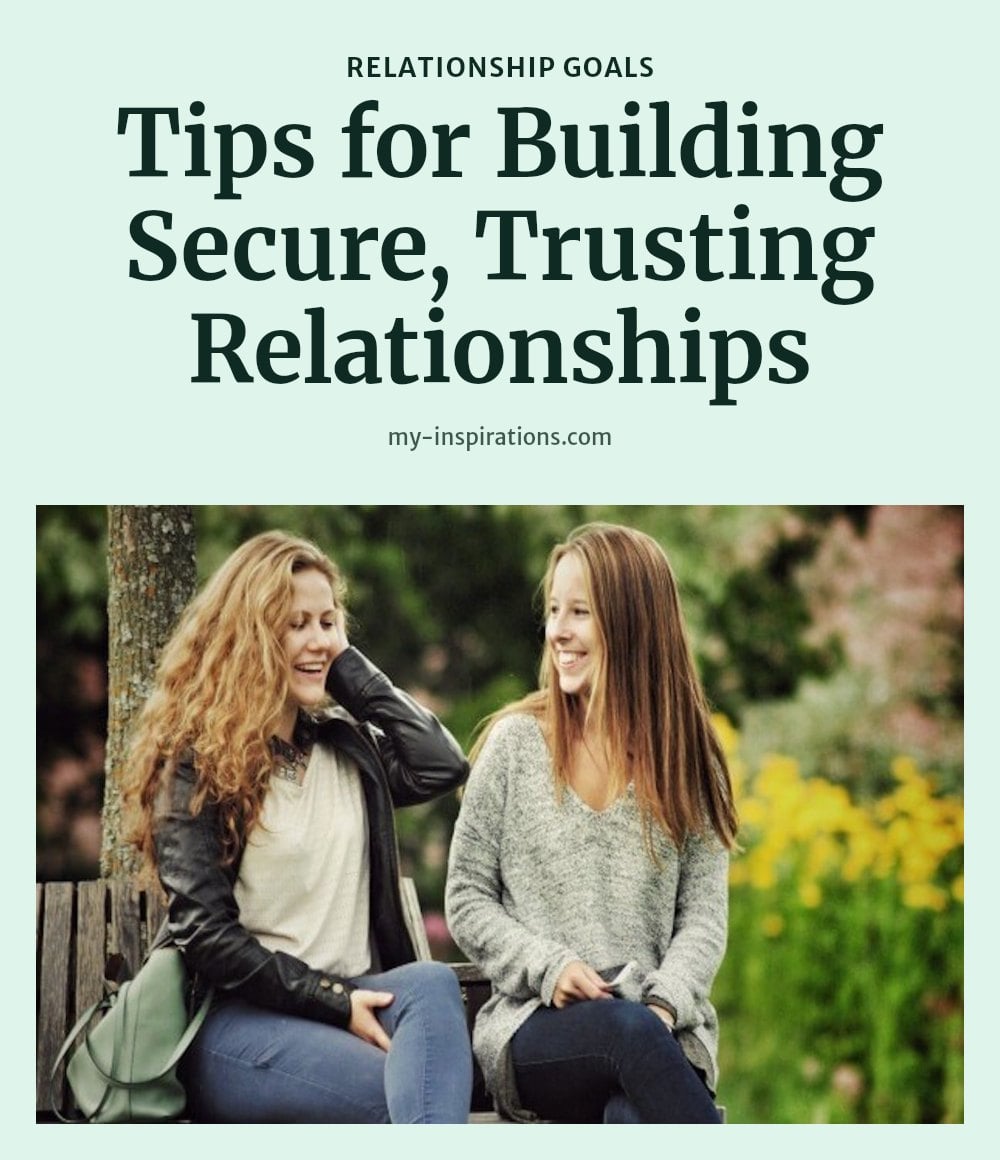
Set healthy boundaries: Define what makes you feel secure and communicate it clearly. Boundaries protect both of you and prevent misunderstandings from escalating.
Focus on gratitude: Regularly acknowledge what you appreciate in your relationships. A simple mental note each day shifts attention away from perceived threats and toward what is going well.
Practice active listening: Truly hear and understand the other person’s perspective without planning your reply. This builds trust and reduces the space for assumptions.
Engage in separate activities: Maintain individual interests and friendships. Independence creates a secure foundation because you are not relying on one person for all your fulfillment.
Limit social media comparison: Curated feeds often show only the highlights, not the full picture. Set a timer for scrolling or mute accounts that trigger feelings of inadequacy. Your real life includes the messy, ordinary moments that feeds leave out.
When to Seek Professional Help for Jealousy
If jealousy leads to aggressive, abusive, or violent thoughts or behaviors toward yourself or others, seek professional help immediately. If a partner’s jealousy is controlling or abusive, prioritize your safety and contact a domestic violence resource. Persistent, overwhelming jealousy that impairs daily functioning or relationships may indicate an underlying condition that a therapist can help address. Consulting a counselor is a smart step when jealousy feels unmanageable.
The Journey to Overcoming Jealousy: What to Expect
Managing jealousy is an ongoing process, not a quick fix. With consistent effort, noticeable improvements can occur over weeks to months. Professional help can accelerate progress and provide tailored strategies. The primary investment is time and emotional energy, though therapy also has financial costs. Be patient with yourself. Each small step builds a more secure foundation.
Frequently Asked Questions
Is jealousy always a bad thing?
Not necessarily. Jealousy can be a signal that something feels threatened or that a need isn’t being met. It becomes problematic when it leads to controlling behavior, constant suspicion, or significant distress. Many people find that acknowledging jealousy as a cue to explore deeper insecurities can be a step toward healthier relationships.
How can I tell if my jealousy is becoming unhealthy?
Watch for signs like frequent accusations, checking your partner’s phone without permission, or feeling anxious whenever they’re away. If jealousy is causing arguments, limiting your partner’s friendships, or making you feel miserable most of the time, it’s likely crossed into unhealthy territory. At that point, seeking help from a therapist can be very useful.
Can social media make jealousy worse?
Yes, it often does. Constant comparisons to others, especially curated versions of their lives, can fuel feelings of inadequacy and jealousy. If you notice that scrolling through certain profiles triggers jealous thoughts, consider unfollowing those accounts or setting time limits. Reducing exposure can give your mind space to focus on your own relationships.
What’s the difference between jealousy and envy?
Jealousy involves a perceived threat to a relationship you value, like a partner spending time with someone else. Envy is wanting something someone else has, such as their job or lifestyle. Recognizing which one you’re feeling helps you address the real issue: either insecurity about loss or a desire for something different.
How long does it take to overcome jealousy?
There’s no set timeline, but many people see noticeable improvements within weeks to months of consistent practice. It depends on the root causes, your willingness to reflect, and whether you seek professional support. Think of it as a gradual process of building new habits, not a switch you flip overnight.
Final Thoughts
Start by naming what you feel and why. When jealousy arises, pause and ask yourself if the threat is real or if it’s rooted in insecurity. Practice open communication using ‘I’ statements, and set boundaries that protect your peace. Expect this to take time: noticeable shifts often happen over weeks to months with consistent effort. Be patient with yourself, and remember that managing jealousy is a skill you can strengthen, not a flaw you’re stuck with.
This article is for general informational purposes only and is not a substitute for professional advice. If jealousy is causing significant distress, affecting your relationships, or leading to harmful behaviors, please consult a licensed therapist or counselor. If you are in immediate danger or experiencing abuse, contact local emergency services or a domestic violence hotline.