Whiteheads: 8 Gentle Ways to Clear Them at Home
Learn 8 gentle and effective ways to clear whiteheads at home. Discover proven skincare ingredients and techniques for a clearer complexion.

Whiteheads are tiny, stubborn bumps that seem to appear out of nowhere, often on your forehead, chin, or nose. They’re a form of acne that happens when a pore gets clogged with oil and dead skin cells, and the opening stays closed. The good news is that with a gentle, consistent routine, you can clear them at home without harsh scrubbing or picking.
This article walks you through eight safe, effective ways to treat whiteheads, from the right cleanser to ingredients like salicylic acid and benzoyl peroxide, plus the mistakes to avoid along the way.
Key Takeaways
- Cleanse twice daily with a gentle, non-comedogenic cleanser to remove oil and dirt.
- Use salicylic acid (BHA) to exfoliate inside the pore and dissolve the plug.
- Apply benzoyl peroxide to kill bacteria and help shed dead skin cells.
- Exfoliate with an AHA 2-3 times a week for smoother skin.
- Never pick or squeeze whiteheads; it can cause scarring and infection.
What Are Whiteheads and Why Do They Appear?
Whiteheads are closed comedones, a common type of acne lesion. They form when a pore gets clogged with sebum (oil), dead skin cells, and bacteria, and the pore opening stays closed. This creates a small, white or flesh-colored bump on the skin. You’ll often see them on the face, chest, or back. They’re not a sign of poor hygiene, just a normal skin process that can be managed with the right routine.
1. Cleanse Gently Twice Daily
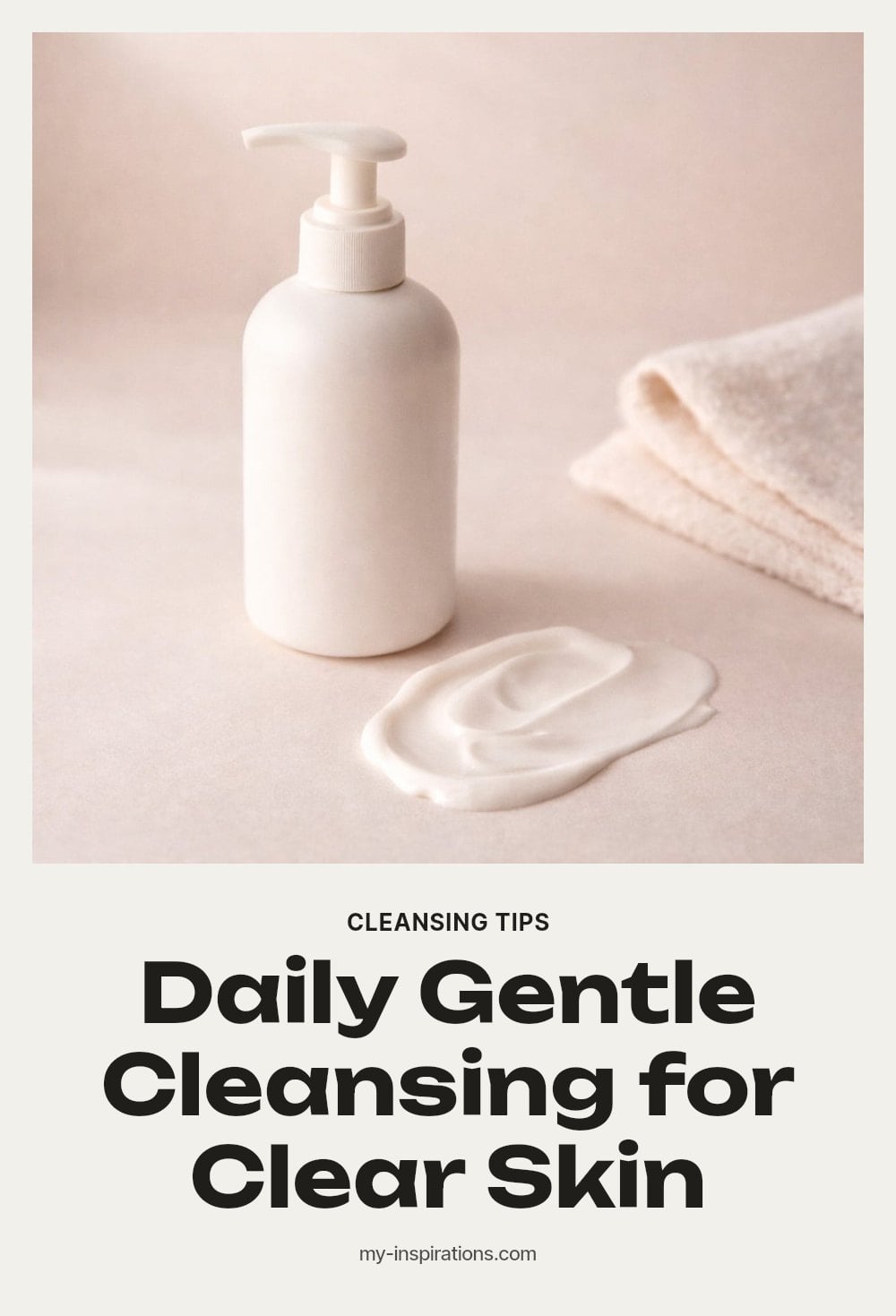
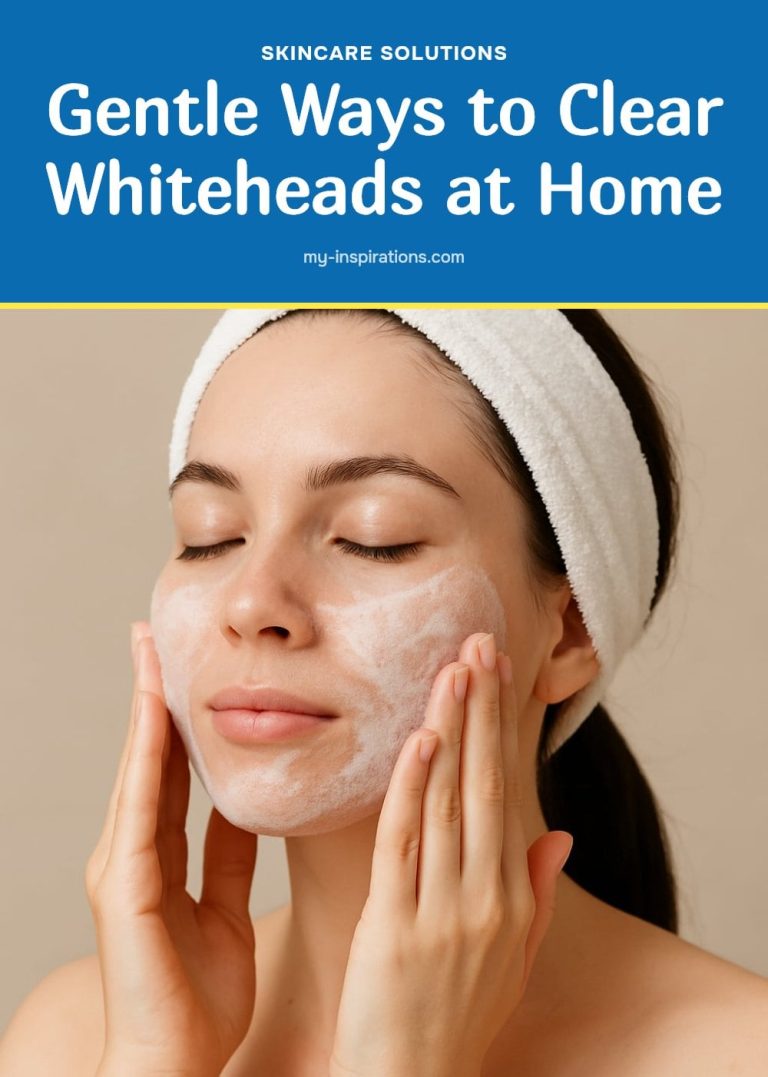
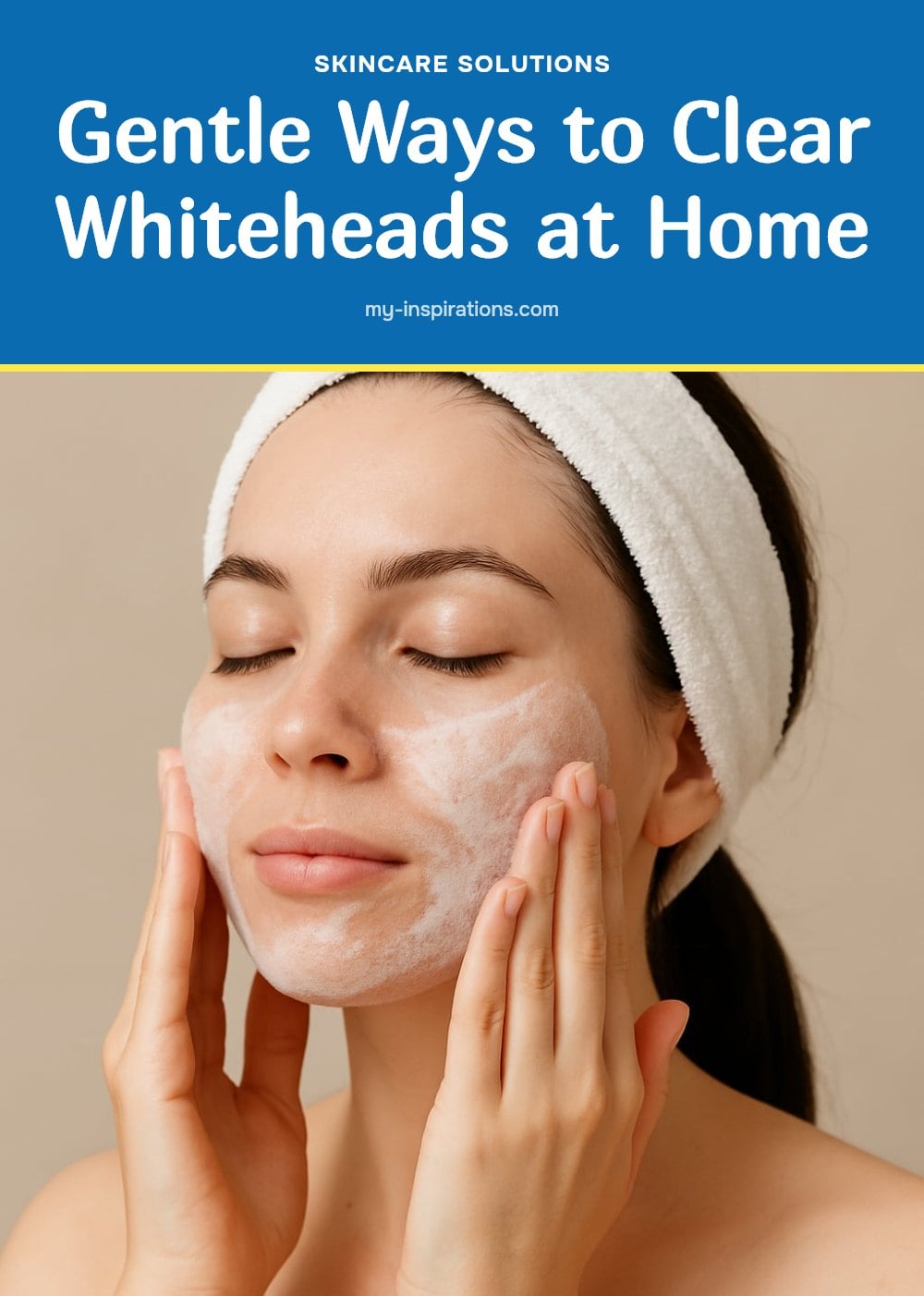
Use a gentle, non-comedogenic cleanser to wash your face twice a day. This removes surface oil, dirt, and makeup without stripping your skin’s natural moisture barrier. Harsh cleansers can actually trigger more oil production.
My tip: Over-washing or harsh scrubbing can irritate your skin and make whiteheads worse. Stick to a gentle, sulfate-free formula and lukewarm water. Pat dry with a clean towel, never rub.
2. Incorporate Salicylic Acid
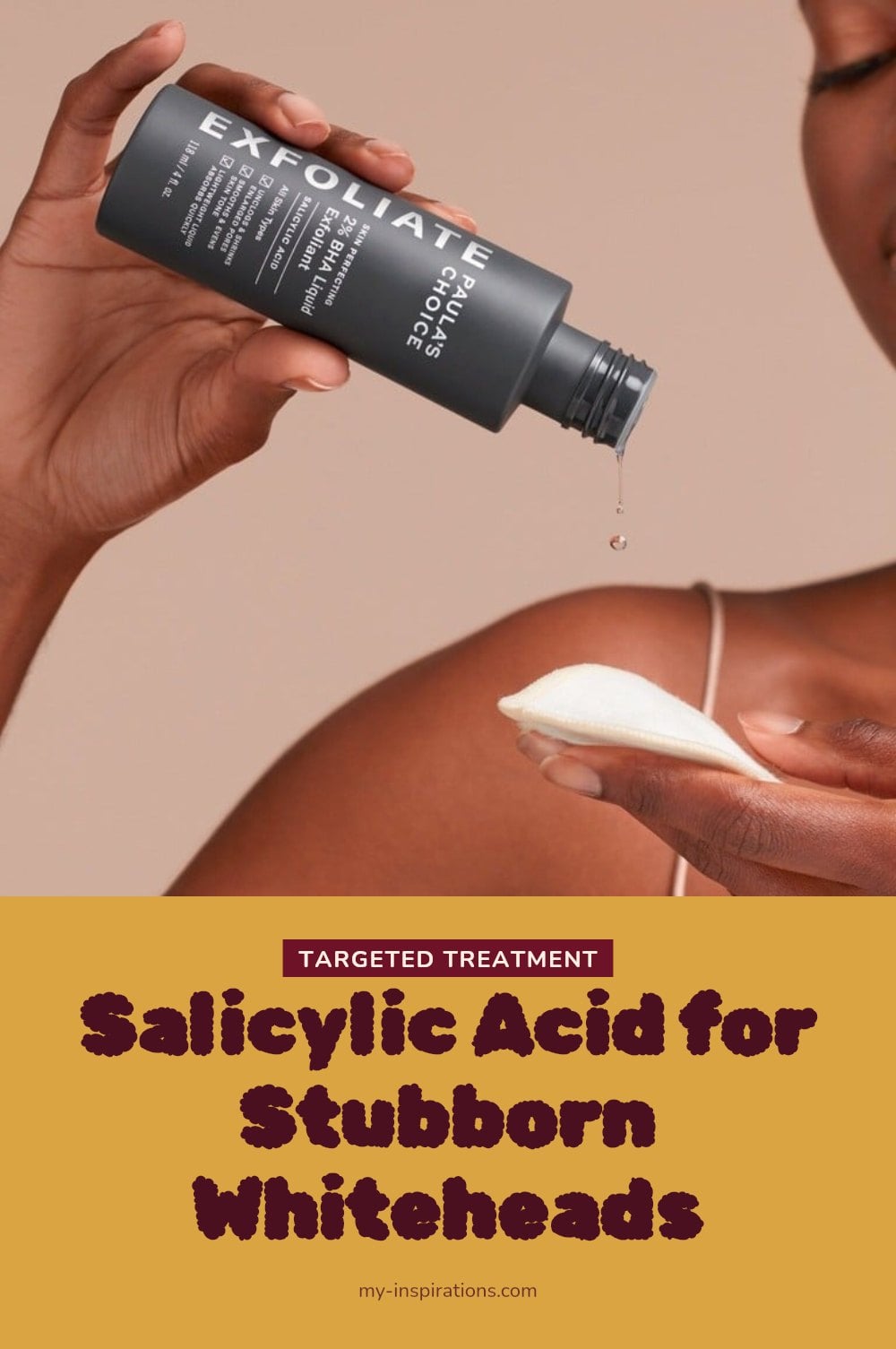
Salicylic acid is a beta-hydroxy acid (BHA) that exfoliates inside the pore. It helps dissolve the plug of dead skin cells and oil that causes whiteheads, making it especially effective for closed comedones.
- Look for cleansers, toners, or spot treatments with salicylic acid at 0.5% to 2% concentration. You can typically use a BHA product once or twice daily, as it is oil-soluble and penetrates deeper than AHAs.
- Because BHAs can often be used more frequently than AHAs, you can incorporate salicylic acid into your morning or evening routine on days you aren’t using an AHA exfoliant. Start with once a day and increase if your skin tolerates it.
3. Try Benzoyl Peroxide
Benzoyl peroxide targets acne-causing bacteria and helps shed dead skin cells, which can help clear existing whiteheads and prevent new ones. It’s available in various strengths, from 2.5% to 10%.
Caution: Benzoyl peroxide can bleach fabrics, so be mindful when using it around towels and pillowcases. Start with a lower concentration (2.5% or 5%) to see how your skin reacts. If you experience dryness, reduce frequency or switch to a wash-off formula.
4. Use a Topical Retinoid
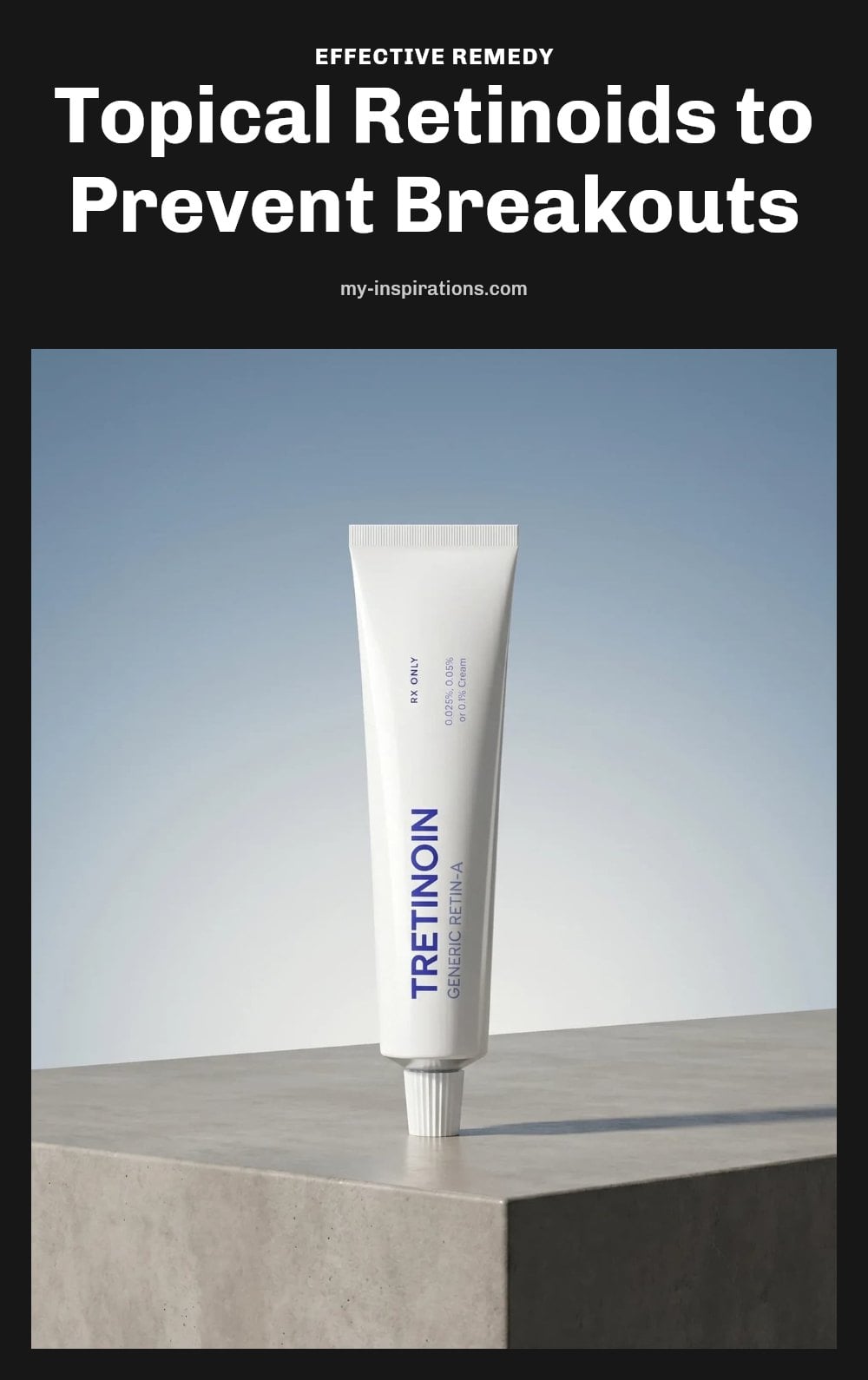
Topical retinoids like adapalene help normalize skin cell turnover, so pores are less likely to get clogged in the first place. They work on both existing whiteheads and future ones, which makes them a solid addition to a long-term routine.
My tip: start slowly, maybe two or three nights a week, and build up from there. Retinoids can cause dryness or irritation when your skin is adjusting, so give it a few weeks before increasing frequency.
5. Apply a Warm Compress

For stubborn whiteheads, a warm compress can sometimes soften the clog and draw it closer to the surface. Soak a clean cloth in warm, not hot, water, wring it out, and hold it over the area for 5 to 10 minutes.
This simple step can make your topical treatments penetrate more effectively, so it’s worth doing before applying anything else.
6. Exfoliate with AHAs
Alpha-hydroxy acids (AHAs) like glycolic or lactic acid gently exfoliate the surface of your skin, removing dead cells before they can pile up and block pores. Use an AHA product 2-3 times a week to keep your skin smooth.
Caution: if you’re already using a retinoid or a BHA like salicylic acid, don’t overdo it. Too many exfoliants at once can lead to redness and peeling, so space them out on different days.
7. Use a Clay Mask
Clay masks are great for absorbing excess oil and pulling impurities out of your skin, which can help with whiteheads. Using one once or twice a week can be a simple add-on to your routine.
My tip: look for masks with bentonite or kaolin clay, both known for their oil-absorbing power. Leave it on for about 10 minutes, then rinse with warm water.
8. Moisturize and Protect
Even with oily skin, moisturizing is non-negotiable. Active treatments like salicylic acid, benzoyl peroxide, and retinoids can dry out your skin, and dehydrated skin often produces even more oil to compensate, which can worsen whiteheads. Choose a lightweight, non-comedogenic moisturizer that won’t block pores.
Sunscreen is equally essential. Many acne treatments increase your skin’s sensitivity to the sun, so skipping SPU can lead to sun damage and hyperpigmentation. Apply a broad-spectrum sunscreen of at least SPF 30 every morning, even on cloudy days.
Common Whitehead Treatment Mistakes
Even with a solid routine, a few common missteps can sabotage your progress. Avoid these at all costs:
- Picking or Squeezing: This is the biggest mistake. It pushes bacteria deeper, inflames the area, and can cause permanent scarring. Keep your hands off.
- Over-scrubbing: Harsh scrubs or abrasive brushes irritate your skin and can trigger more breakouts, not fewer. Stick to gentle chemical exfoliation instead.
- Using Too Many Actives: Layering multiple strong ingredients like salicylic acid, benzoyl peroxide, and retinoids at once often leads to severe dryness, redness, and peeling. If you want to use more than one, introduce them one at a time over several weeks and monitor how your skin reacts.
- Expecting Instant Results: Acne treatments take time. Consistent use typically shows improvement within 4 to 6 weeks, so be patient and stick with your routine.
- Skipping Moisturizer: Dehydrated skin can overproduce oil to compensate, leading to more clogs. Even oily skin needs a lightweight, non-comedogenic moisturizer.
Frequently Asked Questions
How long does it take for whiteheads to go away?
With consistent use of topical treatments, you may see improvement in about 4 to 6 weeks. However, complete clearing can take longer, and ongoing maintenance is often needed to keep pores clear. Be patient and stick with your routine; results come with time.
Can whiteheads be prevented?
Yes, you can reduce your chances of getting whiteheads by using non-comedogenic skincare and makeup, cleansing gently twice a day, and exfoliating regularly. Ingredients like salicylic acid and retinoids help keep pores from clogging. Avoid heavy, oil-based products and don’t over-wash, as that can trigger more oil.
Is it okay to use makeup if I have whiteheads?
Yes, but choose non-comedogenic or oil-free makeup that won’t clog pores. Remove all makeup thoroughly before bed, and avoid heavy, pore-clogging formulas. If you notice breakouts worsening, consider going makeup-free for a few days to see if it helps.
What’s the difference between a whitehead and a blackhead?
Whiteheads are closed comedones, meaning the pore opening is closed, so the clogged material appears as a white or flesh-colored bump. Blackheads are open comedones, where the pore is open and the trapped oil and dead skin oxidize, turning dark. Both are types of acne but look and behave differently.
Final Thoughts
Clearing whiteheads takes patience and a gentle touch. Stick with a simple routine that includes a mild cleanser, a targeted treatment like salicylic acid or benzoyl peroxide, and a non-comedogenic moisturizer. Expect to see noticeable improvement within 4 to 6 weeks of consistent use, though full clearing may take longer. If your whiteheads are painful, inflamed, or widespread, or if home care isn’t helping after a couple of months, it’s time to see a dermatologist for personalized advice.
This article is for general information only and is not a substitute for professional medical advice. If you have persistent, painful, or widespread acne, or if home treatments aren’t working, please consult a dermatologist or healthcare provider for personalized guidance.