15 Daily Habits for Clear Skin You Can Start Tonight
Discover 15 daily habits for clear skin, from cleansing and moisturizing to lifestyle changes. Learn how to achieve a healthier complexion.

You’ve probably heard it a hundred times: clear skin starts with what you do every day, not with a single miracle product. The truth is, small daily habits like gentle cleansing, moisturizing, and sun protection really do add up over time. This article walks you through 15 practical habits you can start tonight, covering everything from washing your face the right way to knowing when it’s time to see a professional.

Key Takeaways
- Cleanse your face twice daily with a gentle, non-comedogenic cleanser.
- Moisturize even if your skin is oily to maintain a healthy barrier.
- Apply broad-spectrum sunscreen with SPF 30 or higher every morning.
- Exfoliate 1-3 times a week, but avoid over-exfoliating.
- Be patient; visible improvements typically take weeks to several months.
Achieving Clear Skin: Your Quick Guide
Clear skin isn’t about one miracle product. It comes from consistent daily habits that support your skin’s natural health. A balanced approach includes gentle cleansing, proper hydration, sun protection, and smart lifestyle choices. Patience and consistency are key, as visible improvements typically take weeks to months.
1. Cleanse Your Face Twice Daily
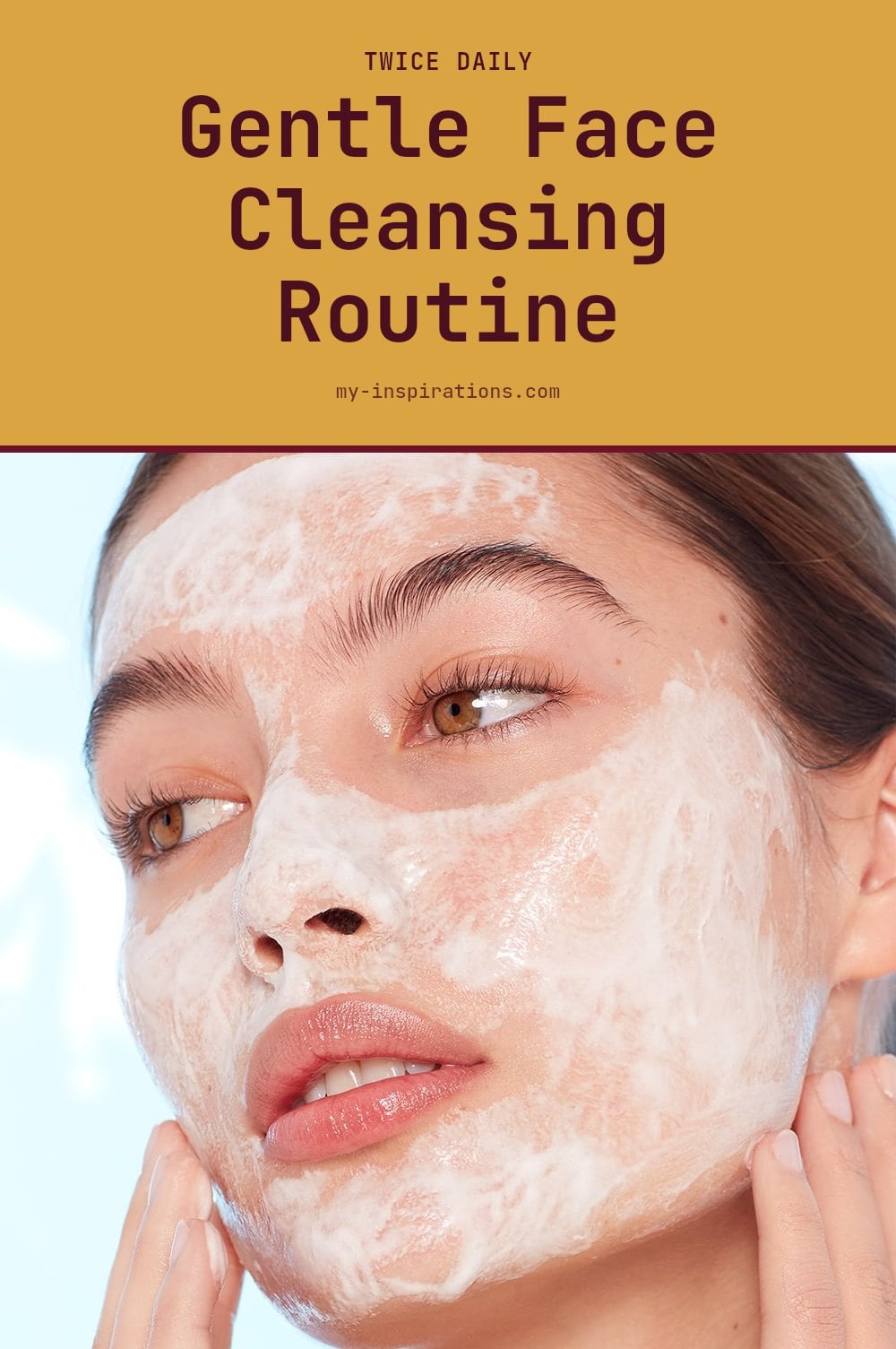
Gently cleanse your face with a non-comedogenic cleanser every morning and evening. This removes dirt, oil, and makeup, preventing pore clogging and breakouts.
- My tip: Use lukewarm water, not hot, to avoid stripping your skin’s natural oils.
- Choose a gentle, non-comedogenic formula to avoid irritation.
2. Always Moisturize Your Skin
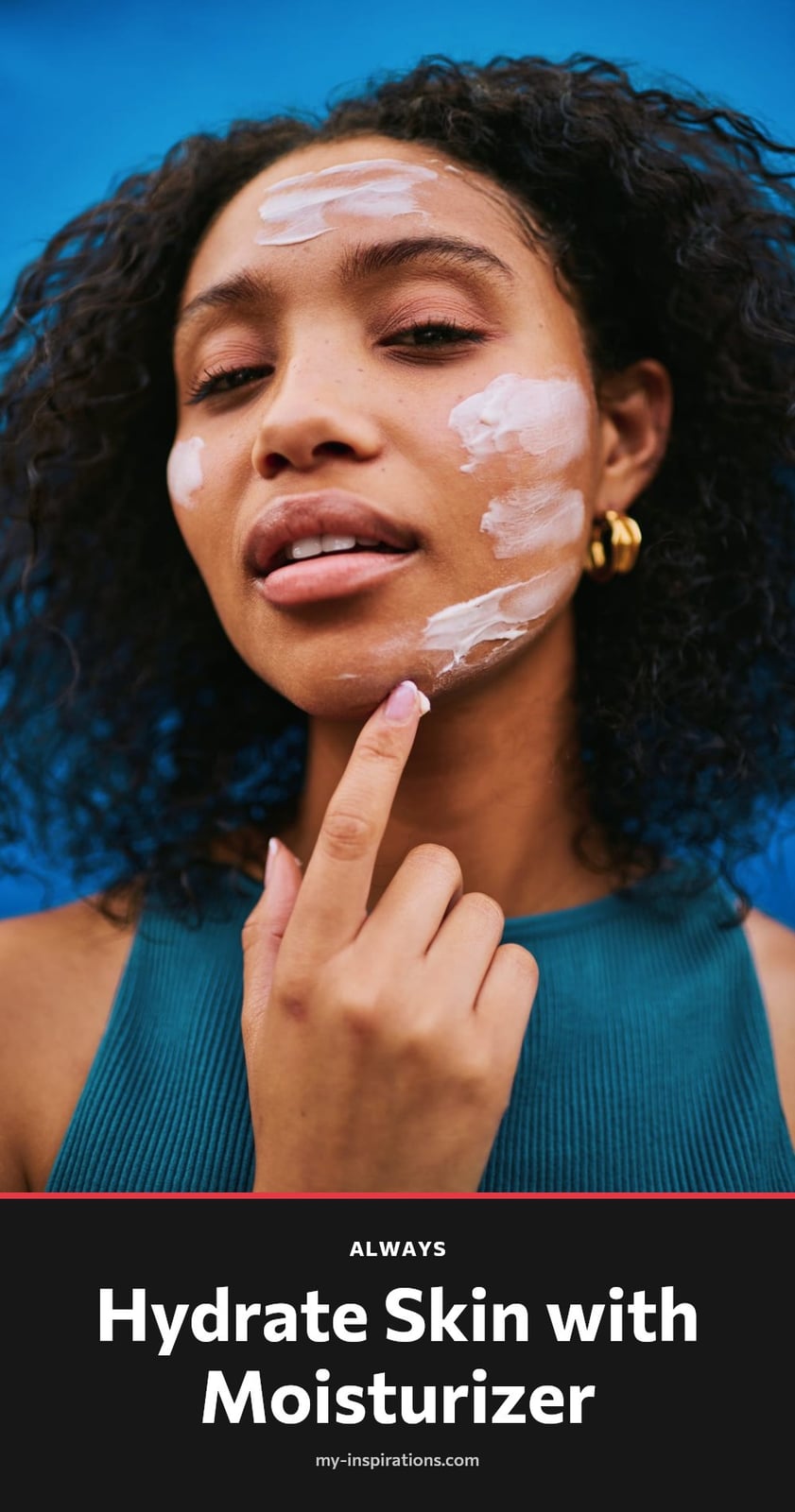
Even if your skin is oily, moisturizing daily is essential to maintain a healthy skin barrier. It prevents your skin from overproducing oil to compensate for dryness.
- Tip: Look for a lightweight, non-comedogenic moisturizer.
- Apply it while your skin is still slightly damp for better absorption.
3. Wear Broad-Spectrum Sunscreen Daily

Apply broad-spectrum sunscreen with an SPF of 30 or higher every single morning, rain or shine. This protects against UV damage, which can worsen hyperpigmentation and accelerate aging.
- Caution: Don’t skip sunscreen on cloudy days or when indoors near windows.
- Reapply every two hours if you’re outside or near windows.
4. Exfoliate 1-3 Times a Week
Exfoliation removes dead skin cells that can make your complexion look dull and clog pores. Use a chemical exfoliant with AHAs or BHAs, or a gentle physical scrub, 1-3 times a week depending on your skin’s tolerance. Caution: Over-exfoliating can strip your skin barrier, causing redness and irritation. If your skin feels tight or stings after exfoliating, cut back to once a week or take a break.
5. Incorporate Acne-Fighting Actives

If breakouts are a concern, look for a treatment containing salicylic acid or benzoyl peroxide. Salicylic acid penetrates pores to clear out oil and dead skin, while benzoyl peroxide kills acne-causing bacteria. Tip: Start with a lower concentration (2% salicylic acid or 2.5% benzoyl peroxide) to see how your skin reacts before moving to stronger formulas.
6. Consider Retinoids for Renewal
Retinoids, derived from vitamin A, speed up cell turnover to unclog pores, smooth texture, and reduce fine lines. Over-the-counter options like adapalene are available, and stronger versions require a prescription. Caution: Retinoids can increase sun sensitivity, so daily sunscreen is non-negotiable. Start using them 2-3 times a week and gradually increase frequency.
7. Change Your Pillowcase Weekly

Your pillowcase collects oil, dead skin, and bacteria from your face and hair every night. Changing it at least once a week prevents that buildup from transferring back onto your skin while you sleep. My tip: Keep a stack of clean pillowcases handy and swap them out on the same day each week so you don’t forget.
8. Wash Makeup Brushes Regularly
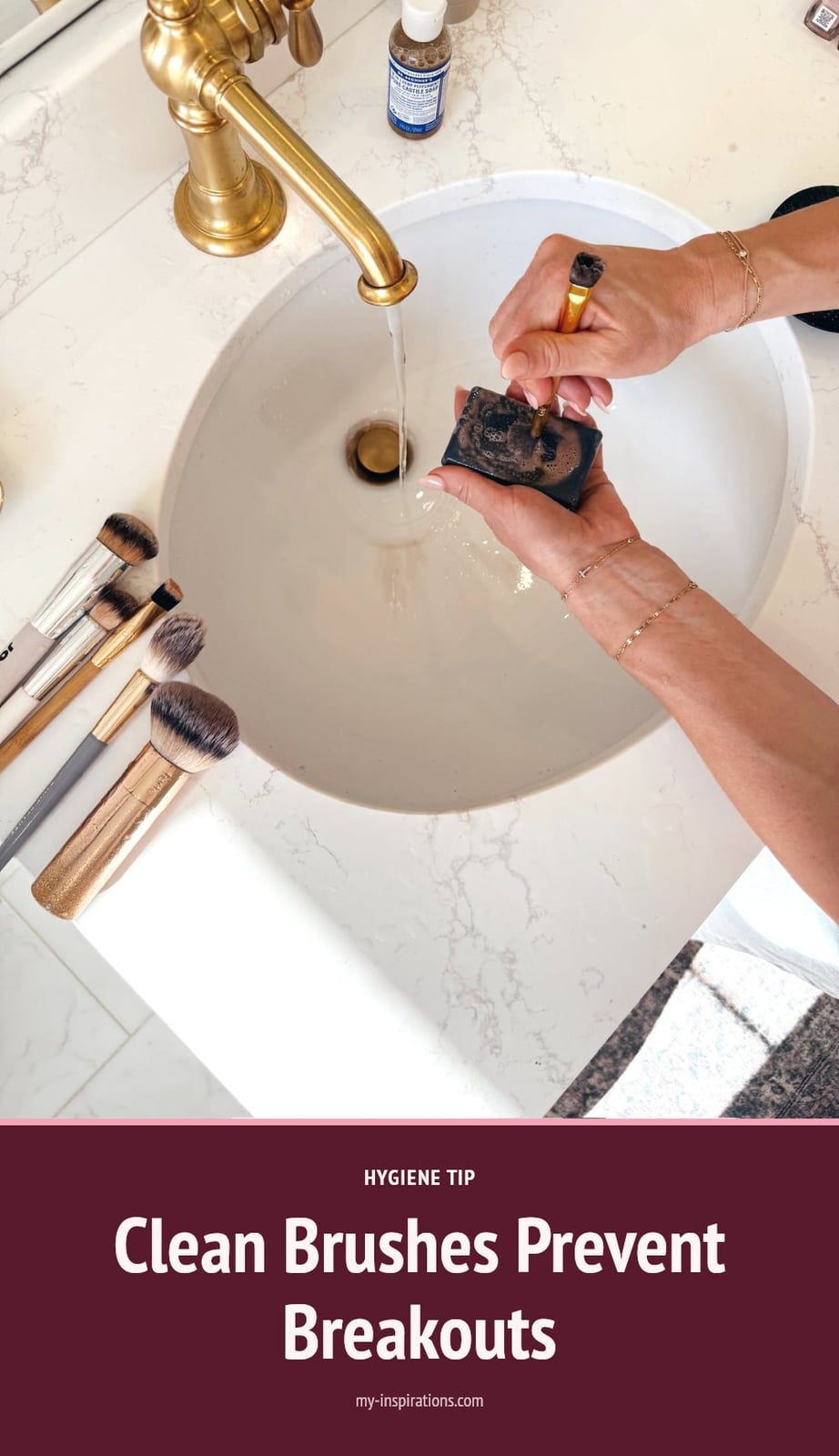
Wash your makeup brushes weekly to prevent bacterial buildup. Dirty brushes reapply old product, oil, and bacteria directly onto your skin, which can lead to breakouts.
Tip: Use a gentle brush cleanser or a mild shampoo. Swirl each brush in lukewarm water, rinse thoroughly, and lay flat to dry.
9. Avoid Touching Your Face
Make a conscious effort to keep your hands away from your face throughout the day. Your hands come into contact with countless surfaces and carry bacteria and dirt that can clog pores and cause breakouts when transferred to your skin.
10. Stay Hydrated with Water

Drinking enough water throughout the day is generally believed to support overall skin health. Hydration from within contributes to your skin’s plumpness and elasticity, which can help it look more supple and less prone to dryness or dullness.
Tip: Keep a reusable water bottle on your desk or in your bag as a visual reminder. Aim for small sips regularly rather than chugging large amounts at once.
- Water helps flush out toxins that may contribute to breakouts.
- Well-hydrated skin can appear smoother and more even-toned.
- Pair hydration with a moisturizer for best results.
11. Manage Your Stress Levels
Stress can sometimes make skin conditions worse, so managing it may indirectly benefit your complexion. Techniques like mindfulness, deep breathing, or regular exercise can help keep stress levels in check.
When you’re stressed, your body produces hormones that can increase oil production and trigger breakouts. Even a short daily walk or a few minutes of meditation can make a difference.
- Try: A 10-minute walk during your lunch break.
- Try: Deep breathing exercises before bed.
- Try: A hobby that takes your mind off daily pressures.
12. Prioritize Sufficient Sleep

Aim for 7-9 hours of sleep each night to allow your body and skin to repair. During deep sleep, your body releases growth hormone that helps rebuild collagen and repair daytime damage. Quality sleep also helps regulate stress hormones that can trigger breakouts.
13. Pat Skin Dry, Don’t Rub
After cleansing, gently pat your skin dry with a clean, soft towel instead of rubbing. Rubbing creates friction that can irritate your skin and strip away its natural moisture barrier.
Use a fresh towel each time, and press the towel against your face in small, light motions. Avoid pulling or dragging the fabric across your skin, especially around the delicate eye area.
Tip: Keep a separate towel just for your face, and wash it every few days to avoid transferring bacteria back onto clean skin.
14. Maintain a Balanced Diet
A balanced diet rich in fruits, vegetables, and whole grains supports overall skin health by providing essential vitamins and antioxidants. Focus on nourishing your body from the inside out rather than chasing specific “skin-clearing” foods. Stay consistent with healthy eating habits, but don’t expect diet alone to solve skin issues.
15. Be Patient and Consistent
Your routine won’t fix everything overnight. Visible improvements typically take weeks to several months, so don’t expect a different face by next week. Stick with your daily habits even when you don’t see immediate change.
Tip: Take a photo in the same lighting once a month. You’ll notice progress your mirror misses day to day.
When to Consult a Professional
If you’ve been consistent with your routine for a few months and still see persistent acne, severe breakouts, or worry about scarring, it’s wise to consult a dermatologist. They can offer prescription treatments and personalized advice for more challenging skin issues that over-the-counter products may not resolve.
Also seek professional advice if you notice severe irritation, redness, burning, or allergic reactions to any product. Discontinue use immediately and let a doctor evaluate the reaction before you try anything else.
Frequently Asked Questions
How long does it take to see results from a new skincare routine?
Visible improvements typically take anywhere from a few weeks to several months, depending on your skin type and how consistently you follow your routine. Don’t expect overnight changes; take a photo in the same lighting once a week to track real progress.
Can diet truly affect my skin’s clarity?
A balanced diet rich in fruits, vegetables, and whole grains provides essential vitamins and antioxidants that generally support skin health. While it’s not a cure-all, many people find that staying hydrated and eating well helps their skin look more supple and less dull.
Is it bad to use multiple active ingredients at once?
It can be, yes. Using too many active ingredients like salicylic acid, benzoyl peroxide, and retinoids together may cause excessive irritation and damage your skin barrier. It’s best to introduce them one at a time and consult a dermatologist if you’re unsure about combining them.
What’s the difference between physical and chemical exfoliation?
Physical exfoliation uses a scrub or brush to manually remove dead skin cells, while chemical exfoliation uses acids like AHAs or BHAs to dissolve them. Chemical exfoliants are often gentler and more even, but both can be effective if used correctly and not overdone.
Should I moisturize if my skin is oily?
Yes, absolutely. Skipping moisturizer when your skin is oily can actually make it produce even more oil to compensate for dryness. Use a lightweight, non-comedogenic moisturizer to keep your barrier healthy without clogging pores.
Final Thoughts
If you take one thing from this list, let it be this: consistency beats intensity every time. Start with just two or three habits, like twice-daily cleansing and daily sunscreen, and build from there. Realistic expectation: you won’t see a different face by next week, but stick with it for a few months and you’ll likely notice your skin looking clearer and more even. The best routine is the one you actually keep up.
This article is for general informational purposes only and does not constitute medical or professional advice. Individual skin concerns vary, and what works for one person may not work for another. If you experience persistent acne, severe breakouts, or other concerning symptoms, please consult a dermatologist or healthcare professional.