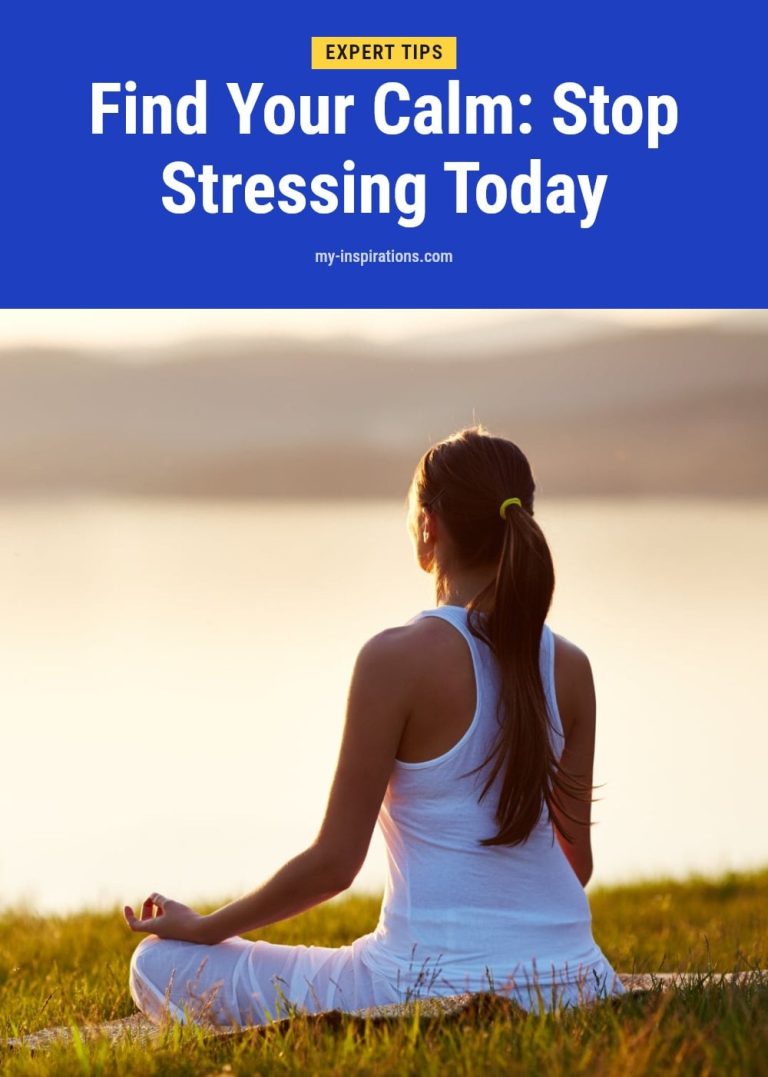
Stop Stressing Out: Tips for a Calmer Mind
Feeling overwhelmed? Learn practical, actionable tips to stop stressing out and cultivate a calmer, more resilient mindset in your daily life.

You know that feeling when your heart races, your mind spins, and you just can’t seem to catch a break? Stressing out is your body’s natural response to challenges, but when it becomes chronic, it can take a real toll on your health. This article covers practical, everyday strategies to help you calm your mind, from deep breathing and movement to setting boundaries and knowing when to ask for help.
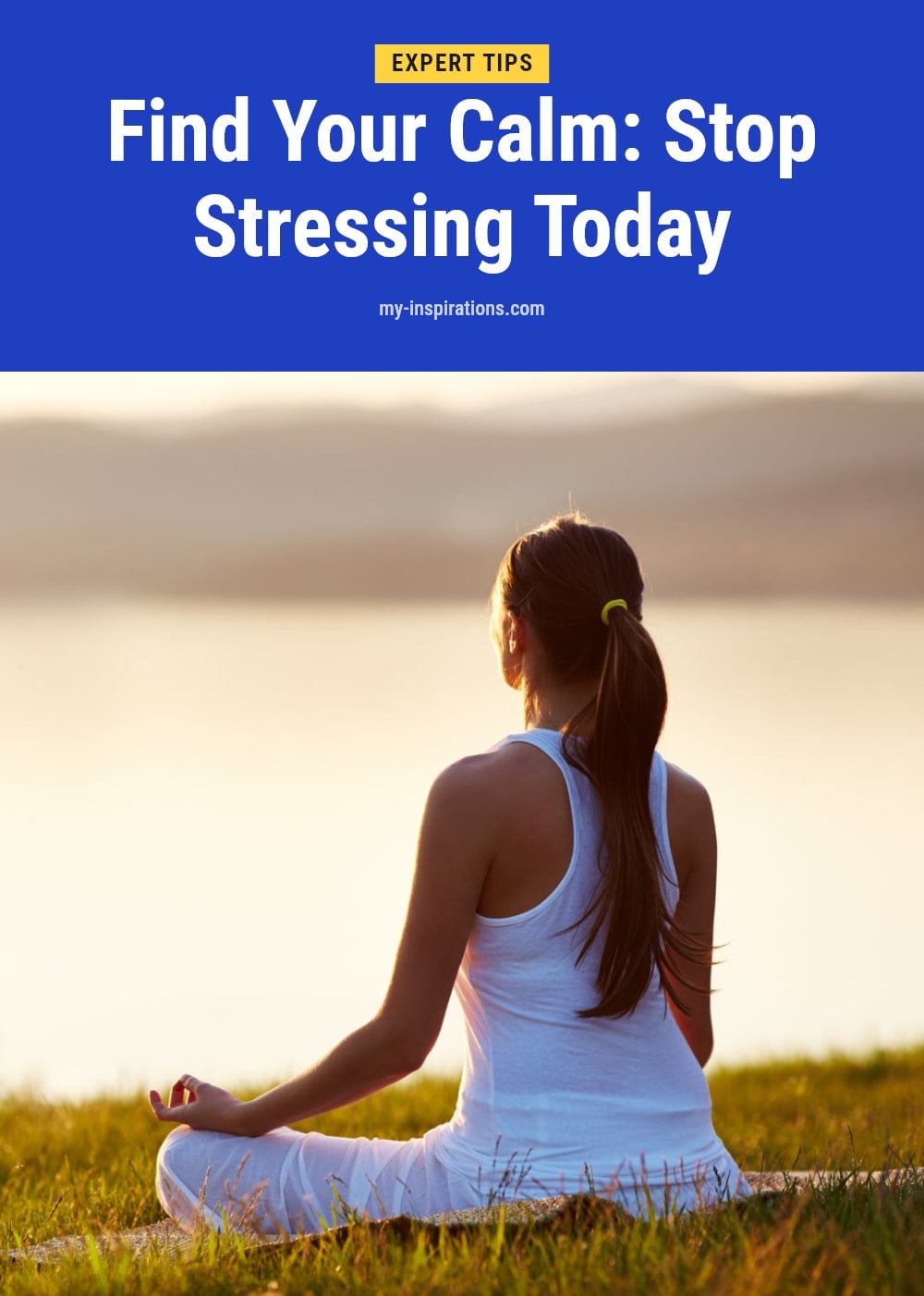
Key Takeaways
- Practice deep breathing or mindfulness daily to activate your body’s relaxation response.
- Get 7 to 9 hours of quality sleep each night to build emotional resilience.
- Move your body for at least 30 minutes most days to lower stress hormones.
- Learn to say no to protect your time and energy from overload.
- Seek professional help if stress significantly impacts your daily life.
Stop Stressing Out: Tips for a Calmer Mind
Stressing out is your body’s natural response to challenges, but when it becomes chronic it can harm your health. Managing stress starts with identifying your triggers and combining lifestyle adjustments with mindfulness. A calmer mindset is achievable with consistent effort, and sometimes professional support is the right next step.
1. Practice Deep Breathing Exercises
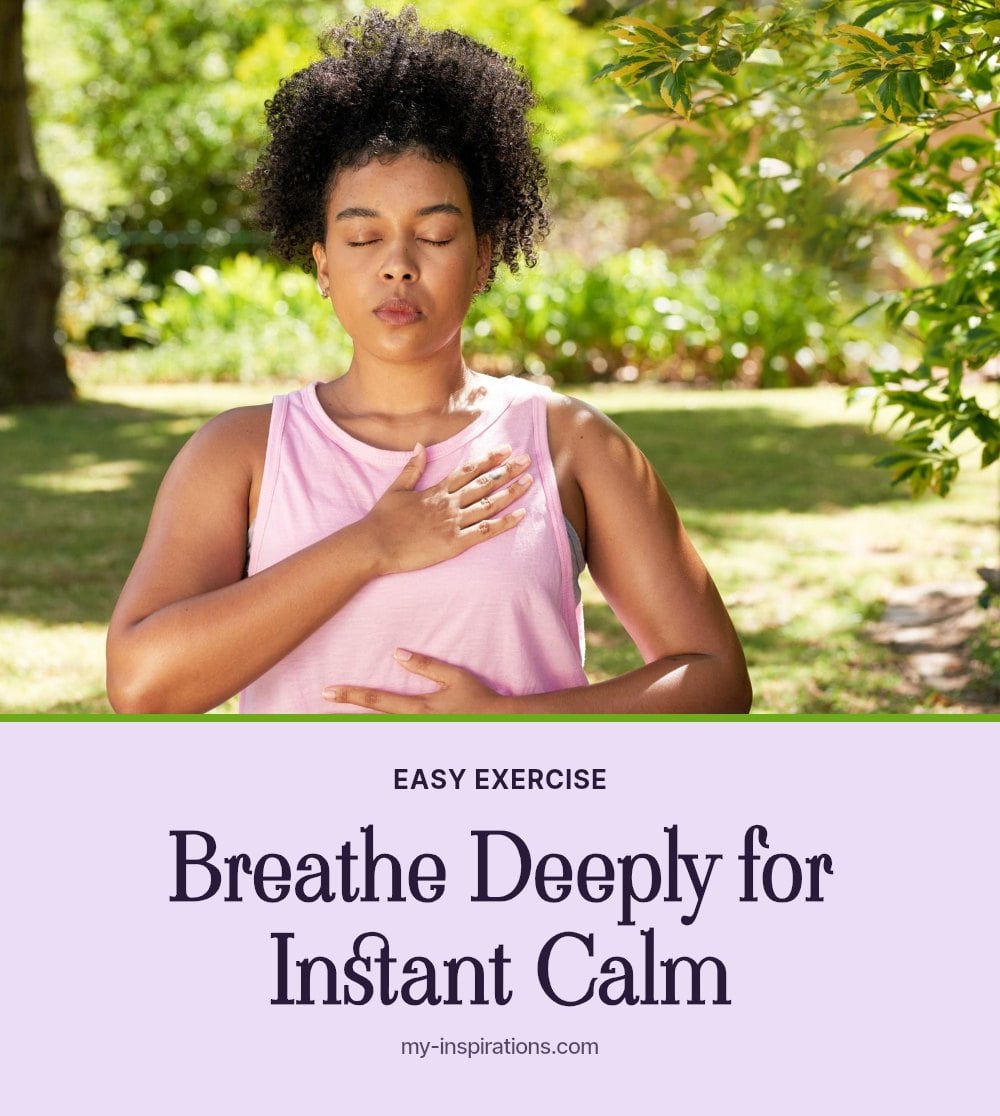
Deep breathing immediately activates your body’s relaxation response by slowing your heart rate and lowering blood pressure. Inhale slowly through your nose, hold briefly, then exhale slowly through your mouth.
My tip: Try the 4-7-8 method: inhale for 4 seconds, hold for 7 seconds, exhale for 8 seconds. It’s a surprisingly quick way to find calm in under a minute.
2. Move Your Body Regularly
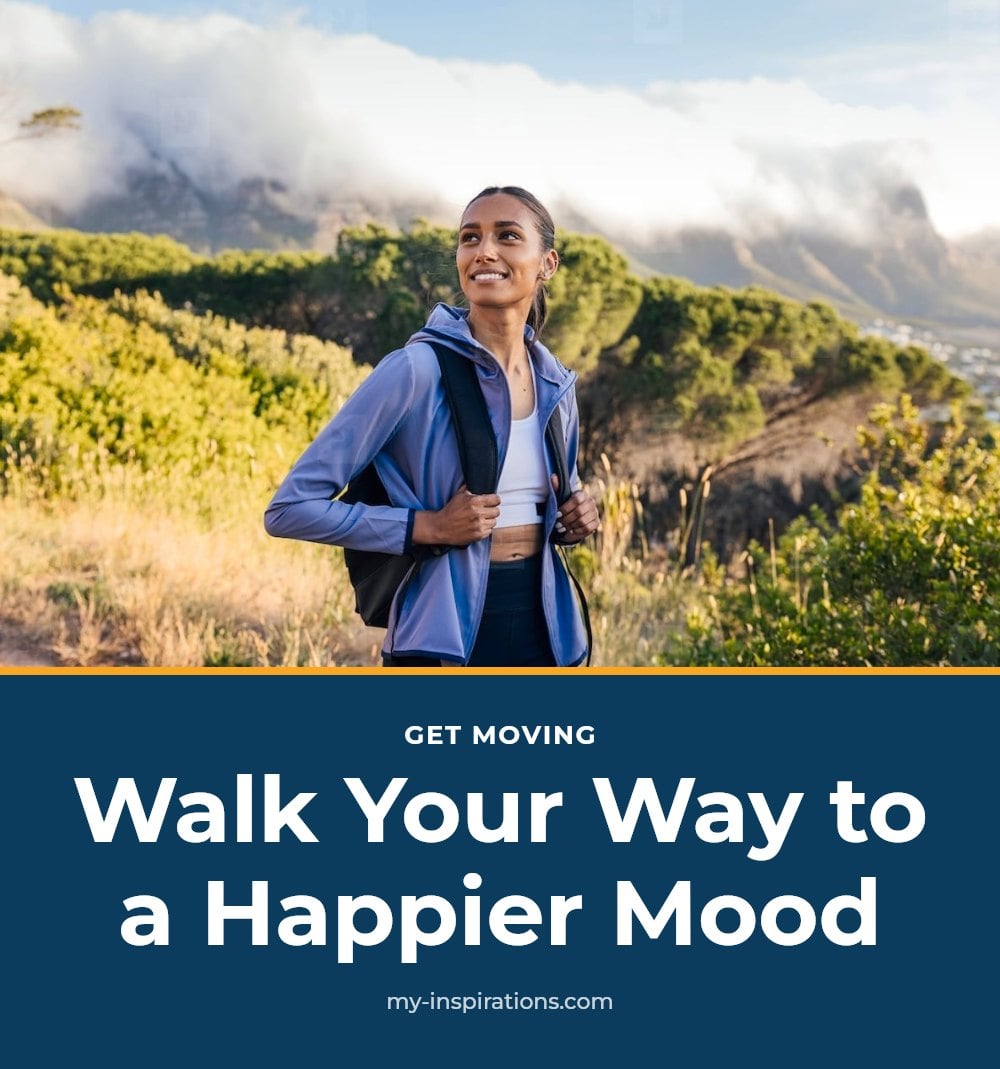
Regular physical activity is a highly effective stress reliever. It reduces stress hormones like cortisol and stimulates endorphins, which improve your mood.
Aim for at least 30 minutes of moderate exercise most days of the week. Walking, yoga, or dancing are all accessible options that don’t require special equipment.
3. Prioritize Quality Sleep
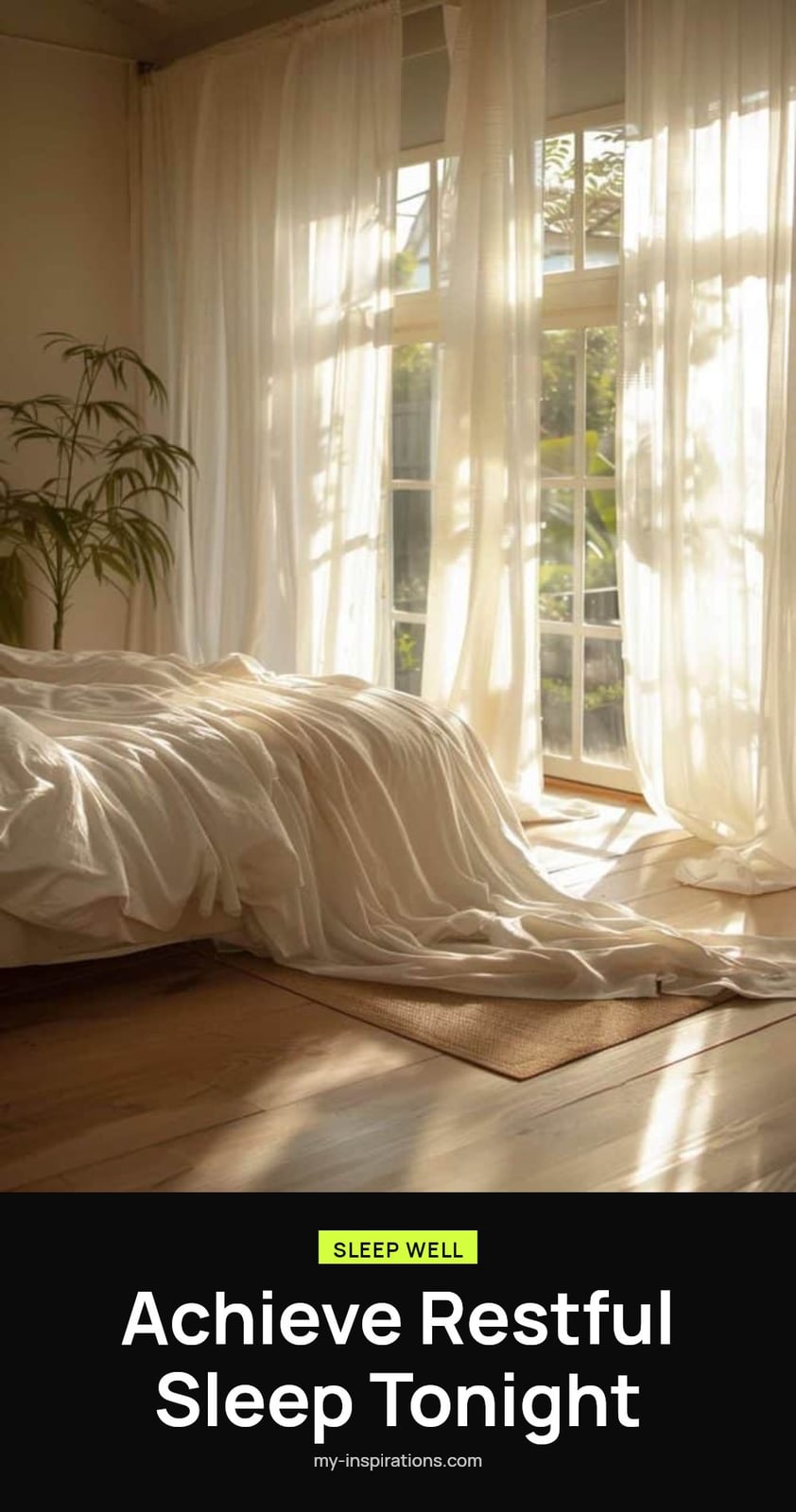
Adequate sleep, 7 to 9 hours for most adults, is crucial for managing stress and building emotional resilience. Lack of sleep can heighten stress and anxiety levels, making it harder to cope.
Establish a consistent sleep schedule and create a relaxing bedtime routine. Dim the lights, avoid screens an hour before bed, and try a warm bath or reading to signal your body it’s time to rest.
4. Practice Mindfulness or Meditation
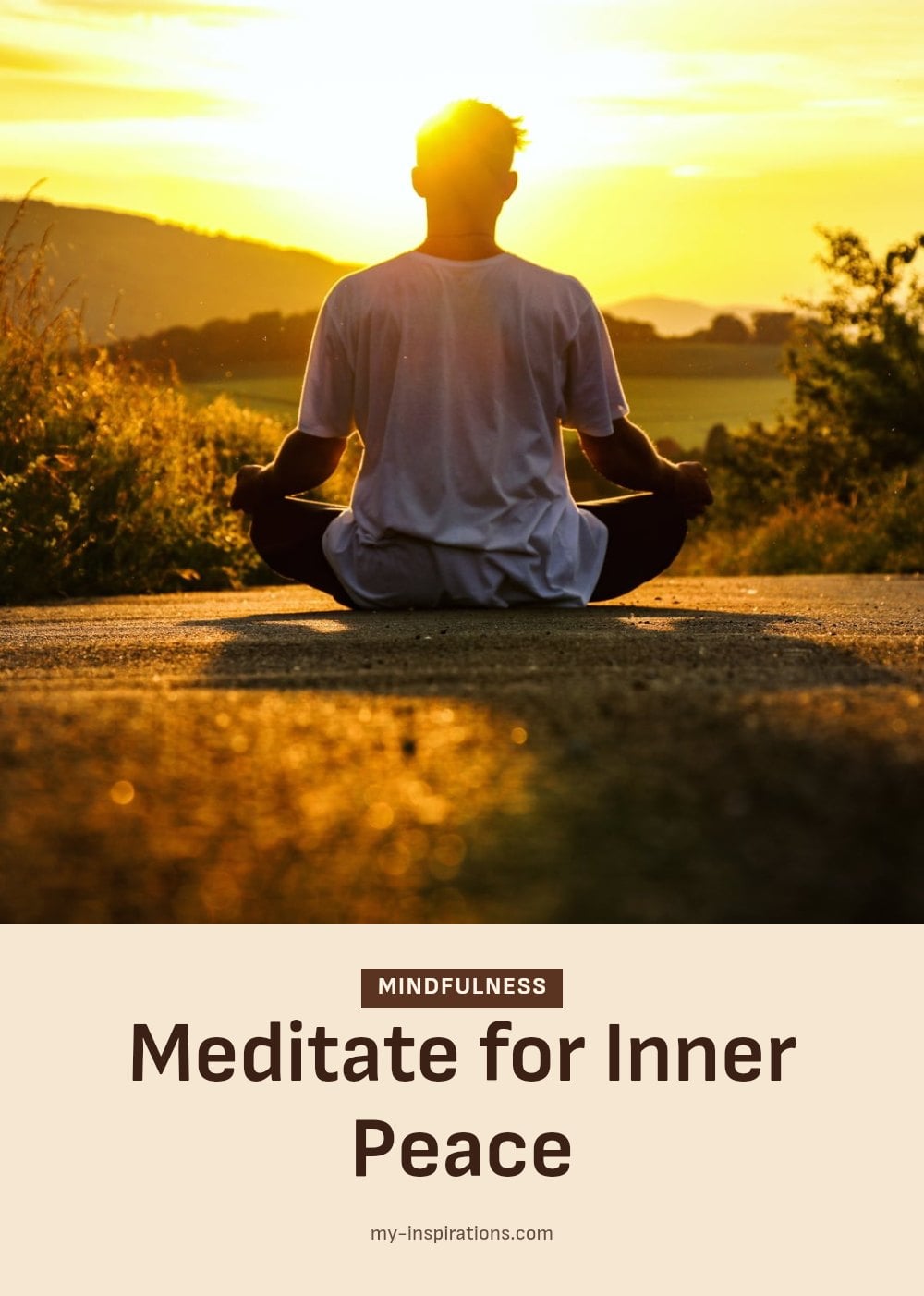
Even a few minutes of mindfulness each day can significantly reduce stress. The practice trains you to focus on the present moment, which interrupts the cycle of anxious thoughts. By observing your thoughts without judgment, you lessen their hold on you.
My tip: Start with a guided meditation app. The voice and timer remove the guesswork, making it much easier to build the habit. Five minutes is enough to feel a difference.
5. Limit Caffeine and Alcohol
Caffeine and alcohol can amplify anxiety symptoms and disrupt your sleep, making stress harder to manage. Consider reducing your intake, especially in the afternoon and evening when it can interfere with your wind-down.
Tip: Swap your afternoon coffee for a cup of herbal tea like chamomile or lavender. The warmth alone is calming, and these teas contain compounds that may promote relaxation without the jitters.
6. Connect with Loved Ones

Social support from friends and family acts as a powerful buffer against stress. Sharing what’s on your mind lightens the load and reminds you that you are not alone in dealing with it.
Make time for genuine connection. A quick phone call, a coffee date, or a walk together works well. The key is real conversation, not just parallel screen time.
7. Learn to Say ‘No’
Overcommitment is a major source of stress. Learning to say no prevents overload and protects your time and energy for the things that truly matter.
Setting healthy boundaries is a skill you can practice. Good to know: You don’t need a long explanation. A simple “I can’t take that on right now” is perfectly fine and often respected more than a drawn-out excuse.
8. Manage Your Time Effectively
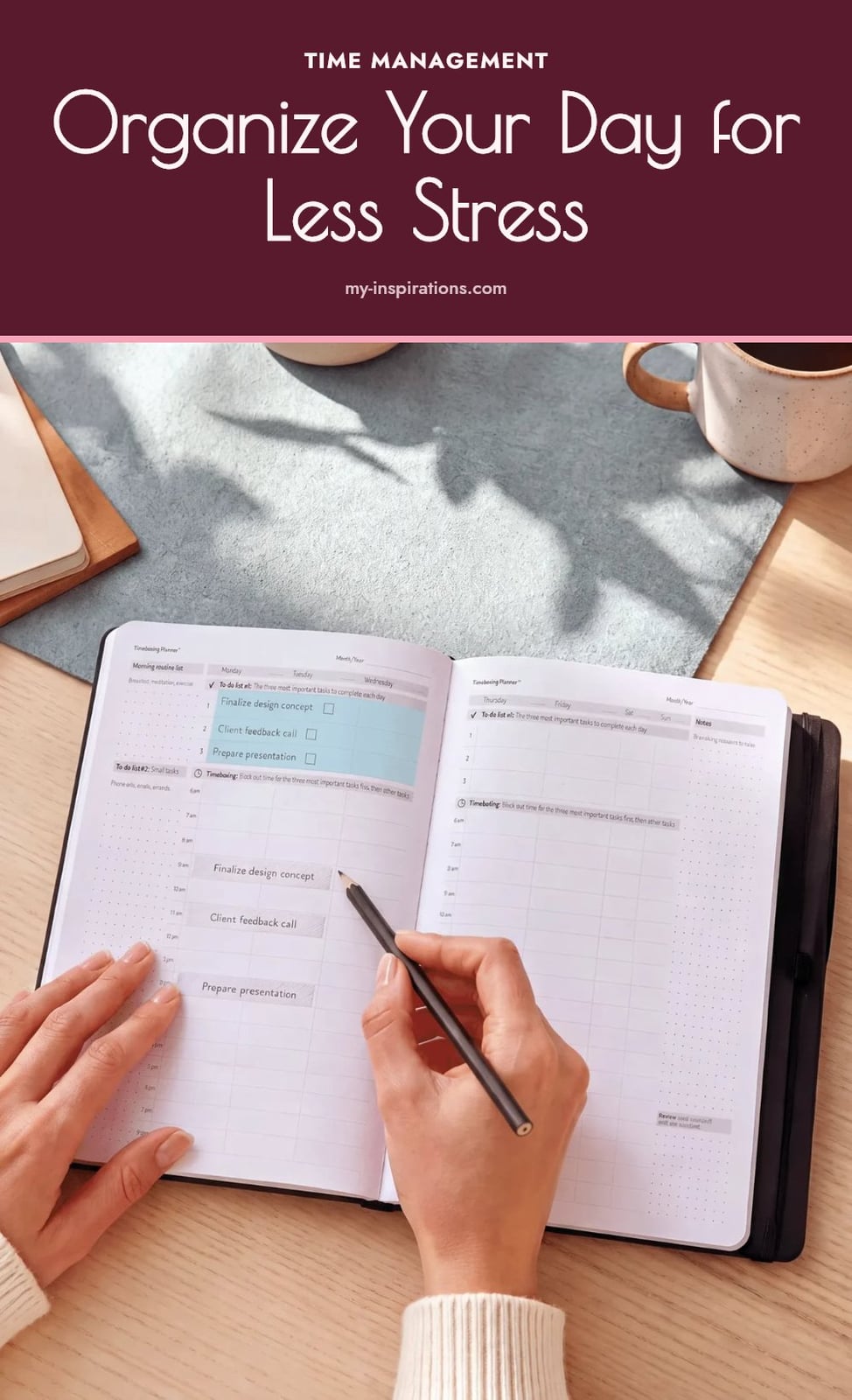
Feeling overwhelmed by tasks is a common stressor. Prioritizing can reduce that feeling and give you back a sense of control. Start by making a daily to-do list and tackling the most important tasks first, a method often called the “eat the frog” approach.
- Break it down: Large projects feel daunting. Split them into smaller, manageable steps and complete one at a time.
- Set time limits: Give each task a realistic time block so you don’t spend all day on one item.
9. Spend Time in Nature
Being outdoors has been shown to reduce stress levels and improve mood. Even a short walk in a park or sitting by a window with a view of greenery can help lower cortisol and calm your nervous system. You don’t need a long hike to get the benefit.
Pro move: Try to incorporate a “nature break” into your day, even if it is just 10 to 15 minutes. Step outside without your phone and let your mind reset.
10. Engage in Hobbies and Fun
Allocating time for enjoyable activities is vital for stress reduction and mental well-being. Whether it is reading, painting, gardening, or listening to music, these activities provide a much-needed mental break from daily pressures. They shift your focus away from worries and into something that brings you joy.
Quick tip: Schedule “fun time” just like you would any other important appointment. It is that crucial for your mental health. Even 20 minutes a few times a week makes a difference.
11. Journal Your Thoughts
Writing down your thoughts and feelings can be a powerful way to process stress and gain perspective. The act of putting words on paper helps externalize worries, making them feel less overwhelming and more manageable. You do not need to write a novel.
Tip: Start with just a few bullet points about what is on your mind. A simple list of what is bothering you or what you are grateful for can clarify your thoughts and reduce mental clutter.
When to Seek Professional Help
If stress is significantly impacting your daily life, relationships, or work, it’s time to talk to a professional. Consult a healthcare provider or mental health expert if you experience persistent symptoms of depression or anxiety. Tip: Don’t try to handle everything on your own. Seeking support is a sign of strength, not weakness, and a professional can help you build lasting coping strategies.
Frequently Asked Questions
How quickly can stress-reducing techniques work?
Some techniques, like deep breathing or a short walk, can offer immediate relief by calming your nervous system. However, for lasting changes in your overall stress levels, consistent practice over several weeks or months is usually needed to build resilience.
Can stress really cause physical symptoms?
Yes, chronic stress can lead to physical symptoms such as headaches, fatigue, digestive issues, and muscle tension. It’s your body’s way of signaling that something needs attention. If these symptoms persist, consider checking in with a healthcare professional.
What’s the difference between stress and anxiety?
Stress is typically a response to an external trigger, like a deadline or a conflict, and it usually fades once the situation resolves. Anxiety is a persistent feeling of worry or fear that can continue even without an obvious stressor. Both can feel similar, but anxiety often requires different management strategies.
How do I know if I’m just stressed or if it’s something more serious?
If stress is significantly impacting your daily life, relationships, or work, or if you experience persistent symptoms of depression or anxiety, it may be time to talk to a professional. A mental health expert can help you understand what’s going on and guide you to appropriate support.
What are common signs of stress?
Common emotional signs include irritability, anxiety, and difficulty concentrating. Physical signs can include headaches, fatigue, digestive issues, and muscle tension. Paying attention to these early signs can help you take action before stress becomes overwhelming.
Final Thoughts
Start with just one or two of these strategies, like a few minutes of deep breathing or a short walk outside. Consistent practice over weeks and months yields the most lasting results, but you may notice immediate benefits in how you feel. A calmer mind is within reach, one small step at a time.
This article provides general wellness information and is not a substitute for professional medical or mental health advice. If you are experiencing persistent or severe stress, anxiety, or related symptoms, please consult a healthcare provider or mental health professional for personalized guidance.