How to Use Rosemary Oil on Your Scalp the Right Way
Learn how to use rosemary oil correctly and safely for hair growth and scalp health. Get step-by-step instructions and avoid common mistakes.

If you’ve been searching for a natural way to support your hair growth or improve scalp health, rosemary oil is a popular option worth considering. It’s an essential oil that may help stimulate blood flow to the scalp, which can encourage healthier hair over time. This article covers how to use rosemary oil correctly, what to expect, and the key safety steps you need to know before you start.
Key Takeaways
- Always dilute rosemary essential oil with a carrier oil before applying to your scalp.
- Perform a patch test 24 hours before your first full application to check for irritation.
- Massage the diluted oil into your scalp for several minutes, 2-3 times per week.
- Expect consistent use for at least 3-6 months before noticing noticeable results.
- Stop use and consult a doctor if you experience redness, itching, or burning.
Using Rosemary Oil for Hair Growth
Rosemary oil can be a helpful addition to your hair care routine, but it must always be diluted with a carrier oil before touching your scalp. It’s believed to stimulate blood circulation in the scalp, which may promote hair growth over time. Tip: Consistent application over several months is key for potential results.
How Rosemary Oil Supports Scalp and Hair Health
How Rosemary Oil Supports Scalp and Hair Health
Rosemary oil is thought to work by stimulating blood flow to the hair follicles. Better circulation can deliver more oxygen and nutrients to the roots, which may encourage growth. It also has anti-inflammatory and antioxidant properties that can help calm an irritated scalp and protect hair follicles from damage.
Some research suggests rosemary oil may be comparable to minoxidil 2% for treating androgenetic alopecia, with fewer side effects. While not a guaranteed replacement, it offers a natural alternative worth considering if you prefer plant-based options.
Gather Your Rosemary Oil Application Essentials
To get started, you need a few basics:
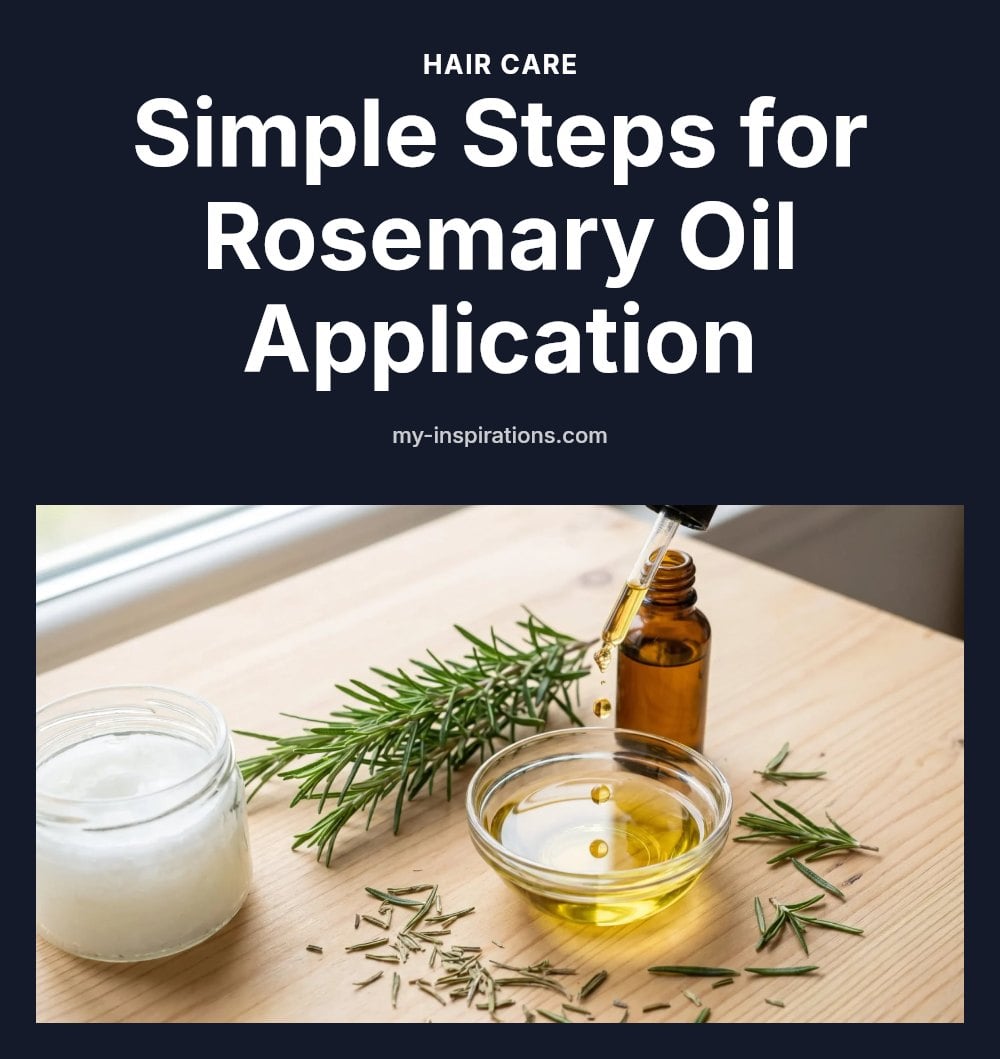
- Pure rosemary essential oil: Look for a high-quality, pure oil for effectiveness.
- A carrier oil: Jojoba, argan, coconut, or almond oil works well for dilution.
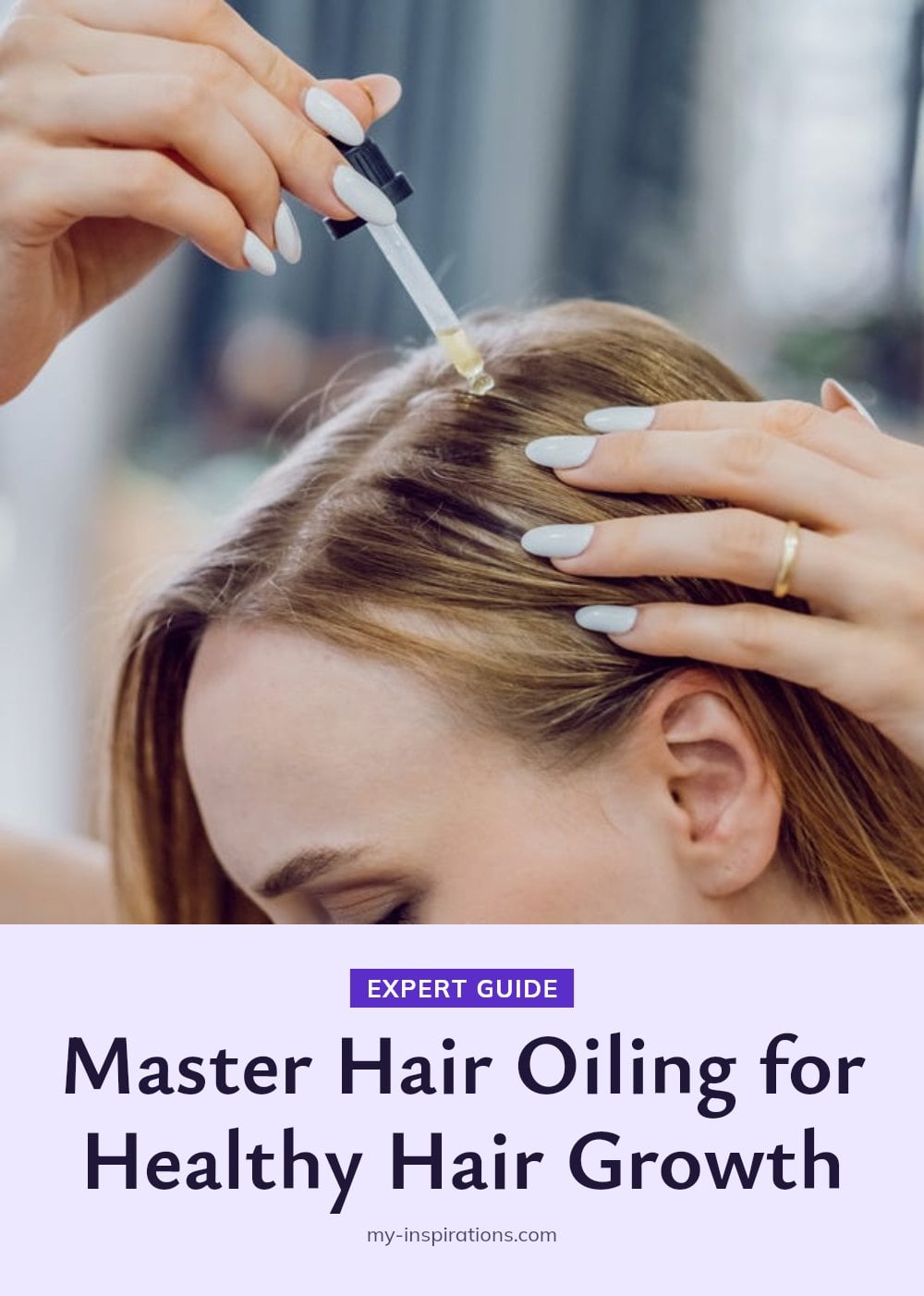
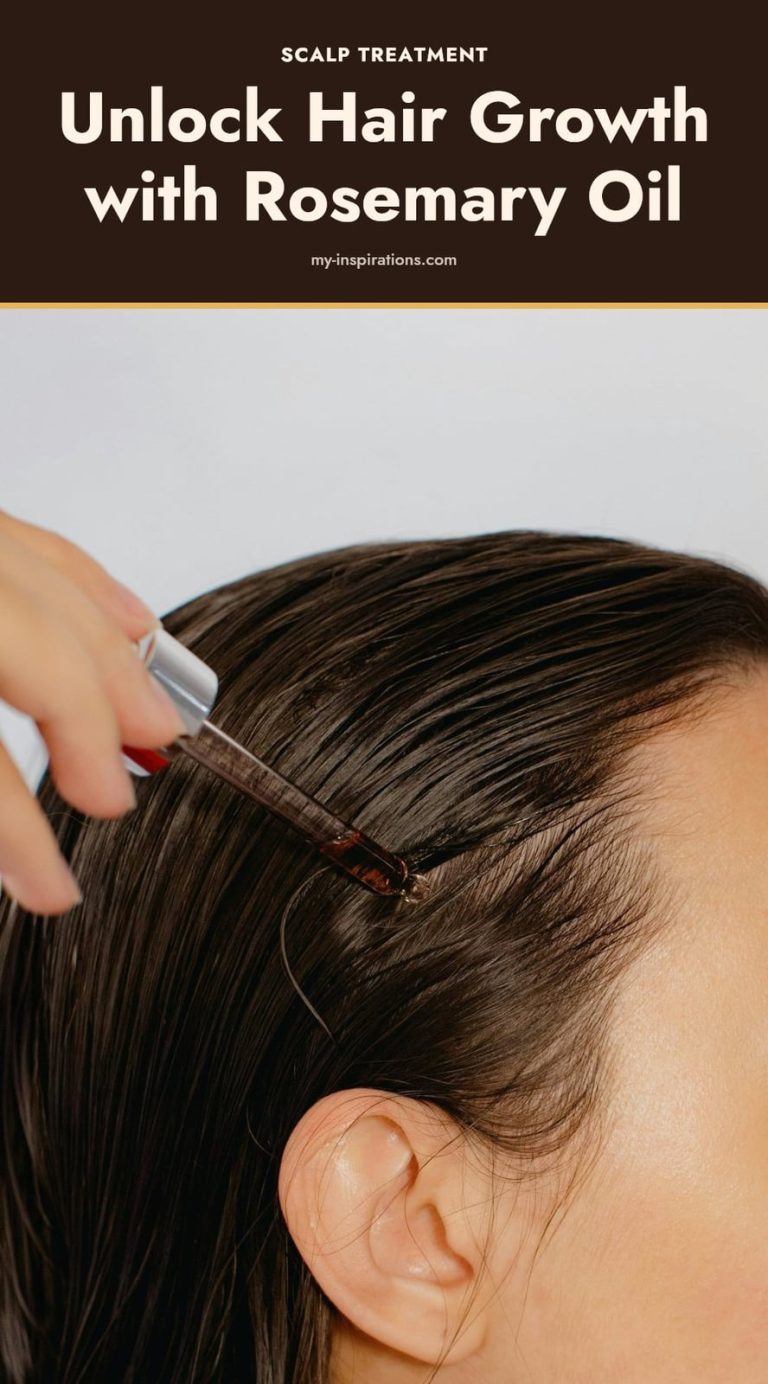
- An applicator bottle or dropper: This helps you apply the mixture directly to your scalp without waste.
You may also want a small bowl for mixing and a towel to protect your clothes during application.
Step-by-Step: Applying Rosemary Oil to Your Scalp
- Perform a patch test: Mix a drop of diluted rosemary oil with your carrier oil and apply it to a small area of skin, like your inner arm. Wait 24 hours to check for any irritation before using it on your scalp.
- Dilute the oil: Combine 2-5 drops of rosemary essential oil with one teaspoon of your chosen carrier oil. Stir well in a small bowl or directly in the applicator bottle.
- Section your hair: Part your hair into small sections so you can reach your scalp easily. Use clips to hold sections out of the way.
- Apply to the scalp: Use the dropper or applicator bottle to place the oil mixture directly onto your scalp in each section. Focus on areas where you want more growth.
- Massage gently: Use your fingertips to massage the oil into your scalp for several minutes. This helps stimulate circulation and distributes the oil evenly.
- Leave it on: Let the oil sit for at least 30 minutes. Leaving it on overnight is also a valid option for deeper penetration, so you can wash it out in the morning if you prefer.
- Wash thoroughly: Shampoo your hair as usual, and rinse well. Wash your hands thoroughly after application to avoid accidentally getting oil in your eyes.
Alternative Ways to Incorporate Rosemary Oil into Your Routine

If you are short on time, adding rosemary oil directly to your shampoo or conditioner is the easiest route. Just mix a few drops into your palm with your regular shampoo before lathering. The downside is the shorter contact time means your scalp gets less exposure to the oil, which may reduce its potential benefits.
Pre-Shampoo Treatment
For a more thorough approach, create a pre-shampoo treatment. Blend 2-5 drops of rosemary essential oil with a teaspoon of your chosen carrier oil, then massage it into your scalp. Leave it on for at least 30 minutes, but longer periods, including overnight, are also beneficial for deeper penetration. This flexibility lets you tailor the treatment to your schedule without losing effectiveness. Wash it out as usual afterward.
Overnight Scalp Treatment
For deeper penetration, try an overnight treatment. Apply the diluted oil mixture to your scalp, cover your hair with a towel or shower cap to protect your pillowcase, and wash it out in the morning. The extended contact allows more time for the oil to stimulate circulation. Tip: If you have fine hair, focus the oil on your scalp rather than your lengths to avoid a heavy residue.
Common Rosemary Oil Mistakes to Avoid for Best Results
The most common mistake is applying undiluted rosemary oil directly to the scalp. Pure essential oil can cause burning or irritation. Using too many drops in your carrier oil also raises the risk of a reaction. Expecting noticeable results in a week often leads to giving up too soon. Rosemary oil needs consistent use over months. Skipping the patch test is another error; it can reveal sensitivity before you cover your whole scalp. Finally, low-quality or adulterated oils may be ineffective or even unsafe. Stick with a pure, reputable brand.
What to Expect: Timeline and Consistency
Consistency matters more than anything. Apply the oil 2-3 times per week and stick with it. Most people start seeing changes in hair thickness or reduced shedding after 3-6 months. The cost is generally low: a bottle of rosemary essential oil lasts months, and carrier oils like jojoba or coconut are affordable. You do not need expensive products to get results.
When to Consult a Professional
If you experience redness, itching, or burning after application, stop using the oil immediately and see a doctor. Pregnant or breastfeeding individuals should consult a healthcare professional before starting rosemary oil. The same applies if you have a pre-existing scalp condition like psoriasis or eczema, or known allergies. A professional can rule out interactions and give you personalized advice.
Frequently Asked Questions
How long does it take to see results from rosemary oil?
Results are not immediate. Consistent application 2-3 times per week for at least 3-6 months is generally needed before you notice changes in hair thickness or reduced shedding. Individual results vary, so stick with the routine.
Can I use rosemary oil every day?
Using it every day is not recommended and may increase the risk of scalp irritation. Stick to 2-3 times per week, as that frequency is generally effective and safe for most people. Overuse can lead to sensitivity or burning.
What if my scalp feels itchy after using rosemary oil?
Itching can be a sign of irritation or an allergic reaction. Stop using the oil immediately and wash your scalp with a gentle shampoo. If the itching persists, or if you develop redness or burning, consult a doctor or dermatologist.
Is rosemary oil safe for color-treated hair?
Rosemary oil is generally considered safe for color-treated hair when diluted properly. However, it may affect the longevity of your color for some individuals. Perform a patch test on a small area of your scalp first, and check with your colorist if you have concerns.
Can men use rosemary oil for hair loss?
Yes, men can use rosemary oil for hair loss. Some research suggests it may be comparable to certain conventional treatments for androgenetic alopecia. The same guidelines apply: dilute it, patch test, and use consistently 2-3 times per week.
Final Thoughts
For best results, stick with a consistent routine of applying diluted rosemary oil 2-3 times per week. Remember that hair growth takes time; most people see changes in thickness or reduced shedding after several months of regular use. My tip: be patient and pair the oil with a gentle scalp massage to maximize its potential benefits for your hair and scalp.
This article is for general informational purposes only and is not a substitute for professional medical advice. Always consult a doctor, dermatologist, or healthcare provider before starting any new hair care treatment, especially if you have a pre-existing scalp condition, are pregnant or breastfeeding, or are taking medications.