Discovering Yourself: A Comprehensive Guide to Finding Yourself
Finding yourself: Embark on a journey of self-discovery. Learn practical ways to find yourself, understand your values, and live a more authentic life.

Feeling like you’ve lost sight of who you are can be unsettling, especially during big life changes. The good news is that finding yourself isn’t about a dramatic transformation or a single ‘aha’ moment. It’s a gradual, ongoing process of getting to know your values, passions, and strengths, and then making choices that honor them. In this article, I’ll walk you through 20 practical steps to help you reconnect with your authentic self and build a life that feels more aligned and meaningful.
Key Takeaways
- Self-discovery is a lifelong journey, not a destination.
- Journaling for 10 minutes daily can boost self-awareness.
- Step outside your comfort zone gradually to foster growth.
- Set boundaries to protect your energy and well-being.
- Seek trusted feedback to uncover blind spots.
What ‘Finding Yourself’ Really Means
Finding yourself isn’t a one-time event or a destination you arrive at. It’s an ongoing journey of self-discovery where you get to know your core values, passions, strengths, and purpose. The real work comes in aligning your life choices with that authentic self, not with what others expect. This process evolves as you do, so it’s more about staying curious than reaching a final answer.
1. Reflect on Your Values

Your values act as a compass for every decision you make, big or small. Take time to identify what truly matters to you, whether it’s honesty, creativity, community, or independence.
- Make a list: Write down five moments when you felt most fulfilled. What values were present in those moments?
- Use them as filters: When faced with a choice, ask yourself which option aligns with your core values. This cuts through confusion and brings clarity.
2. Start a Journaling Practice
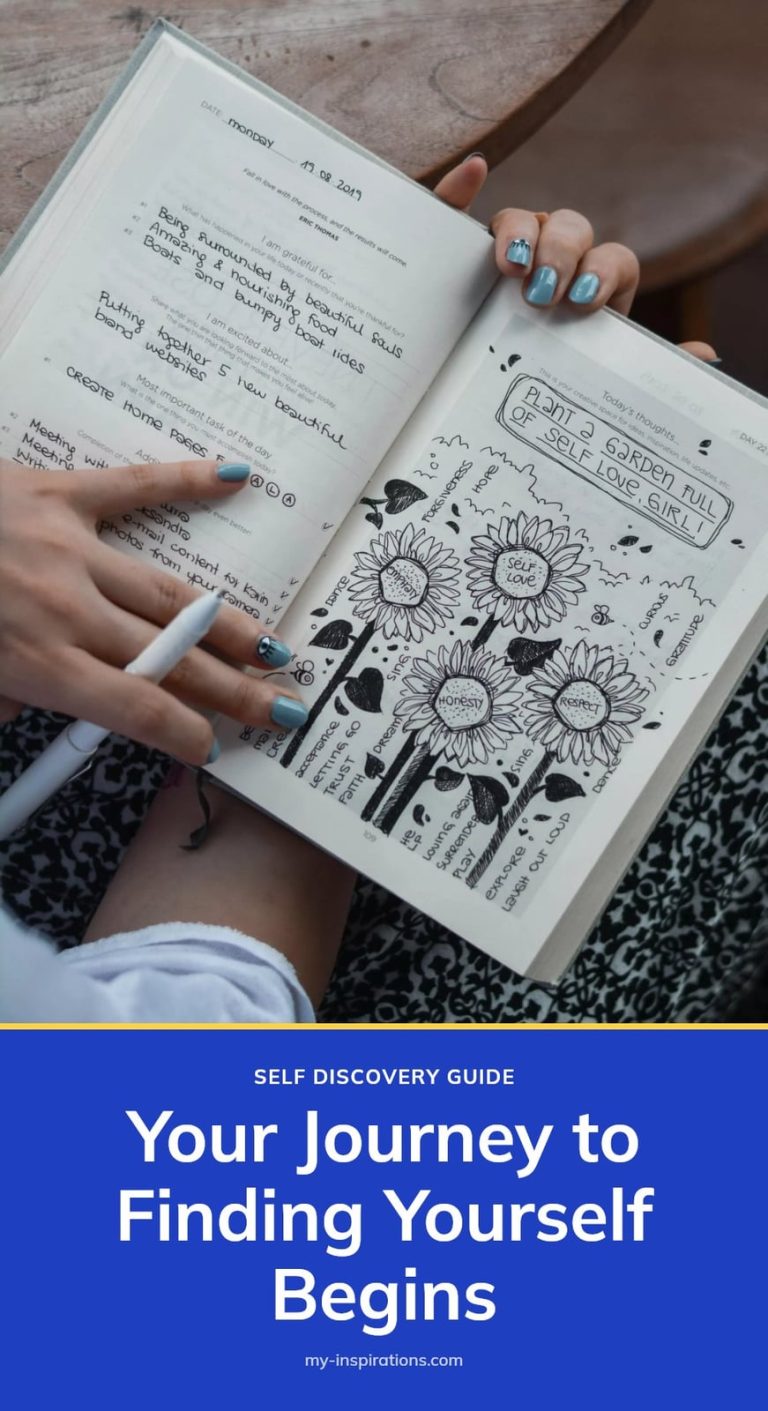
Journaling is one of the most direct ways to process emotions and track your thoughts over time. It creates a private space where you can notice patterns and gain self-awareness without anyone else’s input.
- Set a timer: Write for 10 minutes a day, without worrying about grammar or structure.
- My tip: Write freely without judgment. Let the words flow, even if they seem random. The insights often come in the middle of the mess.
3. Explore New Hobbies
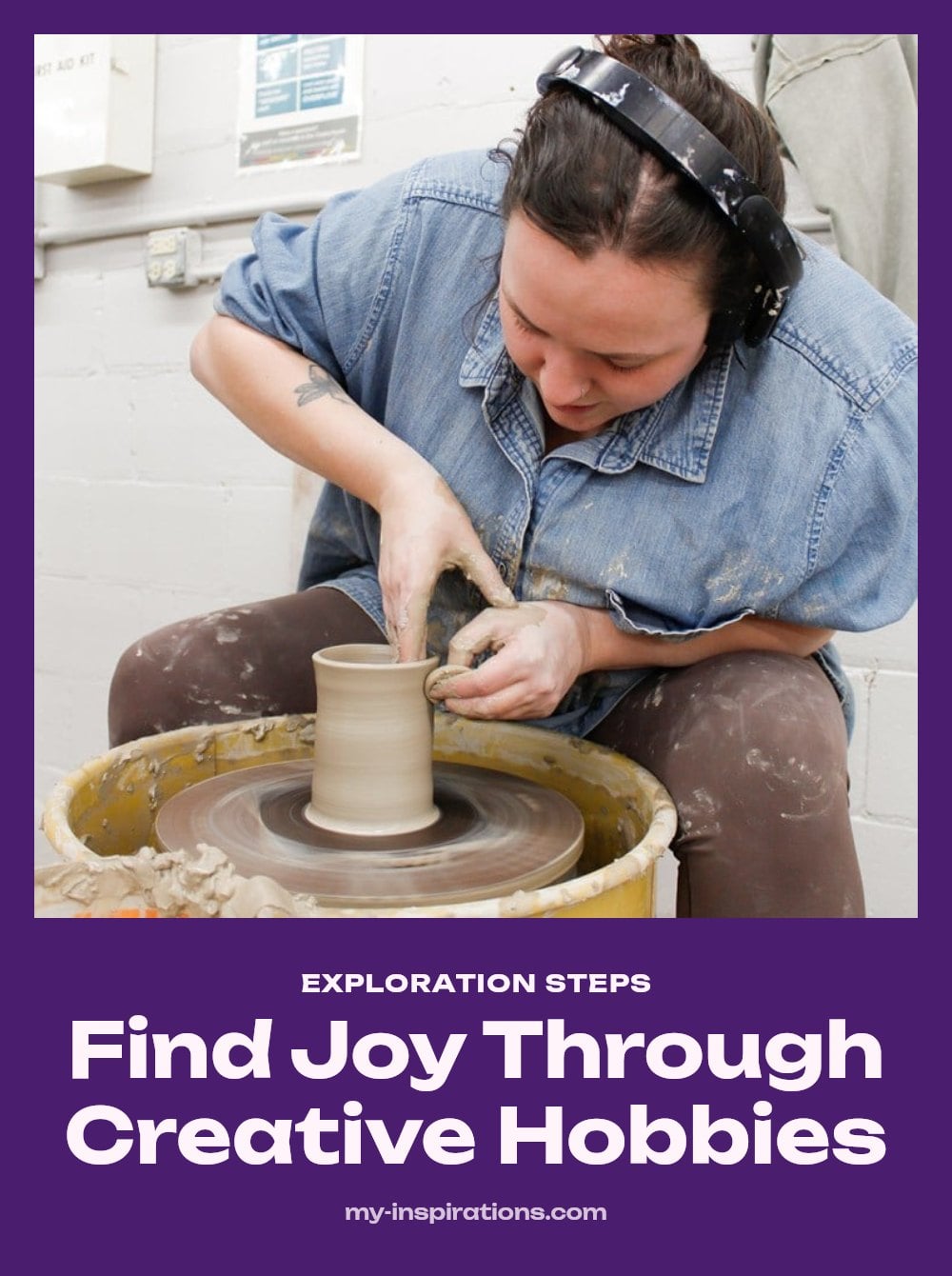
Trying activities outside your comfort zone can reveal hidden talents or passions you never knew existed. Sign up for a painting class, go for a hike on a new trail, or borrow a friend’s guitar.
- Pick one at a time: Choose a hobby that genuinely interests you, even if you feel awkward starting out.
- Notice how it feels: Pay attention to what energizes you and what drains you. That feedback is a clue to what parts of yourself you might want to develop further.
4. Spend Time in Nature
A short walk in a park can clear your head faster than an hour of scrolling. Nature gives your mind room to wander without the usual mental clutter, which is why it’s so effective for quiet self-reflection.
Try leaving your phone at home or in your bag when you step outside. Notice the trees, the sky, the sound of your own footsteps. Even 15 to 30 minutes of unstructured time outdoors can help you reconnect with yourself.
5. Step Outside Your Comfort Zone
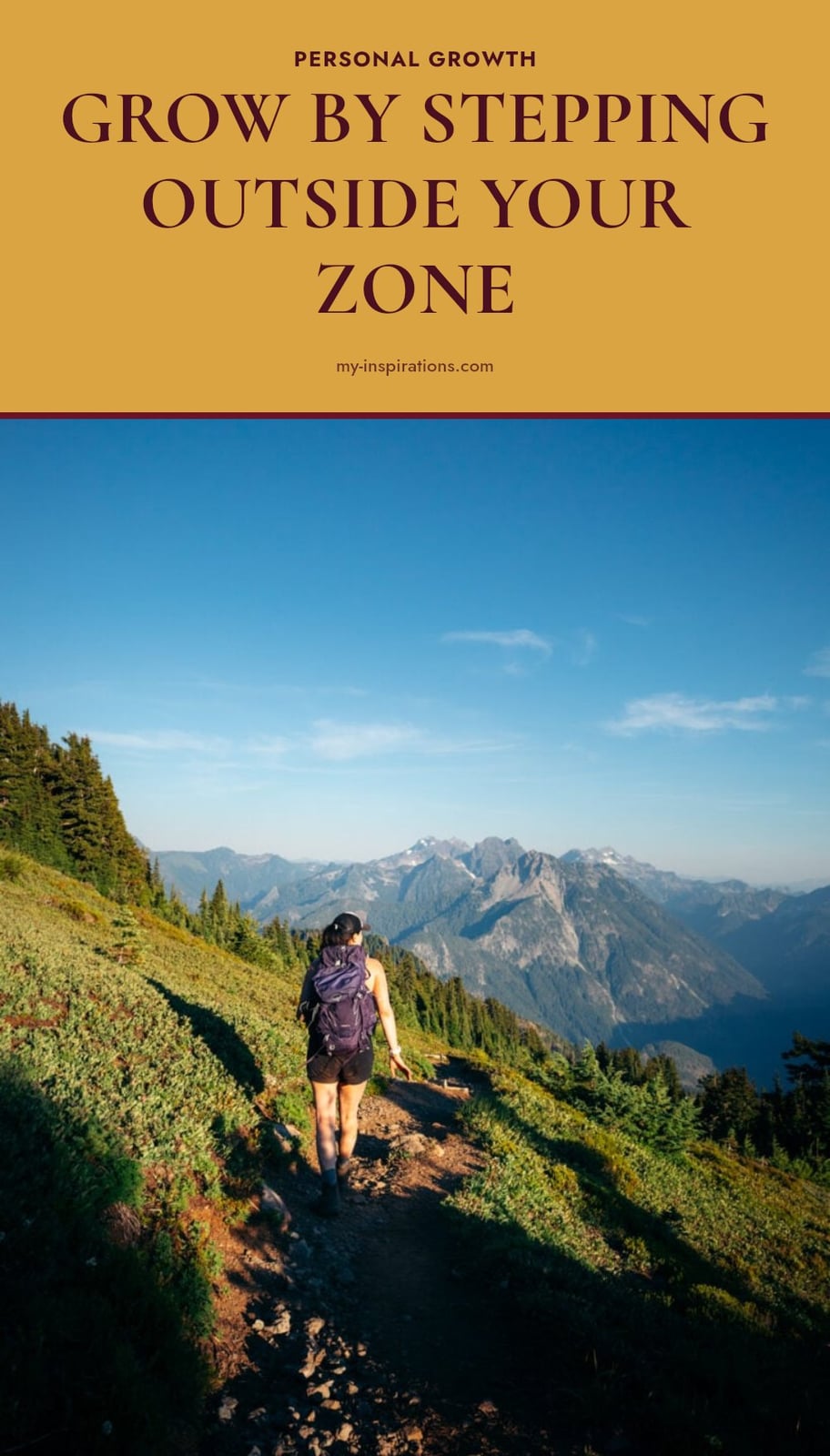
Growth happens when you challenge your boundaries, even in small ways. Start with something manageable, like ordering a dish you’ve never tried or taking a different route on your walk. The goal isn’t to overhaul your life overnight but to stretch your comfort zone gradually.
Each new experience teaches you something about what you enjoy, what you’re capable of, and what you want more of. Traveling to an unfamiliar place, even a nearby town, forces you to adapt and notice details you would otherwise miss. My tip: pick one activity that makes you slightly nervous and commit to trying it once. If it doesn’t fit, you still learn something about your preferences.
6. Identify Your Strengths
Think about what comes easily to you and leaves you feeling energized rather than drained. Maybe you’re the person friends call for advice, or you lose track of time when organizing a space. Those natural abilities and the tasks that give you a boost are clues to your core strengths.
Once you name a few strengths, look for ways to use them more often. If problem-solving feels effortless, volunteer for a challenge at work or in a hobby group. Recognizing your strengths isn’t bragging, it’s building a foundation of confidence that helps you make choices aligned with who you really are.
7. Set Personal Boundaries
Start by noticing what drains you. If a recurring invitation, request, or conversation leaves you feeling exhausted or resentful, that’s a signal it conflicts with your values or your energy reserves. Saying “no” to those things is not selfish; it’s a way of honoring your own needs.
Boundaries protect your well-being and show yourself respect. They also make your “yes” more meaningful, because you’re not spreading yourself thin. Practice with small stakes first, like declining a casual hangout when you need rest, then work up to bigger commitments.
- Name your limit: Decide in advance what you can and cannot take on.
- Use a simple script: “I can’t commit to that right now” works without over-explaining.
- Hold the line: When someone pushes back, repeat your answer calmly.
8. Practice Mindfulness
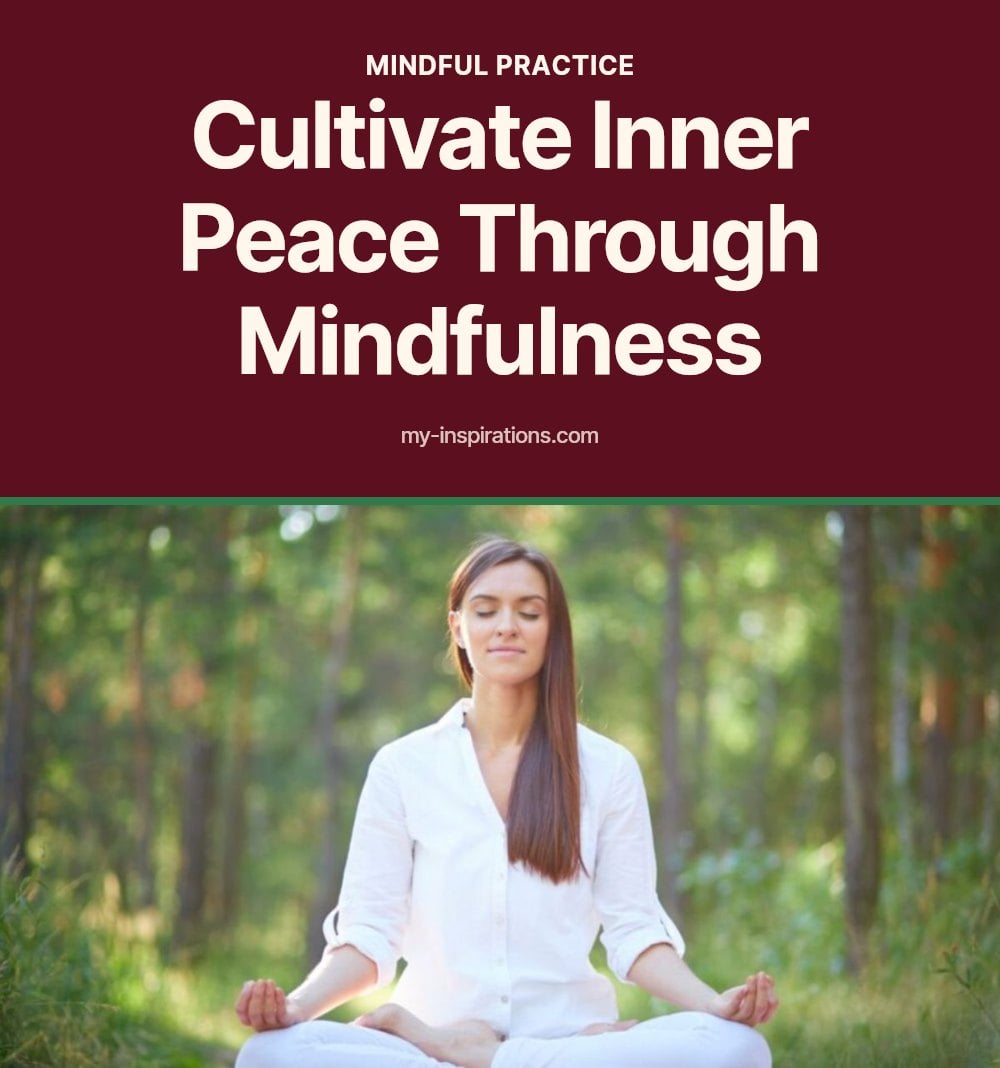
Mindfulness is simply the practice of bringing your full attention to the present moment. You can start with just five minutes a day: sit quietly, focus on your breath, and gently return your attention when your mind wanders. This regular practice reduces mental clutter and creates space to notice your own thoughts and feelings without judgment.
- Tip: Use a meditation app for guided sessions if sitting in silence feels awkward at first.
- Good to know: Even a few minutes of mindful breathing during a busy day can reset your focus and help you connect with your inner self.
9. Seek Trusted Feedback
Ask one or two people who know you well, a close friend, a mentor, or a family member, for their honest perspective on your strengths and blind spots. Frame it as a request for insight, not validation. Their observations can reveal patterns you miss on your own.
- My tip: After you hear their feedback, sit with it for a day before deciding what fits. Your own intuition should have the final say on what feels true for you.
10. Volunteer or Help Others
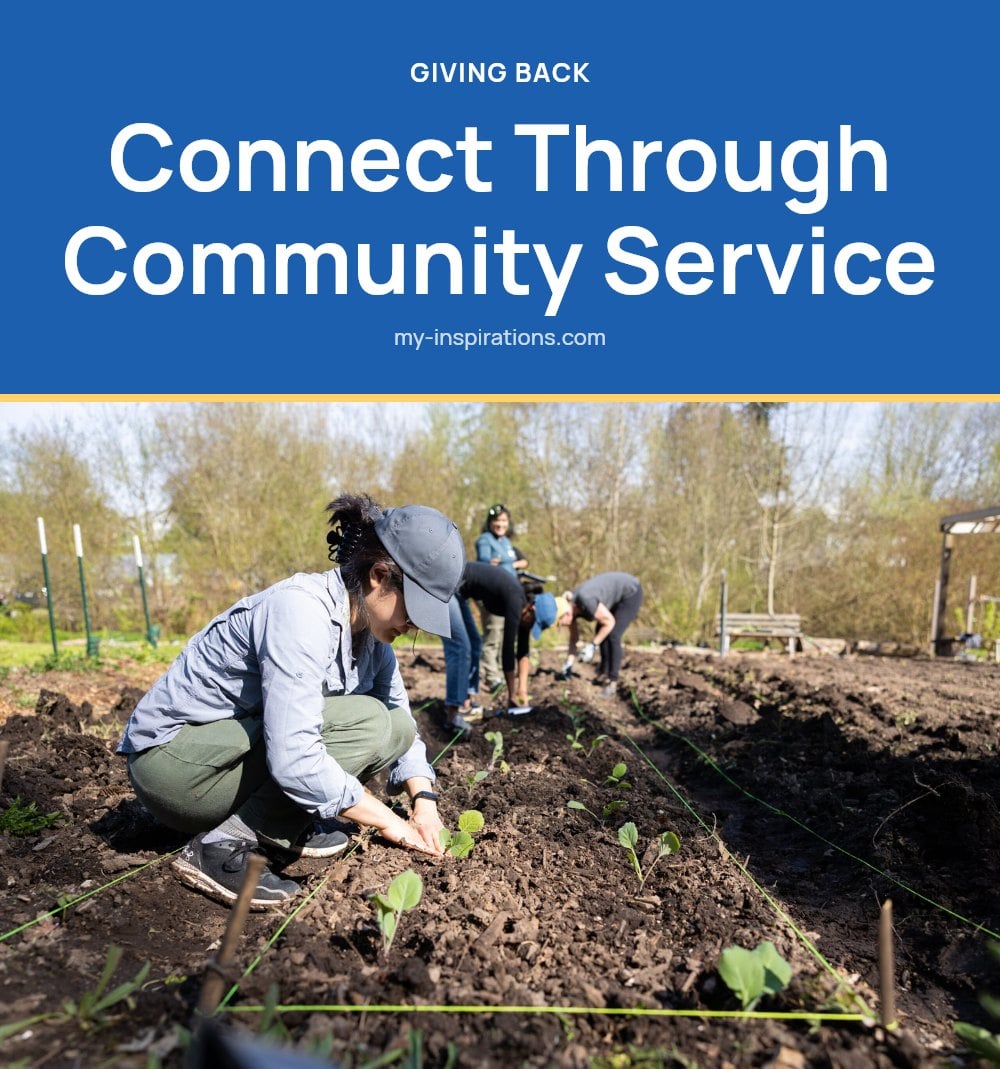
Volunteering shifts your focus outward and can give you a tangible sense of purpose. Choose a cause you care about, whether it’s serving meals at a shelter, tutoring kids, or cleaning up a local park. The act of giving back often puts your own struggles in perspective and highlights strengths you didn’t know you had.
- Pro move: Notice how you feel during and after volunteering. Do you feel energized, calm, or fulfilled? Those reactions can point you toward values like compassion, teamwork, or community that matter to you.
11. Practice Self-Compassion
Self-discovery involves facing parts of yourself that are messy or imperfect. When you catch yourself being self-critical, pause and ask how you would talk to a friend in the same situation. Then offer yourself that same tone of voice.
- Caution: This doesn’t mean ignoring areas for growth. It means acknowledging them without harsh judgment. Treat your mistakes as data, not as proof of failure.
12. Take Digital Breaks
Set a daily cutoff for social media, even if it’s just 15 to 30 minutes before bed. Constant scrolling keeps your brain in comparison mode, measuring your life against carefully edited highlights that aren’t the full picture.
Use that freed-up time for anything that lets your own thoughts surface, a walk, a hobby, or simply sitting with a cup of tea. You don’t need a full digital detox to benefit. Try one screen-free hour each evening or a phone-free morning on weekends.
Pro move: Turn off non-essential notifications so you choose when to check apps instead of letting them interrupt your day. The quiet gaps are where self-discovery actually happens.
13. Learn New Skills

Learning a new skill, whether it’s cooking, coding, or a language, reshapes how you see yourself. Each new ability adds a layer to your identity and shows you a version of yourself you didn’t know existed.
Tip: Choose one skill that genuinely interests you, not one you think you should learn. Dedicate 15 to 30 minutes a day to it, and track your progress in a simple log. The confidence boost comes from seeing yourself improve over time, not from mastering it overnight.
14. Reflect on Past Experiences
Your past holds clues about who you are today. Look back at both the highs and the lows, not to dwell, but to spot patterns. What did that difficult job teach you about your limits? How did a happy memory reveal what you value? Write down two or three key moments and ask yourself: what did I learn, and how did I change? Those answers are roadmaps.
Tip: Focus on what you did and felt, not on blaming yourself or others. The goal is understanding, not judgment.
15. Define Personal Goals
Set goals that reflect what you’re learning about yourself, not what you think you should want. Short-term goals, like trying one new hobby a month or journaling three times a week, give you quick wins and keep momentum. Long-term goals, such as changing careers or developing a skill over a year, provide a bigger direction to work toward.
Tip: Write down your top three goals for the next 90 days. Revisit them monthly and adjust as your understanding of yourself shifts. Goals are tools for growth, not rigid contracts.
16. Prioritize Self-Care
Self-care is the groundwork for everything else in this journey. If you’re running on little sleep, skipping meals, or ignoring stress, your mind won’t have the energy to reflect or grow.
Start with the basics: aim for 7 to 9 hours of sleep, eat regular meals that include protein and vegetables, and build in small stress-relief habits like a 10-minute walk or deep breathing. A healthy body and mind make self-discovery feel possible, not overwhelming.
17. Allow for Solitude
Set aside 15 to 30 minutes a day to be alone, no phone, no music, just you with your thoughts. This quiet time is essential for deep introspection because it removes external influences that can drown out your own voice.
Use this time to ask yourself simple questions like “What do I actually enjoy?” or “What drained me this week?” The answers often surface quietly, and they’re yours alone to explore.
18. Trust Your Intuition
Your gut feelings are a reliable signal, even when logic disagrees. When you face a choice, pause and notice your body’s response: a tight chest or a sense of ease can tell you more than a pros-and-cons list.
My tip: start small. Test your intuition on low-stakes decisions, like which route to walk or what to cook. Over time, you’ll learn to trust it for bigger life choices too.
19. Be Patient and Persistent
There’s no deadline for finding yourself, and no single moment when everything clicks. Insights arrive gradually, often when you least expect them, and they can shift as you move through different life stages.
Celebrate small wins, like noticing a new preference or recognizing a pattern you want to change. Be kind to yourself when progress feels slow; evolving is the point, not arriving.
Common Mistakes When Finding Yourself
Expecting a one-time event: Finding yourself is an ongoing process, not a destination. Embrace the continuous evolution instead of waiting for a single breakthrough moment.
Comparing your journey to others’: Everyone’s path is unique. Focus on your own growth, not someone else’s highlight reel.
Confusing societal expectations with your true self: Distinguish between what you truly want and what others or society tell you should want. This is a common trap during life transitions.
Avoiding introspection or difficult emotions: True self-discovery requires facing uncomfortable truths and emotions. Avoiding them only delays your progress.
Neglecting self-care: You can’t pour from an empty cup. Prioritize your well-being throughout this journey, including sleep, nutrition, and stress management.
Frequently Asked Questions
How long does it take to find yourself?
There’s no fixed timeline for finding yourself. It’s a lifelong journey that unfolds gradually, with insights emerging over weeks, months, or years. You may find that your sense of self shifts with different life stages. Rather than focusing on a deadline, try to embrace the process and celebrate small discoveries along the way.
Is finding yourself a one-time event?
No, finding yourself is not a one-time event. It’s an ongoing process of self-discovery that continues throughout your life. Your values, passions, and purpose can evolve as you gain new experiences and enter different life stages. Expect that your understanding of yourself will deepen and change over time, and that’s perfectly normal.
Can travel help me find yourself?
Travel can be a powerful catalyst for self-discovery because it takes you out of your usual environment and comfort zone. It can expose you to new perspectives, challenge your assumptions, and give you space to reflect. However, travel isn’t required. You can also find yourself through everyday activities like journaling, trying new hobbies, or spending quiet time alone.
What if I don’t know where to start?
If you’re not sure where to begin, start with something simple: set aside 10 minutes a day to journal about your thoughts and feelings. You can also try spending 15 to 30 minutes in solitude each day, asking yourself questions like ‘What matters to me right now?’ or ‘What brings me a sense of ease?’. These small practices can help you tune in to your inner voice.
Is it normal to feel lost sometimes?
Yes, feeling lost is a common part of the self-discovery process, especially during times of transition. It’s a sign that you’re questioning your path and seeking something more authentic. However, if feelings of confusion are accompanied by persistent sadness, hopelessness, or difficulty functioning, it’s wise to consult a mental health professional for support.
Final Thoughts
Finding yourself isn’t about reaching a final answer; it’s about building a habit of checking in with yourself. Start with one step that feels manageable, whether it’s journaling for 10 minutes, taking a walk in nature, or setting a small boundary. Give yourself permission to be a work in progress, and expect that your understanding of yourself will evolve over time. Be patient and kind to yourself along the way, and remember that every small insight is a win worth celebrating.
This article is for general informational purposes only and is not a substitute for professional advice. If you’re experiencing persistent feelings of sadness, hopelessness, or difficulty functioning, please reach out to a qualified mental health professional. Your journey is unique, and professional guidance can be a valuable part of it.