Cortisol Reducing Foods List: Eat Your Way to Less Stress
Discover a comprehensive list of cortisol reducing foods that can help manage stress and support your well-being. Learn what to eat and why it works.

When stress has you feeling wired and worn out, it’s tempting to look for a quick fix. While no single food can erase stress or magically lower cortisol, what you eat can genuinely support your body’s stress response. A balanced diet with the right nutrients, plus consistent meal timing, can help keep cortisol levels steadier.
This article covers a practical list of cortisol-friendly foods, how they work, and common mistakes to avoid, so you can eat your way to a calmer baseline.
Key Takeaways
- No single food lowers cortisol; focus on a consistent, balanced dietary pattern.
- Aim for 2-3 weekly servings of fatty fish like salmon for omega-3s.
- Choose whole grains and legumes to stabilize blood sugar and prevent cortisol spikes.
- Incorporate magnesium-rich foods like spinach, nuts, and seeds daily.
- Pair dietary changes with sleep, exercise, and stress management for best results.
Eating for Calm: How Food Can Help Manage Cortisol
No single food is a magic bullet for stress, but a balanced diet rich in specific nutrients can support your body’s stress response. Focus on whole foods, antioxidants, omega-3s, and stable blood sugar to help regulate cortisol. My tip: think of food as one supportive piece of a larger stress-management puzzle. Diet alone isn’t a cure, so always consult a healthcare professional if you’re dealing with chronic stress or suspect high cortisol levels.
1. Omega-3 Rich Fatty Fish
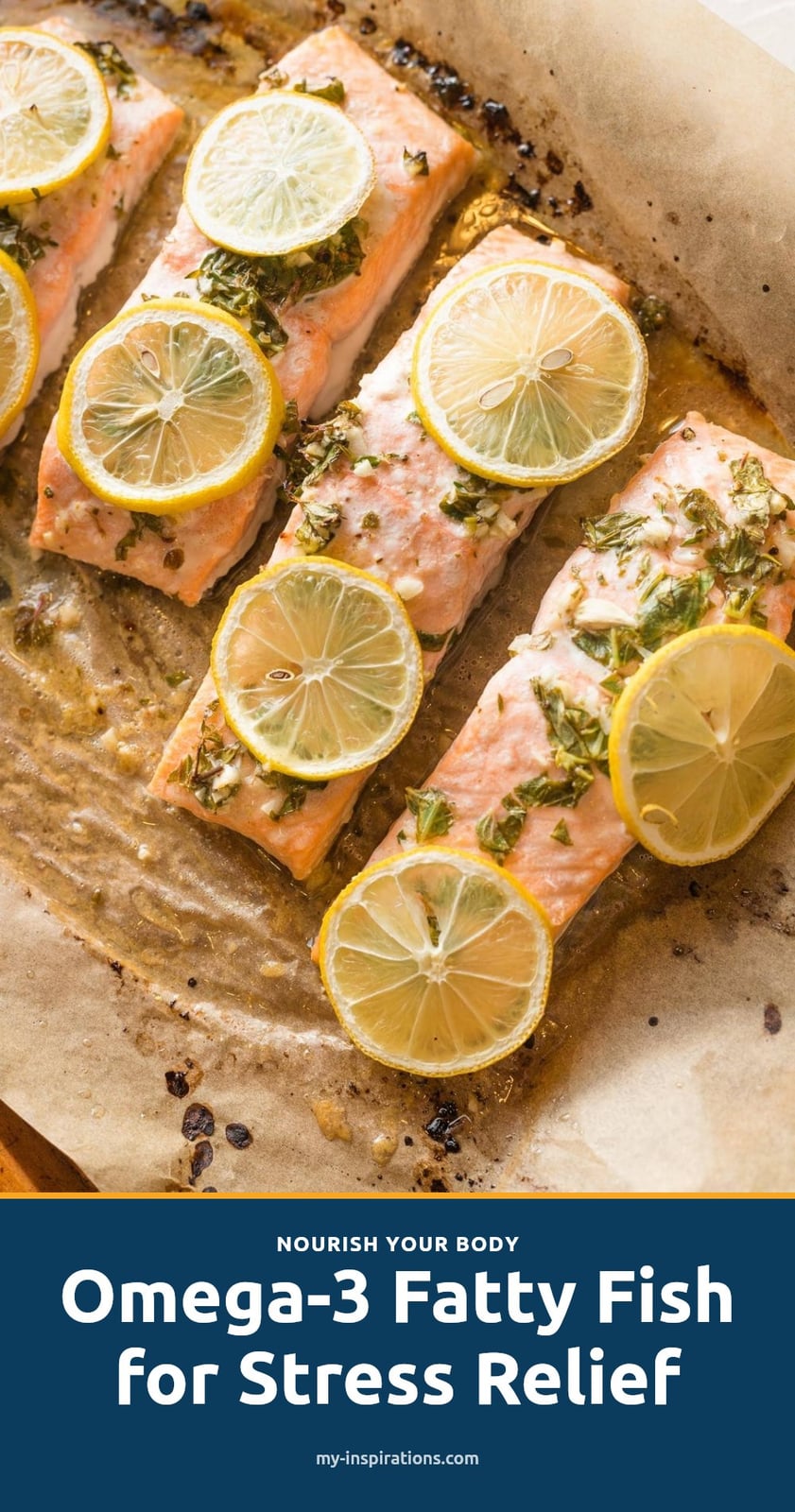
Salmon, mackerel, and sardines are my go-to omega-3 powerhouses. These healthy fats have anti-inflammatory properties that can help regulate stress hormones, including cortisol. My tip: Aim for 2-3 servings per week. A simple grilled salmon fillet or sardines on whole-grain toast makes it easy to hit that goal.
2. Leafy Green Vegetables
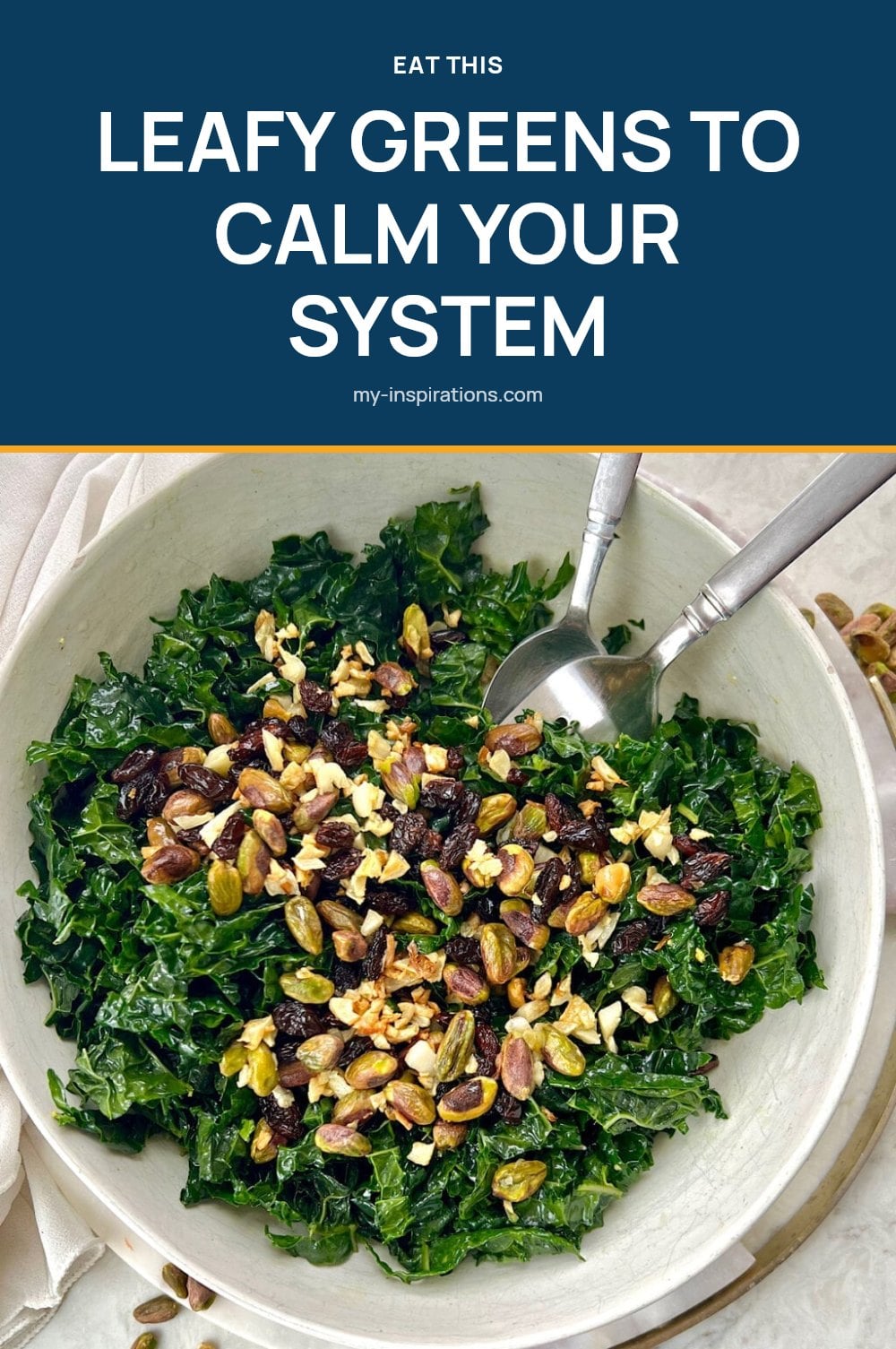
Spinach and kale are packed with magnesium, a mineral involved in over 300 bodily reactions. Stress can actually deplete your magnesium levels, making you feel worse. Tip: Toss a handful into your morning smoothie or sauté it as a side dish. You also get B vitamins and antioxidants from these greens, which further support your body under stress.
3. Whole Grains and Complex Carbs
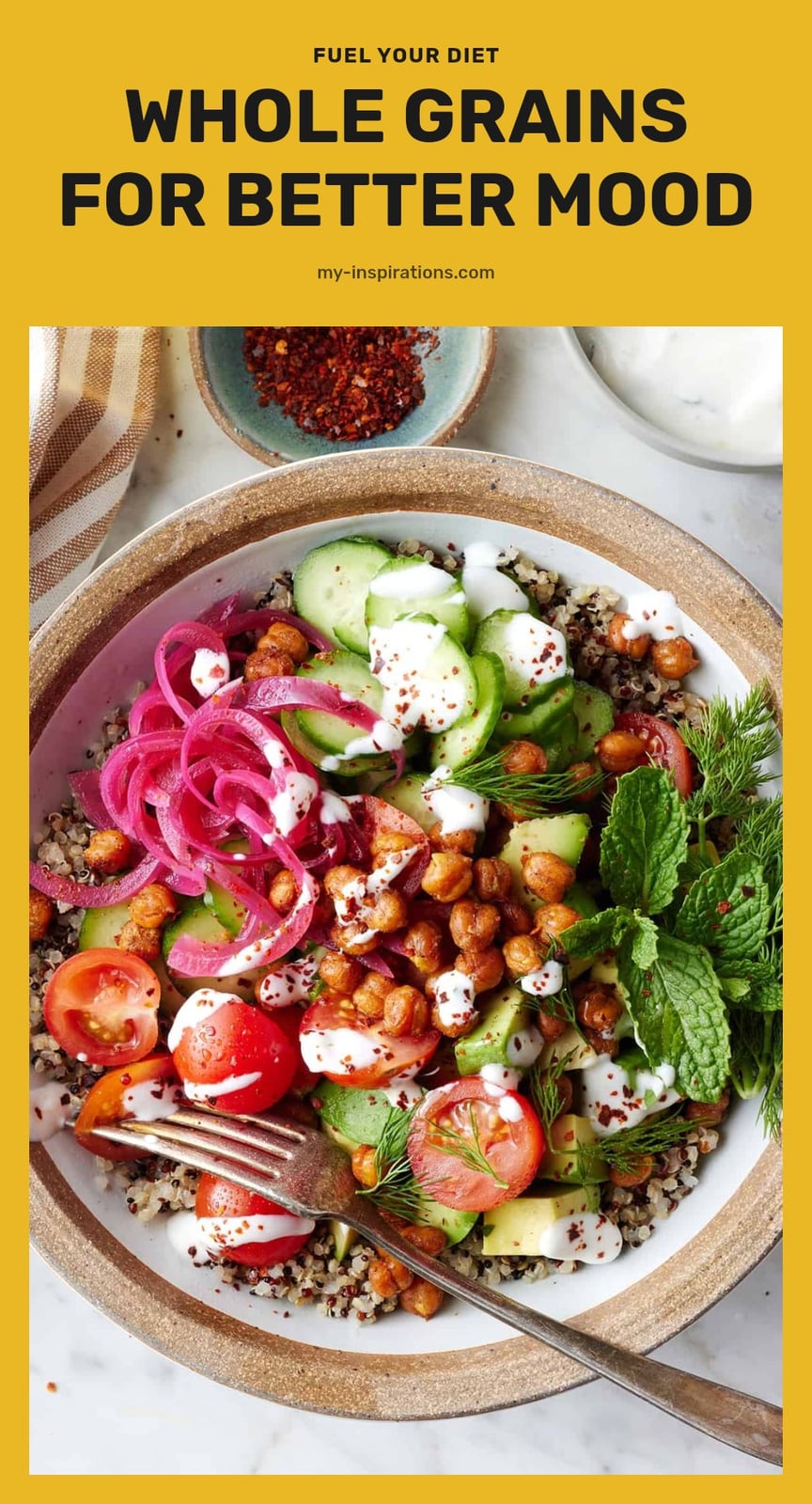
Oats, quinoa, and brown rice are complex carbohydrates that stabilize blood sugar. When your blood sugar crashes, your body releases cortisol, and that cycle keeps you on edge. Good to know: These grains also provide B vitamins for steady energy and neurotransmitter function. Swap refined white rice or pasta for quinoa or brown rice to keep your levels even.
4. Probiotic-Rich Fermented Foods
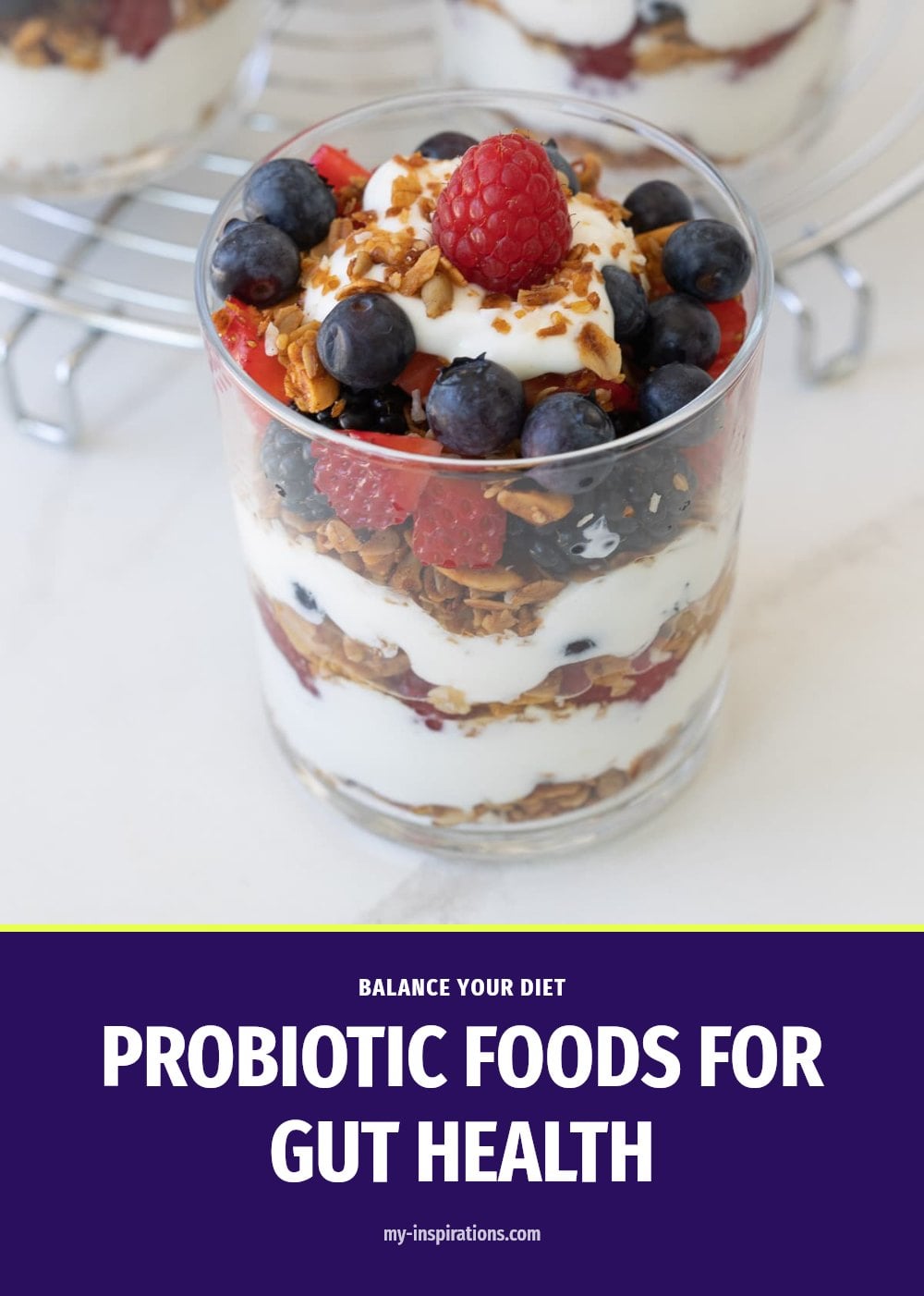
Yogurt, kefir, and sauerkraut are fermented foods that deliver live probiotics to your gut. A healthy gut is increasingly linked to a balanced mood and stress response through the gut-brain axis, which is why these foods can help keep cortisol in check.
My tip: Choose plain, unsweetened varieties to avoid added sugars that can counteract the benefits. Stir in fresh berries or a drizzle of honey if you need sweetness.
5. Antioxidant-Packed Berries
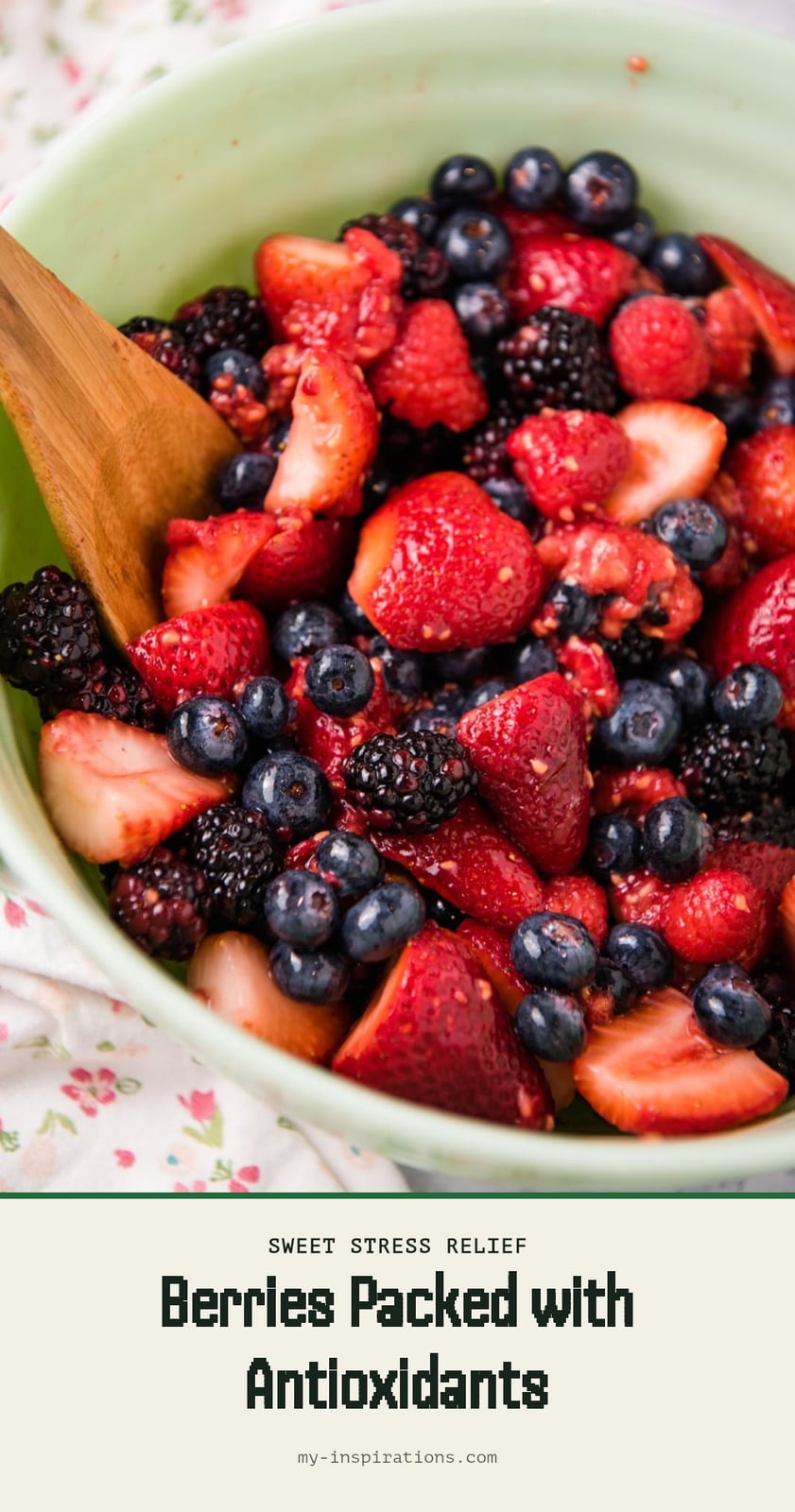
Blueberries, strawberries, and raspberries are antioxidant powerhouses. When your cortisol runs high for long periods, your body faces more oxidative stress, and these berries help fight that damage. They also deliver Vitamin C, which directly supports your adrenal glands as they produce cortisol.
- Tip: Keep a bag of frozen berries in the freezer. I toss them into morning oatmeal or plain yogurt for an instant stress-support boost without any added sugar.
- Fresh berries are great, but frozen ones retain nearly all their antioxidants and are often more affordable year-round.
6. Nuts and Seeds
Almonds, walnuts, chia seeds, and flaxseeds are fantastic sources of magnesium, omega-3s, and B vitamins. Walnuts, in particular, stand out for their alpha-linolenic acid (ALA), a plant-based omega-3 that supports heart health and may help regulate stress hormones.
These healthy fats and minerals work together to calm your nervous system and keep your energy steady throughout the day. My tip: Keep a small handful of mixed nuts and seeds in your bag for a quick, stress-friendly snack that won’t spike your blood sugar.
7. Avocado
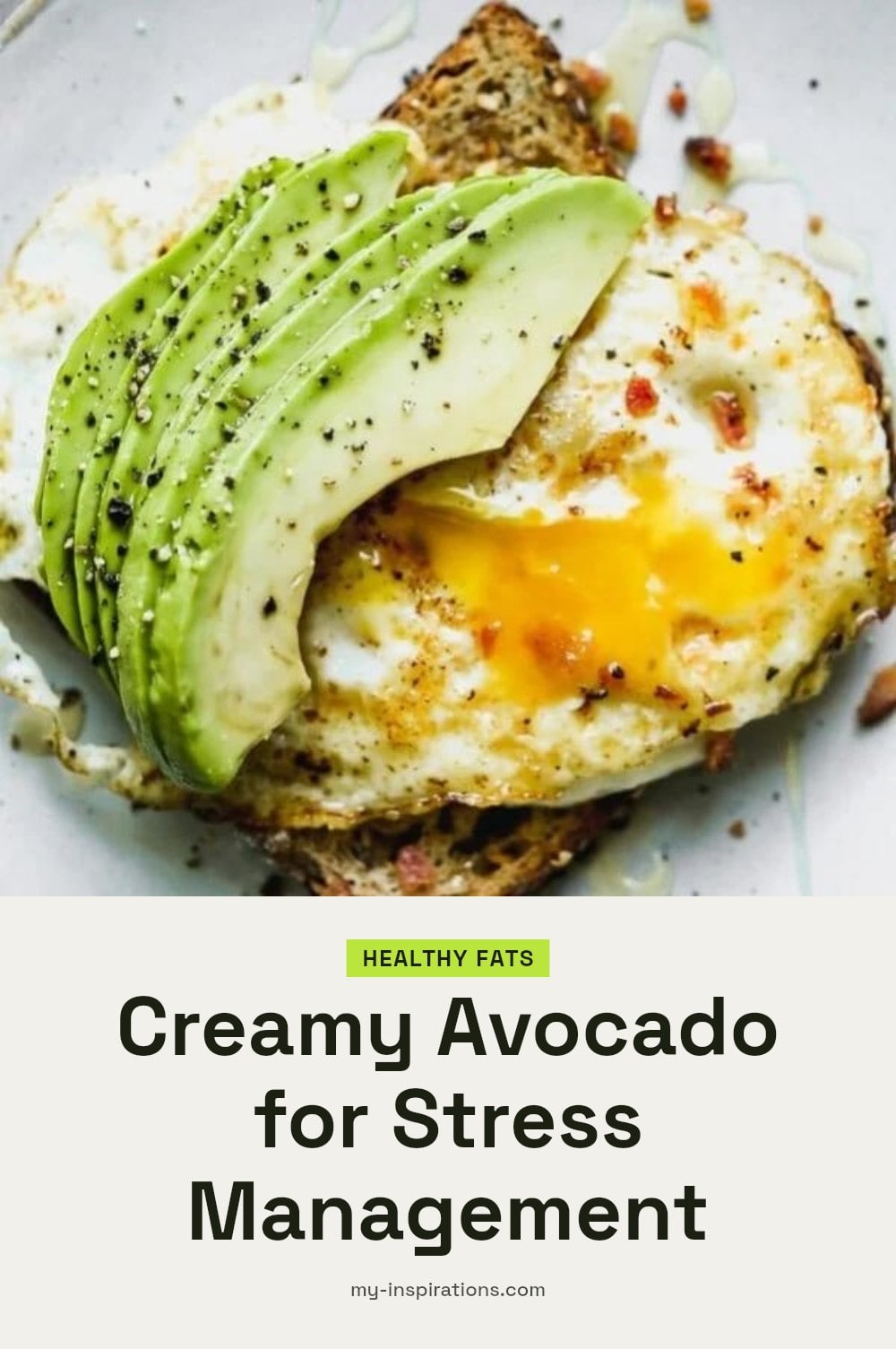
Avocado delivers healthy monounsaturated fats, B vitamins, and magnesium in one creamy package. The B vitamins in it support nerve function and energy production, both of which take a hit during stressful periods.
Its nutrient density and satisfying texture help keep blood sugar stable, preventing the dips that trigger cortisol release. I usually slice half an avocado onto toast or blend it into a smoothie for a steady-energy boost.
8. Legumes (Beans and Lentils)
Beans and lentils bring fiber, B vitamins, and magnesium to your plate. The fiber keeps blood sugar steady, so you avoid the spikes that signal your body to release more cortisol. The B vitamins support your energy and nervous system, while magnesium helps calm nerve function. I usually add lentils to soups or toss chickpeas into salads for a protein boost that keeps me full longer.
9. Citrus Fruits
Oranges and grapefruit deliver a concentrated dose of Vitamin C. Your adrenal glands rely on this vitamin to function well when they produce cortisol. Getting enough Vitamin C may also reduce the physical tension and mental strain that come with stress. I squeeze half a grapefruit into my morning water or eat an orange as a midday snack.
10. Green Tea
Green tea contains L-theanine, an amino acid that promotes relaxation without making you drowsy. It works by increasing calming brain chemicals, which can help take the edge off your anxiety. Good to know: Choose decaffeinated green tea if you are sensitive to caffeine, especially in the afternoon or evening.
11. Dark Chocolate (in Moderation)
Dark chocolate with at least 70% cacao offers antioxidants and compounds that may lower cortisol by improving blood flow and reducing perceived stress. It can genuinely lift your mood. Pro move: Stick to one small square a day. It is calorie-dense, so moderation keeps it a helpful treat rather than a source of guilt.
Common Missteps When Changing Your Diet for Stress
Expecting a ‘magic bullet’: No single food will eliminate stress or drastically reduce cortisol. It’s about a consistent, balanced dietary pattern that you can maintain over weeks and months. I’ve learned this the hard way after chasing quick fixes that never delivered.
Ignoring other lifestyle factors: Diet is powerful, but sleep, exercise, and stress management techniques are equally vital for cortisol regulation. You can eat perfectly and still feel wired if you’re skimping on rest or skipping your morning walk.
Self-diagnosing high cortisol: Always consult a doctor or registered dietitian if you suspect chronically high cortisol or a stress-related health condition. They can run proper tests and rule out underlying issues that food alone won’t fix.
Skipping meals: This can lead to blood sugar imbalances, which actually trigger cortisol release. Aim for regular, balanced meals with protein, fiber, and healthy fats to keep your energy steady and your stress response in check.
Frequently Asked Questions
How quickly can diet changes affect cortisol levels?
Most people don’t see immediate changes. Consistent dietary habits, like eating balanced meals and including stress-supportive nutrients, generally take weeks to months to influence cortisol and overall stress response. Don’t expect overnight results; focus on sustainability.
Can I still drink coffee if I’m trying to reduce cortisol?
Caffeine can temporarily raise cortisol, especially in large amounts or when you’re already stressed. If you’re sensitive, consider reducing intake or switching to decaf, particularly in the afternoon. Green tea with L-theanine is a gentler alternative that may promote relaxation.
Are there any supplements that help reduce cortisol?
Some supplements, like magnesium or omega-3s, may support stress regulation, but they’re not a substitute for a healthy diet or medical advice. Always talk to a healthcare provider before starting any supplement, especially if you have underlying conditions or are pregnant.
What is the best time of day to eat cortisol-reducing foods?
Regular, balanced meals throughout the day are more important than a specific time. Eating at consistent intervals helps stabilize blood sugar and prevents cortisol spikes from crashes. Include a mix of protein, complex carbs, and healthy fats at each meal for steady energy.
Do all fermented foods help with stress?
Fermented foods like yogurt, kefir, and sauerkraut contain probiotics that support gut health, which is linked to mood and stress response. However, not all fermented products are equal; some are pasteurized and lack live cultures. Choose unpasteurized or labeled ‘live cultures’ for potential benefits.
Final Thoughts
For a calmer stress response, prioritize whole foods rich in omega-3s, magnesium, B vitamins, and antioxidants, and keep your blood sugar steady with regular, balanced meals. Realistic expectations matter: dietary changes typically take weeks to months to show noticeable effects, so consistency beats any single superfood.
My tip: build your plate around fatty fish, leafy greens, whole grains, and berries, and pair that with good sleep and movement. If you suspect chronically high cortisol or a stress-related condition, talk to a doctor or registered dietitian for personalized guidance.
This article is for general informational purposes only and is not a substitute for professional medical advice. Dietary changes may not be suitable for everyone, especially if you have underlying health conditions or are pregnant. If you suspect chronically high cortisol or a stress-related disorder, consult a doctor or registered dietitian for personalized guidance.