Chia Seeds: Benefits, Uses, and How to Incorporate Them Into Your Diet
Discover the health benefits of chia seeds, from fiber to omega-3s, and learn practical ways to easily incorporate them into your daily meals.

Chia seeds are tiny but mighty, and if you’re curious about how to add them to your meals without the fuss, you’re in the right place. I’ll walk you through what makes them so nutritious, how to use them safely, and simple ways to enjoy them every day. This article covers their benefits, smart tips for getting started, and a few easy recipes to try at home.
Key Takeaways
- Chia seeds provide about 10 grams of fiber per 2-tablespoon serving, mostly soluble fiber that forms a gel in your digestive tract.
- Soak chia seeds before eating to aid digestion and prevent potential discomfort, especially if you have a sensitive stomach.
- Start with 1-2 tablespoons per day and increase slowly to allow your system to adjust to the high fiber content.
- Use a chia egg (1 tablespoon seeds + 3 tablespoons water) as a plant-based egg substitute in baking.
- Store chia seeds in a cool, dry place in an airtight container to keep them fresh longer.
What Are Chia Seeds and Why Are They So Popular?
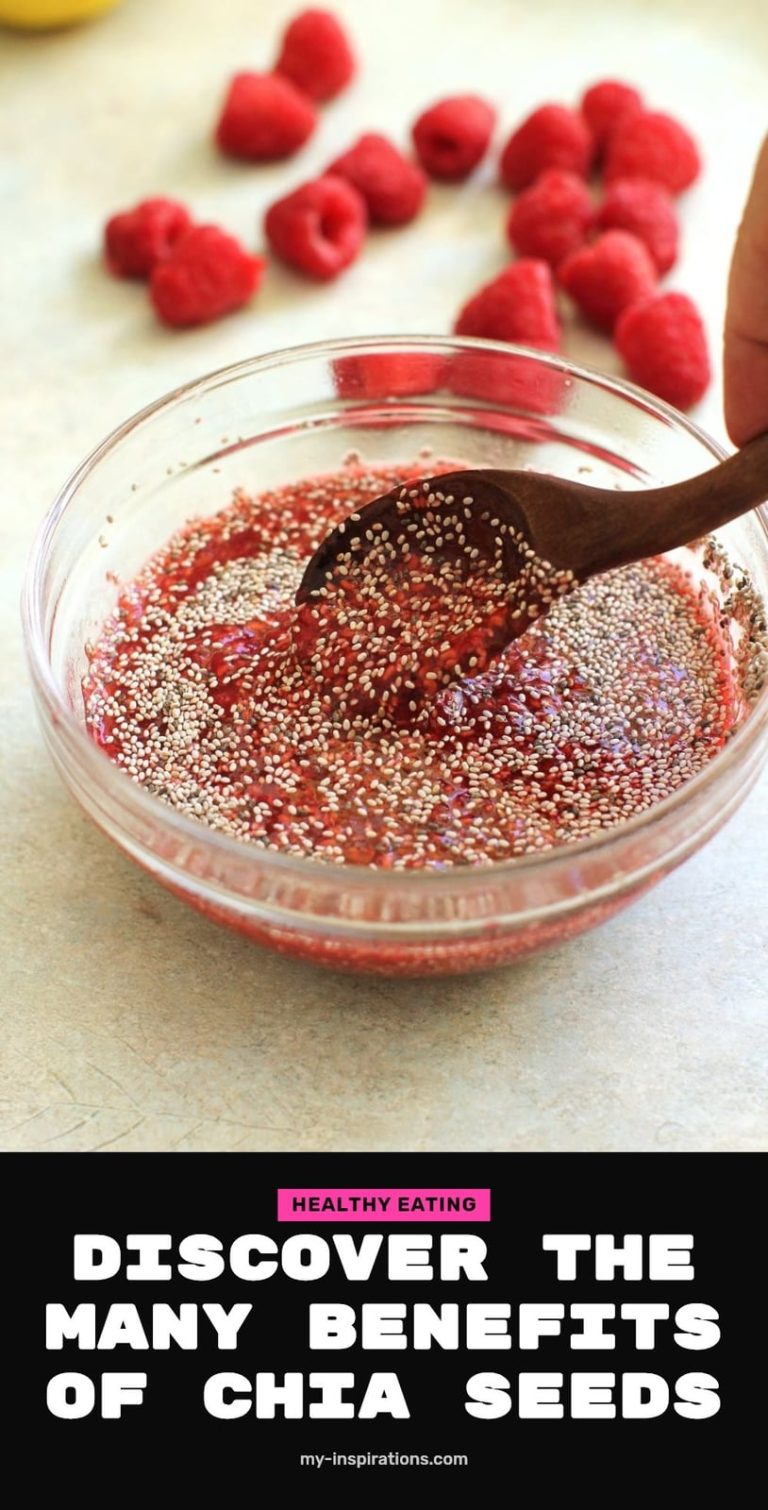
Chia seeds are tiny, nutrient-dense seeds from the Salvia hispanica plant, a member of the mint family native to central and southern Mexico. They are known for their impressive content of fiber, omega-3 fatty acids, and protein. When soaked in liquid, they absorb up to 10-12 times their weight and form a gel-like consistency, which makes them incredibly versatile for many dishes from puddings to smoothies.
The Impressive Nutritional Profile of Chia Seeds
The Impressive Nutritional Profile of Chia Seeds
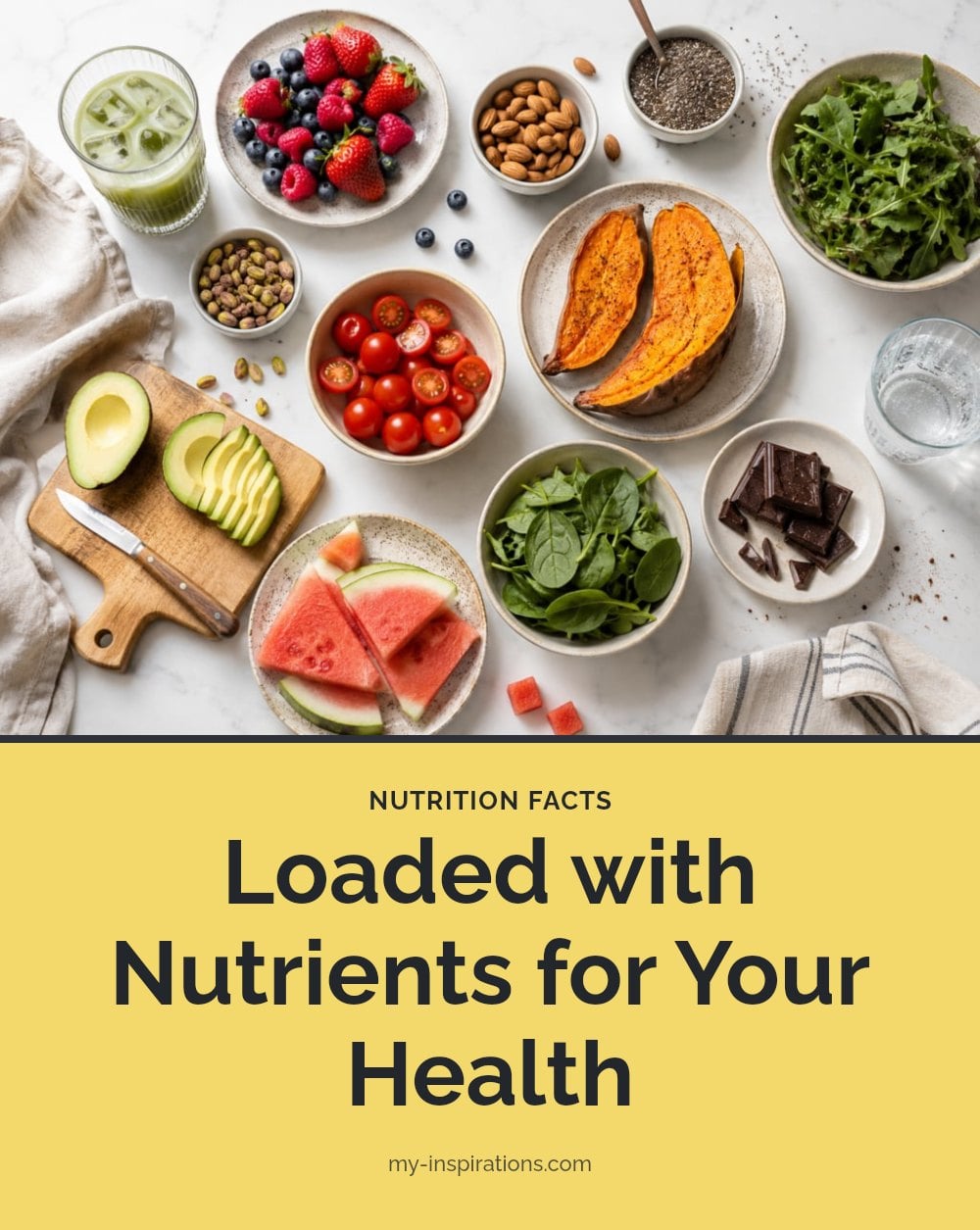
A 2-tablespoon serving of chia seeds delivers about 10 grams of dietary fiber, which is roughly a third of the daily recommended intake for most adults. That fiber is mostly soluble, meaning it forms a gel in your digestive tract and helps you feel full longer. The same serving also provides 4 to 5 grams of protein, along with essential minerals like calcium, phosphorus, magnesium, and manganese.
Chia seeds are particularly notable for their alpha-linolenic acid (ALA), a plant-based omega-3 fatty acid that supports heart health. While ALA is beneficial, it differs from the EPA and DHA found in fish oil, so it is not a direct substitute. On the practical side, chia seeds are naturally gluten-free and have a mild, nutty flavor that pairs well with both sweet and savory dishes without overpowering them.
Health Benefits of Incorporating Chia Seeds into Your Diet
The soluble fiber in chia seeds forms a gel in your digestive tract, which can slow digestion and help you feel full longer. That same fiber feeds beneficial gut bacteria, supporting regular digestion and overall gut health.
Chia seeds are rich in alpha-linolenic acid (ALA), a plant-based omega-3 fatty acid that contributes to heart health by helping maintain healthy cholesterol levels. Some research also suggests that the fiber and gel-forming properties may help improve blood sugar control by slowing the absorption of carbohydrates after meals.
For plant-based eaters, chia seeds are notable because they contain all nine essential amino acids, making them a complete protein source. While they are not a magic bullet for any health condition, adding them to a balanced diet can support heart, digestive, and metabolic health over time.
Smart Tips for Enjoying Chia Seeds Safely and Effectively
Soak them first: Always soak chia seeds in liquid before consuming, especially if you have digestive sensitivities. This helps with digestion and nutrient absorption. Start small: Begin with 1-2 tablespoons per day and gradually increase your intake to allow your digestive system to adjust to the high fiber content. Hydrate: Drink plenty of water throughout the day, especially when consuming chia seeds, to prevent dehydration and aid digestion. Store properly: Keep chia seeds in a cool, dry place in an airtight container to maintain their freshness and extend their shelf life.
1. Chia Seed Pudding: A Simple and Nutritious Breakfast or Snack
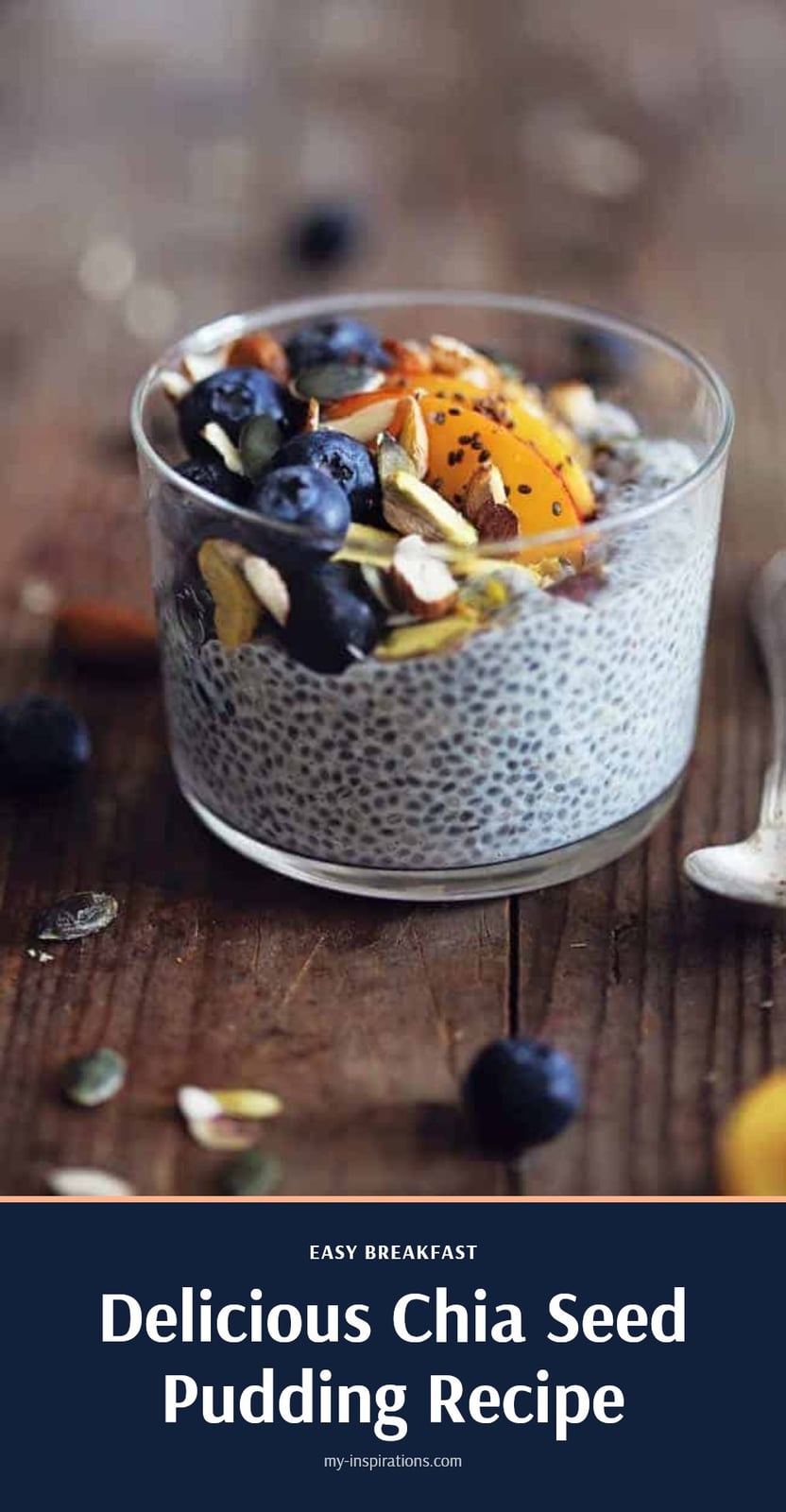
Chia pudding is the easiest way to get these seeds into your morning routine. Mix seeds with any liquid you like, dairy milk, almond milk, juice, or even yogurt, and let the mixture sit. The seeds absorb 10 to 12 times their weight in liquid, so within a few hours or overnight you get a thick, creamy texture that feels like dessert.
You can keep it simple or dress it up. My tip: stir in a little maple syrup or honey before it sets, then top with fresh fruit or nuts right before eating. It works as breakfast, a snack, or even a lighter dessert, and you can prep several jars at once for the week.
2. Boosting Smoothies and Yogurt with Chia Seeds
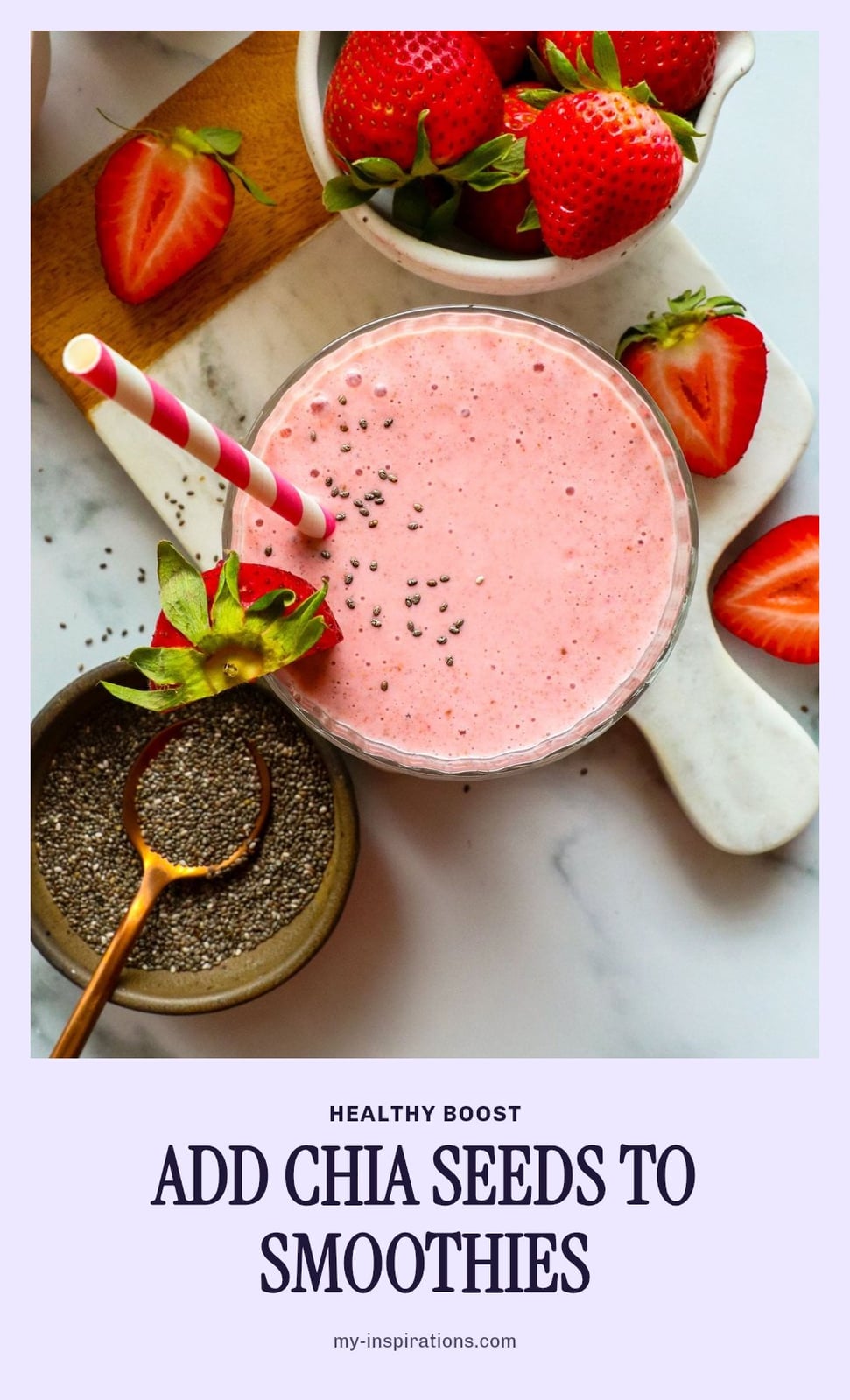
Adding chia seeds to smoothies and yogurt is a fantastic way to sneak in extra nutrients without altering the flavor too much. Their mild, nutty taste blends seamlessly with other ingredients.
For smoothies, simply add a tablespoon or two to your blender along with other ingredients. They’ll help thicken the smoothie and provide a fiber boost. I usually toss them in with the liquid first so they start swelling before blending.
When adding to yogurt, always soak the chia seeds first, either in water or milk for about 10 minutes, then stir them in. This prevents them from absorbing moisture from your yogurt unevenly and keeps the texture smooth. My tip: I love them in Greek yogurt with a drizzle of honey after soaking.
3. Using Chia Seeds as an Egg Substitute in Baking
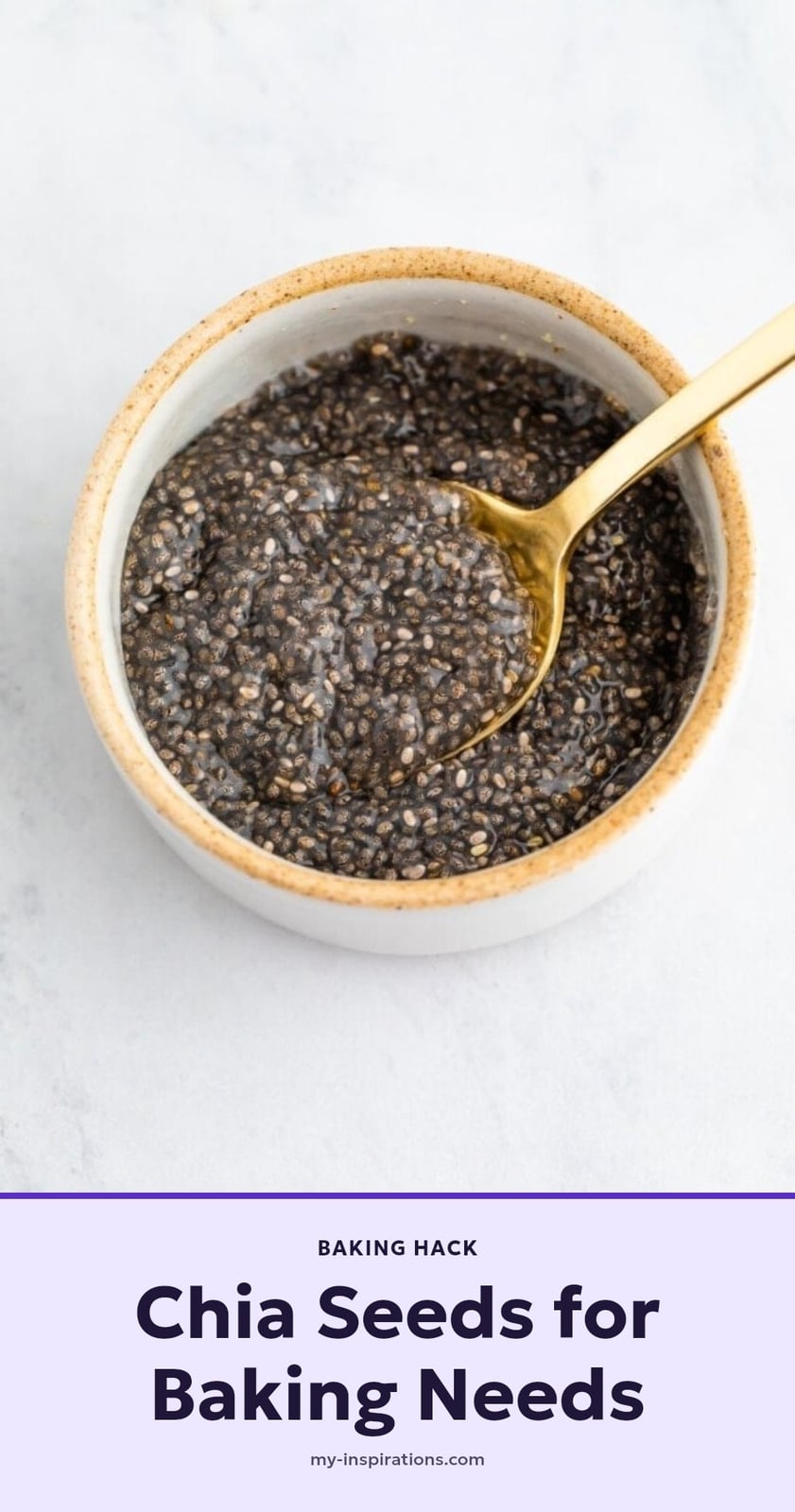
If you need a plant-based alternative in baking, chia seeds can step in as an egg substitute, often called a “chia egg.” To make one, combine 1 tablespoon of chia seeds with 3 tablespoons of water and let it sit for about 5-10 minutes until it forms a gel-like consistency. That mixture replaces one egg in many recipes.
My tip: This works best in recipes where the egg acts mainly as a binder, like muffins, cookies, or quick breads. Don’t rely on it for leavening in recipes that depend on eggs to rise, such as soufflés or angel food cake.
Common Mistakes to Avoid When Using Chia Seeds
Not soaking them: Adding dry chia seeds directly to food without enough liquid can result in a gritty texture and potential digestive discomfort. Always soak them first or mix them into dishes with plenty of moisture, like pudding or oatmeal.
Eating too much, too fast: Jumping straight into a high-fiber diet can cause bloating, gas, or constipation. Start with 1-2 tablespoons per day and increase slowly as your digestive system adjusts.
Expecting a ‘magic bullet’: Chia seeds are packed with nutrients, but they are not a quick fix for weight loss or overall health. They work best as part of a balanced diet and active lifestyle.
Confusing omega-3 types: The ALA omega-3s in chia seeds are beneficial, but they are not the same as the EPA and DHA found in fish oil. Don’t rely on chia seeds alone to cover all your omega-3 needs.
When to Consult a Healthcare Professional About Chia Seed Consumption
If you have dysphagia (swallowing difficulties), use extra caution with dry or insufficiently soaked chia seeds. They can expand and potentially cause choking. Consult your doctor before adding them to your diet.
For those on blood-thinning medications, speak with your healthcare provider before consuming large amounts of chia seeds. Their omega-3 content can have mild anticoagulant effects.
Caution: Individuals with inflammatory bowel diseases or diverticulitis should introduce chia seeds slowly and monitor symptoms. High fiber can sometimes exacerbate these conditions, so seek medical guidance if concerns arise.
Though rare, allergic reactions can occur. Discontinue use and consult a doctor if you experience symptoms like rash, itching, or difficulty breathing.
Frequently Asked Questions
Can I eat chia seeds every day?
Yes, you can eat chia seeds daily as part of a balanced diet. The key is to start with a small amount, like 1-2 tablespoons, and gradually increase your intake. Make sure you drink plenty of water and soak the seeds beforehand to support digestion.
Are black and white chia seeds different nutritionally?
Nutritionally, black and white chia seeds are very similar. The color difference comes from the seed’s outer layer and doesn’t significantly change the fiber, protein, or omega-3 content. You can use either variety interchangeably in recipes without worrying about losing benefits.
Do chia seeds help with weight loss?
Chia seeds may support weight loss as part of a healthy diet because their soluble fiber helps you feel full longer. However, they are not a magic bullet. Consistent use, along with a balanced eating plan and regular activity, is what leads to lasting results.
How long do chia seeds last once opened?
Once opened, chia seeds can last for about 2 to 3 years if stored properly. Keep them in an airtight container in a cool, dry place away from direct sunlight. If they start to smell rancid or taste off, it’s time to replace them.
Can I bake with chia seeds?
Yes, you can bake with chia seeds. They work well as an egg substitute when mixed with water (1 tablespoon chia seeds + 3 tablespoons water per egg). You can also add whole seeds to breads, muffins, or cookies for extra texture and nutrients.
What is the best way to store chia seeds?
The best way to store chia seeds is in an airtight container in a cool, dry place, like a pantry or cupboard. Avoid humid or hot areas, as moisture and heat can cause them to spoil faster. Properly stored, they stay fresh for years.
Final Thoughts
My tip: start with a simple chia pudding by mixing seeds with your favorite milk and letting it sit overnight. You’ll have a ready-to-eat breakfast or snack that keeps you full for hours. Realistic expectation? Benefits like better digestion or steadier energy usually show up after a few weeks of consistent use, not overnight. So keep it simple, stay consistent, and enjoy the process.
This article provides general information about chia seeds and is not a substitute for professional medical or dietary advice. If you have a medical condition, are on medication, or have concerns about adding chia seeds to your diet, please consult a healthcare provider or registered dietitian.