Hair Oiling Guide: How Often to Oil and Which Oils to Use for Healthy Hair
Learn how to properly oil your hair for improved health and shine. Discover the best oils for your hair type and a step-by-step guide to hair oiling.

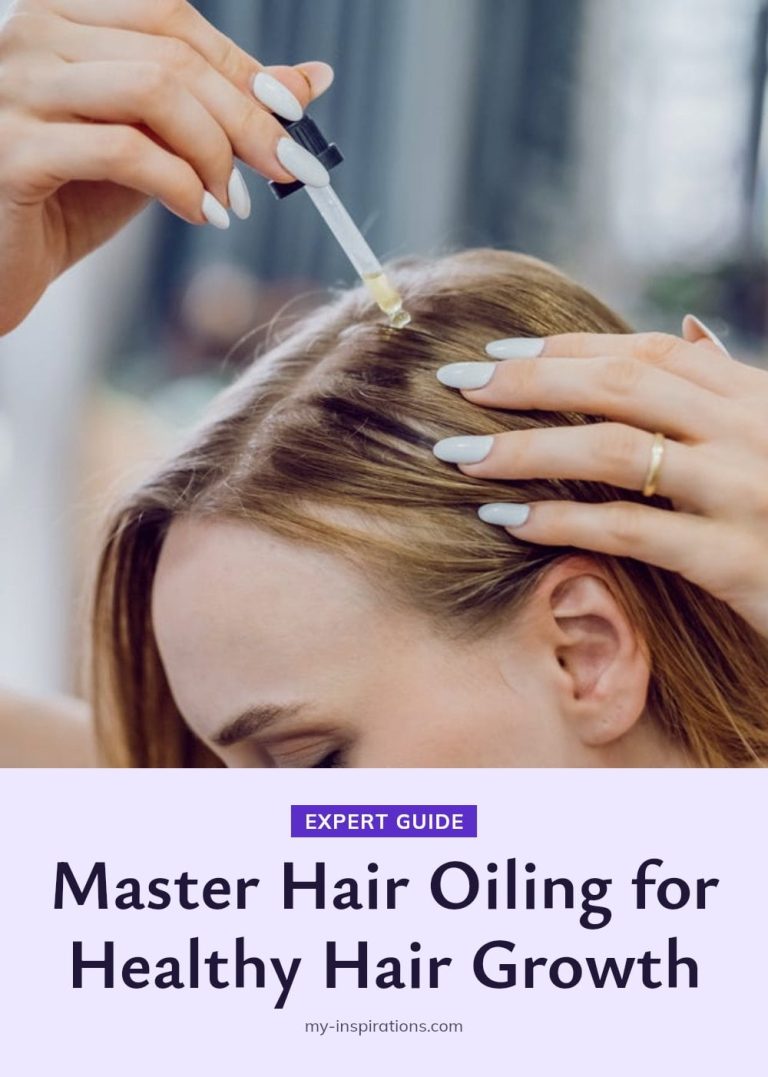
If your hair has been feeling dry, dull, or frizzy, you might be looking for a natural way to bring it back to life. Hair oiling is an ancient practice that involves applying oil to your hair and scalp to nourish, condition, and protect. In this guide, you’ll learn how to choose the right oil for your hair type, how to apply it properly, and how often to do it for the best results.
Key Takeaways
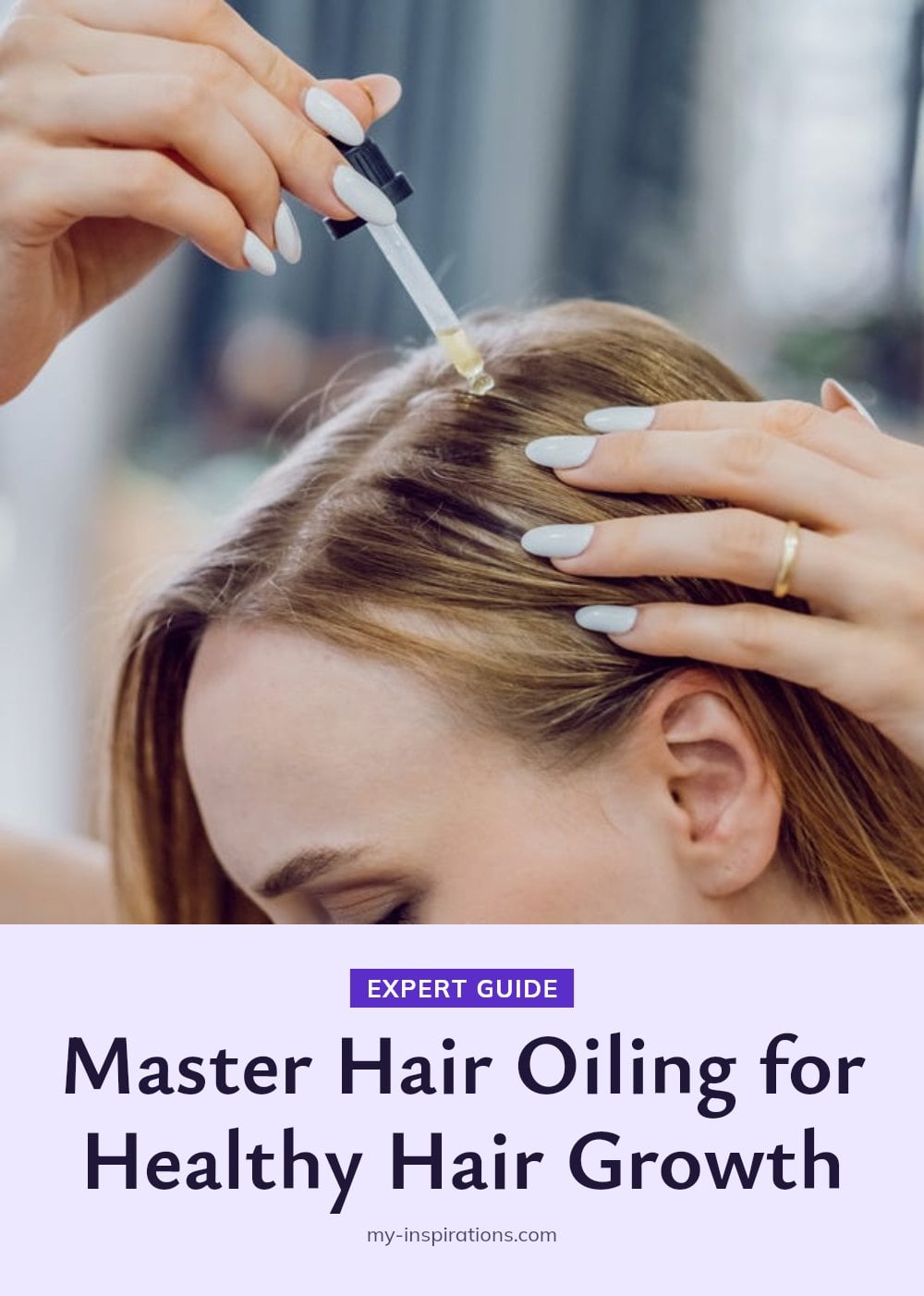
- Oil your hair 1-2 times per week for best results.
- Choose a cold-pressed, single-ingredient oil matched to your hair porosity.
- Always detangle with a wide-tooth comb before applying oil to prevent breakage.
- Warm the oil and massage your scalp for at least five minutes.
- Rinse with warm water and a mild shampoo to remove oil without stripping.
What is Hair Oiling and Why Should You Do It?
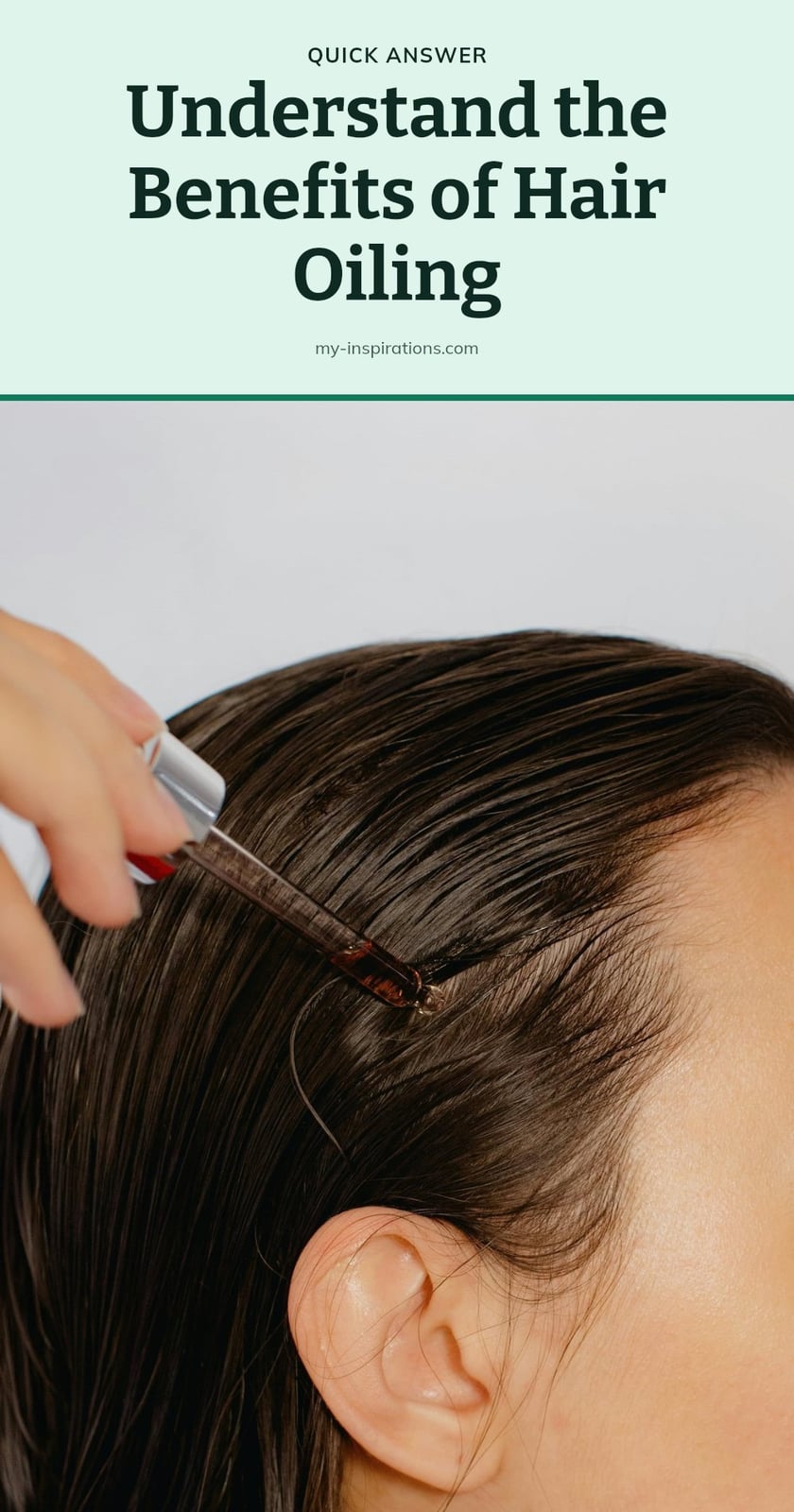
Hair oiling is an ancient practice that involves applying oil to the hair and scalp to nourish, condition, and protect. It can improve hair texture, add shine, reduce frizz, and potentially support hair growth by enhancing scalp health. The key is choosing the right oil for your hair type and concerns, applying it correctly, and not overdoing it.
Gather Your Hair Oiling Essentials
Before you start, gather a few essentials. You will need a high-quality carrier oil suitable for your hair type, a small bowl for warming the oil, and an applicator like a dropper or Q-tip for precise application. A wide-tooth comb is crucial for detangling before oiling, and a shower cap or warm towel helps the oil penetrate.
Choose the Right Hair Oil for Your Hair Type
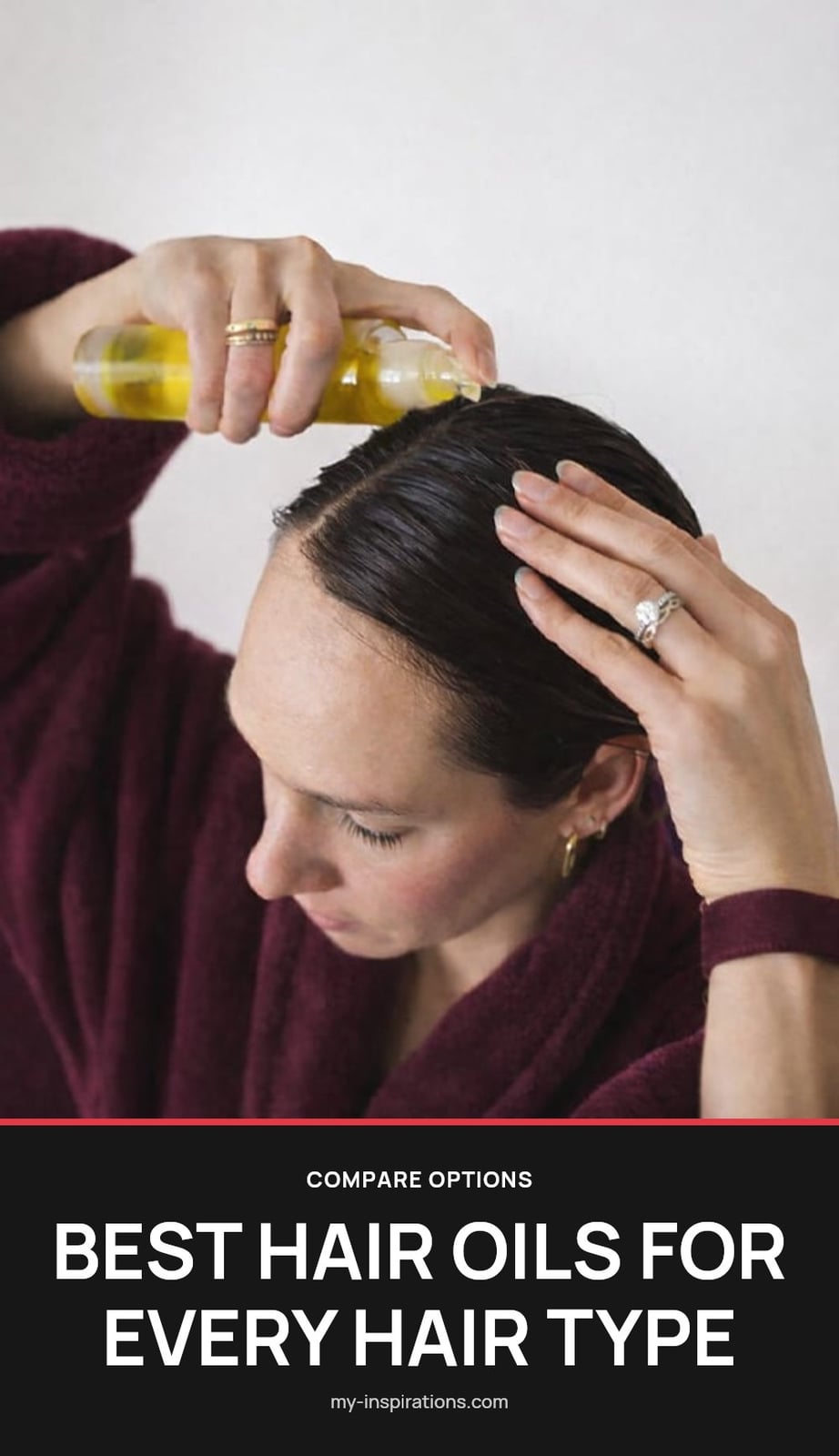
Not every oil works the same way on every hair type. The key is matching the oil’s weight and molecular size to your hair’s porosity and texture. Here is a quick guide to help you pick the right one.
| Oil | Best For | Why It Works |
|---|---|---|
| Coconut oil | Medium to high porosity hair | Penetrates the hair shaft deeply; high in lauric acid |
| Argan oil | Dry, frizzy, or damaged hair | Rich in vitamin E and fatty acids; adds moisture and shine |
| Jojoba oil | Oily scalp or fine hair | Mimics natural sebum; helps balance oil production |
| Olive oil | Very dry, thick, or coarse hair | Heavy weight provides deep conditioning |
| Castor oil | Thinning hair or slow growth | Often used for thickness; always dilute with a carrier oil |
| Rosemary essential oil (diluted) | Stimulating growth | Mix a few drops into a carrier oil; never apply undiluted |
Caution: Avoid coconut oil if you have low porosity hair. Its large molecules can sit on top of the hair shaft and cause buildup. Stick to lighter oils like jojoba or argan instead.
Step-by-Step: How to Properly Oil Your Hair for Growth and Shine
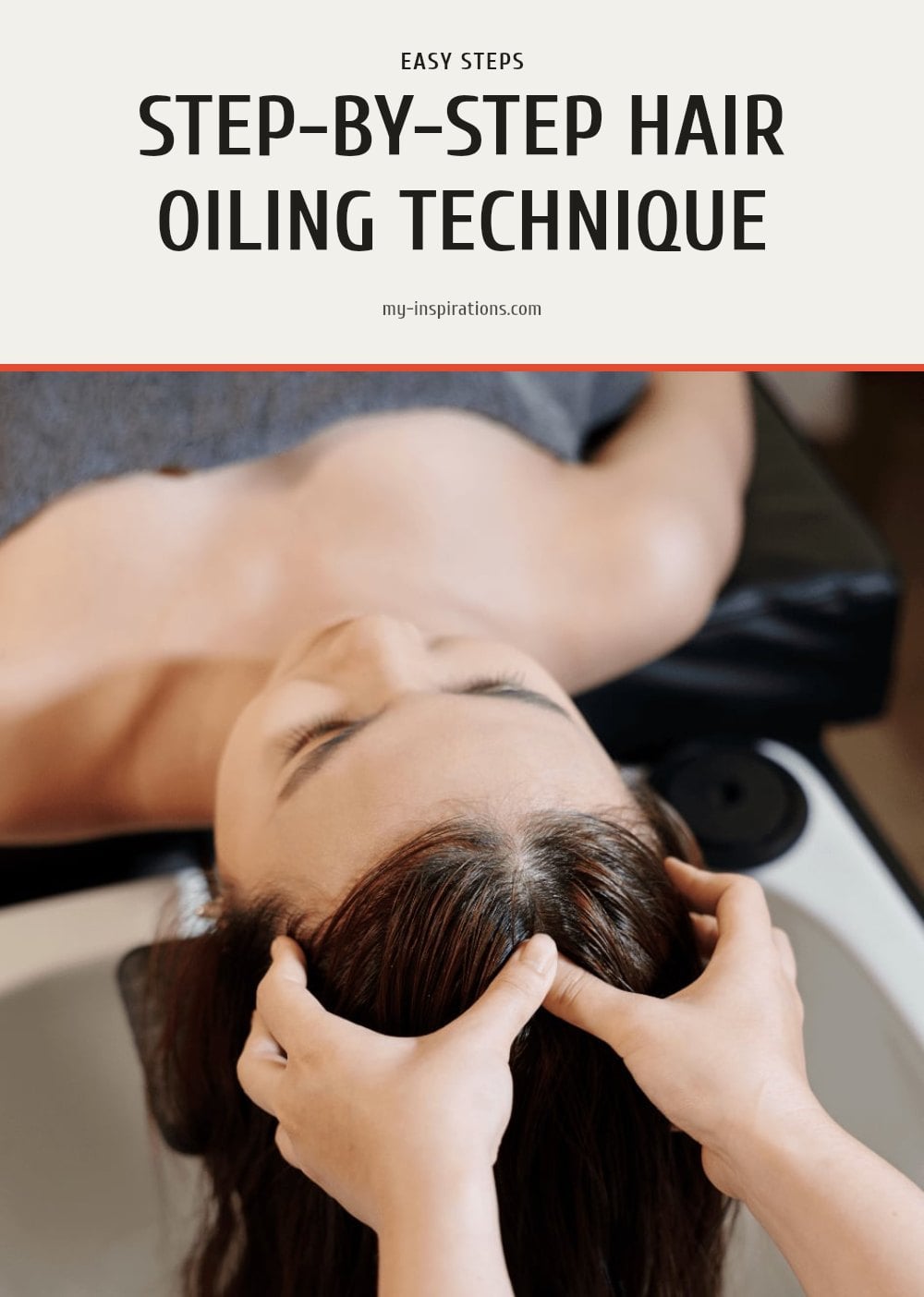
- Detangle your hair: Use a wide-tooth comb from ends to roots before applying oil to prevent breakage.
- Choose your oil: Select a high-quality, cold-pressed, single-ingredient oil. Good options include avocado oil for moisture or rosemary oil (diluted with a carrier) for growth.
- Warm the oil: Place the oil container in hot water for one minute to help it penetrate deeper.
- Apply to scalp: Use a Q-tip to apply the warmed oil precisely to your entire scalp.
- Coat the hair: Section your hair and lightly coat from roots to ends with your hands. Aim for a slight coating, not saturation.
- Massage: Gently massage your scalp for at least five minutes using your fingertips in circular motions to stimulate circulation.
- Cover: Put on a shower cap. For low porosity hair or enhanced results, use a heat cap or wrap a warm towel around your hair.
- Let it sit: Leave the oil on for 1 to 8 hours. For overnight treatments, rinse it off first thing in the morning.
- Rinse: Let your hair soak in warm water for one minute. Then use a quarter-sized amount of mild shampoo, emulsify, and cleanse for three minutes. Shampoo again if needed to remove all residue.
- Finish: Follow with your favorite conditioner and styling products.
Here is the method in action: Doro Cubillo demonstrates it in about 10 minutes. The how-to part starts at 0:21.
Common Hair Oiling Mistakes to Avoid
Combing after oiling: Oiled hair is more vulnerable to breakage, so always detangle thoroughly before applying oil. Combing afterward can snap strands and cause split ends.
Wrong oil for your porosity: Coconut oil is excellent for many hair types but can be too heavy for low porosity hair, leading to buildup and dryness. Mineral oil and baby oil coat the hair without penetrating, offering no real benefit.
Skipping the warm-up: Cold oil sits on the surface. Warming it for one minute helps it penetrate the hair shaft and boosts scalp circulation.
Too much oil: A light coating is enough. Drenching your hair forces you to shampoo aggressively, which strips natural oils and defeats the purpose.
No massage or rough massage: Gentle circular motions for at least five minutes stimulate blood flow. Rubbing too hard can damage follicles and cause shedding.
Tight hairstyles: Oiled hair is more elastic and prone to breakage. Loose braids or a simple clip are safer than tight buns or ponytails.
No cover: Especially for low porosity hair, a shower cap or warm towel helps the oil absorb. Without it, the oil stays on the surface and may transfer to pillows.
Wrong timing: Less than one hour won’t give the oil time to work. More than eight hours can cause product buildup, attract dirt, and clog follicles. Stick to 1-8 hours.
Post-Oiling Care: Rinsing and Maintaining Results
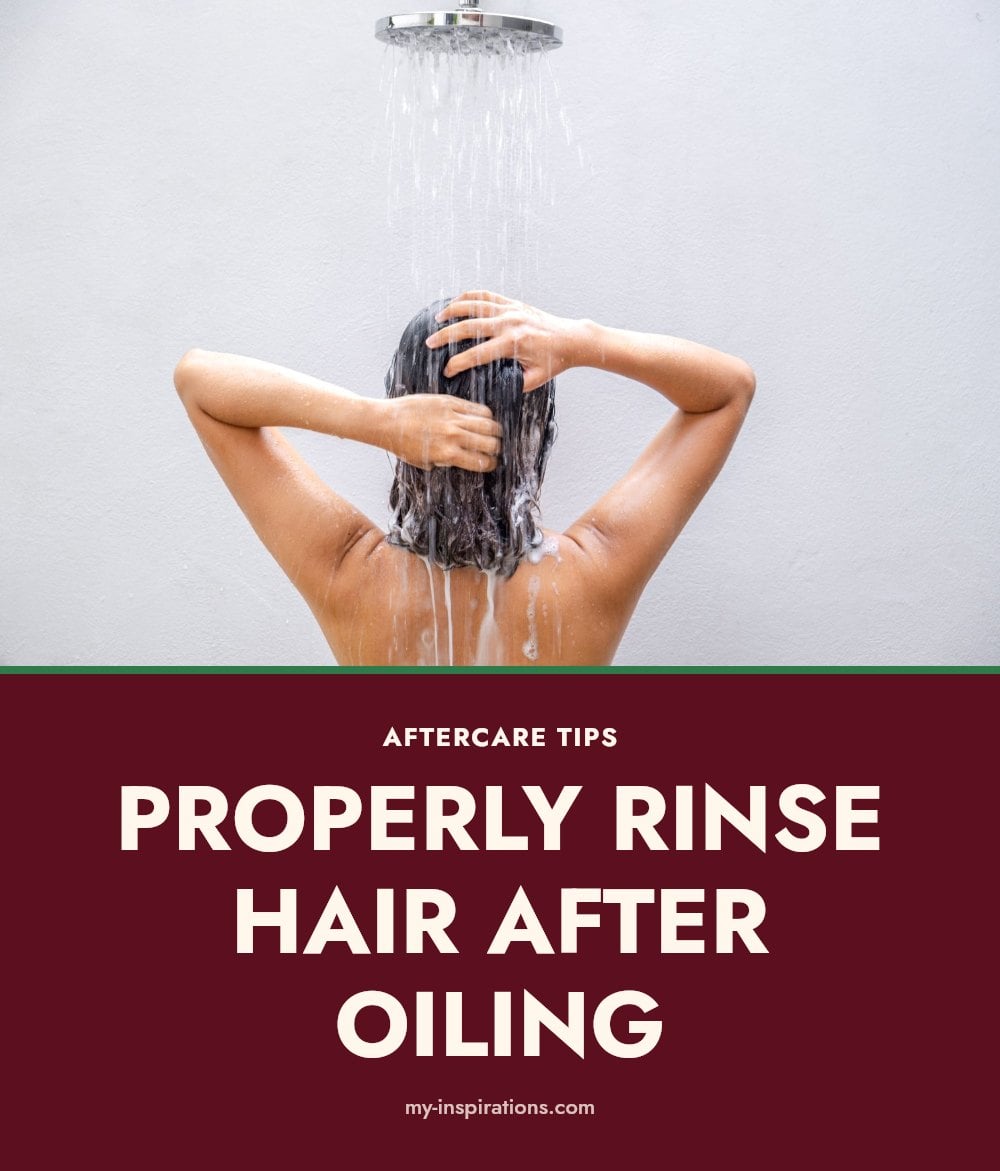
Start by letting your hair soak in warm water for one minute. This loosens the oil and makes it easier to remove.
Shampoo correctly: Use a quarter-sized amount of mild shampoo. Emulsify it in your hands, then gently cleanse your scalp and hair for about three minutes. Rinse thoroughly. If your hair still feels greasy, repeat once more. Avoid scrubbing too hard; the goal is to remove oil without stripping your hair’s natural moisture.
Condition and style: After rinsing, apply your favorite conditioner from mid-lengths to ends. This locks in moisture and keeps hair manageable. Finish with your usual leave-in products or styling routine.
How Often to Oil Your Hair and What to Expect
For best results, oil your hair 1-2 times per week. Consistency matters more than frequency.
What to expect: Don’t look for changes overnight. Visible improvements in texture and shine usually appear within a few weeks to a couple of months of regular use. Your hair may feel softer and look less frizzy before you notice any difference in growth.
Cost: Effective carrier oils like jojoba, argan, and olive oil are widely available at reasonable prices. A single bottle lasts for many treatments, making this a budget-friendly practice.
When to Consult a Professional About Your Hair and Scalp
Patch test first: Before using any new oil on your scalp, apply a small amount to your inner arm or behind your ear. Wait 24 hours to check for redness, itching, or irritation.
Stop if irritated: Discontinue use immediately if you experience any discomfort. Essential oils especially can cause reactions if used undiluted.
Existing scalp conditions: If you have dermatitis, psoriasis, or any other diagnosed scalp issue, talk to a dermatologist before starting hair oiling. Some oils can worsen these conditions.
Persistent hair loss: Hair oiling supports scalp health but isn’t a cure for significant shedding. If you notice ongoing thinning or severe scalp problems, seek professional medical advice.
Frequently Asked Questions
How long does it take to see results from hair oiling?
You won’t see dramatic changes overnight. With regular use, typically 1-2 times per week, visible improvements in hair texture and shine usually appear within a few weeks to a couple of months. Consistency is more important than frequency, so stick with a routine that works for you.
Can I oil my hair if I have an oily scalp?
Yes, but choose a lighter oil like jojoba, which closely mimics your scalp’s natural sebum and can help balance oil production. Apply sparingly, focusing on the mid-lengths and ends rather than saturating the scalp. Always wash thoroughly after the treatment to avoid buildup.
Is hair oiling suitable for all hair types?
Yes, but the oil you choose matters. Fine or low-porosity hair benefits from lighter oils like jojoba or argan, while thick, dry, or high-porosity hair may need heavier oils like olive or avocado. Always patch test first and adjust based on how your hair responds.
What is the best way to remove oil from hair without stripping it?
First, soak your hair in warm water for a minute to loosen the oil. Then apply a quarter-sized amount of mild shampoo, emulsify it, and gently cleanse for about three minutes. Rinse thoroughly, and follow with your regular conditioner if needed.
Can I use essential oils alone for hair oiling?
No, essential oils like rosemary or peppermint are potent and must be diluted in a carrier oil before applying to your scalp. Using them undiluted can cause irritation, redness, or itching. Always mix a few drops of essential oil with a carrier oil like jojoba or avocado.
Final Thoughts
Start by picking an oil that suits your hair type, like avocado for moisture or jojoba for scalp balance, and warm it slightly before applying. Massage gently for five minutes, then let it sit for at least an hour, up to eight, before washing. With consistent use once or twice a week, you can expect to see improvements in texture and shine within a few weeks to a couple of months.
Remember, patience is key, and always patch test new oils before full application.
This article provides general information about hair oiling and is not intended as medical or professional advice. If you have a scalp condition, experience persistent irritation, or have concerns about your hair health, consult a dermatologist or healthcare professional before starting any new treatment.