How to Make Sugaring Paste in 10 Minutes: Simple Guide
Learn how to make sugaring paste at home in just 10 minutes with our simple guide. Get smooth skin naturally with this easy DIY hair removal method.

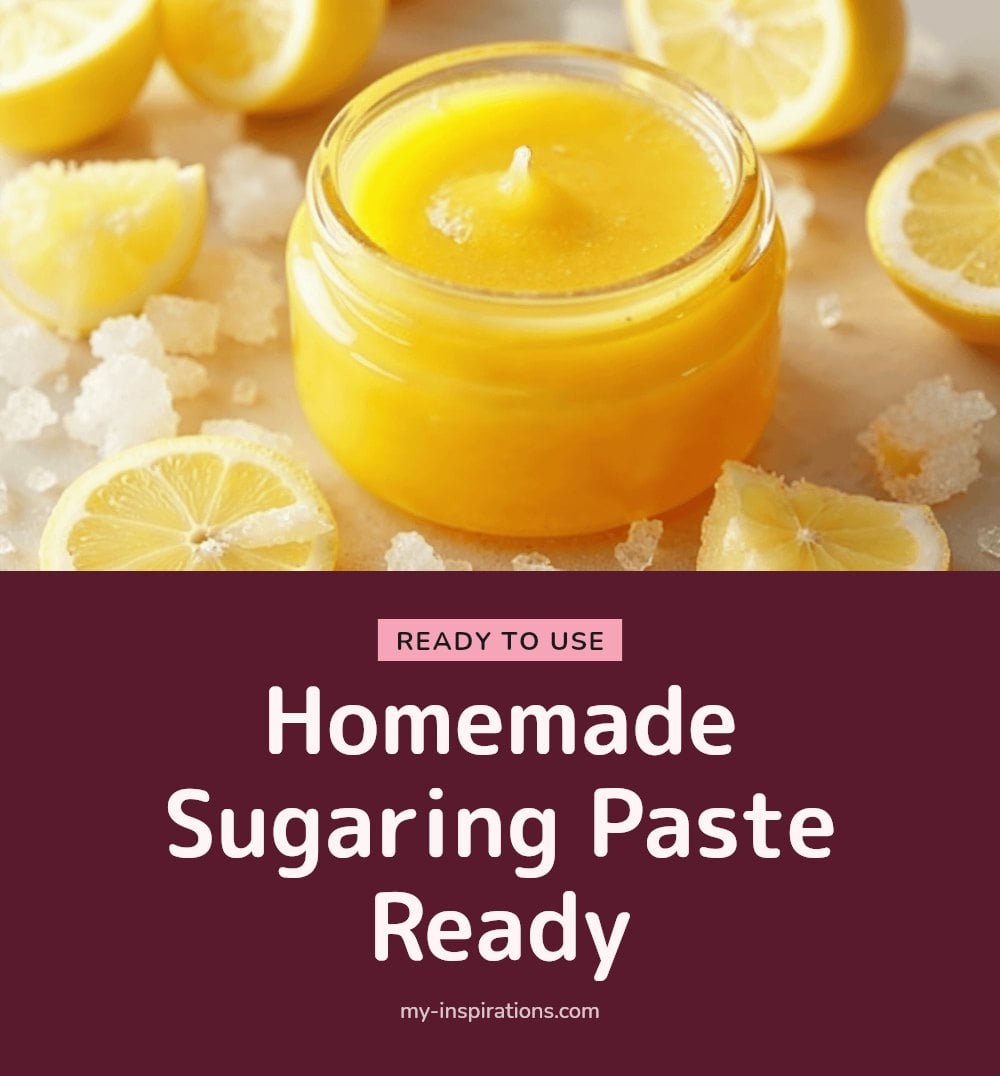
If you’re tired of the sticky mess and skin irritation that often come with traditional waxing, sugaring might be your new best friend. This ancient hair removal method uses a simple paste made from sugar, lemon juice, and water, and it’s surprisingly easy to make at home in about 10 to 20 minutes. In this article, I’ll walk you through the whole process, from mixing the paste to applying it like a pro, plus share my top tips for smooth, happy skin.
Key Takeaways
- Use a 2:1 sugar to liquid ratio for a good starting paste consistency.
- Apply paste against hair growth; remove in the direction of growth.
- Hair should be at least 1/8 to 1/4 inch long for effective sugaring.
- Exfoliate 24-48 hours before sugaring to help prevent ingrown hairs.
- Store leftover paste in an airtight container for several weeks.
What Is Sugaring and Why Try It?
Sugaring is a natural hair removal method that uses a simple paste made from sugar, lemon juice, and water. The key difference from waxing? The paste adheres only to hair and dead skin cells, not live skin, so it’s generally less irritating. Plus, you remove it in the direction of hair growth, which can help prevent ingrown hairs. And cleanup is incredibly easy since the paste is water-soluble. No sticky mess, just water.
Your Sugaring Toolkit: What You’ll Need
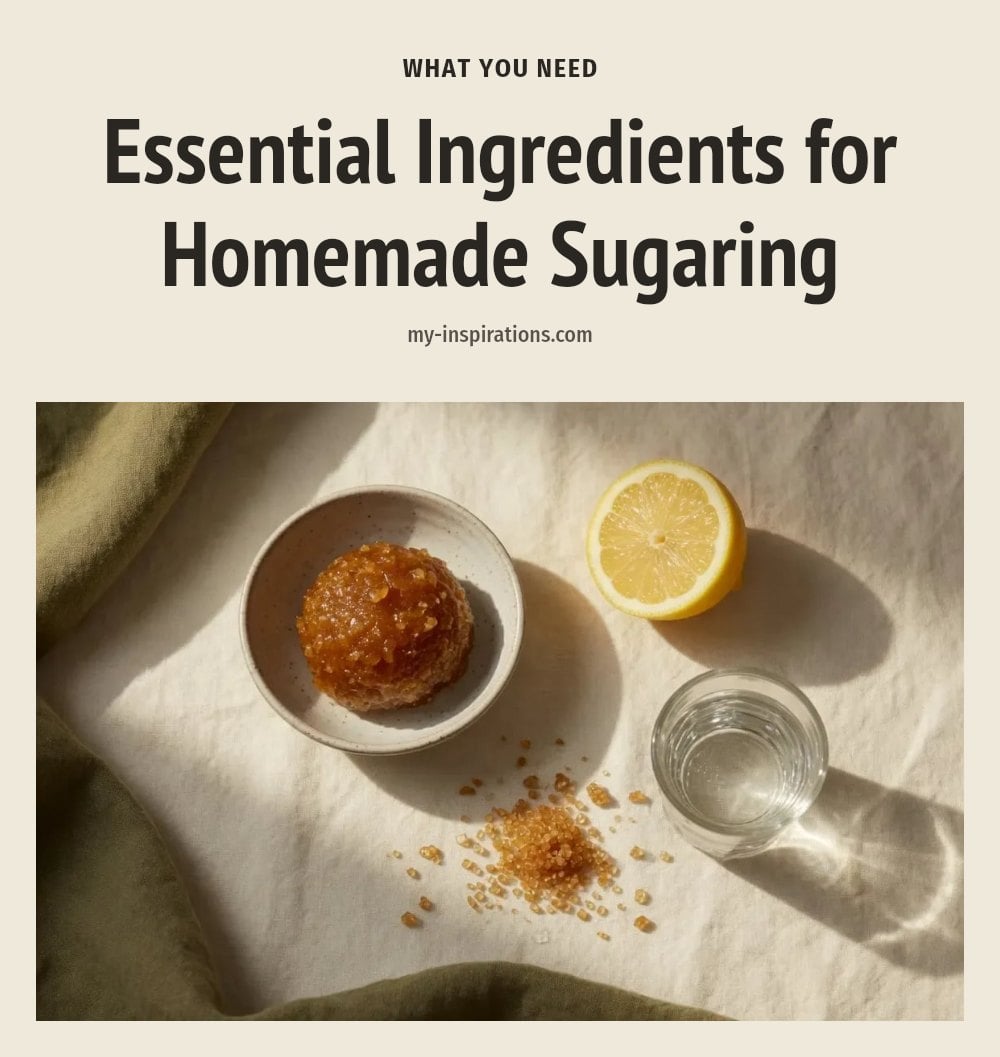
Before you start, gather everything you need. The paste itself is just three ingredients, but the right tools make the process smoother.
- Granulated sugar: The main ingredient for the paste.
- Lemon juice: Helps achieve the right consistency and adds mild antiseptic properties.
- Water: Essential for the paste mixture.
- Heavy-bottomed saucepan: Prevents burning and ensures even heating.
- Whisk and spatula: For mixing and handling the paste.
- Candy thermometer: Highly recommended for precise consistency.
- Airtight container: For storing leftover paste.
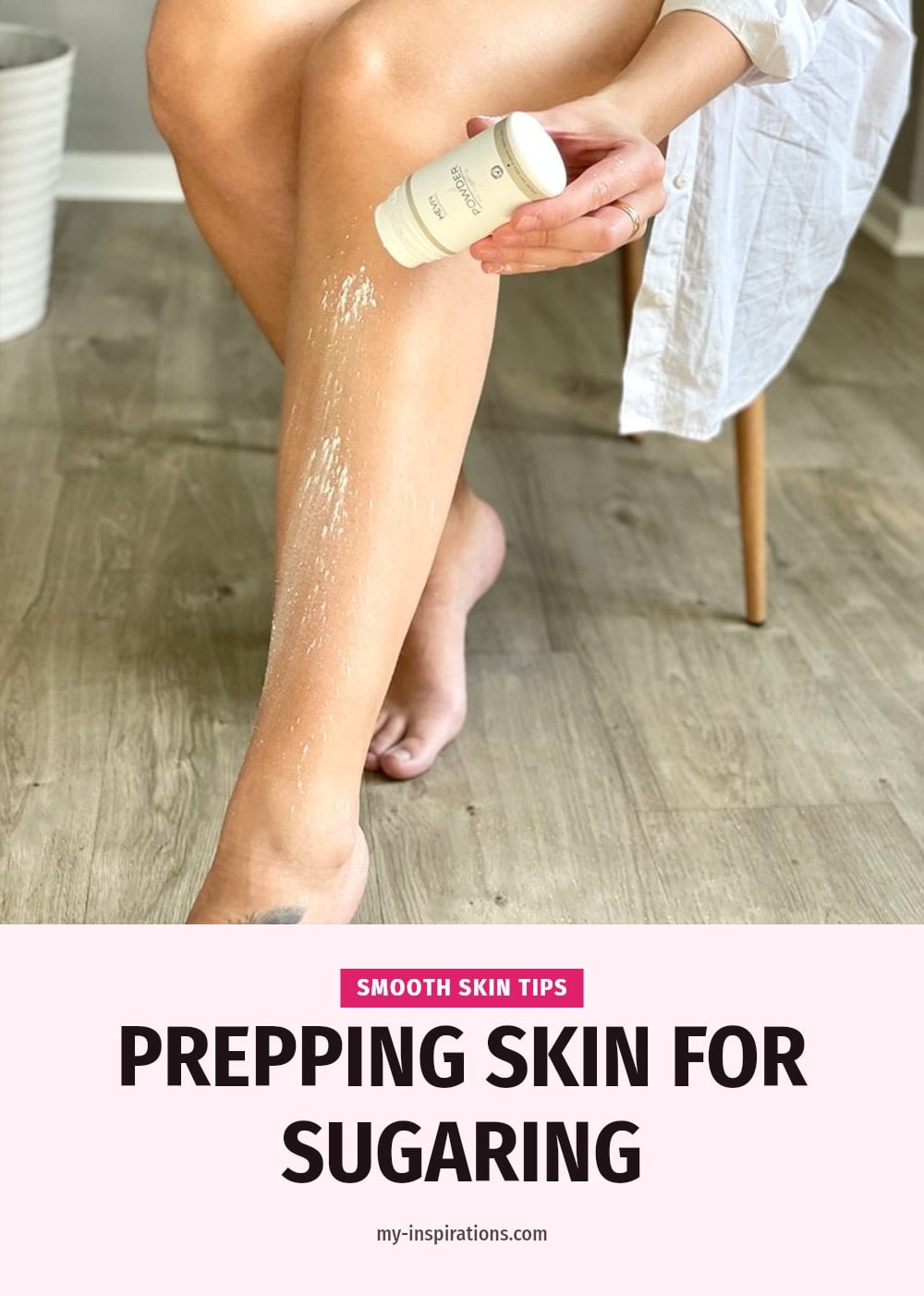
- Cornstarch or baby powder: To prep skin by absorbing excess moisture.
- Fabric strips: Needed for the soft wax method.
Step-by-Step: Making and Using Sugaring Paste
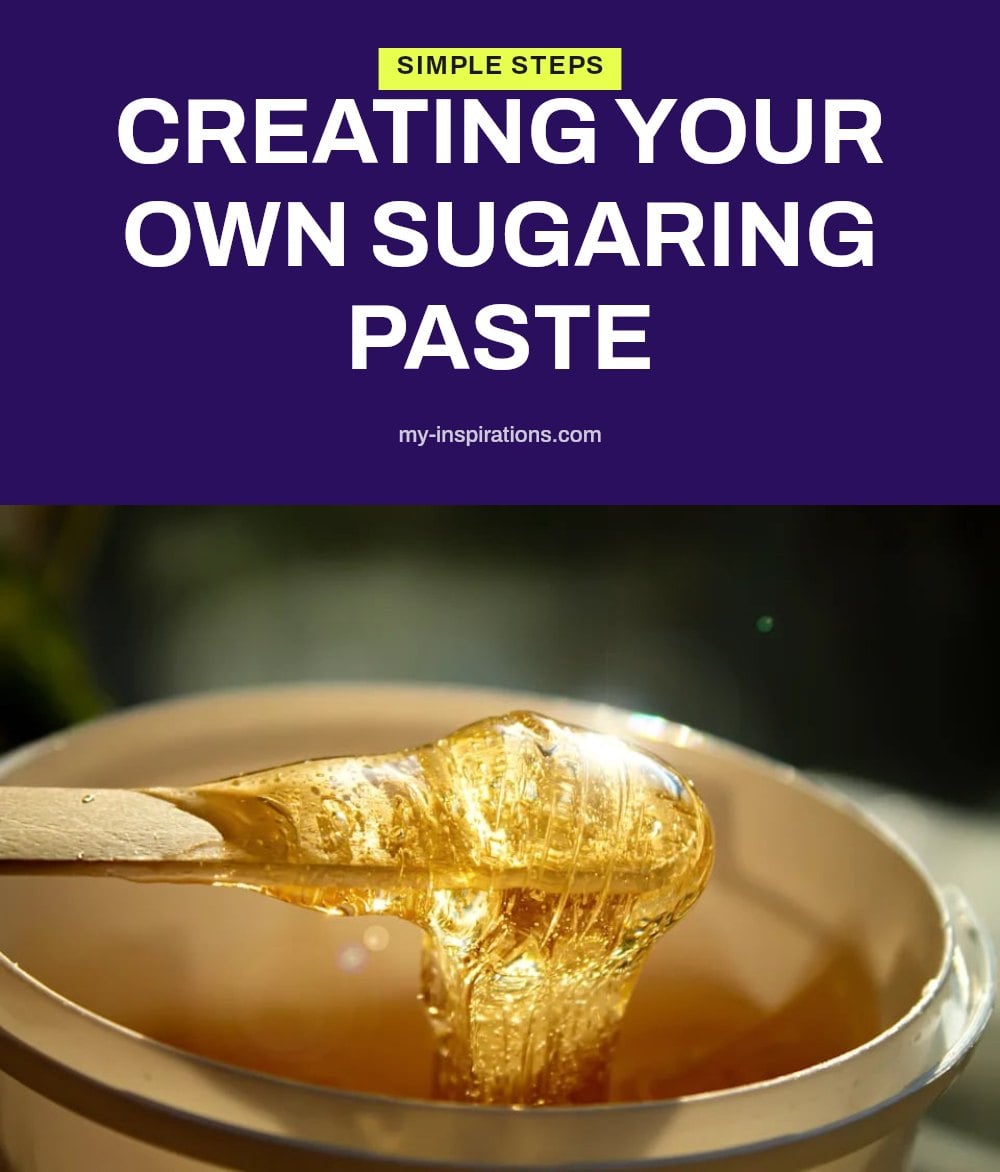
Start by gathering all your ingredients and tools. Cleanse and exfoliate your skin 24-48 hours before, and don’t apply any lotions or oils right before, as they prevent the paste from sticking.
- Make hard wax: Combine 2 cups sugar, 1/4 cup water, and 1/4 cup lemon juice in a heavy-bottomed saucepan. Bring to a boil for 5-7 minutes until it turns a rich golden brown. Remove from heat.
- Pre-warm your container: If using glass, pre-heat it to avoid shattering. Pour the wax in and let it cool for about 20 minutes until tacky but not burning.
- Test the temperature: Always test a small amount on your finger before applying to your body to prevent burns.
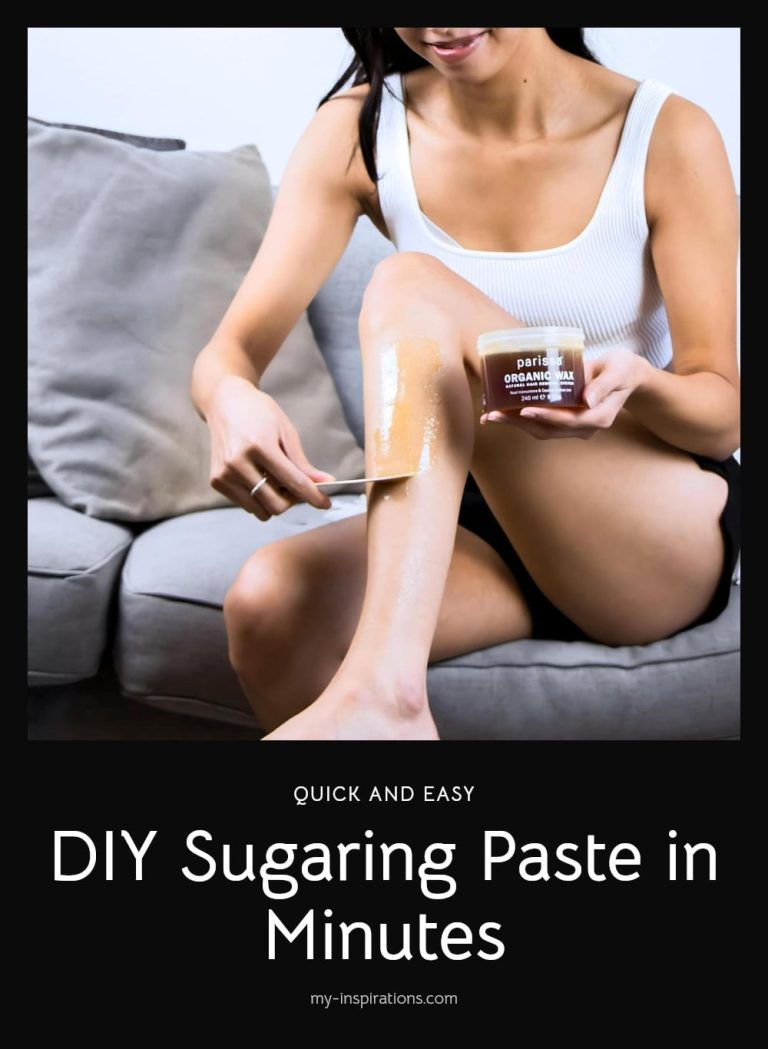
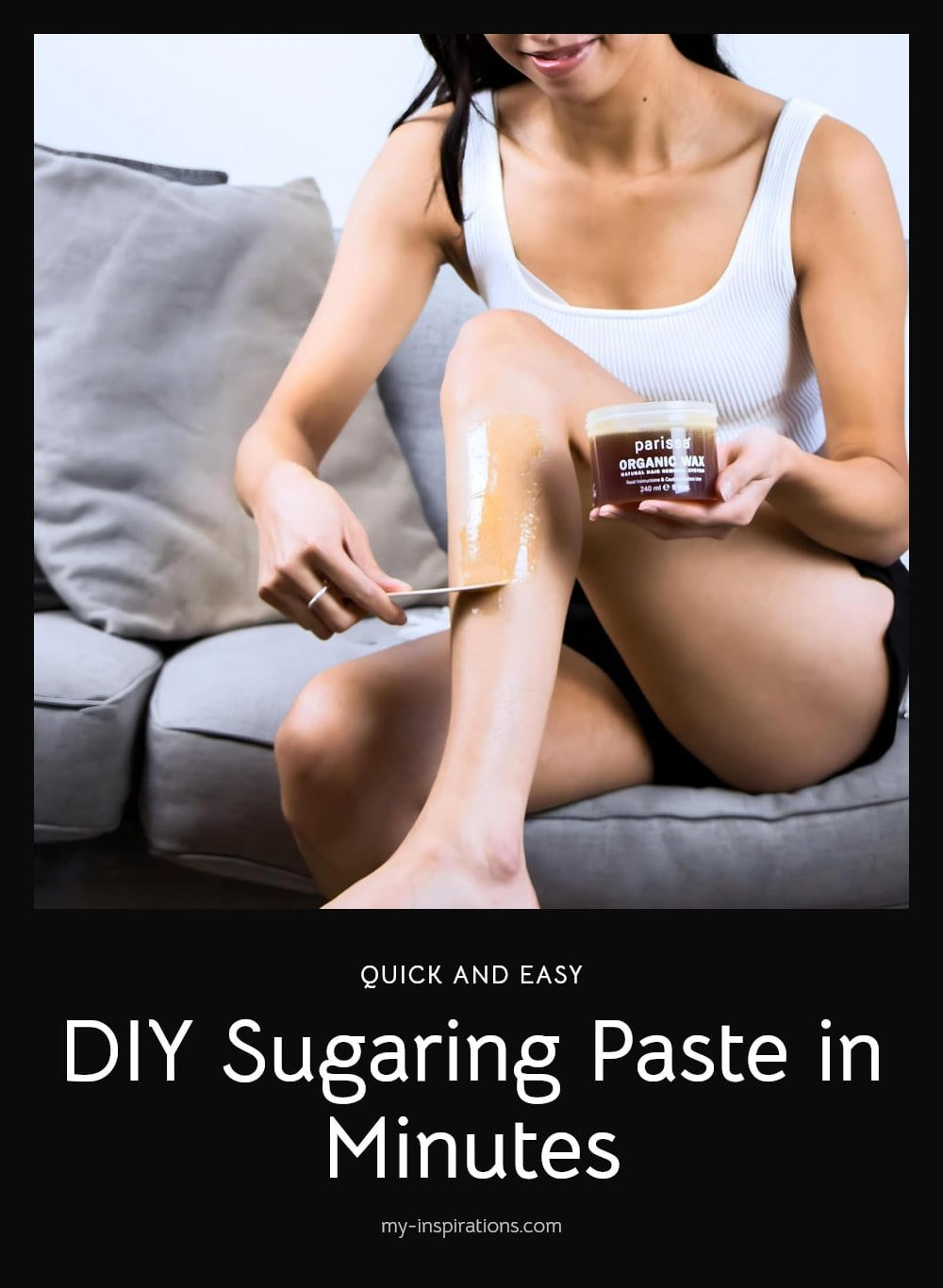
- Apply hard wax: Use a knife or spatula to apply against hair growth, creating a small lip at the end to grab. Let it cool for a few seconds, then flick it off in the direction of hair growth, keeping it parallel to the skin. Do not use fabric strips with hard wax.
- Alternative for hard wax: Let the mixture cool longer, grab a glob with your hand, smooth it on, and rip it off the same way.
- Make soft wax: Combine 1 cup sugar, 1/8 cup water, and 1/8 cup lemon juice. Boil for 5-7 minutes until light honey colored. Let cool for 15-20 minutes until slightly thicker than honey.
- Apply soft wax: Test temperature, then apply against hair growth. Press a fabric strip on, wait a couple seconds, and rip off in the direction of hair growth.
- Hold skin taut: Especially on legs and bikini line, to prevent bruising.
- Soothe skin: Clean residue with water and apply aloe vera to calm the area.
Prefer to watch? Katrinaosity walks through the whole method in this 4-minute video. The how-to part starts at 0:38.
Common Sugaring Mistakes to Avoid
Even with the best recipe, mistakes happen. Here are the ones I see most, and how to fix them.
- Incorrect paste consistency: Overcooking makes it brittle, undercooking makes it too sticky. Aim for thick honey or taffy.
- Improper skin preparation: Not cleansing or drying thoroughly prevents adhesion. Avoid lotions or oils before.
- Applying paste too hot: Always test on your finger first to avoid burns.
- Pulling incorrectly: Pulling straight up instead of parallel can cause bruising or irritation. Keep it parallel to the skin.
- Hair too short or too long: Hair should be at least 1/8 to 1/4 inch long for effective grip. If it’s significantly longer, trimming may help reduce discomfort during removal.
- Using cold glass containers: Hot wax can shatter cold glass. Pre-warm containers if using glass.
Best Tips for Smooth Sugaring
Exfoliate beforehand: Gently exfoliate 24-48 hours before sugaring to remove dead skin cells and help prevent ingrown hairs. Avoid exfoliating right before, as that can irritate the skin.
Powder your skin: A light dusting of cornstarch or baby powder absorbs any residual moisture, ensuring better paste adhesion. My tip: focus on areas that tend to sweat, like the underarms or bikini line.
Work in small sections: Especially when you’re starting, working with smaller amounts of paste on smaller skin areas gives you more control and a better result.
Reheat gently: If your paste becomes too stiff during use, gently warm it in a microwave or a warm water bath until it’s pliable again.
Press after removal: Immediately apply pressure to the sugared area with your hand after removing the paste to soothe the skin and reduce swelling.
Store properly: Keep leftover sugaring paste in an airtight container at room temperature or in the refrigerator; it can last for weeks.
Post-Sugaring Care for Happy Skin
Cleanse with water: Sugaring paste is water-soluble, so rinse any sticky residue away with just water. No harsh soaps needed.
Soothe the skin: Apply a gentle product like aloe vera gel to calm redness and irritation. Avoid products with alcohol or fragrance.
Avoid heat: Skip hot showers, baths, or saunas for at least 24 hours after sugaring to prevent irritation.
Wear loose clothing: Tight fabrics can cause friction on freshly sugared skin, leading to bumps or ingrown hairs.
Keep exfoliating: Gently exfoliate your skin a few days after sugaring and continue regularly to prevent ingrown hairs.
How Long Does Sugaring Take and Last?
Making the sugaring paste typically takes 10-20 minutes of active cooking time. The actual sugaring process for a body area varies but is comparable to waxing.
Results from sugaring usually last between 2-4 weeks, depending on your individual hair growth cycle and the area sugared. At-home sugaring is very cost-effective since it requires only basic pantry ingredients that are inexpensive.
When to Consult a Professional or Doctor
Stop if irritation occurs: If you experience excessive redness, persistent irritation, or skin breakage, discontinue sugaring and let your skin heal.
Consult a doctor first: If you have very sensitive skin or pre-existing conditions like eczema or psoriasis, talk to a dermatologist before trying sugaring.
Avoid problem areas: Do not sugar over active acne, open wounds, moles, warts, or skin tags.
Seek professional help: If you suspect an infection or have concerns about unusual skin reactions, see a medical professional.
Frequently Asked Questions
How long does homemade sugaring paste last?
Properly stored sugaring paste can last for several weeks at room temperature or even longer in the refrigerator. Keep it in an airtight container to prevent it from drying out or absorbing moisture. If it becomes too stiff, you can gently reheat it to a workable consistency.
Can sugaring cause ingrown hairs?
Sugaring is actually less likely to cause ingrown hairs than waxing because it removes hair in the direction of growth. However, ingrown hairs can still happen, especially if you don’t exfoliate regularly or if you have curly hair. Exfoliating 24-48 hours before sugaring and keeping your skin moisturized can help reduce the risk.
What is the ideal hair length for sugaring?
For sugaring to work effectively, your hair should be at least 1/8 to 1/4 inch long. This gives the paste enough hair to grip onto. If your hair is shorter, the paste won’t adhere well and you’ll end up with patchy results. If it’s longer, you might want to trim it to avoid extra discomfort.
Is sugaring less painful than waxing?
Many people find sugaring less painful than traditional waxing. This is because the paste adheres only to the hair and dead skin cells, not to live skin cells like wax does. The removal technique, pulling parallel to the skin, also reduces trauma to the skin. Of course, pain tolerance varies, but sugaring is generally a gentler option.
Can I use sugaring on my face?
Yes, sugaring can be used on the face, but you need to be extra gentle. Use a small tool like a spatula or knife to apply the paste and test the temperature on your wrist first to avoid burns. Avoid sugaring over moles, warts, or active acne, and if you have very sensitive skin, consider a patch test first.
Final Thoughts
My tip: start with the soft wax method if you’re new to sugaring. It’s more forgiving than hard wax and easier to control. Remember, sugaring results typically last 2 to 4 weeks, so plan your sessions accordingly. With a little practice, you’ll get the hang of the technique and enjoy smoother skin with less irritation.
This article is for general information only and is not a substitute for professional medical or dermatological advice. Always test the paste temperature on a small area of skin before use, and if you have sensitive skin, a pre-existing skin condition, or experience persistent irritation, consult a doctor or dermatologist before trying sugaring.