How to Ease Muscle Soreness at Home: Simple Tips for Quick Relief
Learn effective at-home remedies to relieve muscle soreness after workouts. Get practical tips for recovery and when to seek professional advice.

After a challenging workout, that familiar ache can make even walking to the kitchen feel like a chore. You know it’s a sign your muscles are working, but that doesn’t make the stiffness any easier to deal with. This article covers simple, at-home methods to ease muscle soreness, from active recovery and gentle stretching to heat and cold therapy, plus what mistakes to avoid so you can feel better faster.

Key Takeaways
- Light activity like walking or gentle cycling helps reduce soreness by increasing blood flow to muscles.
- Static stretching can improve flexibility but has limited evidence for preventing or reducing DOMS.
- Stay well-hydrated and eat a balanced diet with protein to support muscle repair and recovery.
- Gradually increase exercise intensity and duration to help prevent severe soreness in the future.
- Seek medical advice if soreness is accompanied by sharp pain, swelling, numbness, or doesn’t improve after several days.
What to Do When Your Muscles Are Sore
When your muscles ache after a workout, you’re likely dealing with Delayed Onset Muscle Soreness (DOMS). It’s a normal response to new or intense exercise, typically peaking 24 to 72 hours after you finish. The best approach is active recovery: gentle movement like walking or light cycling increases blood flow and helps. Pair that with proper hydration, a protein-rich snack, and therapies like a warm bath or gentle self-massage to ease the stiffness.
Why Your Muscles Get Sore After a Workout
Why Your Muscles Get Sore After a Workout
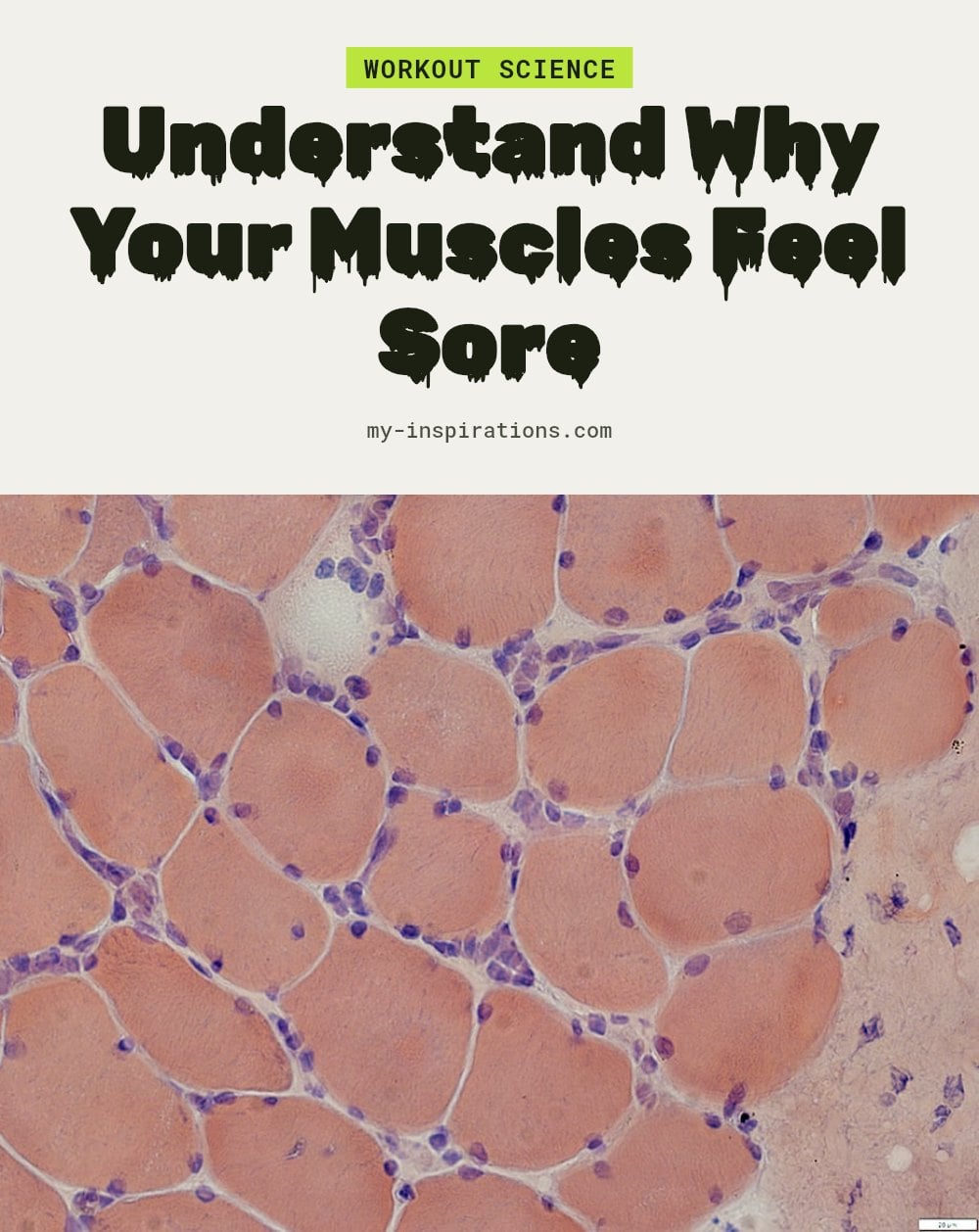
Soreness happens because of microscopic tears in your muscle fibers and the body’s inflammatory response to repair them. It’s not caused by lactic acid, which clears out within an hour after exercise. Eccentric exercises, where a muscle lengthens under tension (like the lowering phase of a bicep curl or walking downhill), are especially good at triggering DOMS.
While the discomfort is temporary, it’s a sign your muscles are adapting and getting stronger. Your body is rebuilding the fibers, which leads to increased strength over time. So a little soreness means your workout challenged you in a productive way.
Essential Tools for At-Home Soreness Relief
Essential Tools for At-Home Soreness Relief
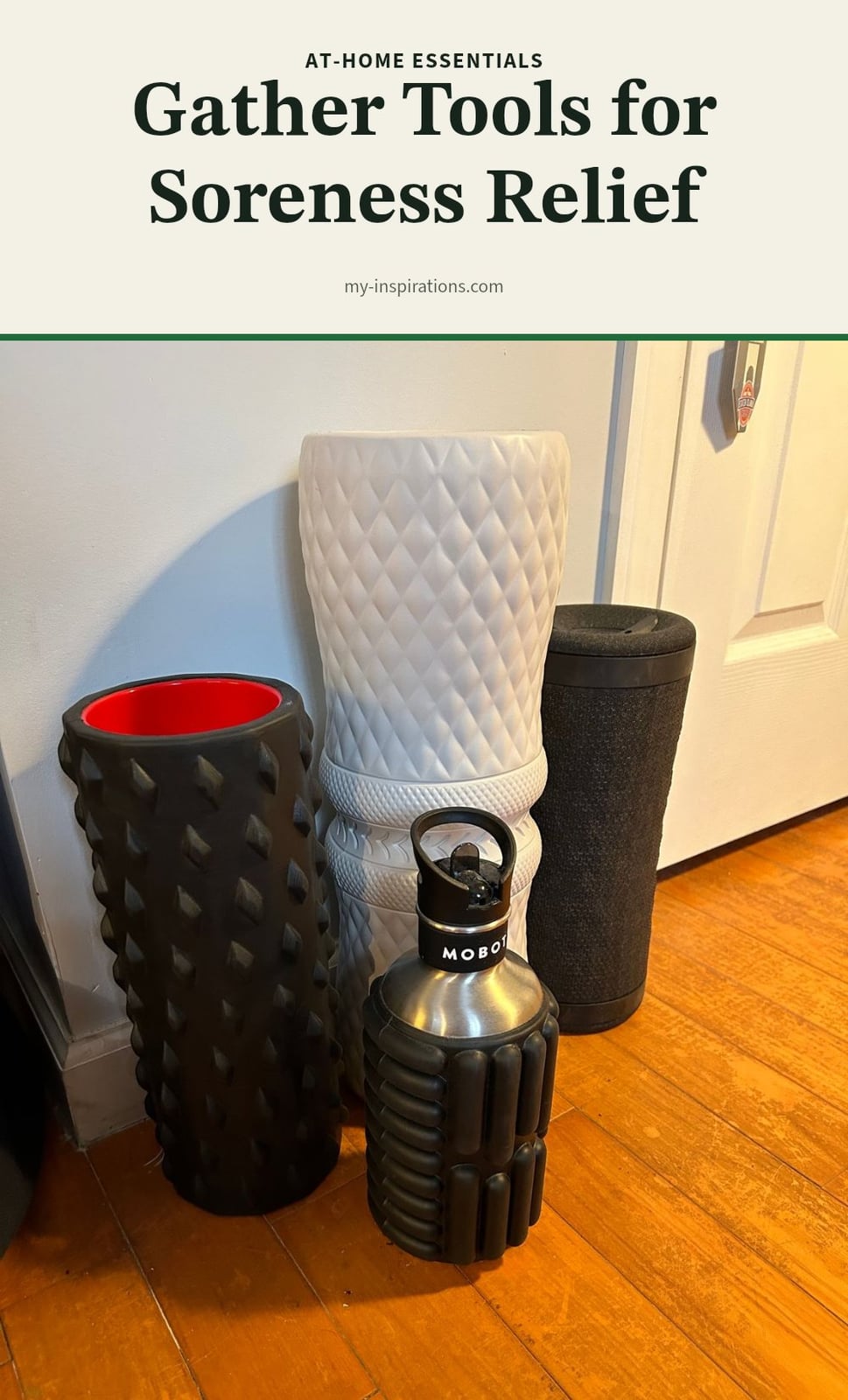
Having a few simple items on hand makes recovery easier. Here is what I keep ready for post-workout care:
- Water bottle: Hydration supports every step of muscle repair.
- Foam roller or massage ball: These help release tight spots and improve circulation.
- Heating pad or warm bath: Heat relaxes stiff muscles and boosts blood flow.
- Ice pack: Cold therapy can reduce inflammation and numb sore areas.
- Epsom salts: A warm bath with Epsom salts soothes tired muscles and promotes relaxation.
Effective Ways to Soothe Sore Muscles
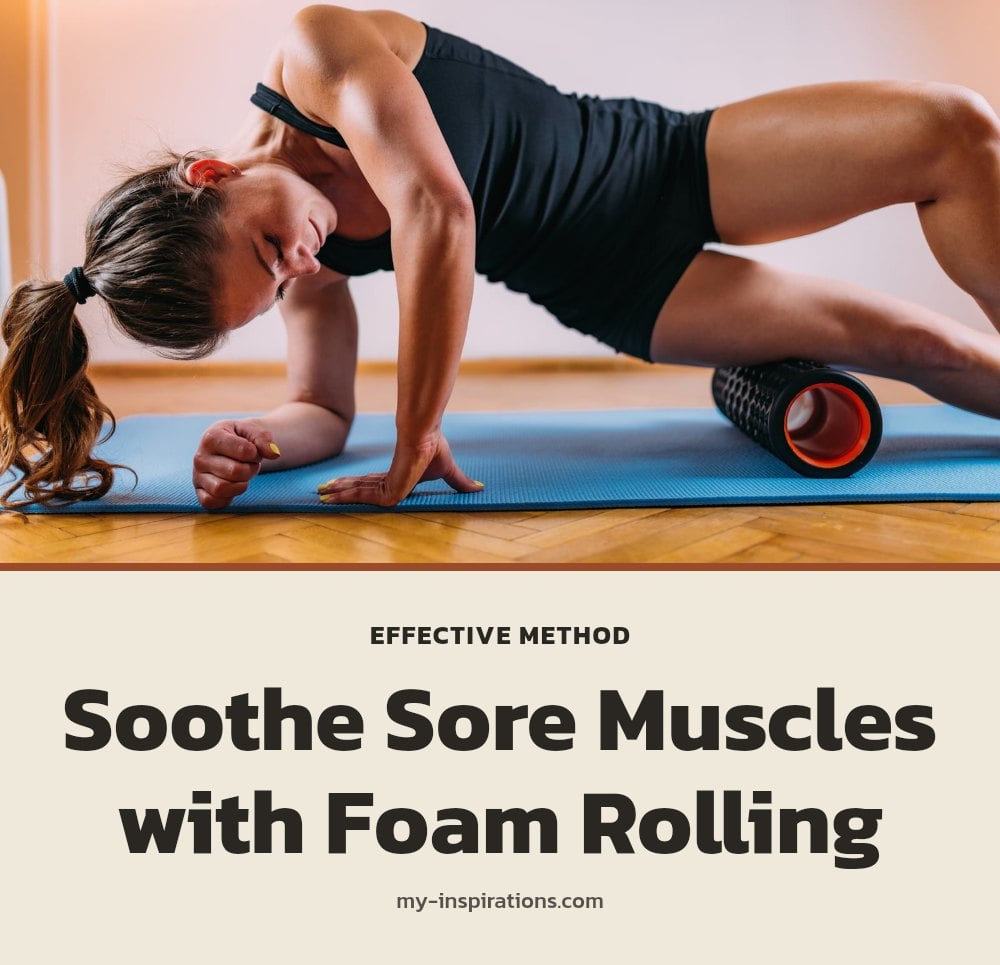
Effective Ways to Soothe Sore Muscles
Several methods can help you manage DOMS and speed up recovery. Try combining a few for the best results.
Light activity: Gentle movement like walking, swimming, or easy cycling increases blood flow to sore muscles. This helps flush out waste products and deliver nutrients for repair. Aim for 10 to 20 minutes at a low intensity.
Gentle stretching: Stretching can temporarily improve flexibility and range of motion. Caution: Do not force a stretch on very sore muscles, as that can worsen microtears. Stop if you feel sharp pain.
Hydration and nutrition: Drink water throughout the day, especially after exercise. Protein intake supports muscle repair, so include a source like eggs, yogurt, or a smoothie within a couple of hours post-workout.
Cold therapy: Applying an ice pack (wrapped in a thin cloth) or taking a cold shower may reduce inflammation and numb the pain. Use it for 10 to 15 minutes at a time, repeating every few hours as needed during the recovery period.
Heat therapy: A warm bath or heating pad relaxes tight muscles and improves circulation. This can feel especially good before bed. Caution: Do not use heat on areas with reduced sensation or open wounds.
Massage: Self-massage with a foam roller or massage ball can alleviate tension and boost blood flow. Roll slowly over the sore area, pausing on any knots for 20 to 30 seconds. Spend 5 to 10 minutes total on each muscle group.
Rest and sleep: Your body does most of its repair while you sleep. Prioritize 7 to 9 hours of quality rest to allow muscle fibers to rebuild fully.
Common Soreness Mistakes to Avoid
It is easy to mistake soreness for the only measure of a productive workout, but it is just one sign. Many effective sessions leave you feeling strong, not wrecked. Skipping warm-ups and cool-downs is another common misstep; those few minutes prepare your muscles for work and help them transition back to rest.
Pushing through severe pain can turn normal soreness into an injury. Listen to your body and back off when a movement hurts sharply. Neglecting nutrition and hydration also slows recovery. Your muscles need fuel and water to repair. And do not expect instant relief. Soreness follows its own timeline, usually peaking 24 to 72 hours after exercise and then fading as your body heals.
How to Prevent Severe Muscle Soreness
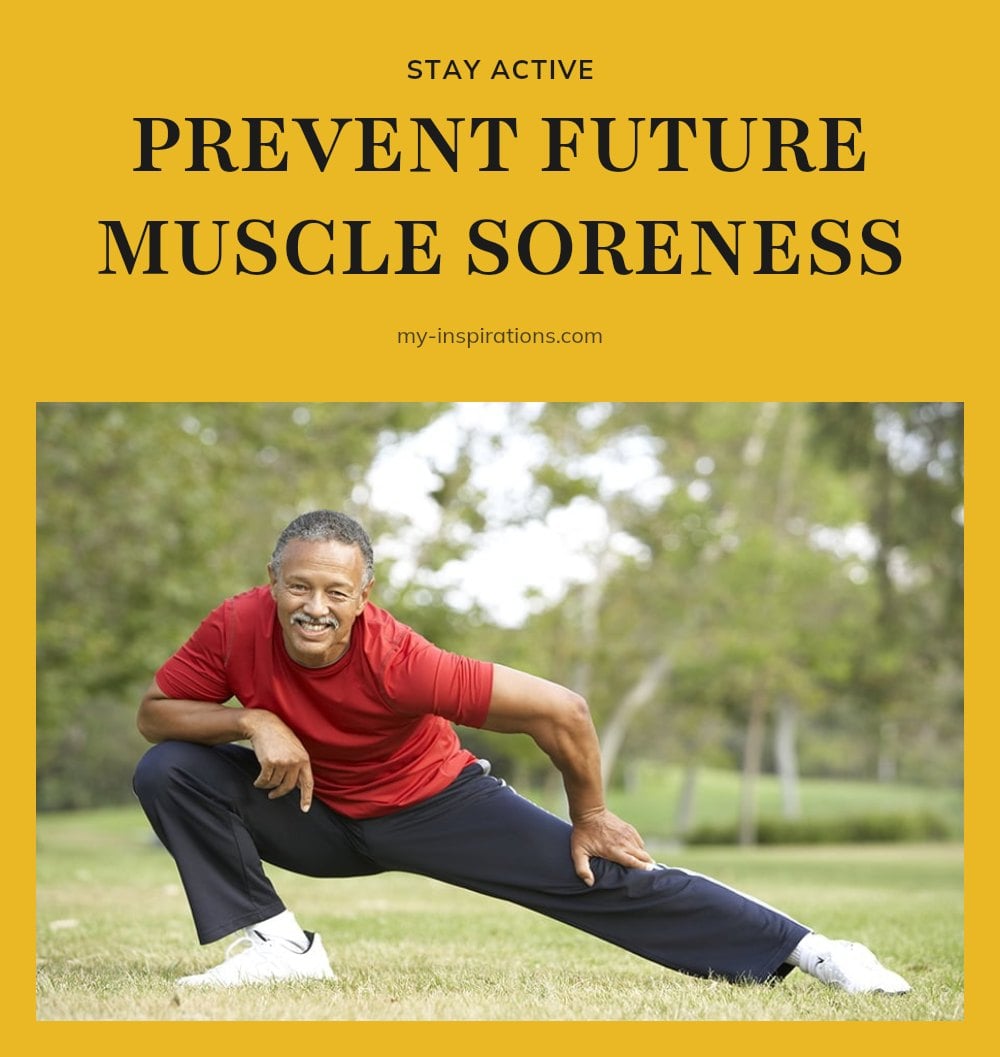
You can reduce the severity of future soreness by managing how you approach your workouts. Start with gradual increases in intensity and duration instead of jumping into a new routine at full force.
- Warm up properly: Spend 5 to 10 minutes doing light cardio, such as brisk walking or cycling, followed by dynamic movements like leg swings or arm circles to prepare your muscles for activity.
- Cool down and stretch: End each session with gentle static stretches and a few minutes of walking to help your heart rate and muscles return to baseline.
- Hydrate consistently: Drink water throughout the day, not just during exercise, to support every step of muscle function and repair.
- Eat enough protein: Include a protein source in your post-workout meal or snack to give your muscles the building blocks they need to recover.
When to Seek Professional Medical Advice
Most soreness resolves on its own, but certain symptoms require a doctor’s attention. Seek medical advice if you experience sharp pain, swelling, numbness, or tingling along with the soreness. If the discomfort is localized to a joint or does not improve after several days, it may signal something beyond normal DOMS. Do not ignore severe pain that persists or worsens. A healthcare professional can rule out an injury and help you recover safely.
Frequently Asked Questions
How long does muscle soreness usually last?
Delayed Onset Muscle Soreness (DOMS) typically appears 12 to 24 hours after exercise and can last for 24 to 72 hours. The discomfort usually peaks within that window and then gradually subsides with proper care like light activity and hydration.
Can I work out with sore muscles?
You can do light, active recovery like walking or gentle cycling, but avoid intense exercise on already sore muscles. Working them too hard can worsen microscopic tears and delay recovery. Give your muscles time to repair before your next strenuous session.
Is soreness a sign of a good workout?
Soreness can be one sign that your muscles are adapting to new or intense stress, but it’s not the only measure of an effective workout. Many productive sessions leave you feeling strong rather than wrecked. Don’t rely solely on soreness to gauge your progress.
What is the difference between soreness and injury?
Soreness from DOMS is a dull ache in the muscle belly that improves with gentle movement and resolves within a few days. An injury often involves sharp pain, swelling, numbness, or tingling, and may be localized to a joint. If you experience those symptoms, consult a doctor.
Does stretching prevent muscle soreness?
Static stretching can temporarily increase range of motion, but research shows limited evidence that it prevents or significantly reduces DOMS. A proper warm-up that includes light cardio and dynamic movements is more effective for preparing muscles and reducing soreness.
Final Thoughts
My tip is to combine light movement with proper hydration and nutrition for the most consistent relief. Expect soreness to peak between 24 and 72 hours after exercise and then gradually fade over the next few days with consistent care. By listening to your body and giving it what it needs, you can turn a sore day into a productive recovery step.
This article provides general information about managing muscle soreness and is not a substitute for professional medical advice. If you experience sharp pain, swelling, numbness, or symptoms that persist beyond a few days, consult a doctor or physical therapist. Always listen to your body and stop any activity that causes discomfort.