
Mastering Memorization: Proven Techniques for Effective Studying
Unlock your memory potential with proven memorization techniques for studying. Learn active recall, spaced repetition, and interleaving to retain information.

If you’ve ever spent hours rereading notes only to forget everything the next day, you already know that passive studying doesn’t work. The real secret to memorization is actively engaging with the material using techniques like self-testing, mixing up subjects, and spacing out your sessions. This article breaks down three research-backed strategies and additional tools to help you retain information for the long haul.

Key Takeaways
- Test yourself regularly with flashcards or quizzes to strengthen memory through active recall.
- Mix different subjects or concepts in one study session to improve retention (interleaving).
- Space out your study sessions over multiple days to let your brain consolidate memories.
- Get enough sleep after learning to help transfer information into long-term storage.
- Explain concepts in your own words or teach them to someone else to deepen understanding.
The Secret to Better Memorization
Effective memorization isn’t about passively re-reading notes or highlighting text. It’s about actively engaging with the material in ways that force your brain to retrieve and connect information. Techniques like active recall, interleaving different subjects, and spaced repetition over several days are key. These methods challenge your memory pathways directly, making learning stick for the long term rather than just feeling familiar in the moment.
Your Memorization Toolkit
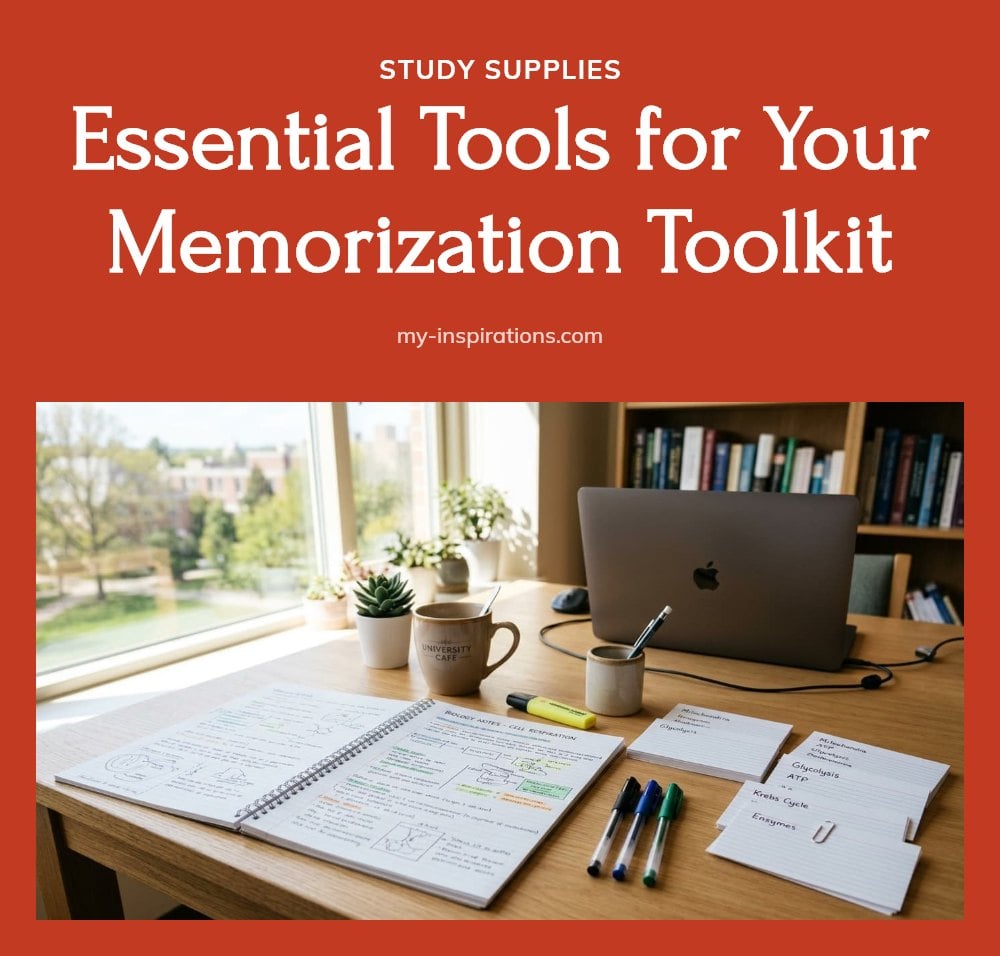
You don’t need fancy gear to memorize effectively, just the right tools for active learning.
- Flashcards: Perfect for active recall and self-testing. Write a question on one side, answer on the other.
- Notebooks and pens: Use them for note-taking and elaboration. Writing by hand can deepen processing.
- Highlighters: Use sparingly to mark key information. Over-highlighting leads to passive reading.
- Whiteboard or mind mapping tools: Great for organizing complex concepts and seeing connections.
- A quiet study space: Minimizes distractions so you can focus fully during learning.
Three Core Strategies for Stronger Memory

These three strategies, based on research-backed methods, will transform how you study. Follow them in order for best results.
- Test yourself actively: Use flashcards or quizzes to force your brain to retrieve information. This strengthens and updates memories. Tip: Making mistakes during self-testing actually improves long-term learning because it activates relevant knowledge before you see the correct answer.
- Mix subjects or concepts: In a single study session, alternate between different topics. This technique, called interleaving, makes your brain work harder to recall information and helps you find connections between subjects. When using flashcards, mix cards from multiple subjects to practice interleaving.
- Space out sessions over days: Review material at increasing intervals (e.g., 1 day, 3 days, 7 days). This spacing effect allows your brain time to process and integrate new information into long-term memory, especially during sleep. Caution: Cramming all studying into one long session is ineffective because the brain needs time and sleep to store knowledge.
If you learn better by watching, this 5-minute video from TED-Ed shows every step. The how-to part starts at 2:18.
Boost Your Recall with These Proven Techniques
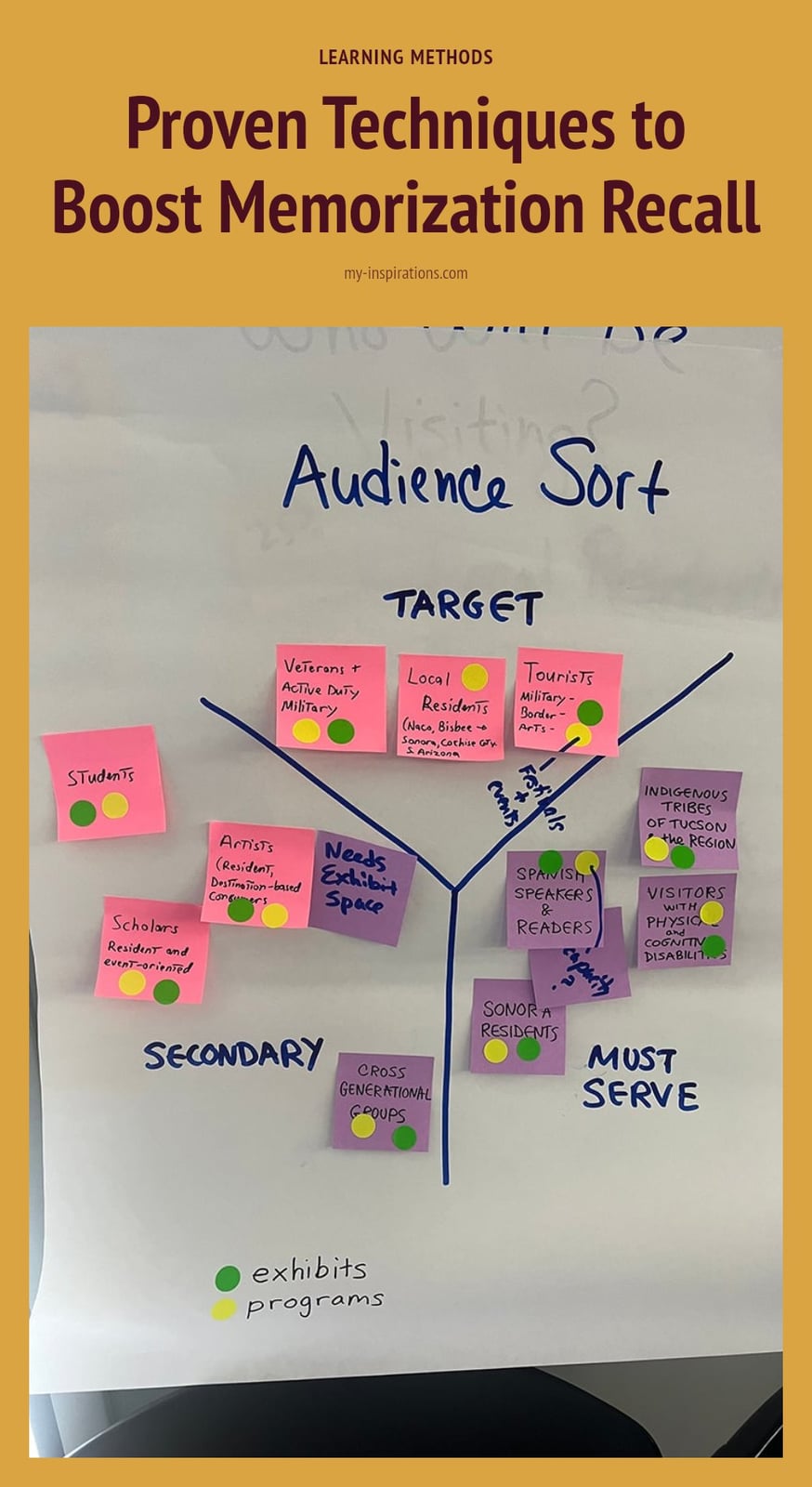
Beyond the core strategies, these techniques give you more ways to lock in information. Experiment to find what works for you.
Elaboration
Explain a concept in your own words or teach it to someone else. Connecting new information to what you already know strengthens memory pathways.
Method of Loci (Memory Palace)
Associate items you want to remember with specific locations in a familiar mental journey, like rooms in your house. Mentally walk through the space to recall each item.
Chunking
Break down large information into smaller, manageable units. For example, remember a phone number as three chunks instead of ten separate digits.
Mnemonics
Use acronyms (like ROYGBIV for rainbow colors) or acrostics (sentences where the first letter of each word stands for something) to remember lists or sequences.
Feynman Technique
Teach a concept as if to a child. If you can’t explain it simply, you haven’t understood it well enough. This reveals gaps in your knowledge.
Visual Aids
Incorporate diagrams, mind maps, and drawings. Visual learners benefit from seeing how pieces connect. Tip: Draw a quick sketch to represent a process or relationship.
The Critical Role of Sleep in Memory

The Critical Role of Sleep in Memory
Sleep is the unsung hero of memorization. While you rest, your brain is hard at work consolidating memories, transferring what you learned from short-term to long-term storage. This process is essential for making knowledge stick.
Adequate sleep after a study session gives your brain the time it needs to process and integrate new information. Without enough rest, you’re essentially blocking that transfer. Neglecting sleep can significantly hinder your ability to retain what you’ve learned, no matter how well you studied during the day.
Common Memorization Pitfalls to Avoid
Common Memorization Pitfalls to Avoid
Even with the best strategies, certain habits can sabotage your efforts. Here are the most common mistakes and what to do instead.
- Passive Re-reading: Simply re-reading notes or textbooks creates a false sense of knowing. The information is right there, so it feels familiar, but your brain isn’t working to retrieve it. Actively test yourself instead.
- Cramming: Trying to memorize large amounts of information in one long session is ineffective for long-term retention. Your brain needs time, including sleep, to integrate knowledge. Space out your learning over multiple days.
- Ignoring Sleep: Neglecting adequate sleep hinders memory consolidation. Prioritize rest after learning to let your brain process what you’ve studied.
- Memorizing Without Understanding: Attempting to memorize facts in isolation without understanding their context makes recall difficult. Connect new information to what you already know to build stronger memory pathways.
- Relying on One Technique: No single method works for everything. Experiment with various strategies like active recall, interleaving, and mnemonics, and combine them for the best results.
Top Tips for Maximizing Retention
Top Tips for Maximizing Retention
Beyond the core techniques, these habits can make a real difference in how well you remember what you learn.
- Pay Attention: During the initial learning phase, focus fully to encode information effectively. Multitasking weakens the memory trace from the start.
- Connect New to Old: Link new information to existing knowledge to create stronger memory pathways. Ask yourself how this concept relates to something you already understand.
- Regular Exercise: Incorporate physical activity into your routine. It’s linked to improved cognitive function and memory, giving your brain a boost.
- Understand First: Don’t try to memorize information without understanding it. Comprehension is key to lasting recall, so make sure you grasp the meaning before you drill the details.
- Review Regularly: Use spaced repetition to revisit material at increasing intervals. This reinforces memory over time and moves information into long-term storage.
How Long Does Effective Memorization Take?
How Long Does Effective Memorization Take?
Effective memorization is an ongoing process, not a one-time event. Consistent application of techniques over days and weeks leads to better long-term retention than any single marathon session.
Aim for regular, shorter study sessions rather than infrequent, long ones. Reviewing material at increasing intervals, for example, after 1 day, then 3 days, then 7 days, then 2 weeks, is highly effective. The cost is minimal: improving memorization primarily requires your time and effort. Most tools like flashcards and notebooks are low-cost or free, and there are many free apps and online resources available.
Frequently Asked Questions
How can I improve my memory for names and faces?
When you meet someone, repeat their name aloud and try to connect it to a visual image or a familiar person. Using the method of loci, you can also associate the name with a specific location in a mental journey. Practice active recall by testing yourself on names after a short delay.
Is listening to music while studying good for memorization?
It depends on the person and the music. For some, instrumental or ambient music can improve focus, while lyrics or complex rhythms may distract. If you find music helps you concentrate and you still retain information, it’s fine. Otherwise, study in silence or with white noise.
What’s the best way to memorize a speech or presentation?
Break the speech into small chunks and memorize each one using active recall. Practice delivering the speech aloud, then test yourself without notes. Use the method of loci to associate each section with a location in a familiar space. Space out your practice sessions over several days.
How does nutrition affect my ability to memorize?
A balanced diet supports overall brain health, which can influence memory. Foods rich in omega-3 fatty acids, antioxidants, and vitamins (like berries, fish, and leafy greens) are often linked to better cognitive function. Staying hydrated and avoiding excessive sugar also helps maintain focus during learning.
Can I really improve my memory as I get older?
Yes, memory can be improved at any age by using effective strategies like active recall, spaced repetition, and staying mentally active. Regular physical exercise and good sleep also support cognitive function. While some decline is normal, consistent practice can offset many age-related changes.
Final Thoughts
For the best results, commit to using active recall and spaced repetition as your go-to methods. Don’t expect overnight changes; real improvement shows up after several weeks of consistent practice. Stick with it, and you’ll find that remembering what you study becomes more natural and less of a struggle.