A Quick Guide to Introspection for a Happier Life
Unlock self-awareness and personal growth with introspection. Learn practical methods to understand your thoughts and feelings for a happier life.

Have you ever caught yourself wondering why you reacted a certain way or why a particular situation keeps bothering you? That curiosity is the heart of introspection, and it’s a skill you can build to feel more grounded and aligned with what matters to you. This article walks you through what introspection is, how to practice it, and how to avoid common pitfalls so you can use it for real growth.

Key Takeaways
- Introspection means looking inward to examine your thoughts, feelings, and motivations.
- Practice non-judgmental observation and ask open-ended questions to understand your reactions.
- Aim for 10-15 minutes daily or a longer session a few times a week.
- Deeper insights typically emerge after weeks or months of consistent practice.
- If introspection leads to overwhelm or anxiety, seek professional guidance.
What Introspection Really Means for You
Introspection is the process of looking inward to examine your own thoughts, feelings, and motivations. It’s a powerful tool for self-awareness and personal growth, helping you understand why you react a certain way and what truly matters to you. The word comes from Latin ‘intro’ (within) and ‘specere’ (to look), and it’s been a fundamental concept in psychology for over a century. Regular practice can lead to greater clarity, better emotional regulation, and a life more aligned with your values.
Why Looking Inward Helps You Grow
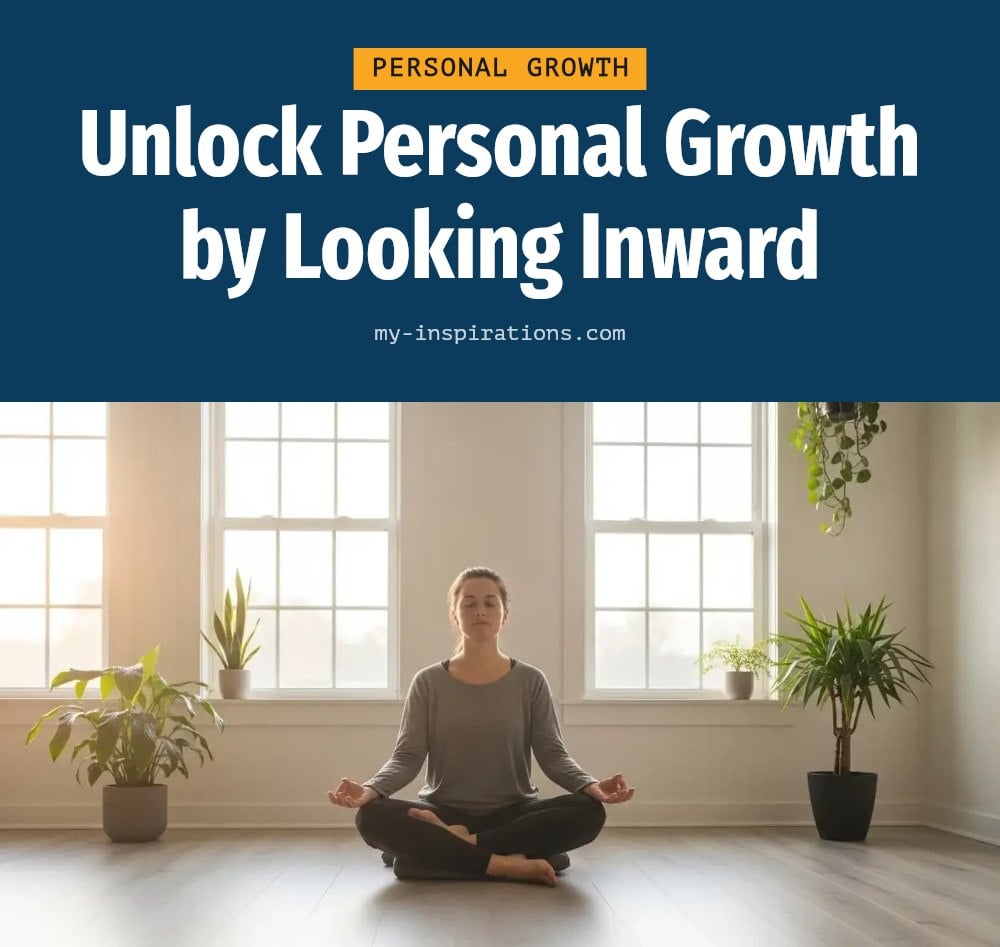
When you regularly look inward, you start spotting patterns in your behavior and emotional responses that you never noticed before. That repeated frustration with a coworker or the anxiety that hits every Sunday evening becomes a clue, not just a mystery.
How it helps you grow
- Better decision-making: Understanding your true motivations and values means you choose what actually serves you, not what looks good on paper.
- Enhanced emotional intelligence: Observing your thoughts and feelings without judgment trains you to respond rather than react, which improves every relationship in your life.
- Stronger personal values: When you align your daily actions with what truly matters to you, those values become solid and reliable guides.
- Clearer goals: Introspection helps you set and achieve personal goals because you know why you want them in the first place.
Practical Ways to Practice Introspection
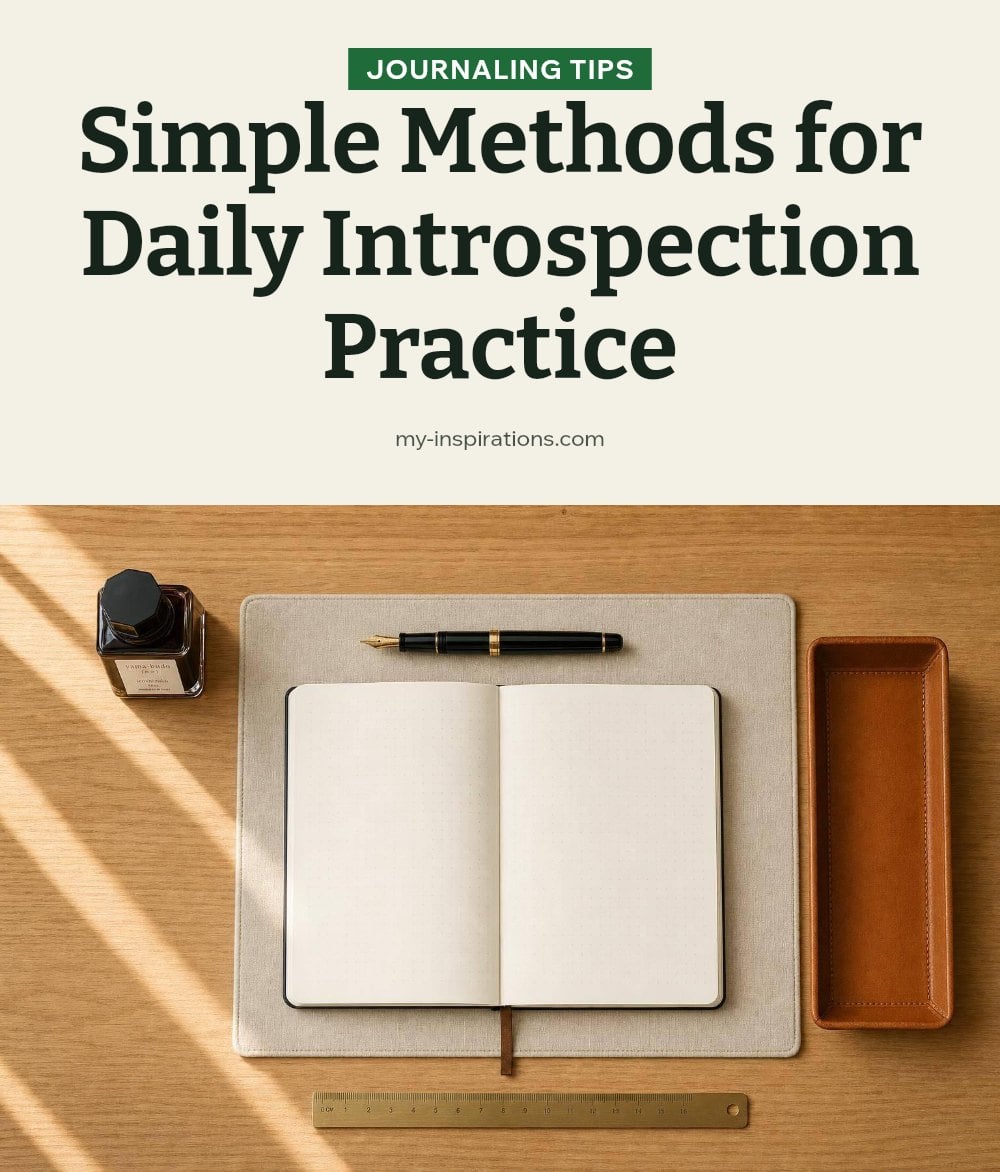
You don’t need a special setup to start. Here are the methods I’ve found most effective after trying them myself.
Journaling
Writing down your thoughts and feelings forces you to slow down and organize what’s swirling in your head. Use a notebook you actually like opening. My tip: Set a timer for 10 minutes and don’t stop writing, even if it’s just “I don’t know what to write” at first. You may find that insights surface as you go, but don’t expect them on a schedule.
Meditation and mindfulness
These practices train you to observe your thoughts without getting swept away by them. Start with five minutes of sitting quietly, focusing on your breath. When your mind wanders, gently bring it back. Caution: If sitting still feels impossible, try a walking meditation where you focus only on the sensation of your feet hitting the ground.
Reflective questioning
Ask yourself open-ended questions about your experiences and reactions. Pick one question from the list below and sit with it for a few minutes. Don’t force an answer; just let your mind explore.
Dedicated quiet time
Schedule 10-15 minutes of uninterrupted time in a quiet space, or even just five minutes if that’s all you have. Put your phone in another room. My tip: I keep a small notebook and pen on my nightstand and do this right after waking up, before my brain gets hijacked by notifications.
Questions to Guide Your Self-Reflection
Sometimes the hardest part of introspection is knowing what to ask yourself. These questions will get you started. Pick one or two per session rather than trying to answer them all at once.
- What am I feeling right now, and why? Name the emotion first, then trace it back to its source.
- What thoughts are dominating my mind today? Notice which ideas keep looping without judgment.
- What triggered my last strong emotional reaction? Look for the specific event, not the general situation.
- What values are most important to me? List three to five core values that guide your life.
- Am I living in alignment with my values? Check if your daily actions match what you claim matters.
- What do I need more of in my life? Be honest about what’s missing, whether it’s rest, connection, or creativity.
- What do I need less of in my life? Identify what drains you and consider how to reduce it.
- What makes me feel truly fulfilled? Recall moments when you felt deeply satisfied and look for the common thread.
- How do I typically respond to challenges? Notice your default reaction, then ask if it serves you.
- What am I grateful for today? End with gratitude to keep the practice balanced and positive.
Common Introspection Pitfalls and How to Avoid Them
Treating it as a one-time event: Introspection works best as a regular habit, not something you do once and check off. Set aside a few minutes daily or weekly to keep the practice alive.
Confusing it with self-criticism: The goal is understanding, not blame. When you notice a thought or reaction, observe it with curiosity rather than judgment. My tip: ask yourself “what can I learn from this” instead of “what’s wrong with me.”
Getting stuck in rumination: Rumination means replaying the same negative thoughts without moving forward. If you catch yourself in that loop, shift focus to what you can do differently next time.
Expecting instant profound insights: Real self-understanding builds slowly over weeks and months. Be patient and trust the process.
Ignoring uncomfortable truths: The insights that feel hardest to accept often lead to the most growth. Acknowledge them gently and keep going.
Best Tips for Deeper Introspection
Integrate Mindfulness: A daily mindfulness practice, even five minutes of focused breathing, builds the present-moment awareness that makes introspection more effective.
Focus on ‘Why’: When you notice a feeling or reaction, push past the surface. Ask yourself why it showed up and what belief or memory might be driving it.
Observe Without Judgment: Approach your inner world like a curious friend, not a critic. Compassion opens the door to honest reflection.
Set Intentions: Before each session, decide what you want to explore. A clear intention keeps your reflection focused and productive.
How Long Introspection Takes and How Often to Do It
Frequency: Aim for 10-15 minutes daily or a longer session a few times a week. Consistency matters more than duration.
Duration for Insights: Deeper self-understanding typically emerges after weeks or months of regular practice. Noticeable shifts in perspective take time.
Cost: Introspection is free. You only need your time and, optionally, a journal and pen.
Patience is Key: Profound insights unfold gradually. Treat the practice as an ongoing journey rather than a destination.
When to Seek Professional Guidance
If introspection consistently leaves you feeling overwhelmed, anxious, or depressed, pause and talk to a mental health professional. A therapist can help you process those emotions safely.
If you find yourself stuck in a loop of negative rumination that you can’t break, professional guidance can provide effective strategies to shift that pattern.
Caution: Never use introspection to self-diagnose a mental health condition. Only a qualified professional can assess and treat health concerns.
A therapist offers personalized support, especially if you’re dealing with past trauma or significant emotional challenges. Seeking help is a sign of strength, not failure.
Frequently Asked Questions
How is introspection different from overthinking?
Introspection is a constructive, non-judgmental look at your thoughts and feelings, aimed at understanding. Overthinking, or rumination, is repetitive and often negative, focusing on problems without moving toward solutions. If you notice yourself stuck in a loop of worry, that’s a sign to step back and seek a different approach, possibly with professional support.
Can introspection be harmful?
For most people, introspection is beneficial, but it can become unhelpful if it turns into self-criticism or excessive rumination. If you consistently feel overwhelmed, anxious, or depressed after reflecting, it may be wise to pause and talk to a mental health professional. Introspection should clarify, not distress.
How often should I practice introspection?
Aim for 10-15 minutes daily or a longer session a few times a week. Consistency matters more than duration, so choose a rhythm that fits your life. Even a few minutes of quiet reflection can be valuable, but regular practice over weeks and months leads to deeper understanding.
What if I don’t feel like I’m getting insights?
It’s normal to feel like you’re not making progress, especially early on. Introspection is a gradual process, and insights often come when you least expect them. Try varying your questions or methods, such as journaling or mindfulness, and be patient with yourself. The goal is gentle observation, not forced revelations.
Does introspection require a lot of time?
No, introspection can be done in as little as five minutes a day. The key is regular practice, not long sessions. You can integrate it into your routine, like during a morning coffee or before bed. What matters is that you create a quiet, judgment-free space for reflection.
Final Thoughts
Start with just a few minutes a day, perhaps with a journal and one reflective question. Consistency matters more than duration, so keep it simple and gentle. Over weeks and months, you’ll likely notice a clearer sense of your patterns and values, but don’t expect instant transformations. If you find yourself feeling worse rather than better, pause and consider talking to a professional. The goal isn’t perfection, it’s understanding, and that’s a journey worth taking.
This article is for general informational purposes only and is not a substitute for professional medical or mental health advice. If you are struggling with persistent or serious emotional difficulties, please consult a qualified mental health professional. They can provide personalized guidance and support.