Frizzy Hair Fixes: 10 Habits for Smoother Hair Every Day
Tired of frizzy hair? Discover 10 essential habits and product tips to tame frizz, seal your cuticles, and achieve smooth, manageable hair.

We all have those days when our hair just won’t cooperate, especially when the humidity hits. Frizzy hair is usually a sign your strands are thirsty, and the key to smoother hair is locking in moisture and protecting the cuticle. This article covers ten simple daily habits that help you fight frizz at the source, from your wash routine to how you dry and style.
Key Takeaways
- Switch to sulfate-free shampoo and conditioner to avoid stripping natural oils.
- Rinse your hair with cool water at the end of your shower to seal the cuticle.
- Blot hair dry with a microfiber towel or cotton t-shirt instead of rubbing.
- Apply a leave-in conditioner or anti-frizz serum to damp hair for a humidity barrier.
- Sleep on a silk or satin pillowcase to reduce friction and prevent cuticle damage.
Why Does My Hair Get Frizzy?
Frizz happens when your hair lacks moisture. The outer layer of each strand, called the cuticle, lifts up. Once the cuticle is raised, your hair absorbs humidity from the air. This causes the hair shaft to swell and appear rough or flyaway. The key to fighting frizz is to keep your hair hydrated and seal that cuticle layer closed.
1. Use Sulfate-Free Products

Sulfates and harsh alcohols strip your hair of its natural oils. This leads to dryness and makes frizz worse. Switch to moisturizing, sulfate-free shampoos and conditioners. They help maintain your hair’s natural hydration instead of stripping it away. My tip: Look for labels that explicitly say ‘sulfate-free’ and ‘moisturizing’.
2. Rinse with Cool Water
Hot water opens the hair cuticle, making it more vulnerable to frizz. A cool water rinse at the end of your shower helps seal the cuticle shut. This locks in moisture and creates a smoother surface. My tip: You don’t need an ice-cold shower, just a cool rinse at the end of your wash.
3. Blot Hair Gently, Don’t Rub
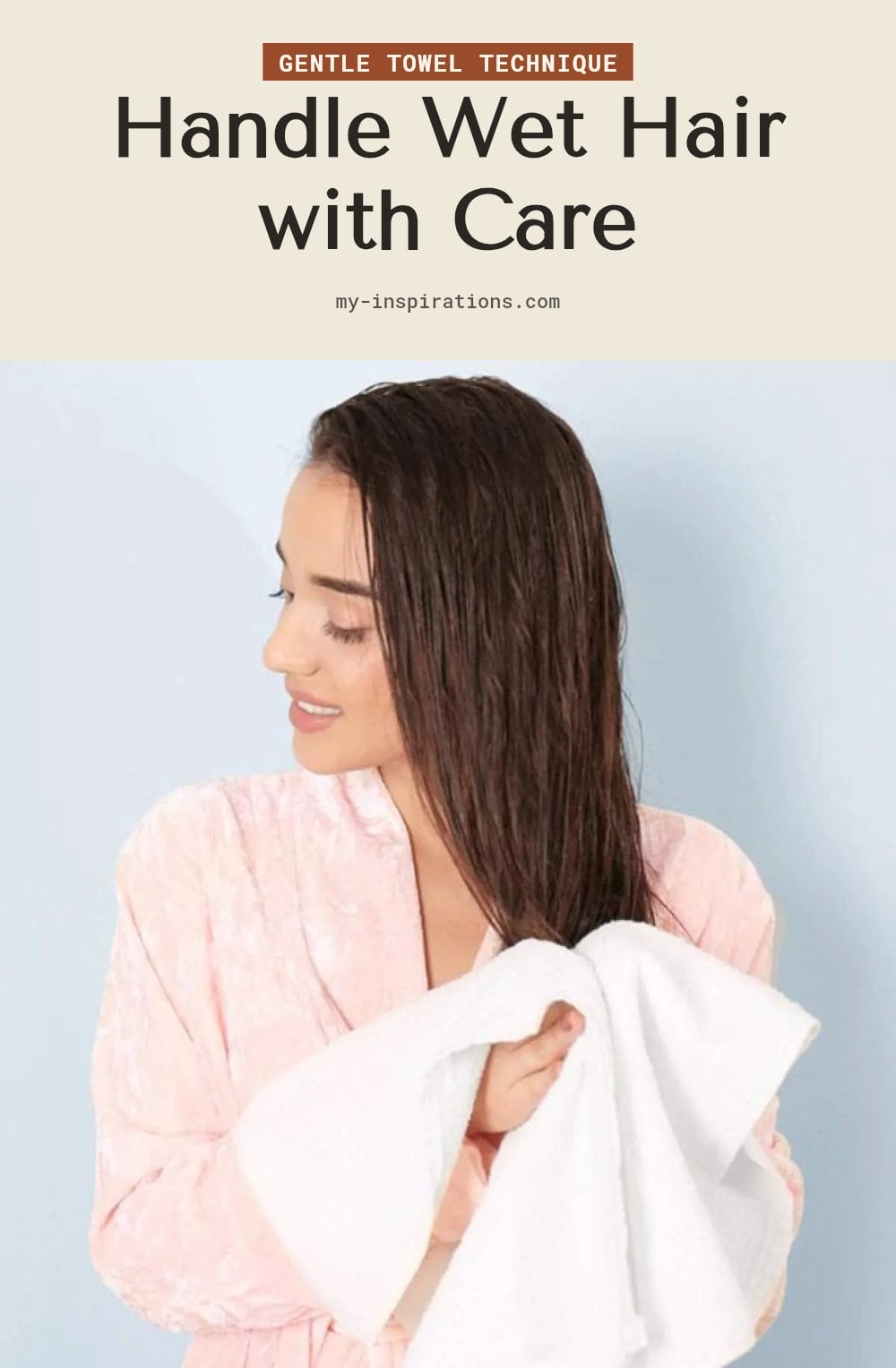
Vigorously rubbing your hair with a terrycloth towel creates friction. This roughs up the cuticle and causes frizz. Instead, gently blot excess water with a microfiber towel or an old cotton t-shirt. This minimizes friction and helps keep the cuticle smooth.
4. Apply Leave-In Conditioner

A leave-in conditioner or anti-frizz serum applied to damp hair works as a protective shield. It helps seal the cuticle, provides essential moisture, and creates a barrier against humidity. This prevents moisture from the air from entering your hair shaft and causing swelling.
Tip: Distribute it evenly from mid-lengths to ends, avoiding the roots if your hair gets greasy easily. Focus on the driest parts first. A quarter-sized amount is usually enough for medium-length hair.
5. Deep Condition Weekly
Dry hair is a major cause of frizz because its cuticle is already lifted and eager to absorb moisture from the air. Regular deep conditioning treatments replenish lost moisture, smooth the hair cuticle, and improve overall hair health.
Good to know: Make a weekly deep conditioning mask a non-negotiable part of your routine. Apply it to clean, damp hair, leave it on for the time specified on the package (typically 5-20 minutes), then rinse thoroughly. This single habit delivers the most noticeable difference in frizz control over time.
6. Use Heat Protectant Always
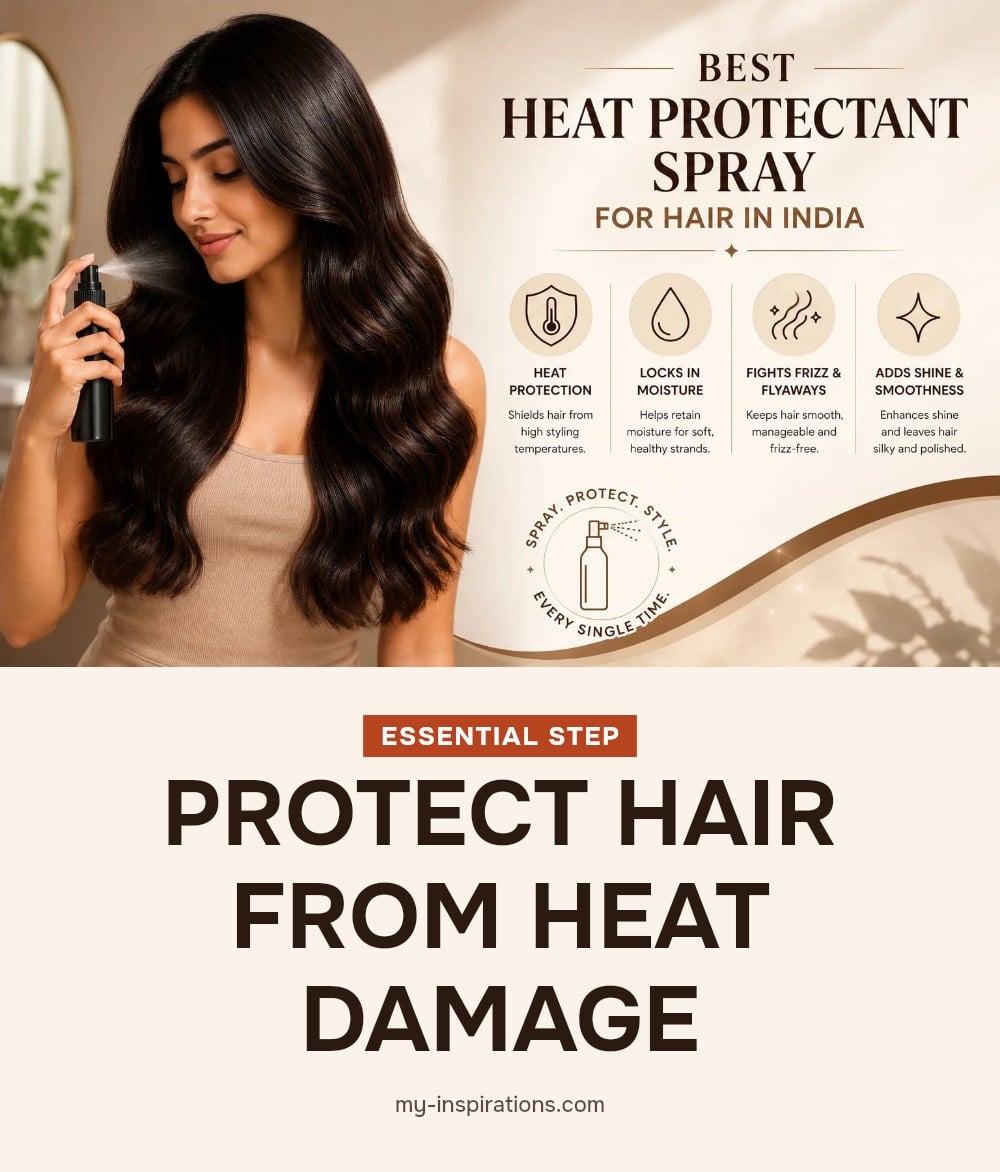
Heat styling without protection dehydrates your hair and can severely damage the cuticle, which leads to increased frizz. Always apply a heat protectant spray before using any hot tools like flat irons or curling wands.
Pro move: Even if you are just blow-drying, a heat protectant is crucial. It creates a barrier that helps keep moisture locked in and the cuticle smooth.
7. Diffuse with Low Heat
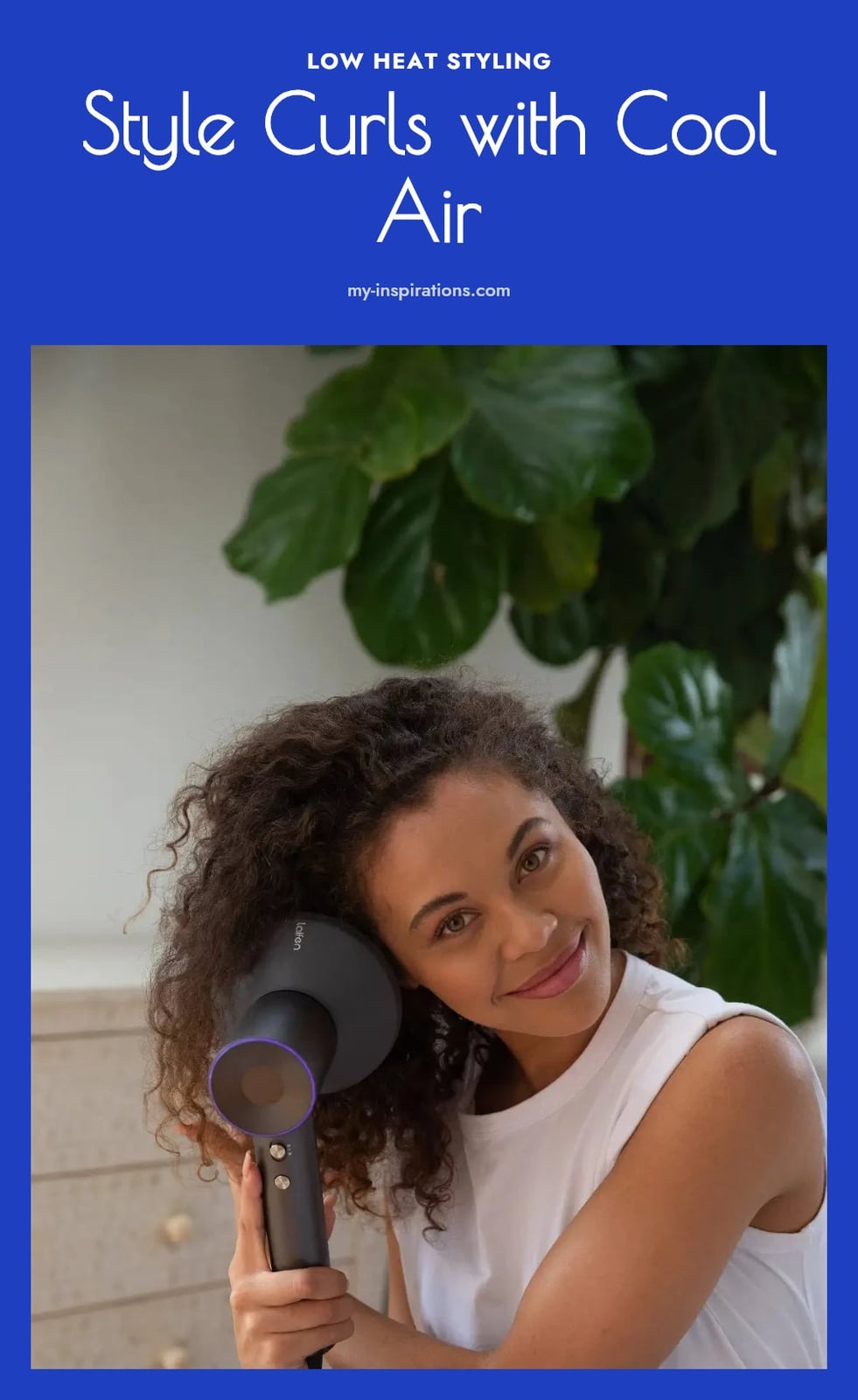
If you blow-dry, attach a diffuser and set your dryer to low heat and low speed. The diffuser spreads the airflow over a wider area, so it doesn’t blast the cuticle open in one spot. This gentle drying method prevents the roughing up that causes frizz.
For curly and wavy hair, diffusing is especially useful. Those hair types are naturally more prone to frizz because their cuticle structure lets moisture escape easily. Low heat and low speed help your curls form without creating flyaways.
Tip: Hold the diffuser close to your scalp and use a gentle circular motion. Let your hair sit in the bowl of the diffuser for a few seconds before moving to the next section. This dries your roots first and keeps the ends from getting blasted with direct heat.
8. Switch to Silk Pillowcases
Cotton pillowcases create friction as you sleep, roughing up your hair cuticle and leading to frizz and breakage. A silk or satin pillowcase allows your hair to glide smoothly, reducing friction and keeping your cuticles intact.
Quick tip: This small change can make a big difference, especially for morning frizz.
9. Avoid Over-Brushing Dry Hair
Brushing dry, frizzy hair can disrupt the cuticle, causing it to lift even more and increasing frizz. Instead, use a wide-tooth comb on damp hair after applying leave-in conditioner to detangle gently. Once dry, try to avoid excessive touching or brushing to keep the cuticle smooth.
Common Frizz-Fighting Mistakes
Believing frizz is only for curly hair: While curly hair is often more susceptible, any hair type can experience frizz, especially when dry or in humidity.
Skipping conditioner or leave-in treatments: These are crucial for providing the moisture your hair needs to stay smooth.
Ignoring humidity: Frizz is highly reactive to moisture in the air. Adjust your product choices (e.g., humidity-blocking serums) on humid days.
Using too much product: While products help, over-application can weigh hair down or make it greasy, counteracting your frizz efforts.
Frequently Asked Questions
Why is my hair suddenly so frizzy?
Sudden frizz often points to a change in the environment, like higher humidity, or a change in your hair’s moisture level. If you’ve recently switched products or started washing your hair more often, that could also be the culprit. Your hair’s cuticle is lifting and absorbing moisture from the air, so try a deep conditioning mask and a leave-in serum to see if that helps.
Can frizzy hair be a sign of damage?
Yes, frizz can indicate damage to the hair cuticle from heat styling, chemical treatments, or harsh brushing. If the cuticle is rough or broken, it can’t lie flat to keep moisture in and humidity out. If you notice breakage along with the frizz, it’s a good idea to see a dermatologist to rule out an underlying issue.
How often should I deep condition for frizz?
For most hair types, a deep conditioning mask once a week is enough to replenish moisture and smooth the cuticle. If your hair is very dry or damaged, you can try it twice a week, but avoid overdoing it, as too much protein from some masks can make hair stiff. Adjust based on how your hair feels after each treatment.
What’s the best way to protect hair from humidity?
The best defense is a two-step approach: first, seal your hair’s cuticle with a cool water rinse after washing, then apply a leave-in conditioner or anti-frizz serum to damp hair. These products create a barrier that prevents humidity from entering the hair shaft. In very humid weather, consider a protective hairstyle like a braid or bun to minimize exposure.
Does brushing dry hair make it more frizzy?
Yes, brushing dry hair can disrupt the cuticle and make frizz worse, especially if your hair is already dry or wavy. Instead, detangle with a wide-tooth comb on damp hair after you’ve applied your leave-in conditioner. Once your hair is dry, avoid touching it too much to keep the cuticle smooth and intact.
Final Thoughts
Start with just one or two of these habits, like rinsing with cool water and switching your pillowcase, and you’ll likely see a difference in your hair’s texture right away. Over several weeks of consistent care, your hair’s overall health will improve, and frizz will become much more manageable. The goal is to build a routine that keeps your hair hydrated and protected every day.
This article is for general informational purposes only and does not constitute medical or professional hair care advice. If you have a persistent scalp condition, significant hair breakage, or hair loss, please consult a dermatologist or a licensed hair care professional for a personalized evaluation.