
11 Home Remedies and Habits for Dry Skin Relief
Discover 11 effective home remedies and daily habits to soothe dry skin. Learn how to moisturize, cleanse, and protect your skin for lasting relief.

If your skin feels tight, flaky, or itchy, you know how frustrating dry skin can be. The good news is that simple changes to your daily routine can bring real relief. This article covers 11 practical home remedies and habits, from choosing the right cleanser to timing your moisturizer, so you can soothe and protect your skin starting today.

Key Takeaways
- Take short, lukewarm showers or baths lasting 5 to 10 minutes.
- Apply a rich moisturizer within 3 minutes of washing, while skin is damp.
- Use fragrance-free, gentle cleansers and avoid alcohol, retinoids, and AHAs if they irritate.
- Wear gloves for chores and protect skin from harsh weather with scarves and gloves.
- Consider a humidifier at home, especially during dry seasons or in arid climates.
What Helps Dry Skin?
Dry skin, or xerosis, happens when your skin’s natural barrier lacks enough moisture and protection. The most effective approach combines gentle cleansing with immediate, consistent moisturizing using rich products, plus shielding your skin from harsh weather and indoor dry air. Small lifestyle shifts, like taking shorter lukewarm showers and running a humidifier, also make a real difference in keeping your skin hydrated and comfortable.
1. Use a Gentle Cleanser
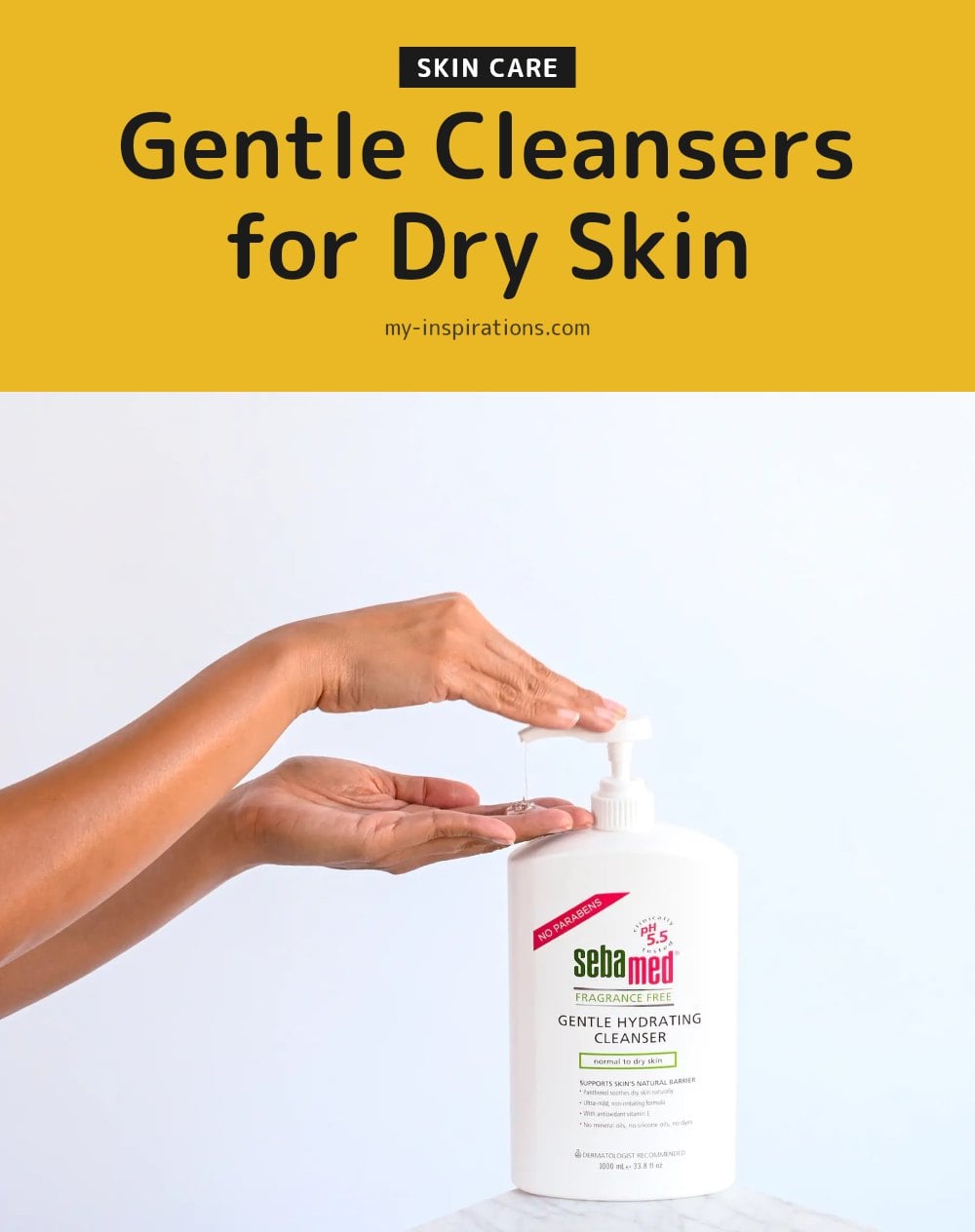
Choose a fragrance-free, mild cleanser that won’t strip your skin’s natural oils. Harsh soaps and scented products can disrupt your skin’s protective barrier, making dryness and irritation worse.
- My tip: Look for cleansers specifically labeled for ‘dry’ or ‘sensitive’ skin. These are formulated to clean without over-drying.
2. Moisturize Immediately After Washing

Apply a rich moisturizer within three minutes of showering or washing your hands, while your skin is still damp. This traps water on the surface, locking in hydration before it evaporates.
- My tip: Don’t rub your skin vigorously with a towel. Gently pat it dry, leaving a little moisture behind, then apply your moisturizer right away.
3. Choose the Right Moisturizer
Reach for creams or ointments instead of lotions. They are thicker and more effective at sealing in moisture. Thicker creams with the right ingredients can make a real difference for persistent dryness.
- Humectants like glycerin and hyaluronic acid draw moisture into the skin.
- Emollients such as ceramides and fatty acids fill in gaps between skin cells.
- Occlusives like petroleum jelly or shea butter create a barrier to prevent water loss.
4. Take Shorter, Lukewarm Showers

Keep your showers or baths to 5-10 minutes, and use lukewarm water instead of hot. Hot water strips your skin’s natural oils faster, breaking down the protective lipid barrier that holds moisture in.
Tip: Think of it as a quick rinse, not a long soak, especially in winter when your skin is already fighting dry air.
5. Use a Humidifier at Home

Add a humidifier to your home, particularly during dry seasons or in arid climates. Dry air pulls moisture directly from your skin, making flakiness and tightness worse.
Good to know: Place it in your bedroom at night so your skin can benefit from the extra humidity while you sleep.
6. Protect Your Skin from Elements

Shield your skin from harsh weather like extreme cold, wind, and sun with scarves, gloves, and appropriate clothing. These create a physical barrier that prevents moisture loss and irritation.
Pro move: Don’t skip sunscreen, even on cloudy days. UV rays can still compromise your skin’s barrier and worsen dryness.
7. Wear Skin-Friendly Fabrics
Choose soft, breathable fabrics like cotton or silk, which are gentler on dry skin. Rougher materials, such as wool, can irritate already compromised skin and make itching worse.
Quick tip: Always wash new clothes before wearing them to remove any potential irritants from manufacturing or storage.
8. Consider an Oatmeal Bath
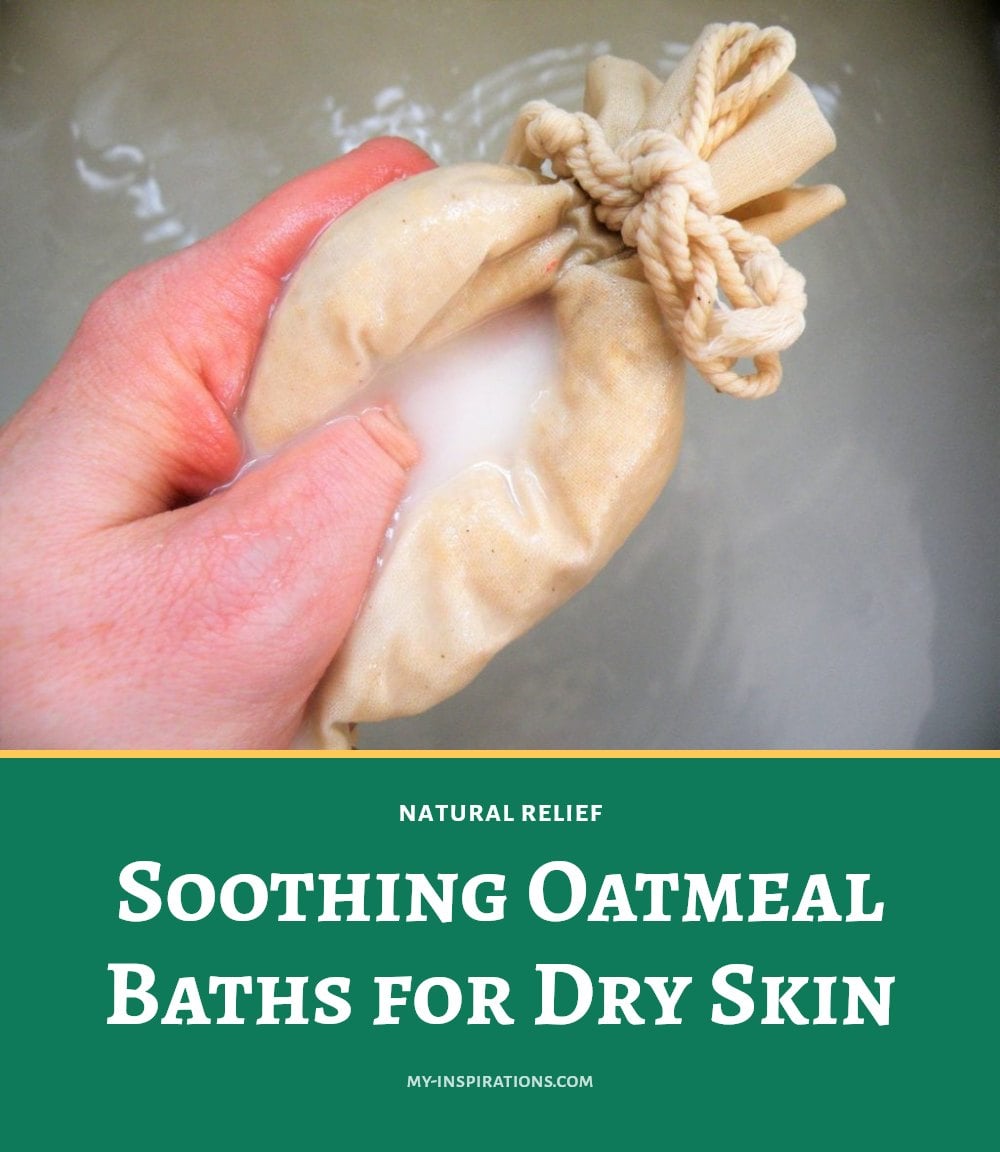
For soothing itchy, irritated dry skin, try adding colloidal oatmeal to your bathwater. Oatmeal has anti-inflammatory properties that can help calm and relieve discomfort.
Tip: Ensure the water is lukewarm, not hot, to maximize benefits without further dehydrating your skin.
9. Drink Plenty of Water
While topical care is paramount, staying well-hydrated internally supports overall skin health. Drinking adequate water contributes to your body’s general well-being, which in turn can reflect positively on your skin.
Good to know: Keep a water bottle handy throughout the day as a reminder to sip regularly.
10. Avoid Harsh Ingredients
Steer clear of skin care products containing alcohol, strong fragrances, or certain retinoids and alpha-hydroxy acids (AHAs) if they cause irritation. These ingredients can be too harsh for already dry or sensitive skin, potentially exacerbating dryness and redness.
I’ve learned the hard way that ‘less is more’ when your skin is feeling fragile.
11. Wear Gloves for Chores
Protect your hands from harsh detergents, cleaning chemicals, and hot water by wearing gloves when doing dishes or cleaning. Frequent exposure to these irritants can severely dry out the delicate skin on your hands.
Pro move: Keep a pair of gloves under the sink as a constant reminder.
When to See a Doctor or Dermatologist
If your dry skin is severe, persistent, or doesn’t improve with home remedies, it’s time to consult a professional. Seek medical advice if you experience redness, cracking, bleeding, or signs of infection like pus or fever. Good to know: Individuals with underlying conditions such as eczema, psoriasis, or diabetes may require specialized medical guidance for dry skin management.
Frequently Asked Questions
Can drinking more water really help dry skin?
Drinking water supports your overall health, but its direct effect on skin hydration is debated. Topical care, like applying moisturizer to damp skin, is the most reliable way to lock in moisture. Still, staying well-hydrated is a good habit for your body and may indirectly benefit your skin.
How often should I moisturize my dry skin?
Apply moisturizer every time you wash your hands or face, and always within three minutes after a shower or bath. For very dry areas, you may need to reapply a few times a day. My tip: keep a travel-size moisturizer in your bag so you can refresh your hands and face on the go.
Are all natural ingredients good for dry skin?
No, not all natural ingredients are safe for dry skin. Some essential oils, for example, can irritate or even worsen dryness. Always patch test any new product on a small area of skin and discontinue use if you notice increased redness, itching, or burning. When in doubt, stick with fragrance-free products labeled for sensitive skin.
What’s the difference between a lotion, cream, and ointment for dry skin?
Lotions have a higher water content and are lighter, while creams are thicker and contain more oil, making them better for sealing in moisture. Ointments, like petroleum jelly, are the heaviest and create a strong barrier to prevent water loss. For dry skin, creams or ointments are generally more effective than lotions.
Can diet affect dry skin?
There is some debate, but a balanced diet with healthy fats and adequate hydration may support overall skin health. However, diet alone is unlikely to cure dry skin. The most important steps are topical: gentle cleansing and consistent moisturizing. If you have concerns about your diet, talk to a healthcare professional.
Final Thoughts
For most people, consistent daily moisturizing and gentle skin care habits can noticeably improve dry skin within a few days to a couple of weeks. My tip: keep a thick cream or ointment by your sink and in your bag so you never miss the three-minute window after washing. Remember, ongoing care is key; dry skin tends to return if you stop. If your skin stays red, cracked, or painful despite your efforts, that is your sign to see a dermatologist.
This article is for general information only and is not a substitute for professional medical advice. If your dry skin is severe, persistent, or accompanied by redness, cracking, bleeding, or signs of infection, please consult a doctor or dermatologist for proper evaluation and treatment.