
Neuroplasticity Exercises to Rewire Your Brain
Discover neuroplasticity and how your brain can change. Learn practical exercises and lifestyle tips to enhance cognitive function and adapt your brain.

Your brain isn’t stuck in a fixed state after childhood. It has the ability to reshape itself throughout your life, forming new connections and adjusting existing ones in response to everything you do. This process is called neuroplasticity, and it’s the reason you can learn new skills, adapt to changes, and even recover from certain brain challenges.
This article covers what neuroplasticity is, how it works, the daily habits that support it, and what timeline you can realistically expect for noticeable results. You’ll also learn common misconceptions and when it’s wise to talk to a professional about your brain health.

Key Takeaways
- Neuroplasticity means your brain can form new neural connections and strengthen existing ones throughout your entire life.
- Consistent daily habits like learning, aerobic exercise, quality sleep, and mindfulness are key to supporting brain plasticity.
- Noticeable improvements in a skill or cognitive function typically take weeks to months of regular effort.
- Chronic stress, poor sleep, and a sedentary lifestyle can negatively impact your brain’s ability to change.
- If you experience persistent cognitive decline or new neurological symptoms, consult a doctor for evaluation.
What is Neuroplasticity and Why Does It Matter?
Neuroplasticity is your brain’s ability to reshape itself, forming new connections and adjusting existing ones, throughout your entire life. This process allows you to learn a new skill, adapt to change, and even recover from injury. Understanding that your brain is not fixed but constantly adapting empowers you to take active steps to support your cognitive health at any age.
How Your Brain Rewires Itself Through Experience
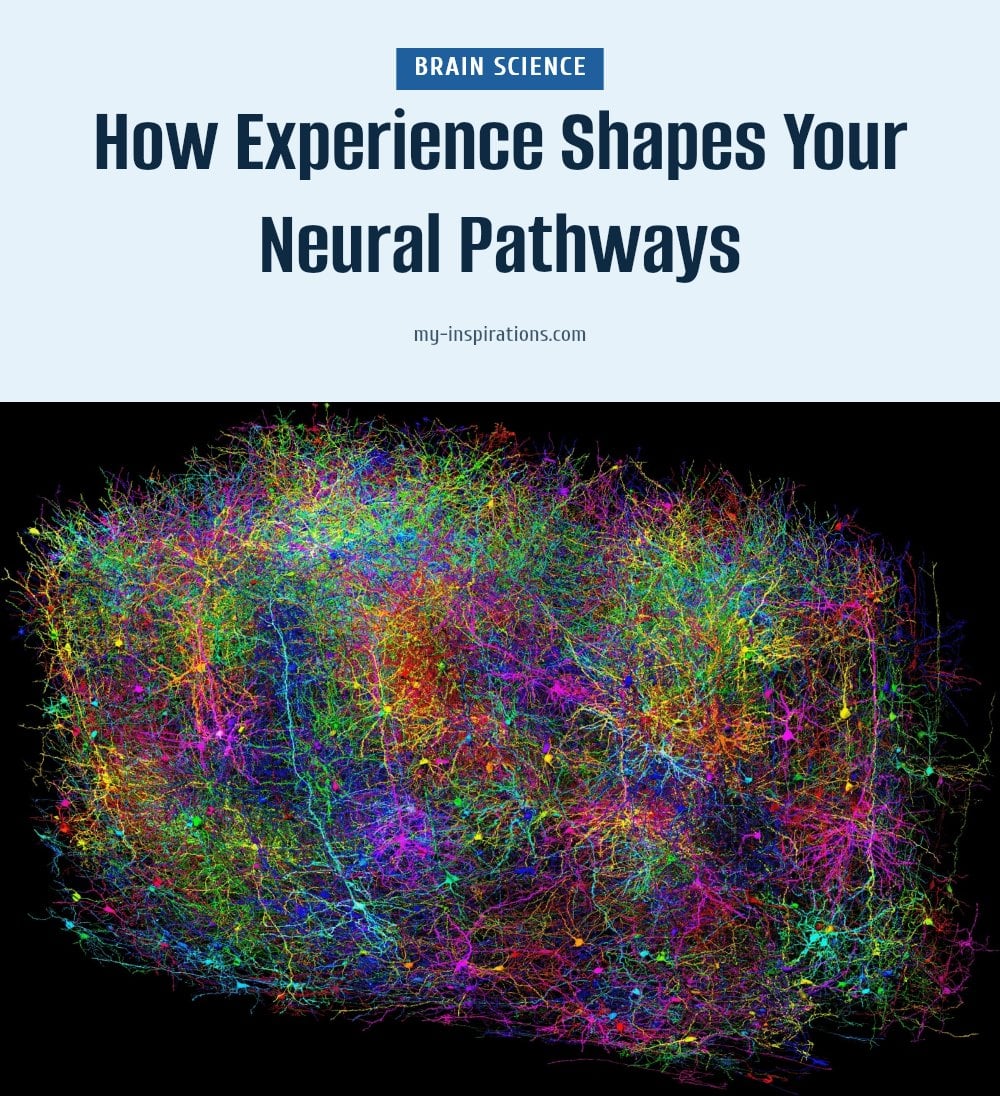
Think of your brain as a network of pathways. Neuroplasticity involves two main types of change. Structural plasticity is the physical growth of new connections between neurons, like building a new road. Functional plasticity strengthens or weakens existing connections, making frequently used routes faster and more efficient.
The primary driver of these changes is experience. When you learn a new language, practice an instrument, or navigate an unfamiliar city, you are actively rewiring your brain. This process is also fundamental for recovery. After a brain injury or stroke, neuroplasticity allows healthy areas to take over functions from damaged ones, helping you regain abilities through targeted therapy.
Daily Habits to Boost Your Brain’s Plasticity

You can actively support your brain’s plasticity with a few daily habits. The key is consistency, not intensity.
Keep Learning
Continuous learning is a powerful driver. Pick up a new language, learn to play an instrument, or try a complex board game. Tip: Aim for 15-20 minutes of deliberate practice each day rather than a long session once a week.
Move Your Body
Aerobic exercise, walking briskly, jogging, cycling, increases blood flow and promotes the release of brain-derived neurotrophic factor (BDNF), a protein that supports neuron growth. Tip: A 30-minute walk most days is a solid start.
Prioritize Sleep
During deep sleep, your brain consolidates memories and strengthens the neural connections formed during the day. Caution: Skipping sleep directly impairs this process. Aim for 7-9 hours of quality sleep per night.
Practice Mindfulness
Regular meditation can increase gray matter density in areas linked to memory and emotional regulation. Tip: Start with 5-10 minutes of focused breathing daily.
Eat for Brain Health
A diet rich in omega-3 fatty acids (found in fish, walnuts, flaxseeds), antioxidants (berries, dark leafy greens), and healthy fats supports neural health. Good to know: Processed foods and excess sugar may hinder plasticity.
Seek Novelty and Connection
New experiences, taking a different route to work, trying a new recipe, stimulate the brain. Social engagement, like a meaningful conversation or joining a club, also keeps your cognitive networks active.
Common Misconceptions About Neuroplasticity
Let’s clear up a few common misunderstandings about how the brain changes.
- Only for kids: Adult brains remain highly plastic throughout life. You can learn new skills and form new habits at any age.
- Only after injury: Everyday learning and new experiences drive continuous change, not just recovery from a major event.
- Instant results: Noticeable improvements typically take weeks to months of consistent effort. There is no quick fix.
- Ignoring lifestyle: Sleep, diet, and exercise are not optional extras. They directly affect your brain’s ability to rewire.
- Passive thinking: Positive thoughts alone do not rewire your brain. Active engagement, practicing, doing, challenging yourself, is required.
Top Tips for Maximizing Brain Health and Plasticity

Embrace novelty: Small new experiences, like taking a different route on your walk or trying a new recipe, keep your brain adaptable. Challenge your comfort zone: Choose tasks that feel just slightly hard, such as a puzzle that makes you think or a conversation in a language you are learning. Stay curious: Ask questions and explore topics that interest you without worrying about being an expert. Manage stress: Chronic stress can hinder plasticity, so build in regular breaks, deep breathing, or a short walk to reset. Connect with others: Meaningful social interaction stimulates your brain in ways solitary activities cannot. A quick chat or joining a club counts.
How Long Until You See Results? Your Neuroplasticity Timeline
Neuroplastic changes happen continuously, but noticeable improvements in a skill or cognitive function typically take weeks to months of consistent effort. Small, regular practices like reading for 20 minutes daily or a brisk walk are more effective than sporadic intense sessions. Consistency is key: a little every day builds lasting change. The good news: most plasticity-promoting activities are low-cost or free. Reading library books, walking outdoors, using free learning apps, or cooking a new vegetable recipe all count.
When to Consult a Professional About Brain Health
If you experience persistent cognitive decline, memory issues that disrupt daily life, or new neurological symptoms, consult a doctor for a proper evaluation. Before making significant changes to your diet or exercise routine, especially if you have underlying health conditions, talk to a healthcare professional. Be cautious of products or programs that promise instant brain rewiring; look for evidence-based advice from trusted medical sources instead.
Frequently Asked Questions
How long does it take to see neuroplastic changes?
Neuroplastic changes happen continuously as you go about your day, but noticeable improvements in a specific skill or cognitive function typically take weeks to months of consistent effort. Small, regular practices like reading for 20 minutes daily or taking a brisk walk are more effective than sporadic intense sessions.
Can neuroplasticity help with age-related cognitive decline?
Many people find that engaging in activities that support neuroplasticity, such as learning new skills, staying physically active, and maintaining social connections, may help maintain cognitive function as they age. While neuroplasticity does not reverse diagnosed conditions like dementia, it can support overall brain health. If you are concerned about cognitive decline, consult a doctor for a proper evaluation.
Is neuroplasticity only about learning new things?
No. While learning new skills is a powerful driver of neuroplasticity, it also occurs through everyday experiences, physical exercise, quality sleep, mindfulness practices, and even recovery from injury. The brain adapts to whatever you do repeatedly, so habits like a regular walk or a consistent bedtime routine also promote positive changes.
Can stress negatively affect neuroplasticity?
Yes. Chronic stress can have a negative impact on brain plasticity by interfering with the formation of new neural connections and potentially shrinking certain brain regions. Managing stress through practices like mindfulness, regular exercise, and adequate sleep can help create a more supportive environment for your brain to adapt and change.
What is the difference between structural and functional plasticity?
Structural plasticity refers to the physical growth of new connections between neurons, like building a new road in your brain. Functional plasticity, on the other hand, strengthens or weakens existing connections, making frequently used pathways faster and more efficient. Both types work together to support learning, adaptation, and recovery.
Final Thoughts
The most practical step you can take is to pick one small habit and stick with it for a few weeks. For example, commit to a 20-minute brisk walk each day or spend 15 minutes learning a few words in a new language. Realistic expectation: you won’t notice a dramatic shift overnight, but after a month or two of consistency, you may find the task feels easier and your focus sharper. Your brain is always ready to adapt. You just have to give it the right opportunities.
This article is for general informational purposes only and does not constitute medical advice. Neuroplasticity is a complex topic, and individual results may vary. If you are experiencing persistent cognitive decline, memory issues, or any neurological symptoms, please consult a qualified healthcare professional for a proper diagnosis and treatment plan.