How to Treat a Pimple at Home Without Picking It
Learn how to treat a pimple at home with gentle, effective methods and products, minimizing inflammation and preventing scarring without picking.

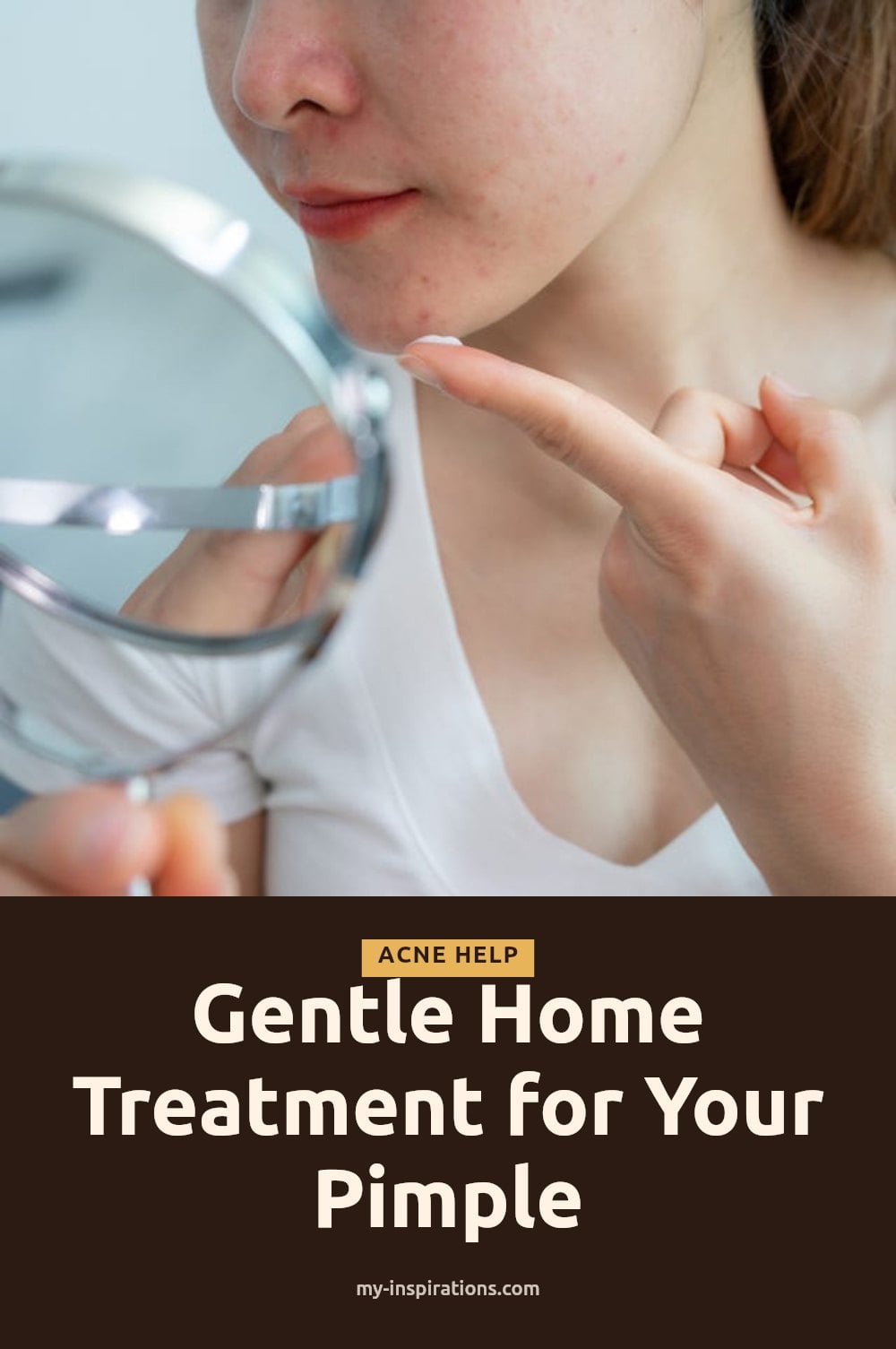
That sudden pimple can feel like it’s taking over your face, but the worst thing you can do is pick at it. The real secret to making it disappear faster is gentle, targeted care that reduces inflammation without causing more damage. This article covers safe at-home treatments, from spot treatments to hydrocolloid patches, and explains why picking only makes things worse.
Key Takeaways
- Clean your face twice daily with a gentle cleanser to remove excess oil and dirt.
- Apply a spot treatment with salicylic acid (0.5-2%) or benzoyl peroxide (2.5-10%) directly on the pimple.
- Cover the pimple with a hydrocolloid patch overnight to absorb fluid and protect the area.
- Never pick, squeeze, or pop a pimple. It can cause scarring and more inflammation.
- See a dermatologist if a pimple stays painful, large, or doesn’t improve after one to two weeks.
How to Safely Treat a Pimple at Home
Treating a pimple at home means focusing on reducing inflammation and promoting healing, not on picking or squeezing. Gentle cleansing, targeted spot treatments, and protective patches are the core of effective at-home care. Always prioritize your skin’s health: if a blemish stays painful, grows large, or doesn’t improve within a week or two, seek professional help.
Why Pimples Form and How They Develop
What Causes a Pimple?
A pimple forms when a hair follicle gets clogged with excess oil (sebum) and dead skin cells. This plug creates an environment where bacteria, specifically P. acnes, can multiply, leading to inflammation and redness.
When you pick or squeeze, you can push those bacteria deeper into the skin. That worsens inflammation and can lead to scarring. The best approach is to let the pimple run its course while using gentle treatments to support healing.
Your At-Home Pimple Treatment Toolkit
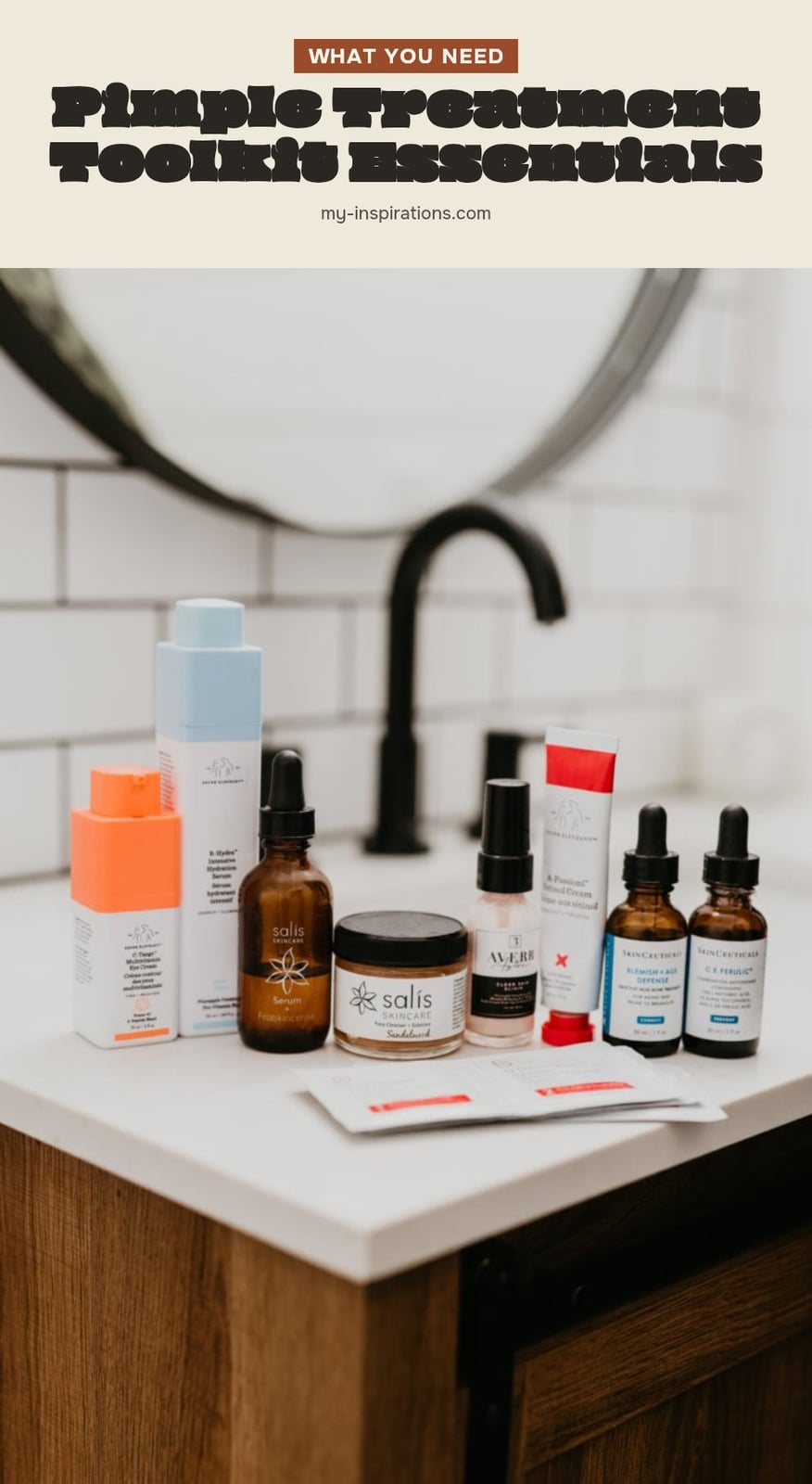
Keep these basics on hand for safe, effective at-home care:
- Gentle facial cleanser: removes oil and dirt without stripping the skin.
- Spot treatment: choose salicylic acid (0.5-2%) to unclog pores or benzoyl peroxide (2.5-10%) to kill bacteria.
- Hydrocolloid patch: absorbs fluid, protects the pimple, and speeds healing.
- Cold compress: reduces swelling and redness when applied for 5-10 minutes.
- Non-comedogenic moisturizer: keeps skin hydrated without clogging pores.
Step-by-Step: Treating Your Pimple Gently
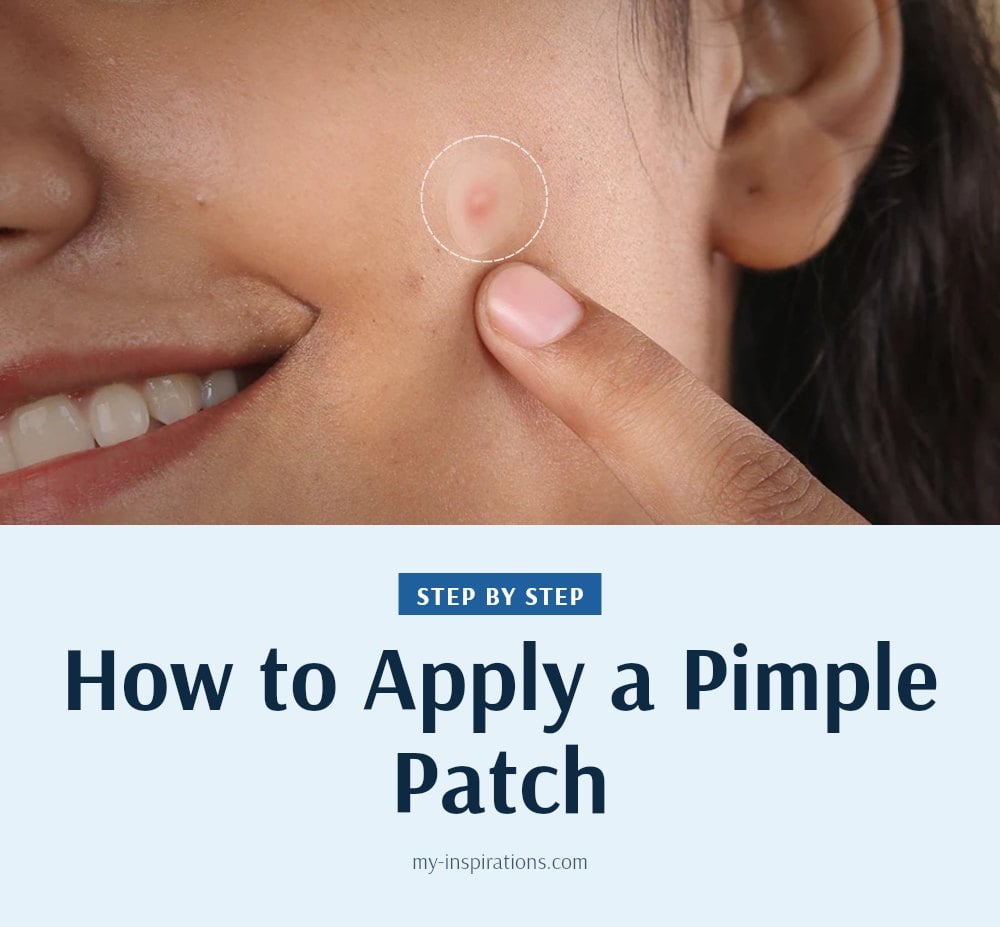
Follow these steps to treat a pimple gently and effectively:
- Cleanse your face: Wash twice daily with a mild cleanser using lukewarm water. Avoid scrubbing; use your fingertips in gentle circles.
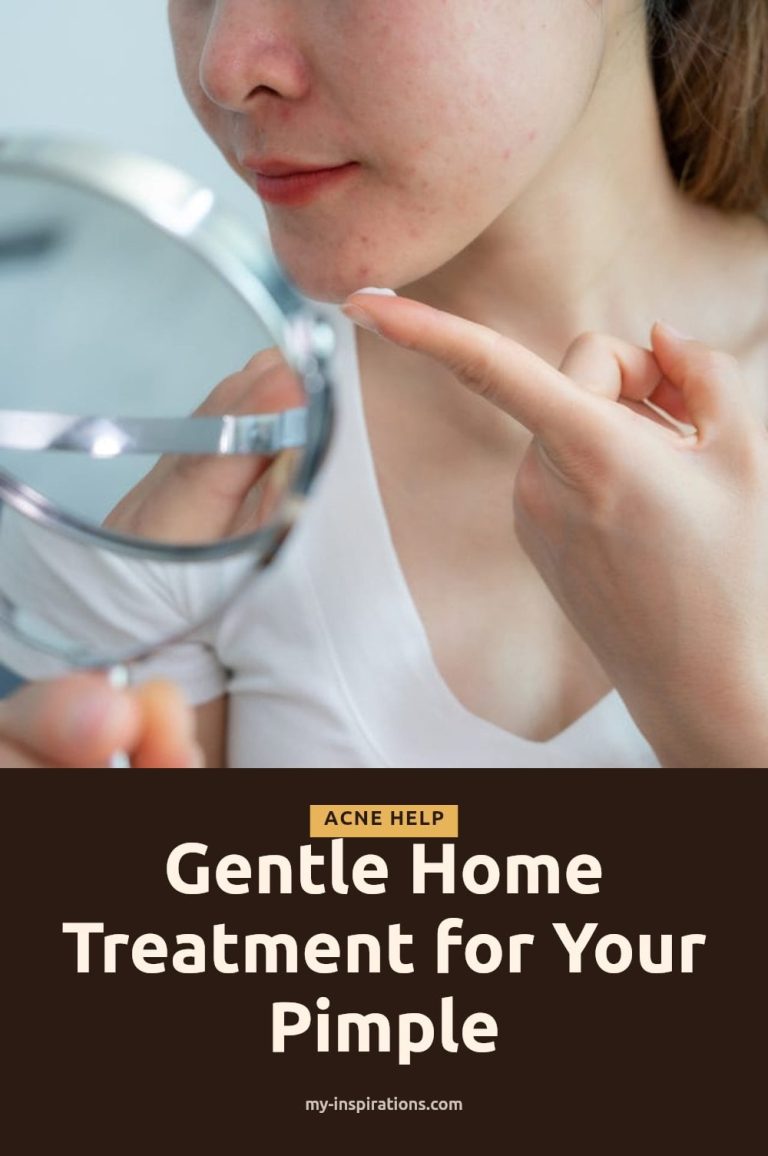
- Apply spot treatment: Use a thin layer of salicylic acid or benzoyl peroxide directly on the pimple. Wait for it to dry before the next step.
- Cover with a patch: Place a hydrocolloid patch over the pimple and leave it on for several hours or overnight. It absorbs fluid and protects the area from bacteria.
- Use a cold compress: For an inflamed pimple, hold a cold compress against it for 5-10 minutes. This helps reduce swelling and redness.
- Moisturize: Apply a non-comedogenic moisturizer to keep your skin barrier healthy, even if your skin is oily. Skipping it can trigger more oil production.
If you choose tea tree oil, dilute it with a carrier oil like jojoba or almond oil before applying, and do a patch test first.
Common Pimple Treatment Mistakes to Avoid
Picking or squeezing: This is the worst thing you can do. It pushes bacteria deeper, makes inflammation worse, and can leave a scar. Leave the pimple alone and let the spot treatment do its job.
Harsh scrubbing: Aggressive cleansing irritates your skin and can make the pimple angrier. Use your fingertips with a gentle cleanser, no scrubbers.
Over-applying products: More spot treatment doesn’t mean faster healing. Too much can cause dryness, peeling, and irritation. Apply a thin layer only.
Using household remedies: Toothpaste, lemon juice, and baking soda are too harsh and can burn or irritate your skin. Stick to products made for acne.
Neglecting moisturizer: Skipping it can trick your skin into producing more oil, leading to more breakouts. Use a non-comedogenic moisturizer even if you’re oily.
Preventing Future Breakouts and Pimples
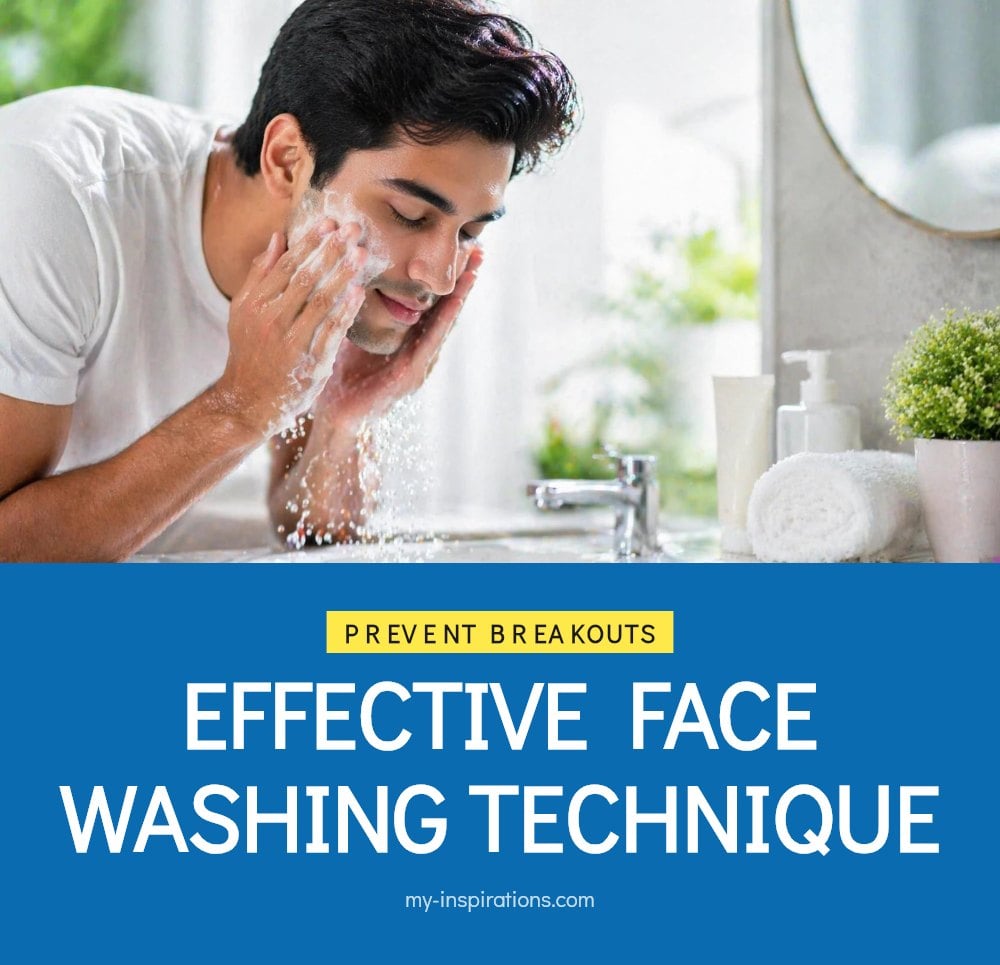
Preventing breakouts is about consistent habits and smart product choices.
- Choose non-comedogenic products: Look for this label on skincare and makeup so they won’t clog your pores.
- Cleanse twice daily: Use a gentle cleanser to remove oil, dirt, and sweat without stripping your skin.
- Keep hands off your face: Wash your hands often and avoid touching your face to reduce bacteria transfer.
- Clean makeup brushes: Wash them weekly to prevent bacteria buildup that can cause breakouts.
- Stay consistent: A regular routine keeps your skin balanced and helps prevent future pimples.
When to See a Dermatologist for Your Pimple
See a dermatologist if a pimple is very painful, large, or doesn’t improve after one to two weeks of home treatment. Deep, cystic, or nodular acne often needs prescription medication. Also seek help if you experience excessive redness, burning, itching, or peeling from any product, or if you suspect an infection or worry about scarring. A professional can give you a proper diagnosis and treatment plan.
Frequently Asked Questions
How long does it take for a pimple to go away with home treatment?
Results from spot treatments can often be seen within one to three days, but full healing may take up to a week or more depending on the pimple’s severity. Consistency matters more than speed, so stick with gentle care and avoid picking.
Can I use natural remedies like lemon juice or toothpaste on a pimple?
No, avoid harsh household remedies like lemon juice or toothpaste. They can be very irritating and drying, which may worsen inflammation and delay healing. Stick to proven ingredients like salicylic acid or benzoyl peroxide.
What’s the difference between salicylic acid and benzoyl peroxide?
Salicylic acid is a beta-hydroxy acid that exfoliates inside the pore to unclog it, while benzoyl peroxide kills acne-causing bacteria and helps shed dead skin cells. Choose based on your skin’s needs; salicylic acid is often better for blackheads and whiteheads, and benzoyl peroxide for inflamed pimples.
Will moisturizing make my pimple worse?
No, moisturizing is essential even for oily skin. Skipping it can cause your skin to produce more oil, which may lead to more breakouts. Use a non-comedogenic moisturizer to maintain a healthy skin barrier without clogging pores.
When should I be concerned about a pimple?
See a dermatologist if a pimple is very painful, large, or doesn’t improve after one to two weeks of home treatment. Deep, cystic, or nodular acne often requires prescription medication. Also seek help if you experience excessive redness, burning, itching, or peeling from any product.
Final Thoughts
For most pimples, a consistent routine of gentle cleansing, a targeted spot treatment, and a hydrocolloid patch is all you need. Expect visible improvement within one to three days, though full healing may take up to a week or more depending on severity. Trust the process and keep your hands off. Your skin will thank you.
This article provides general information for educational purposes and is not a substitute for professional medical advice. If you have a persistent or serious skin concern, please consult a dermatologist or healthcare provider.