
Improve Your Social Skills: A Practical Guide to Connecting with Others
Learn essential social skills like active listening and empathy to feel more confident and build stronger relationships in your personal and professional life.

Feeling awkward or unsure in social situations is something most of us have experienced, but it doesn’t have to be permanent. Social skills are learned behaviors, not fixed traits, which means anyone can get better at them with a bit of practice. This article covers 12 straightforward, actionable ways to feel more confident and connect more naturally with the people around you, from active listening to gracefully ending a conversation.

Key Takeaways
- Practice active listening by asking clarifying questions and summarizing what you hear.
- Maintain eye contact for about 60-70% of the conversation to show engagement without staring.
- Ask open-ended questions like ‘What was the highlight of your weekend?’ to keep conversations flowing.
- Use open body language, such as uncrossed arms and facing the speaker, to appear approachable.
- Offer specific, genuine compliments focused on actions or qualities rather than just appearance.
What Are Social Skills and Why Do They Matter?
Social skills are the learned communication and interaction abilities that help us connect effectively with others. They are not innate, which means anyone can improve them with practice. Developing strong social skills can boost your confidence, reduce anxiety in social settings, and lead to more fulfilling relationships, both personal and professional. The key is that these abilities are built over time through consistent effort, not something you are simply born with or without.
1. Practice Active Listening
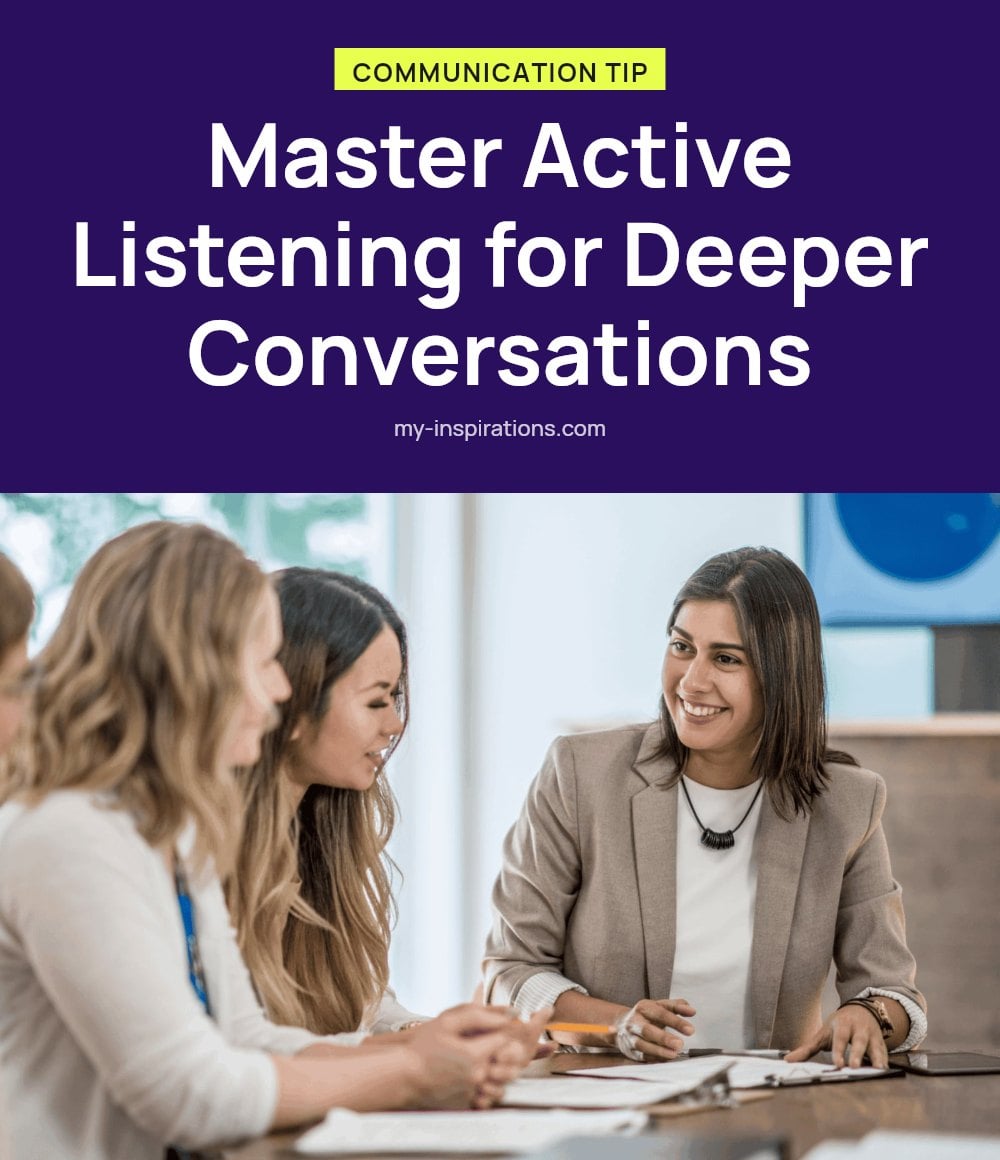
Active listening starts with fully concentrating on what the other person is saying, rather than just waiting for your turn to speak. When you focus completely, you pick up on details and emotions you would otherwise miss.
- Ask clarifying questions like “What did you mean by that?” to show you are engaged.
- Summarize what you heard: “So you felt frustrated because the meeting ran late.”
This makes the other person feel heard and understood, which builds rapport and keeps the conversation flowing naturally.
2. Make Appropriate Eye Contact
Aim for eye contact about 60-70% of the conversation time. This shows you are engaged without coming across as intense or aggressive. Staring (holding eye contact without breaks) can feel confrontational, so avoid it.
My tip: Look away naturally every few seconds, such as when you are thinking or recalling a detail. This mimics real conversational rhythm and keeps the interaction comfortable for both of you.
3. Use Open Body Language

Uncross your arms and face the speaker directly. This open posture signals that you are receptive and engaged, making you instantly more approachable.
- Keep your hands visible and relaxed, not shoved in pockets.
- Nod occasionally to show you are following along.
Avoid closed-off postures like crossed arms or turning your body away. These non-verbal cues can make you seem unapproachable, even if you feel friendly inside.
4. Ask Open-Ended Questions
Start with questions that need more than a yes or no to spark detailed answers and keep the dialogue moving. For example, swap ‘Did you have a good weekend?’ for ‘What was the highlight of your weekend?’
Other open-ended options include ‘What brought you here tonight?’ or ‘How did you get into that hobby?’ These show genuine interest and give the other person room to open up, which makes them feel heard and keeps the conversation flowing naturally.
5. Show Genuine Empathy
Empathy means trying to understand and share what another person is feeling, not just hearing their words. When a friend describes a frustrating day, acknowledge their emotion with something like “That sounds really stressful” before offering advice.
You can validate their perspective even if you don’t fully agree. This builds deeper connections because it shows you care about their experience, not just about being right.
6. Give Sincere Compliments
Focus your compliments on specific actions, qualities, or efforts rather than general appearance. For example, say “You really listened well during that discussion” instead of “You’re so nice.” Specific praise feels more authentic and is more likely to be remembered.
My tip: Only offer a compliment when you truly mean it. Insincere flattery is easy to detect and can damage trust. When your words are genuine, they strengthen rapport and make the other person feel truly seen and appreciated.
7. Remember and Use Names
Make an effort to remember and use people’s names during conversation. Hearing your own name signals respect and personal attention, which makes others feel acknowledged and more connected to you.
Tip: Repeat their name shortly after they introduce themselves, like “Nice to meet you, Sarah.” Then use it once or twice more naturally in the conversation to lock it into memory.
8. Find Common Ground

Look for shared interests or experiences to create a natural bridge between you and someone new. Common ground gives you an easy starting point that doesn’t feel forced, and it helps you bond faster than small talk about the weather.
It can be anything from a favorite hobby to a shared experience at the event you’re both attending. Mention something you noticed, like “I saw you were reading that book too,” and see where the conversation goes.
9. Practice Self-Awareness
Self-awareness means understanding your own emotions and how they shape your interactions. When you recognize that you’re feeling anxious or rushed, you can manage your reactions instead of letting them drive the conversation.
Good to know: Take a moment to check in with yourself before entering a social situation. A quick mental scan of how you’re feeling helps you show up more grounded and communicate more effectively.
10. Use Good Manners
Simple good manners, like saying “please” and “thank you,” go a long way in social interactions. These small gestures show respect and consideration, and they cost you almost nothing to offer.
They also create a more pleasant atmosphere for everyone involved. When you’re polite, others relax around you, and the whole conversation feels warmer and more welcoming.
11. Learn to Exit Gracefully
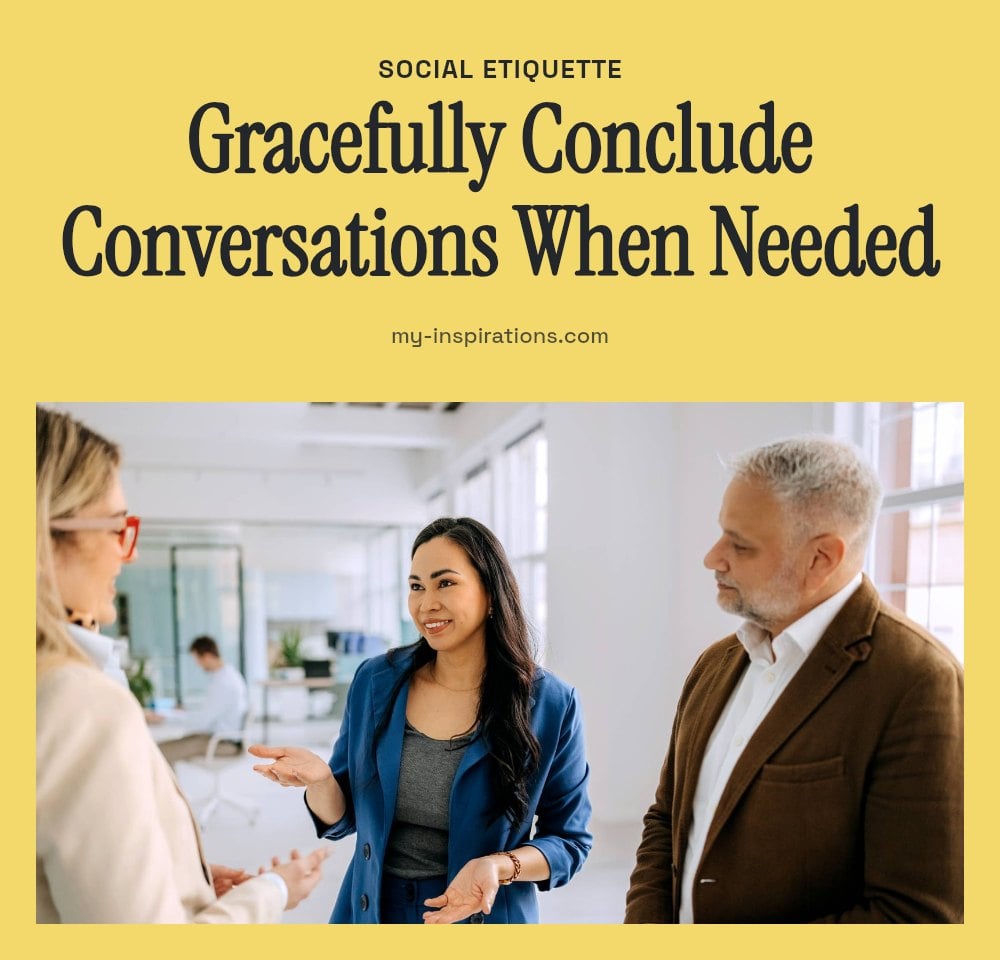
Knowing how to exit a conversation gracefully is just as important as starting one. It leaves a positive impression and avoids the awkwardness of trailing off or looking for an escape.
Try a simple line like, “It was lovely talking to you, I’m going to grab another drink,” or “Excuse me, I need to catch up with someone else.” Both are polite, honest, and give you a clean break without making the other person feel dismissed.
Common Social Skill Mistakes to Avoid
One of the biggest traps is believing social skills are innate. They are learned behaviors, so every conversation is a chance to improve, no matter how awkward it feels.
Another common mistake is focusing on what to say next instead of listening. Prioritize active listening, and the right response usually follows naturally.
Overthinking interactions can feed anxiety. Try to stay present and authentic rather than rehearsing every line in your head.
Attempting to be someone you are not rarely works. Authenticity builds genuine connections, so let your real personality show.
Avoiding social situations altogether keeps you stuck. Start small with people you already know, then gradually expand your exposure to new settings.
Interrupting others signals disrespect and cuts off their ideas. Wait for a natural pause before you speak, and you will show that you value what they have to say.
Frequently Asked Questions
How long does it take to improve social skills?
Most people start noticing improvements in their social confidence and ease within a few weeks to a couple of months of consistent practice. The timeline varies depending on how often you practice and which specific skills you’re working on, but the key is to keep showing up and trying, even when it feels awkward at first.
Can social skills be learned at any age?
Absolutely. Social skills are learned behaviors, not something you’re born with, so you can improve them at any stage of life. Whether you’re a teenager navigating new social circles or an adult looking to strengthen professional relationships, the same principles of active listening, empathy, and open body language apply.
What is the most important social skill?
If there’s one skill that stands out, it’s active listening. When you fully focus on what the other person is saying instead of planning your next response, you naturally pick up on details and emotions, which makes the conversation feel more genuine and connected. Many other skills, like asking good questions and showing empathy, build on that foundation.
How do I practice social skills if I’m shy?
Start small by practicing with people you already know and trust, like a friend or family member, in low-pressure settings. Focus on one skill at a time, such as making gentle eye contact or asking one open-ended question. Gradually, you can work your way up to brief interactions with acquaintances or coworkers, and the confidence will build step by step.
Is it normal to feel awkward in social situations?
Yes, it is completely normal to feel awkward sometimes, even for people who seem very outgoing. Social situations involve uncertainty, and that can trigger self-consciousness. The key is not to let the awkwardness stop you from engaging. The more you practice, the more natural it becomes, and the less power that initial awkward feeling has over you.
What if I run out of things to say?
When the conversation stalls, lean on open-ended questions or refer back to something the other person already mentioned. You can also use your surroundings for a natural topic, like something happening at the event or a shared experience. It’s also okay to have a few go-to exit lines ready so you can gracefully end the conversation without pressure.
Final Thoughts
Improving your social skills really comes down to consistency, not perfection. Pick just one or two of the strategies from this list, like asking an open-ended question or using someone’s name, and focus on them for a few weeks. You can expect to see small but real shifts in how comfortable you feel in conversations over a month or two, and those small wins build real confidence. The goal isn’t to become a different person, but to feel more at ease being yourself around others.
This article provides general information and practical strategies for improving social skills. It is not a substitute for professional mental health advice. If you experience severe social anxiety or persistent difficulty connecting with others that significantly impacts your daily life, consulting a therapist or counselor is recommended.