
Codependency Signs and Recovery: A Guide to Healthier Relationships
Understand codependency signs and learn practical steps for recovery. Discover how to build healthier relationships and prioritize your well-being.

Do you often feel like you’re the one giving everything in your relationships, leaving little time or energy for yourself? You might be putting everyone else’s needs first, feeling responsible for their happiness, and wondering where your own sense of self went. This article breaks down what codependency looks like and how you can start building healthier, more balanced connections.
Understanding the signs is the first step, but real change comes from taking action. We’ll cover the core traits of codependency and practical steps you can take to recover, from setting boundaries to seeking support.

Key Takeaways
- Codependency means consistently prioritizing others’ needs over your own, often at the cost of your identity.
- Key signs include deriving self-worth from being needed, difficulty setting boundaries, and fear of abandonment.
- Recovery involves therapy (like CBT or family systems therapy) and support groups such as CoDA.
- Practice setting small boundaries and re-engaging with personal hobbies to rebuild your sense of self.
- Recovery is a gradual process that can take months or years; self-compassion is essential.
What is Codependency?
Codependency is a behavioral pattern where you consistently prioritize others’ needs over your own, often to an unhealthy degree. It involves relying on others for your sense of self-worth and may include trying to control or enable their behaviors. First identified in families affected by addiction, it can appear in any relationship. Recognizing these patterns is the crucial first step toward fostering healthier, more balanced connections.
1. Recognize Your Self-Worth Comes From Others

A core sign of codependency is deriving your self-worth from external sources, especially from being needed by others. You might constantly seek approval or validation from your partner, friends, or family.
- My tip: Start journaling about when you feel good about yourself. Is it after someone praises you, or after you’ve achieved something personal? Noticing the source helps you shift toward internal validation.
2. Struggle to Set Boundaries
If you find it hard to say ‘no’ or establish clear limits in your relationships, that’s a common codependent trait. This often leads to feeling overwhelmed or resentful because you’re constantly overextending yourself.
- Tip: Learning to say ‘no’ politely but firmly is a powerful shift. It feels uncomfortable at first, but it gets easier with practice, and it protects your energy.
3. Feel Responsible for Others’ Feelings
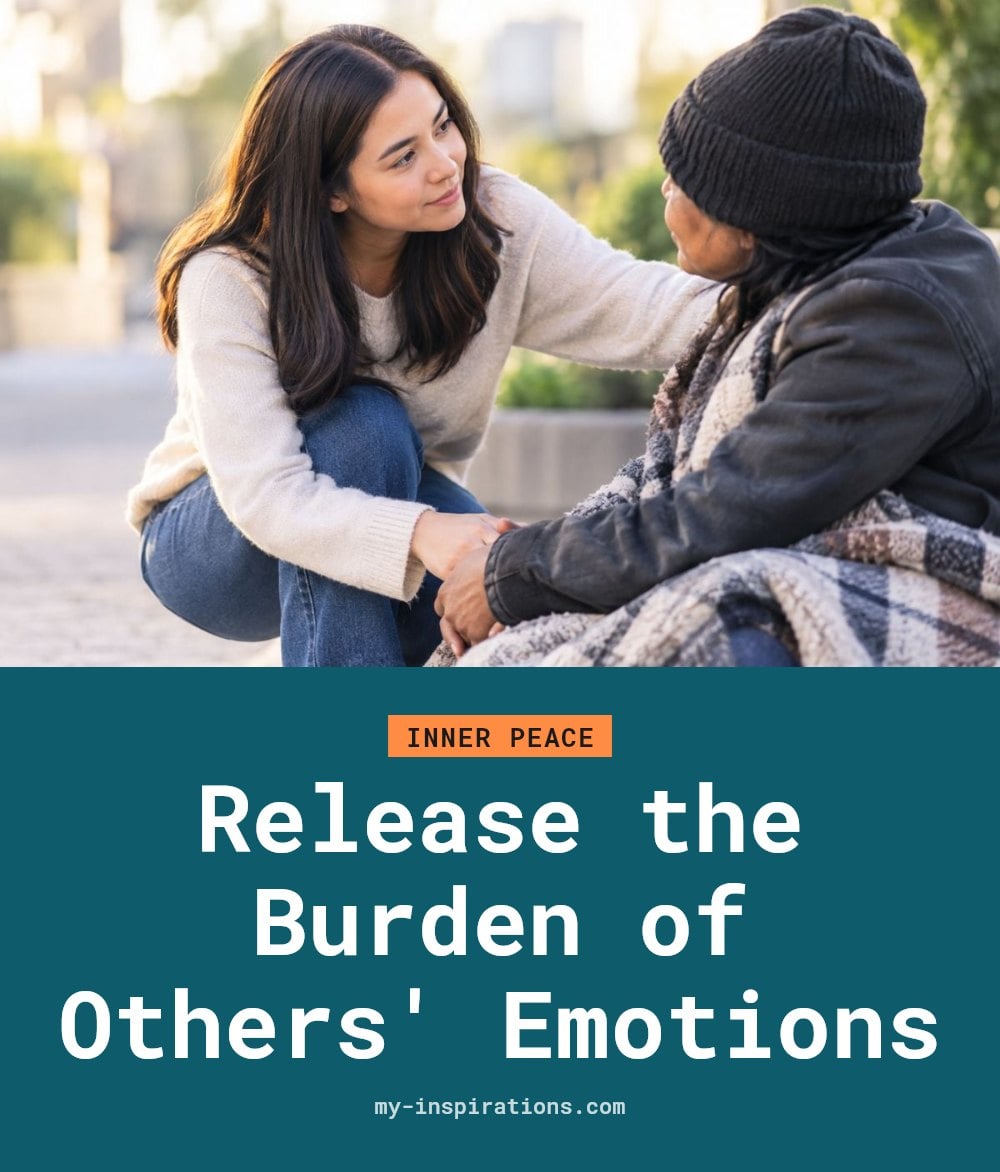
Codependent individuals often feel responsible for the emotions and actions of those around them. You might try to ‘fix’ or ‘save’ others, believing their happiness is your duty.
- My tip: Remind yourself that everyone is responsible for their own feelings and choices. You can be supportive without taking on their burdens.
4. Neglect Your Own Needs and Hobbies
A significant sign is neglecting your personal needs, interests, and growth in favor of focusing on others. Your hobbies might fall by the wayside, and your personal identity can become intertwined with someone else’s. I’ve seen this happen: It’s vital to carve out time for yourself, even if it feels selfish initially. It’s not, it’s self-care.
5. Experience Fear of Abandonment
An underlying anxiety for many with codependent tendencies is a deep fear of abandonment or rejection. This fear can drive you to stay in unhealthy relationships or to constantly people-please to avoid being left alone. Tip: Explore where this fear might come from. Often, it’s rooted in past experiences and understanding that can be incredibly empowering.
6. Seek Professional Help

For effective recovery, seeking professional help from a therapist or counselor is highly recommended. Therapy, especially cognitive-behavioral therapy (CBT) or family systems therapy, can help you understand root causes and develop new patterns. My experience: A good therapist provides a safe space to explore these complex dynamics without judgment.
7. Join a Support Group
Support groups like Co-Dependents Anonymous (CoDA) offer a community-based approach to recovery. Sharing experiences with others who understand can provide immense validation and practical strategies. Good to know: The power of shared experience is incredible. Knowing you’re not alone can be a huge motivator for change.
8. Practice Setting Healthy Boundaries

Start with low-stakes situations. Practice saying ‘no’ to an extra task at work or declining a social invitation you don’t have energy for. Communicate your needs and limits clearly, then enforce them consistently.
Pro move: Write down one boundary you want to set this week. Say it out loud until it feels natural. The discomfort fades with repetition, and each small win builds confidence for bigger relationship boundaries.
9. Cultivate Independent Interests

Re-engage with hobbies or interests you set aside. Sign up for a class, join a book club, or simply spend an afternoon painting or hiking alone. This rebuilds your sense of identity outside of relationships.
Quick tip: Think back to what you loved doing before you became so focused on others. Revisit those passions, even if only for 15 minutes a week. Joy found independently strengthens your core self.
10. Learn to Express Your Own Feelings
Practice naming your feelings out loud, starting with simple statements like “I feel hurt when…” or “I need some quiet time.” Use a feelings wheel if you struggle to identify emotions beyond anger or sadness.
I’ve seen this happen: It can feel awkward at first, especially if you’re used to minimizing your own emotions. But it’s so freeing. Authentic communication builds relationships where both people’s needs are heard.
11. Practice Self-Compassion
Recovery from codependency is a journey, not a destination. Expect setbacks and treat them as data, not failure. Each step forward, no matter how small, is progress worth acknowledging.
Tip: Treat yourself with the same kindness and understanding you would offer a dear friend going through a tough time. Speak gently to yourself when you slip, and celebrate every boundary you hold.
When to Seek Professional Help
If your relationship involves physical, emotional, or verbal abuse, seek immediate professional help and create a safety plan. Codependency can make it harder to recognize danger or leave, so a therapist or domestic violence hotline is essential. If you feel overwhelmed by the recovery process or cannot make changes on your own, a therapist can guide you through structured work like cognitive-behavioral therapy.
Caution: Do not self-diagnose or attempt to treat severe psychological patterns without professional guidance. If codependency is impacting your daily functioning, mental health, or ability to maintain stable relationships, professional support is crucial for safe and lasting change.
Frequently Asked Questions
Is codependency a mental illness?
No, codependency is not classified as a formal mental health disorder in the DSM-5. It is recognized as a behavioral pattern that can significantly impact your mental well-being. However, it can be addressed effectively with therapy and support, even without a formal diagnosis.
Can codependency be cured?
Codependency is not something that is ‘cured’ in the traditional sense, but it is a pattern you can recover from. With consistent effort, therapy, and support, you can learn new ways of relating to yourself and others. Many people find they develop healthier relationships and a stronger sense of self over time.
How do I know if I’m codependent?
If you consistently put others’ needs before your own, feel responsible for their feelings, struggle to say no, and derive your self-worth from being needed, these are common signs. Reflecting on your relationship patterns and considering a therapist’s assessment can give you a clearer picture.
What is the difference between codependency and empathy?
Empathy is the ability to understand and share another person’s feelings, while codependency involves taking responsibility for their feelings and actions. A codependent person may try to ‘fix’ or ‘save’ others, whereas an empathetic person can offer support without losing their own identity or boundaries.
Can therapy really help with codependency?
Yes, therapy can be highly effective. Cognitive-behavioral therapy (CBT) and family systems therapy are particularly helpful for understanding root causes and developing new patterns. A therapist provides a safe space to explore your feelings and learn practical skills like boundary-setting.
Final Thoughts
Start by choosing one small action this week: maybe it’s saying ‘no’ to one extra request or spending 15 minutes on a hobby you used to love. Remember, recovery from codependency is a continuous process that varies for each person, often taking months or years of consistent effort to see lasting change. Be patient with yourself as you learn to put your own well-being on the list, too.
This article is for informational purposes only and does not constitute medical or professional advice. Codependency is a recognized behavioral pattern, but it is not a formal diagnosis. If you are struggling with your relationships or mental health, please consult a qualified therapist or counselor for personalized support.