FOMO: Why It Happens and How to Stop It
Feeling left out? Learn what FOMO is, why it happens, and get practical strategies to manage the Fear of Missing Out and boost your well-being.

You know that sinking feeling when you see friends at a party you weren’t invited to, or a coworker’s vacation photos make your weekend look dull? That’s FOMO (Fear of Missing Out) in action. It’s that anxious thought that everyone else is having more fun, more success, or more connection than you are. In this article, I’ll break down why FOMO happens, how social media fuels it, and practical ways to dial down that anxiety so you can feel more content with your own life.

Key Takeaways
- FOMO is fueled by social media’s constant updates, which trigger comparison and anxiety.
- Mindfulness and setting technology boundaries are key strategies to reduce FOMO.
- JOMO (Joy of Missing Out) is the positive practice of enjoying your own experiences offline.
- If FOMO affects your mood or relationships, consider speaking with a mental health professional.
- Managing FOMO is an ongoing process; consistent practice leads to noticeable improvements over time.
What Exactly Is FOMO?
FOMO, short for Fear of Missing Out, is that nagging apprehension that others are having rewarding experiences you’re not part of. It often stems from a desire to stay connected to what everyone else is doing, especially when social media feeds show friends at parties, trips, or milestones. That constant stream of updates can make you feel left out, even when you’re perfectly content in the moment.
Why We Experience the Fear of Missing Out
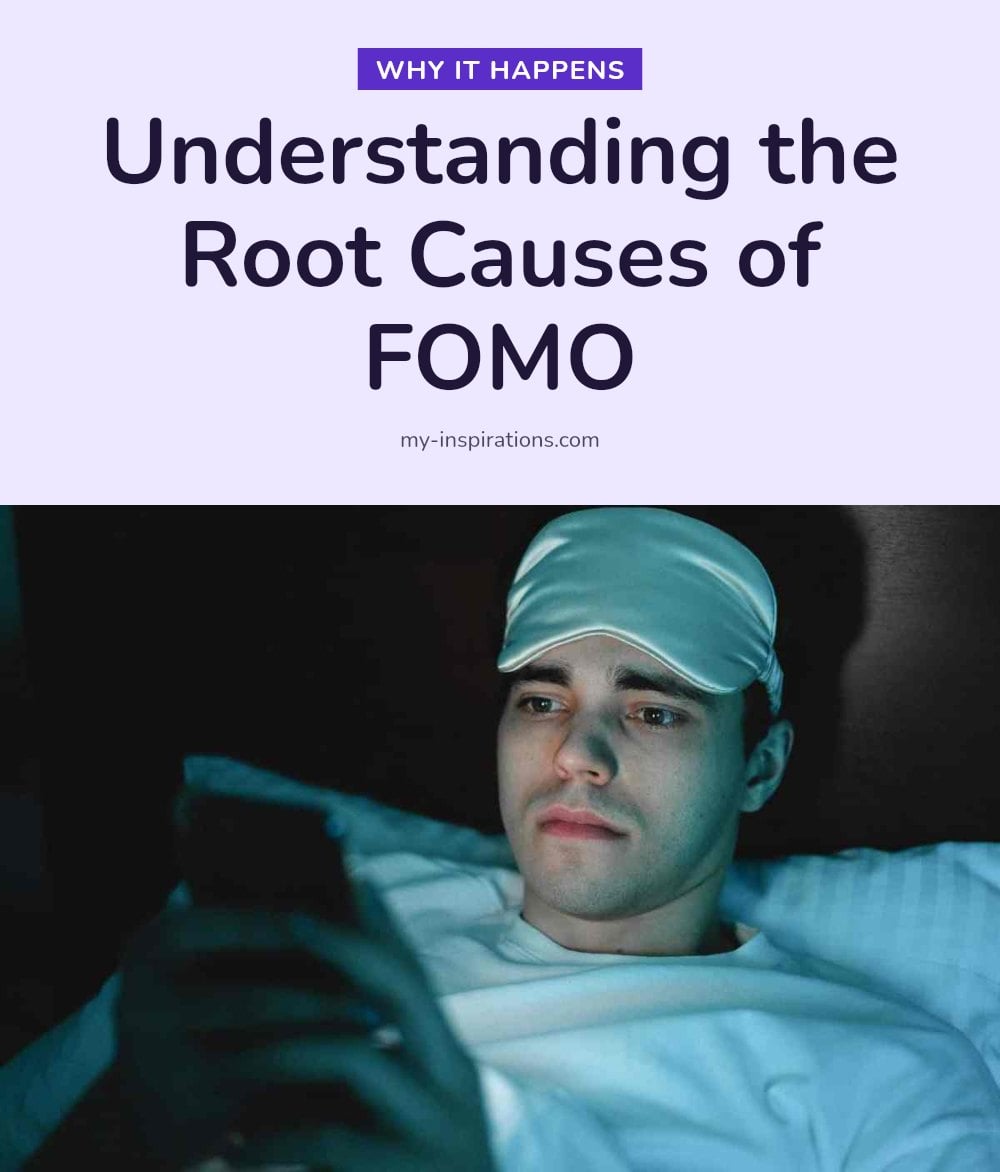
Why We Experience the Fear of Missing Out
Social media is the biggest driver of FOMO. Platforms are designed to keep you scrolling with endless updates on others’ lives, from vacation photos to career wins. That constant comparison triggers a fear that you’re falling behind. But FOMO isn’t just about what you see online. Psychological factors like anxiety, loneliness, and low self-esteem can make you more susceptible. When you already feel uncertain about your own life, seeing others’ highlights amplifies those insecurities.
This can lead to compulsive checking of your phone, refreshing feeds to see if you’ve missed something new. It’s a natural human emotion, and everyone feels it occasionally. But when it becomes excessive, it can interfere with your ability to be present and enjoy what you’re actually doing. The urge to stay connected becomes a habit that’s hard to break.
Recognizing that FOMO is a normal response to social cues is the first step. It’s not a flaw in your character, but a reaction to an environment designed to keep you engaged. Understanding that can help you take a step back and assess whether your feelings are based on reality or on a curated version of it.
Effective Strategies to Manage Your FOMO
Effective Strategies to Manage Your FOMO
Managing FOMO starts with practicing mindfulness. When you catch yourself scrolling and feeling anxious, pause and take a few deep breaths. Focus on what’s in front of you, whether it’s a conversation, a meal, or a task. Mindfulness helps you stay grounded in your own experience rather than imagining what others are doing.
Set clear boundaries for technology use. Designate specific times to check social media, like 15 minutes in the morning and evening, and stick to them. Turn off non-essential notifications so your phone isn’t constantly pulling your attention. Tip: Try a digital detox for one day each week. You might be surprised how much lighter you feel.
Cultivate gratitude for your own experiences. Keep a journal and write down three things you’re thankful for each day. When you focus on what you have, the urge to compare fades. Prioritize activities that bring you genuine joy, not just ones that look good on social media. If you love reading, hiking, or painting, make time for those, and do them for yourself, not for likes.
Connect with people in person. A face-to-face conversation with a friend offers a level of connection that no comment or like can match. Schedule regular meetups, even if it’s just a coffee or a walk. Remind yourself that social media shows an idealized version of reality. People post their best moments, not their struggles or mundane days. Caution: Don’t fall for the highlight reel. Everyone has tough times; you just don’t see them online.
Engage in self-care activities that promote well-being. Exercise, sleep, and hobbies all help reduce stress and boost your mood. When you feel good about yourself, FOMO has less power over you. My tip: Create a ‘joy list’ of five things that make you happy, and do at least one each day. It’s a simple way to shift your focus from what you’re missing to what you’re gaining.
Common Mistakes That Fuel FOMO
One of the biggest mistakes is believing everyone else is having a better time than you. That’s almost never true, but it feels real when you’re scrolling. Another mistake is thinking you need to be constantly connected to avoid missing out. In reality, constant connectivity only feeds the anxiety.
You might also underestimate how curated social media really is. People post the best angles, the funniest moments, and the biggest achievements, but they leave out the boring and difficult parts. Confusing online engagement with genuine connection is another trap. Liking someone’s post is not the same as having a real conversation.
Finally, ignoring your own feelings of discomfort is a mistake. If you notice that FOMO makes you anxious or sad, don’t brush it off. Acknowledge it and take a step back. Tip: When you feel that pang of envy, put your phone down and ask yourself what you truly need in that moment. Often, it’s not more information, but more presence.
Embracing JOMO: The Joy of Missing Out
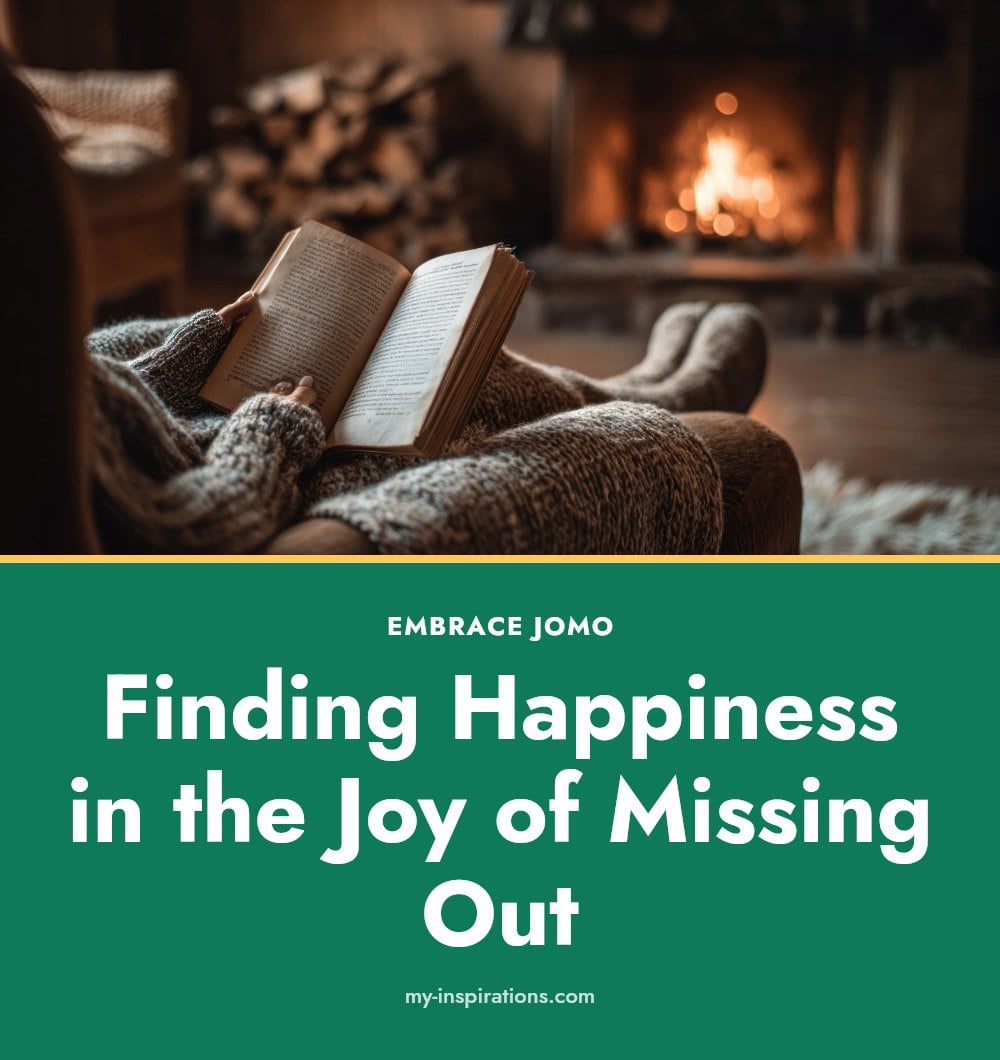
JOMO, or the Joy of Missing Out, is the positive counterpart to FOMO. It means finding genuine pleasure in stepping away from the constant stream of updates and focusing on your own life. Instead of feeling anxious about what you might be missing, JOMO shifts your attention to personal well-being and being fully present. It encourages you to make intentional choices about how you spend your time and energy, prioritizing what truly matters to you rather than reacting to others’ activities.
When to Seek Professional Support for FOMO
If FOMO starts to affect your mood, relationships, or daily functioning, it may be time to talk to a professional. Excessive social media use can contribute to anxiety and depression, and constantly seeking external validation can harm self-esteem. A therapist can help if you notice yourself making impulsive or risky decisions out of fear of missing out. Reaching out for support is a proactive step toward protecting your mental health.
Frequently Asked Questions
Is FOMO a real mental health condition?
FOMO is not a formal mental health diagnosis, but it is recognized as a psychological phenomenon. It can contribute to feelings of anxiety, loneliness, and low self-esteem. If it significantly impacts your daily life, it’s worth talking to a therapist.
Can children and teens experience FOMO?
Yes, children and teens can experience FOMO, especially as they become more active on social media. Younger demographics often feel it more intensely because of higher social media usage and a stronger desire to fit in with peers.
How long does it take to reduce FOMO?
There’s no set timeline, but many people notice a shift in a few weeks of consistently practicing mindfulness, limiting social media, and cultivating gratitude. It’s an ongoing process, not a one-time fix.
What does FOMO stand for?
FOMO stands for Fear of Missing Out. It describes the apprehension that others are having rewarding experiences that you’re not part of, often fueled by social media.
What is JOMO and how is it related to FOMO?
JOMO stands for Joy of Missing Out. It’s the positive opposite of FOMO. Instead of feeling anxious about what you’re missing, JOMO involves finding pleasure in disconnecting and focusing on your own well-being.
Final Thoughts
If you’re feeling overwhelmed by FOMO, start small: pick one day this week to take a complete break from social media. Use that time to do something you genuinely enjoy, like reading, cooking, or a walk. You might be surprised at how freeing it feels. Reducing FOMO isn’t about cutting off your phone forever, it’s about rebalancing your attention so you can appreciate what you have. Over time, practicing these strategies can help you feel more grounded and less anxious.
This article is for informational purposes only and does not constitute medical or mental health advice. If FOMO or related feelings are causing significant distress or affecting your daily life, please consult a qualified mental health professional.