Signs You Are an Empath: Understanding Your Deep Sensitivity
Discover the key signs you might be an empath and learn how to understand and manage your heightened sensitivity for a more balanced life.

Have you ever walked into a room and instantly felt the mood shift, or found yourself exhausted after a conversation with a friend? You might be an empath, someone who doesn’t just understand others’ emotions but actually feels them as your own. This article walks you through the key signs that you are an empath, from absorbing emotions to needing solitude, and offers practical ways to manage this deep sensitivity.

Key Takeaways
- Empaths absorb others’ emotions as if they were their own, a deeper experience than simple empathy.
- Sensory overload in crowds or loud places is a common sign of being an empath.
- A strong need for solitude is essential for processing absorbed emotions and recharging.
- Setting clear emotional and physical boundaries helps prevent burnout and emotional exhaustion.
- If overwhelming feelings persist, consulting a mental health professional is a wise step.
What It Means to Be an Empath
Being an empath means you don’t just understand how someone feels. You actually feel it yourself. It’s like your emotional radar is turned up high, picking up the joy, sadness, or anxiety of everyone around you and bringing it inside your own body. This goes beyond the empathy most people experience; it’s a full-body absorption of others’ emotional states. That depth can make you an incredible friend, partner, or caregiver, but it also leaves you vulnerable to overwhelm if you don’t have strategies in place. The first step is simply recognizing that this is what’s happening. Once you name it, you can start managing the input and protecting your energy without losing your gift for connection.
1. You Absorb Others’ Emotions
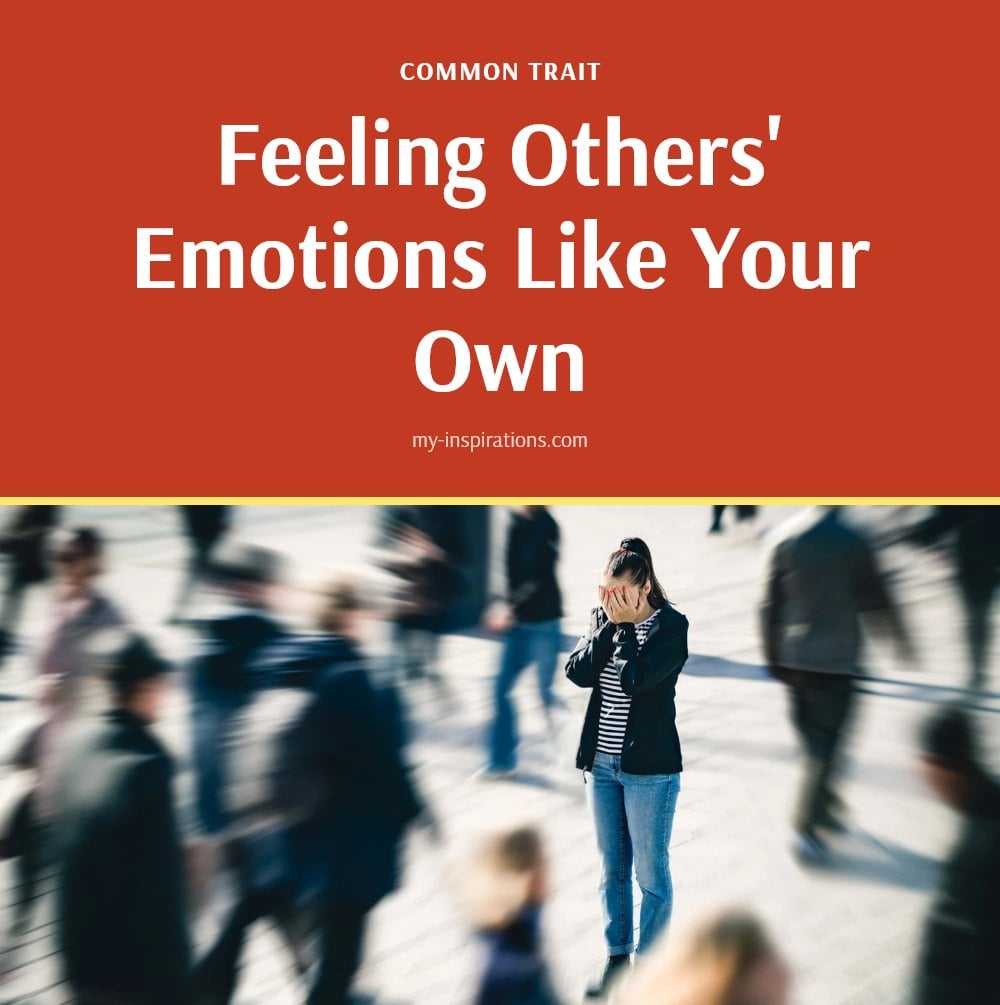
You might walk into a room and instantly feel the tension between two people, even if they’re smiling. Or you absorb a friend’s excitement so completely that your own mood lifts without a clear reason. This is the core of being an empath: you don’t just observe emotions. You take them on physically and emotionally. The result is sudden mood shifts that seem to come from nowhere.
- Check in with yourself: Pause and ask, “Is this feeling mine, or did I pick it up from someone else?”
- Use a mental separation: Imagine a shield or a filter that lets you notice emotions without absorbing them.
- Keep a quick journal: Note your mood and what happened before the shift to spot patterns.
2. Sensory Overload Is Common
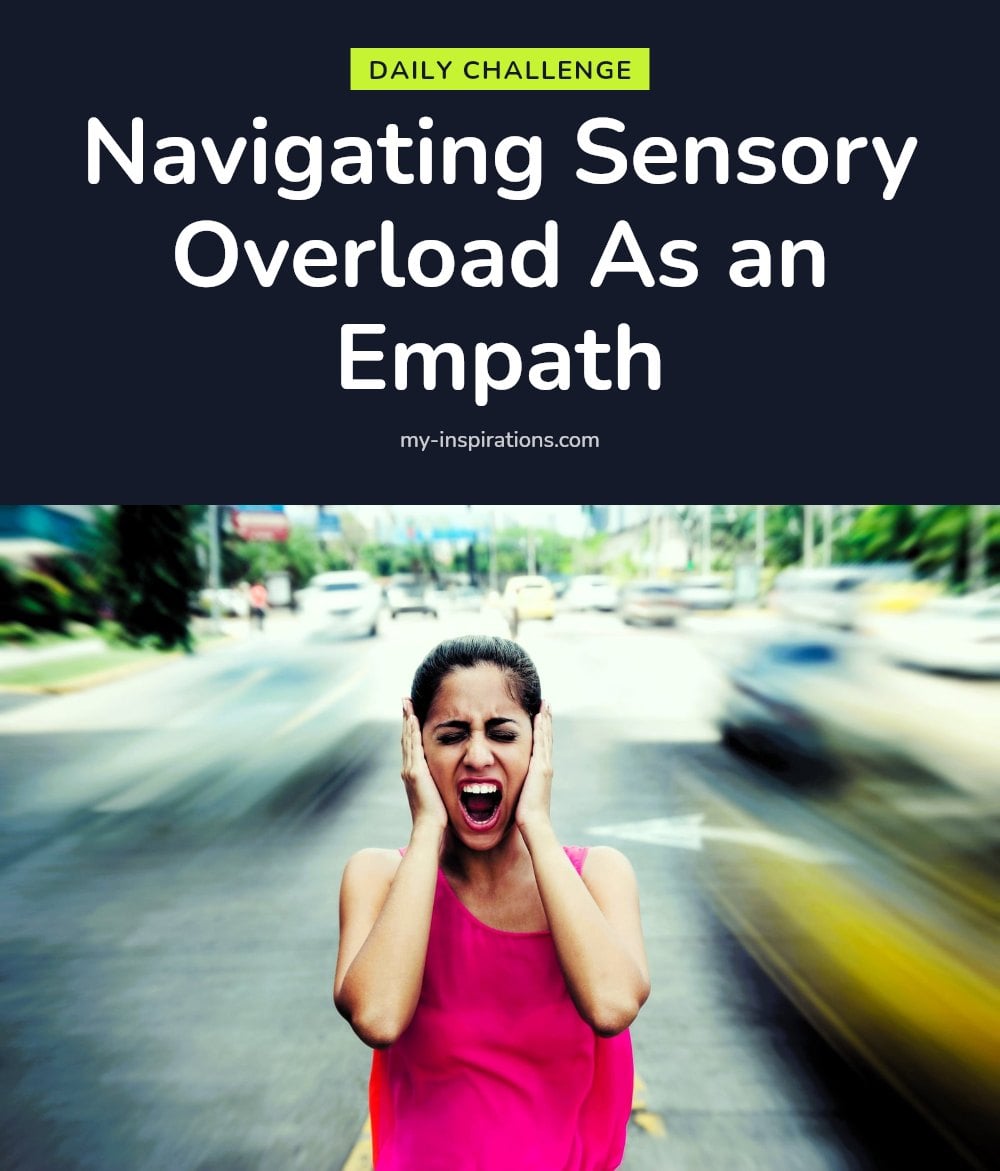
A crowded grocery store, a loud restaurant, or a room with strong perfume can leave you feeling drained and desperate to leave within minutes. This isn’t just annoyance. It’s a deep sense of being overstimulated, as if your nervous system is screaming for quiet. For empaths, sensory input hits harder because you’re already processing others’ emotions on top of everything else.
- Plan escapes: When you go into a busy space, identify a quiet corner or an exit route before you need it.
- Wear noise-reducing earplugs: They take the edge off loud environments without blocking sound entirely.
- Schedule buffer time: Give yourself 15 minutes of quiet after any overstimulating outing to reset.
3. You Have Strong Intuition
You’ve probably had that moment where you meet someone and just know something is off, even though they seem perfectly nice. Or you sense a friend is about to call before the phone rings. This strong intuition is one of the clearest signs you’re an empath. It’s a knowing that arrives without logic or evidence, and it often turns out to be right. Trusting that inner voice can guide you away from unhealthy situations and toward people who are genuine. My tip: when you get that gut feeling, pause before you talk yourself out of it. Write it down and see how often it proves accurate, that builds confidence in your own perception.
4. A Deep Need for Solitude
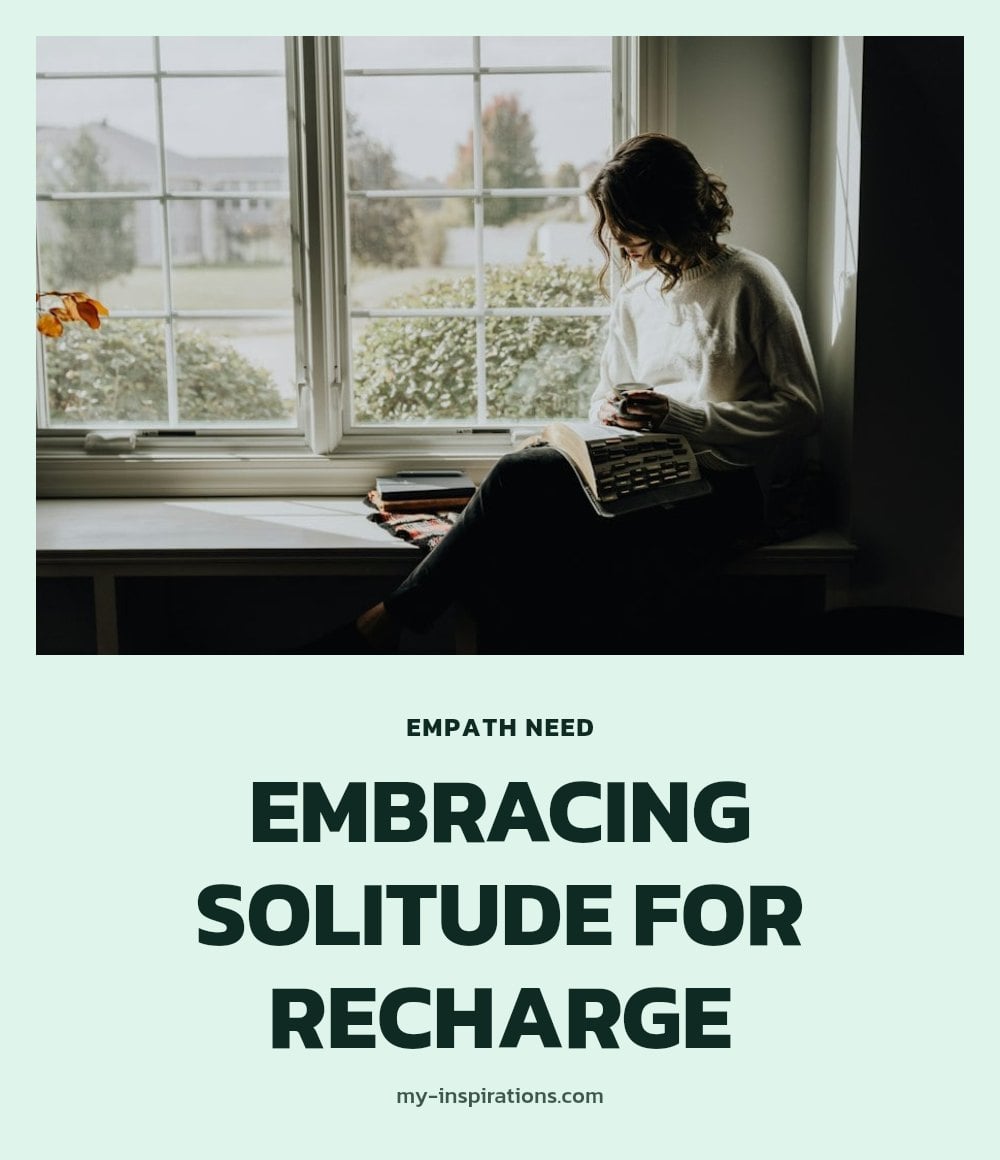
After a few hours with friends or even a short errand, I often need to retreat to a quiet room or take a walk alone. That urge isn’t about being antisocial; it’s a necessary reset. Solitude gives your system a chance to process the emotions you’ve absorbed and separate them from your own. Without that decompression, you may feel depleted, anxious, or irritable the rest of the day.
My tip: Schedule 15 to 30 minutes of alone time after any social event, even if it’s just sitting in your car before driving home. Treat it as non-negotiable self-care, not an indulgence.
5. Physical Symptoms Manifest
When I’m overwhelmed, I notice a familiar pattern: a headache, tight shoulders, or a knot in my stomach. These aren’t always signs of my own illness. Many empaths find that absorbed stress or others’ emotions can show up as fatigue, anxiety, or digestive discomfort. Learning to check in with your body and ask, “Is this mine or someone else’s?” helps you respond rather than react. If physical symptoms persist or worry you, consult a doctor to rule out other causes.
6. Attract ‘Energy Vampires’
If you notice certain people leave you feeling drained, tense, or hollow after every conversation, you may be dealing with an energy vampire. These emotionally demanding individuals often sense your listening ear and giving nature, and they gravitate toward it. They may talk endlessly about their problems without asking how you are, or they push your boundaries by calling late or venting for hours. Recognizing this pattern is the first step. Once you see it, you can set limits, like keeping interactions short or redirecting them to professional help.
7. Love for Nature and Animals
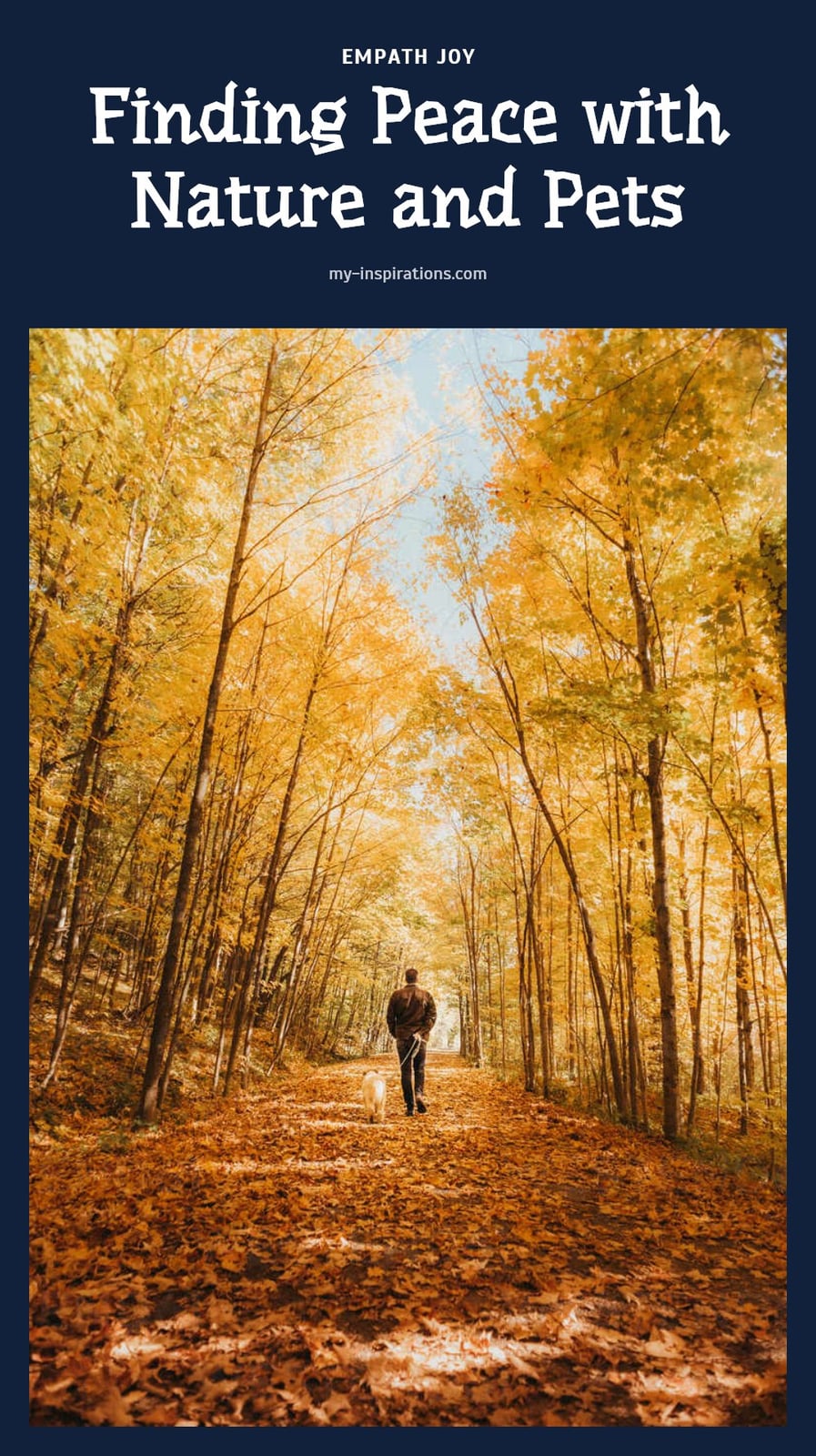
When human emotions feel too heavy, I head outside or sit with my pet. Nature and animals don’t demand anything from you; they simply offer calm presence. A 15-minute walk in a park, weeding a garden, or brushing a cat can reset your nervous system and help you feel grounded again. This connection isn’t just nice. It’s a vital escape from the constant intake of others’ feelings, giving you space to breathe and recharge.
8. Struggle with Boundaries
Saying no can feel almost impossible when you sense someone’s disappointment before they even speak. You may find yourself agreeing to plans you want to cancel or taking on tasks that drain you, simply because you feel responsible for keeping others happy. This blurring of your own feelings with theirs makes boundary setting especially hard.
My tip: Start with a short phrase like “I need to check my schedule first” to buy time before answering. Practice saying it in low-stakes situations. Over time, a clear “no” becomes less about rejection and more about protecting your energy.
9. Highly Sensitive to Stimuli
It is not just crowds that overwhelm you. A ticking clock, a neighbor’s loud music, or the smell of a certain detergent can feel distracting or even distressing. This heightened sensitivity means your environment directly affects your mood and energy levels throughout the day.
Creating a calm personal space helps. Keep one room or corner in your home with soft lighting, minimal clutter, and comfortable textures. Noise-canceling headphones are a practical tool for public spaces. When you control your immediate surroundings, you give your nervous system a chance to reset.
10. Strong Sense of Responsibility
When a friend is struggling, you are probably the first to offer help, often before they even ask. This strong sense of responsibility comes from a genuine desire to ease others’ pain. But it can lead you to overextend, skipping meals, losing sleep, or ignoring your own tasks to support someone else.
Helping others does not require sacrificing yourself. A simple check-in can help: ask yourself, “Am I helping because I want to, or because I feel I must?” If the answer is “must,” pause and give yourself permission to step back. Your well-being matters too.
11. Drawn to Helping Professions
It makes sense that many empaths choose careers in nursing, teaching, therapy, or social work. Your natural ability to sense what others feel allows you to connect deeply and offer genuine comfort. These roles can be incredibly fulfilling because you make a real difference every day.
Yet the same sensitivity that makes you good at your job can also lead to burnout. Constantly absorbing clients’ or students’ emotions without a recovery plan takes a toll. Schedule short breaks between sessions, use a journal to separate your feelings from theirs, and set firm work hours. Your compassion is a strength, but it needs boundaries to last.
When to Seek Professional Support
If you find that overwhelming emotions lead to persistent anxiety, depression, or make it hard to get through your daily routine, it’s worth talking to a mental health professional. They can help you develop coping strategies, set healthy boundaries, and learn to tell your own feelings apart from the ones you absorb from others.
Physical symptoms like chronic fatigue, stomach issues, or headaches that worry you deserve a checkup with a medical doctor first. They can rule out underlying health conditions before you assume everything is emotional. Many empaths find that a combination of medical and therapeutic support makes the biggest difference.
Tip: You don’t need to wait for a crisis to reach out. A therapist can help you build a sustainable self-care plan that keeps your sensitivity a strength, not a burden.
Frequently Asked Questions
Can an empath learn to turn off their sensitivity?
You cannot turn off your sensitivity entirely, and many people find that trying to do so leads to more distress. Instead, you can learn to manage it by setting boundaries, scheduling alone time, and practicing grounding techniques. Over time, these strategies help you feel more in control without losing your natural gift.
Is being an empath a psychological condition?
Being an empath is not a formal psychological diagnosis. It is a term used to describe a heightened sensitivity to others’ emotions, which is more common in people who identify as highly sensitive. If your empathic traits cause persistent anxiety or depression, it may be helpful to speak with a mental health professional for support.
How can empaths protect themselves from negative energy?
Protecting yourself starts with setting clear boundaries, such as limiting time with draining people and saying no without guilt. Grounding activities like spending time in nature, meditation, or journaling can help release absorbed energy. Many empaths also find that wearing noise-canceling headphones or carrying a calming object in crowded places makes a difference.
Are all highly sensitive people empaths?
Not all highly sensitive people are empaths, though there is overlap. High sensitivity is a broader trait involving strong reactions to sensory stimuli, while being an empath specifically involves absorbing and feeling others’ emotions. Many empaths are also highly sensitive, but someone can be highly sensitive without taking on others’ feelings as their own.
Can an empath have healthy relationships?
Yes, empaths can have healthy and fulfilling relationships. The key is learning to communicate your needs for alone time and boundaries early on. When you protect your own energy and avoid taking on your partner’s problems as yours, you can offer genuine compassion without burning out. A supportive partner will understand and respect these limits.
Final Thoughts
Recognizing these signs in yourself is the first step toward managing your empathic nature. My tip: start by identifying one emotion that feels like yours each day, and write it down to build self-awareness. Realistically, learning to protect your energy is an ongoing practice, not a quick fix, but each small boundary you set will help you feel more grounded. Embrace your sensitivity as a strength, and give yourself permission to recharge when you need it.
This article is for general informational purposes only and does not constitute medical or professional advice. If you experience persistent anxiety, depression, or difficulty functioning in daily life, please consult a qualified mental health professional. For physical symptoms that concern you, speak with a medical doctor.