
The Best Fiber Foods for Your Health and Digestion
Learn about essential fiber foods that support digestion, regulate blood sugar, and manage cholesterol.

You already know fiber is good for you, but figuring out which foods actually deliver the most of it can feel overwhelming. The good news is that many everyday foods, from beans and berries to oats and avocados, are packed with this essential nutrient. In this article, you’ll find a practical list of the best fiber-rich foods, along with tips on how to add them to your meals without upsetting your stomach.
Whether your goal is better digestion, weight management, or simply eating healthier, these picks will help you hit your daily fiber goals with ease.

Key Takeaways
- Aim for 25 grams of fiber daily if you’re a woman under 50, 38 grams if you’re a man under 50.
- Increase fiber gradually over several weeks and drink plenty of water to avoid discomfort.
- Include both soluble fiber (oats, beans, apples) and insoluble fiber (whole grains, nuts, vegetables).
- Choose whole fruits and vegetables over juices to get the fiber, not just the sugar.
- Don’t rely on supplements; whole foods provide fiber plus essential nutrients.
What Are High-Fiber Foods?
High-fiber foods are plant-based foods rich in indigestible carbohydrates that support digestive health, blood sugar regulation, and cholesterol management. They contain a mix of soluble fiber, which forms a gel and helps lower cholesterol, and insoluble fiber, which adds bulk to stool and aids regularity. Incorporating a variety of these foods gradually, along with plenty of water, is key to reaping their benefits without discomfort.
1. Legumes: Beans, Lentils, and Peas
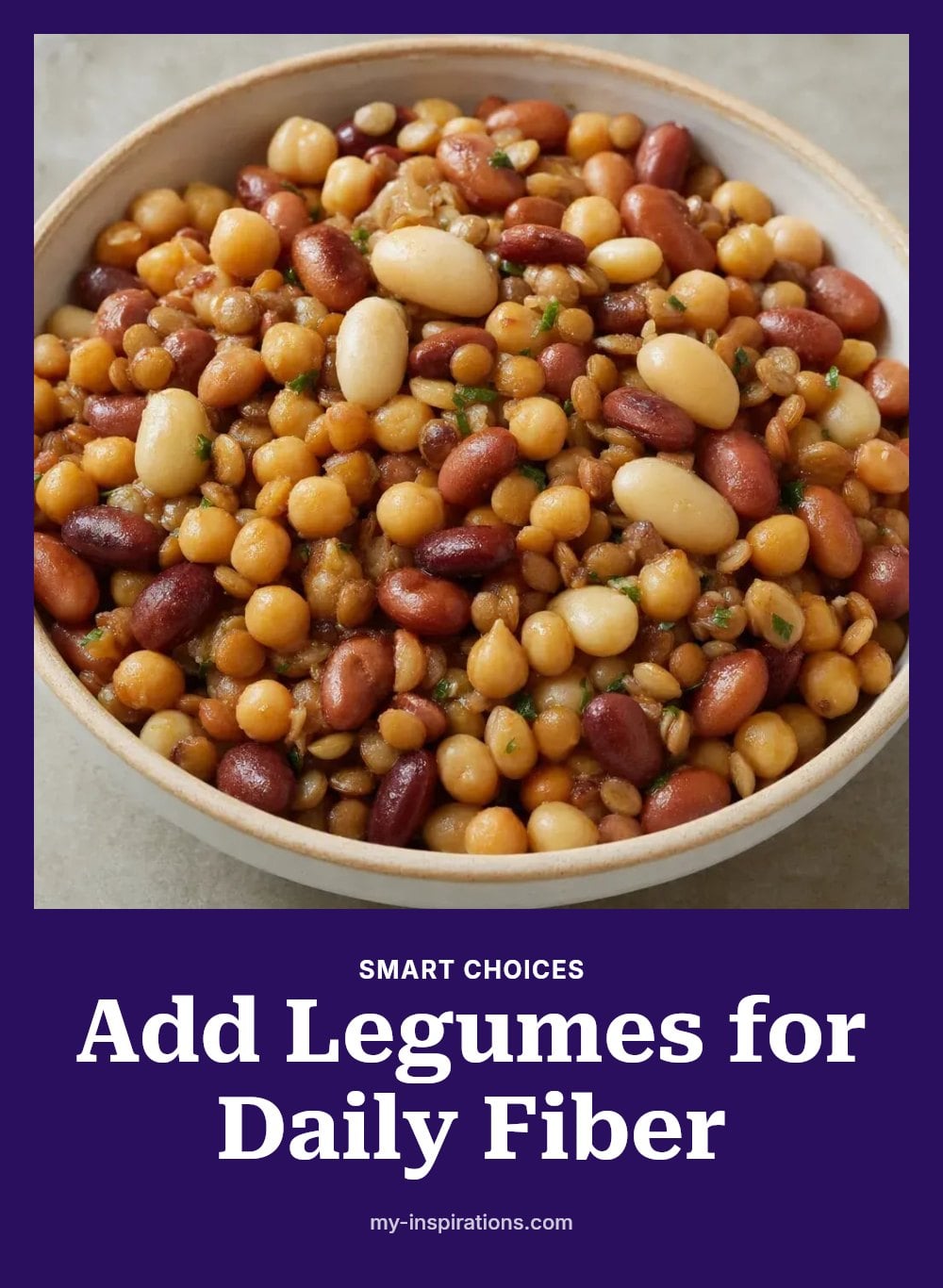
Legumes are powerhouses of both soluble and insoluble fiber, making them excellent for digestive health and blood sugar control. They also provide plant-based protein, which helps with satiety.
- Try adding black beans to tacos, lentils to soups, or chickpeas to salads for an easy fiber boost.
- My tip: Keep canned beans rinsed and ready for quick meals; they work in everything from chili to grain bowls.
2. Oats and Whole Grains

Oats, brown rice, quinoa, and whole wheat bread are rich in insoluble fiber, promoting regular bowel movements. Oats specifically contain beta-glucan, a soluble fiber known for lowering cholesterol.
- Start your day with a bowl of oatmeal or swap white rice for brown rice in your meals.
- My tip: Choose steel-cut or rolled oats over instant varieties for a more satisfying texture and fiber content.
3. Berries: Raspberries and Blackberries

Berries, especially raspberries and blackberries, are exceptionally high in fiber for their size. They also provide antioxidants, contributing to overall health.
- Add a handful to your yogurt, smoothie, or just enjoy them as a snack.
- Tip: Keep frozen berries on hand for smoothies; they are just as nutritious and ready anytime.
4. Apples and Pears
Apples and pears deliver soluble fiber, especially pectin, which can help regulate blood sugar. Keep the skin on, since that’s where much of the fiber lives. Slice them into salads or keep a bowl on the counter for a quick, crunchy snack that satisfies between meals.
5. Avocado

Avocado stands out as a fruit with both fiber and healthy monounsaturated fats, a combo that supports satiety and helps your body absorb fat-soluble nutrients. Mash it on toast, toss cubes into salads, or blend it into smoothies for a creamy texture and an easy fiber boost.
6. Broccoli and Brussels Sprouts

Broccoli and Brussels sprouts pack insoluble fiber, which adds bulk to stool and supports regularity. They also bring vitamins C and K to the plate. Roast them at high heat until the edges brown, which brings out their natural sweetness and turns them into a side dish you will actually crave.
7. Artichokes
Artichokes are surprisingly rich in fiber, including a type called inulin that acts as a prebiotic. Prebiotics feed the beneficial bacteria in your gut, supporting a healthy microbiome. Steam whole artichokes and serve with a squeeze of lemon for a fiber-rich side that feels like a treat.
8. Chia Seeds and Flaxseeds
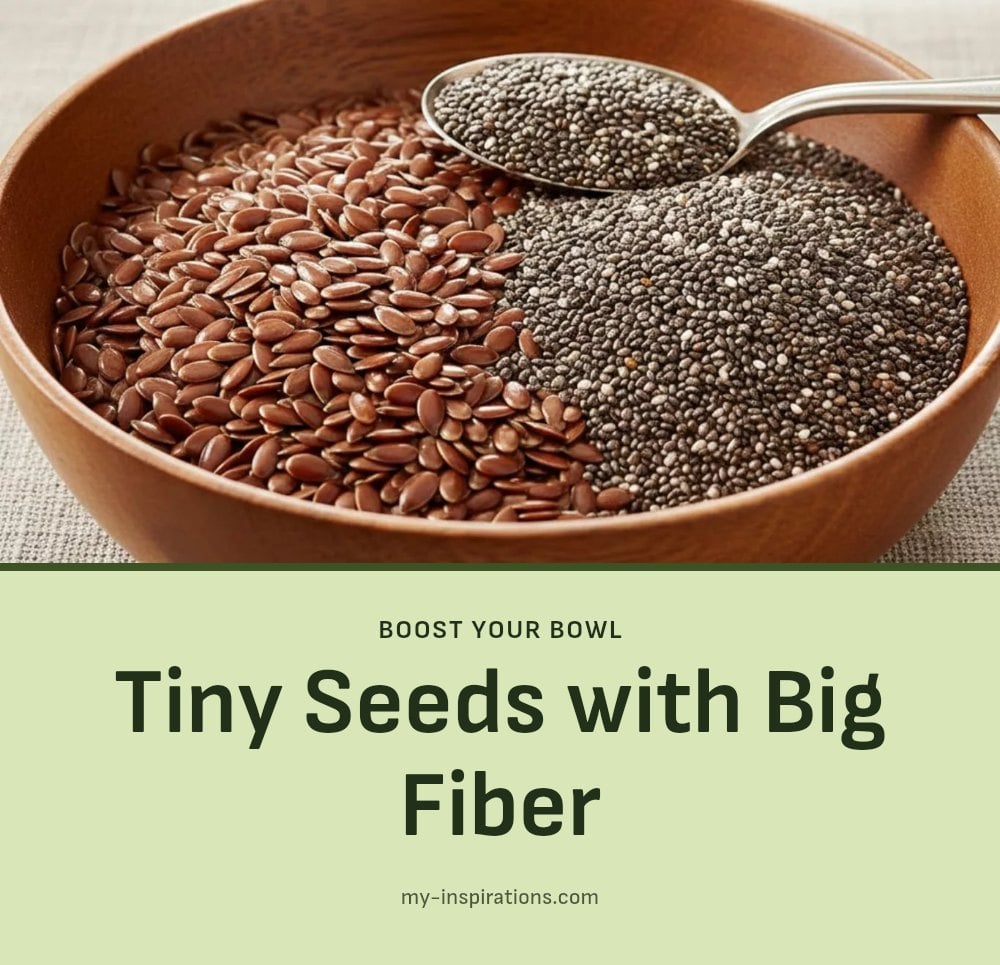
Chia seeds and flaxseeds are tiny but mighty sources of both soluble and insoluble fiber, plus omega-3 fatty acids. They absorb a lot of liquid and form a gel that can help slow digestion and keep you full.
- Sprinkle them: Add chia seeds or flaxseeds to smoothies, yogurt, or oatmeal for an easy fiber boost.
- Make pudding: Mix chia seeds with milk or a dairy-free alternative and let it sit for a few hours to create a creamy, fiber-rich pudding.
9. Nuts and Seeds (Almonds, Walnuts)
Almonds, walnuts, and other nuts deliver a solid dose of fiber along with healthy fats and protein. That combo helps you feel full and satisfied, which can support weight management.
- Snack smart: A small handful of almonds or walnuts works as a portable, filling snack.
- Add crunch: Chop nuts and toss them into salads, stir-fries, or even oatmeal for extra texture and fiber.
10. Carrots
Carrots are an easy-to-find vegetable that provides both soluble and insoluble fiber. They are also packed with beta-carotene, which your body converts into vitamin A for healthy vision and immunity.
- Raw snack: Enjoy carrot sticks with hummus or on their own for a crunchy, fiber-rich bite.
- Cook them: Add carrots to stews, soups, or roast them in the oven to bring out their natural sweetness.
11. Potatoes (with skin)
Potatoes, especially when you eat the skin, are a good source of insoluble fiber. The skin holds a large share of the potato’s fiber and nutrients, so leaving it on makes a real difference.
- Bake or roast: Cook potatoes with the skin on instead of peeling them for mashed potatoes or making fries.
- Keep the skin: Scrub potatoes well, then bake or roast them whole to get the full fiber benefit.
Common Mistakes When Increasing Fiber
Not drinking enough water: Fiber needs water to move through your digestive system effectively. Without it, you might experience constipation instead of relief. Good to know: Always pair increased fiber with increased water intake, aiming for at least eight glasses a day.
Increasing fiber too quickly: A sudden jump in fiber can lead to gas, bloating, and abdominal cramps. Pro move: Gradually add fiber-rich foods over several weeks to allow your body to adjust. Add just one new serving every few days.
Relying solely on supplements: While fiber supplements can be helpful, they don’t offer the full spectrum of nutrients found in whole foods. Quick tip: Prioritize getting fiber from a variety of fruits, vegetables, and grains. Supplements can fill a gap but shouldn’t replace real food.
Frequently Asked Questions
What is the difference between soluble and insoluble fiber?
Soluble fiber dissolves in water to form a gel, which can help lower cholesterol and regulate blood sugar. Insoluble fiber adds bulk to stool and helps food move through your digestive tract more quickly. Most plant foods contain both types, so eating a variety of fruits, vegetables, and whole grains ensures you get both.
How much fiber should I eat daily?
For adult women under 50, the recommended amount is 25 grams per day. For adult men under 50, it’s 38 grams per day. These targets are based on general guidelines, and your individual needs may vary. Checking food labels can help you track your intake.
Can I get too much fiber?
Yes, it’s possible to overdo it. Suddenly eating a lot more fiber than your body is used to can cause gas, bloating, and cramps. Very high intakes without enough fluid may lead to constipation or, in rare cases, bowel obstruction. Increase gradually and drink plenty of water to avoid these issues.
Are fiber supplements as good as food sources?
Fiber supplements can help you reach your daily goal, but they’re not a complete substitute for whole foods. Whole foods provide fiber along with vitamins, minerals, and antioxidants that supplements lack. If you do use a supplement, do so in addition to, not instead of, a fiber-rich diet.
How quickly will I see benefits from increasing fiber?
You may notice improved regularity within a few days to a few weeks of consistent, gradual increases. However, long-term benefits like better heart health and blood sugar management develop over months and years. Be patient and consistent, and your body will adjust.
Final Thoughts
To get the most out of fiber, start by adding one or two of these foods to your daily routine, like oats for breakfast or a handful of almonds for a snack. Increase your intake gradually over a few weeks, and always pair it with enough water. You may notice improved regularity within days, while long-term benefits for heart health and blood sugar develop over months and years.
Remember, a varied diet with both soluble and insoluble fiber is the best approach. If you have a digestive condition or take medication, talk to your doctor before making big changes.
This article is for general information only and is not a substitute for professional medical advice. If you have a digestive condition, are on medication, or experience persistent or severe symptoms, consult a doctor or registered dietitian before making significant changes to your fiber intake.