
Beginner’s Guide to a 3-Day Detox Cleanse
Learn how to safely and effectively do a 3-day detox cleanse, focusing on whole foods to support your body's natural processes and kickstart healthier habits.

Thinking about hitting the reset button on your eating habits? A 3-day detox cleanse might be just what you need to support your body’s natural processes and reduce bloating. This beginner’s guide covers everything from what to eat and avoid to how to prepare and what to do after, so you can approach it safely and effectively.

Key Takeaways
- Focus on whole foods like fruits, vegetables, lean proteins, and whole grains for three days.
- Avoid processed foods, refined sugars, alcohol, and caffeine during the cleanse.
- Stay hydrated with water and herbal teas to support natural detox systems.
- Consult a healthcare professional before starting, especially if you have a chronic condition.
- Reintroduce foods gradually after the cleanse to observe how your body reacts.
What is a 3-Day Detox Cleanse?
A 3-day detox cleanse is a short-term dietary reset centered on whole, unprocessed foods like fruits, vegetables, and lean proteins. The goal is to support your body’s natural detoxification systems, reduce bloating, and encourage healthier eating habits by eliminating common irritants such as processed foods, refined sugars, alcohol, and caffeine. This approach is about nourishing your body to enhance its own cleansing abilities, not about ‘flushing out’ toxins the body can’t handle. Think of it as a reset button for your eating patterns.
Your Shopping List for a 3-Day Cleanse

Stock your kitchen before you start so you’re not tempted to reach for convenience foods. Here’s what you’ll need:
- Fresh fruits: A variety for smoothies and snacks, like berries, bananas, and apples.
- Fresh vegetables: Leafy greens, cruciferous veggies, and colorful options for meals and snacking.
- Whole grains: Brown rice and quinoa provide complex carbohydrates for steady energy.
- Legumes: Lentils and beans offer plant-based protein and fiber to keep you full.
- Nuts and seeds: Almonds, walnuts, chia seeds, and flax seeds add healthy fats and protein.
- Lean protein sources: Chicken breast, fish, tofu, or tempeh for satiating meals.
- Herbal teas: Caffeine-free options like peppermint, ginger, or chamomile for hydration.
- Plenty of water: Consider a water filter if you don’t have one.
- Blender: Essential for smoothies and homemade juices.
Your 3-Day Cleanse Meal Plan
Keep your meals simple and focus on whole foods. Aim for a balance of fruits, vegetables, lean proteins, and healthy fats at each meal. Hydrate with water and herbal teas throughout the day. Listen to your body and adjust portion sizes as needed; you shouldn’t feel deprived.
| Day | Breakfast | Lunch | Dinner | Snacks |
|---|---|---|---|---|
| Day 1 | Green smoothie with spinach, banana, and almond milk | Quinoa salad with chickpeas, cucumber, and lemon-tahini dressing | Grilled chicken breast with roasted broccoli and sweet potato | Apple slices with almond butter; herbal tea |
| Day 2 | Oatmeal topped with berries and chia seeds | Lentil soup with a side of mixed greens | Baked salmon with asparagus and brown rice | Carrot sticks with hummus; chamomile tea |
| Day 3 | Smoothie bowl with frozen mango, spinach, and flax seeds | Turkey and avocado lettuce wraps with a side of fruit | Stir-fried tofu with bell peppers, snap peas, and quinoa | A handful of walnuts; ginger tea |
Pair each day with gentle movement like a 20-minute walk or light stretching. Prioritize sleep and stress reduction to support your body’s reset.
Common Cleanse Mistakes to Avoid
Even with good intentions, it’s easy to fall into these traps. Here’s what to avoid:
- Believing a cleanse will magically remove all toxins: Your body already has effective systems; a cleanse supports them, not replaces them.
- Not consulting a doctor: Especially crucial if you have chronic conditions or take medication. Always get the green light first.
- Severely restricting calories: This can lead to fatigue and nutrient deficiencies, making you feel worse. Eat enough to fuel your body.
- Ignoring hunger cues: Listen to your body; if you’re truly hungry, eat a healthy snack like fruit or nuts.
- Returning to old habits immediately: Gradually reintroduce foods to maintain benefits. A sudden return to processed foods can undo your progress.
- Relying on unproven ‘detox’ products: Focus on whole foods, not expensive supplements that lack evidence.
Maximizing Your Cleanse Experience
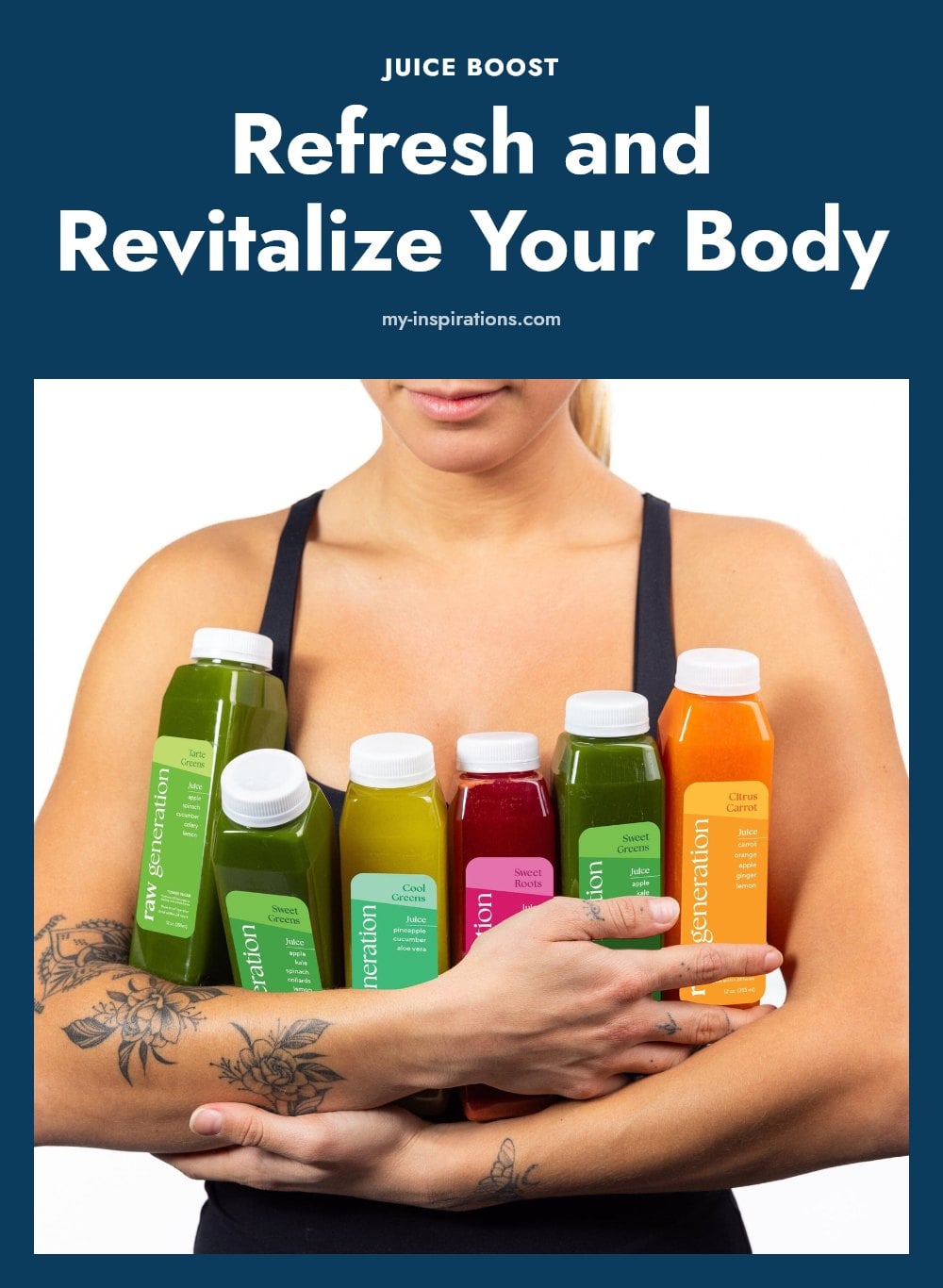
Plan Ahead: Shop for all your ingredients and prep meals like chopped veggies or cooked quinoa before day one. This keeps you on track when hunger hits.
Stay Hydrated: Drink water and caffeine-free herbal teas throughout the day. Hydration supports your body’s natural detox systems.
Prioritize Sleep: Aim for 7-9 hours of quality sleep each night. Rest is when your body does much of its repair work.
Move Gently: Stick to light activities like walking or stretching. Save intense workouts for after the cleanse.
Manage Stress: Try mindfulness, meditation, or deep breathing for a few minutes daily. Lower stress helps your body function better.
Listen to Your Body: If you feel hungry, eat a healthy snack. If something feels off, adjust the plan or stop.
Gradual Reintroduction: After 3 days, slowly add back foods like dairy or gluten one at a time over several days. Notice how each one affects you.
When to Consult a Healthcare Professional
Talk to your doctor before starting any cleanse if you have a chronic condition such as diabetes, kidney disease, or liver disease. The same applies if you are pregnant or breastfeeding, as a cleanse may not provide enough nutrients for you and your baby.
If you take medication, check with your healthcare provider because dietary changes can alter how your meds work. Stop the cleanse immediately and seek medical help if you experience severe dizziness, fainting, persistent nausea, or significant pain.
If you have a history of eating disorders, avoid cleanses entirely, as they can trigger unhealthy patterns.
Life After Your 3-Day Cleanse
Gradual Reintroduction: Don’t jump straight back into processed foods. Over several days, add back one food group at a time, like dairy, gluten, or caffeine, and see how your body responds.
Observe Your Body: Pay attention to changes in digestion, energy, or mood after reintroducing each food. This can help you identify sensitivities you didn’t notice before.
Maintain Healthy Habits: Keep prioritizing whole foods, plenty of water, and consistent sleep. These habits support long-term wellness.
Regular Check-ins: If it feels right and your doctor agrees, consider a single ‘mini-cleanse’ day each week or a longer reset every few months.
Long-Term Wellness: Remember, a 3-day cleanse is a kickstart, not a quick fix. Sustainable healthy eating is what brings lasting benefits.
Frequently Asked Questions
How often can I do a 3-day cleanse?
Many people find that doing a 3-day cleanse once a month or every few months works well as a periodic reset. However, there is no one-size-fits-all recommendation. Listen to your body and consult a healthcare professional to determine a frequency that is safe and sustainable for you.
Is a cleanse good for weight loss?
A 3-day cleanse may lead to temporary weight loss, often from reduced water retention and bloating. It is not a long-term weight loss solution. Sustainable weight management requires consistent healthy eating and exercise habits beyond the cleanse period.
What if I feel hungry during the cleanse?
It is normal to feel some hunger, especially if you are used to larger portions or more frequent snacking. Adjust portion sizes of whole foods like vegetables, lean proteins, and healthy fats to stay satisfied. You should not starve yourself; if hunger is extreme, eat a small, cleanse-friendly snack like an apple or a handful of nuts.
Can I drink coffee during a cleanse?
Most 3-day cleanses recommend eliminating caffeine, including coffee, to give your digestive system a break and reduce potential irritants. If you are concerned about caffeine withdrawal headaches, consider tapering off a few days before starting the cleanse. Herbal teas are a good alternative.
What are the main goals of a 3-day cleanse?
The main goals are to support your body’s natural detoxification systems, reduce bloating, and kickstart healthier eating habits. It is a short-term dietary reset that focuses on whole, unprocessed foods while eliminating common irritants. It is not intended to remove toxins beyond what your body handles naturally.
Final Thoughts
For a practical start, plan your meals and snacks ahead of time to avoid reaching for convenience foods. Realistically, you may notice reduced bloating and a mental reset by the end of the three days, but lasting health changes come from consistent habits. Listen to your body, and remember that this is just one step in a larger wellness journey.
This article is for informational purposes only and does not constitute medical advice. Always consult a healthcare professional before starting any cleanse, especially if you have a pre-existing condition, are pregnant or breastfeeding, or are taking medication. If you experience severe symptoms, stop and seek medical attention.