
How to Beat Fatigue Naturally and Reclaim Your Energy
Feeling constantly tired? Learn how to beat fatigue naturally with strategies for better sleep, nutrition, and stress management to boost your energy.

Feeling tired all the time can make even simple tasks feel like a struggle. If you’ve been searching for natural ways to boost your energy, you’re not alone. This article covers what causes persistent fatigue and offers practical, natural strategies to help you feel more like yourself again.
From sleep and nutrition to stress management, these approaches can make a real difference. Let’s explore how to reclaim your energy without relying on quick fixes.

Key Takeaways
- Aim for 7-9 hours of quality sleep each night, even on weekends.
- Stay hydrated and eat whole foods to avoid energy dips.
- Incorporate moderate exercise and morning natural light into your day.
- Manage stress with mindfulness or deep breathing techniques.
- See a doctor if fatigue lasts more than a few weeks or has other symptoms.
What Causes Persistent Fatigue and How to Address It
Fatigue is that deep, persistent tiredness that doesn’t go away after a full night’s sleep or a quiet weekend. Unlike ordinary tiredness, it hangs on and drains your motivation. Common triggers include poor sleep quality, an unbalanced diet, lack of exercise, and chronic stress. The good news is that natural strategies, optimizing sleep, nutrition, movement, and relaxation, can help restore your energy without quick fixes or supplements.
Understanding Why You’re Feeling So Tired

Your energy levels are shaped by several daily habits. Here are the most common factors that can leave you feeling drained.
Sleep shortfalls
Most adults need 7-9 hours of quality sleep per night. Consistently getting less than that disrupts hormone balance and recovery, making you feel sluggish the next day.
Dehydration
Even mild dehydration reduces blood volume and oxygen flow to your cells, which can drop energy levels noticeably. Drinking enough water throughout the day is a simple fix.
Lack of movement
It sounds backwards, but skipping exercise often makes fatigue worse. Regular moderate activity improves circulation and mitochondrial function, which actually boosts energy over time.
Unbalanced diet
Meals high in refined carbs and sugar cause blood sugar spikes followed by crashes. Without enough protein, fiber, and healthy fats, your energy levels swing all day.
Chronic stress
When stress hormones like cortisol stay elevated, your body burns through energy reserves quickly. This can lead to adrenal fatigue and persistent low energy.
Nutrient shortfalls
Deficiencies in iron, vitamin B12, and vitamin D are commonly linked to fatigue. These nutrients are essential for oxygen transport, nerve function, and cellular energy production.
Natural Strategies to Boost Your Energy Levels

You don’t need expensive supplements or drastic changes. These seven strategies target the root causes of fatigue and are backed by solid evidence.
Prioritize 7-9 hours of quality sleep
Set a consistent bedtime and wake-up time, even on weekends. Create a wind-down routine: dim lights, avoid screens 30 minutes before bed, and keep your bedroom cool and dark.
Stay well-hydrated
Drink water throughout the day, not just when you feel thirsty. A reusable water bottle helps you track intake. Aim for pale yellow urine as a simple hydration check.
Move your body regularly
Moderate exercise like brisk walking, cycling, or swimming for 20-30 minutes most days can increase energy. Start slowly if you’re very tired, even 10 minutes helps.
Eat for steady energy
Base meals on whole foods: fruits, vegetables, lean proteins (chicken, fish, legumes), and complex carbs (oats, quinoa, sweet potatoes). Include protein and fiber at every meal to stabilize blood sugar.
Practice stress reduction daily
Deep breathing, meditation, or gentle yoga for 5-10 minutes a day lowers cortisol and restores energy. Even a short nature walk can reset your nervous system.
Limit caffeine and alcohol
Both interfere with sleep quality. Avoid caffeine after 2 p.m. and limit alcohol to one drink, if any, in the evening. Better sleep means better daytime energy.
Get morning sunlight
Exposure to natural light within 30 minutes of waking helps set your circadian rhythm. Spend 10-15 minutes outside without sunglasses to signal your body it’s daytime.
Essential Tools for Fighting Fatigue
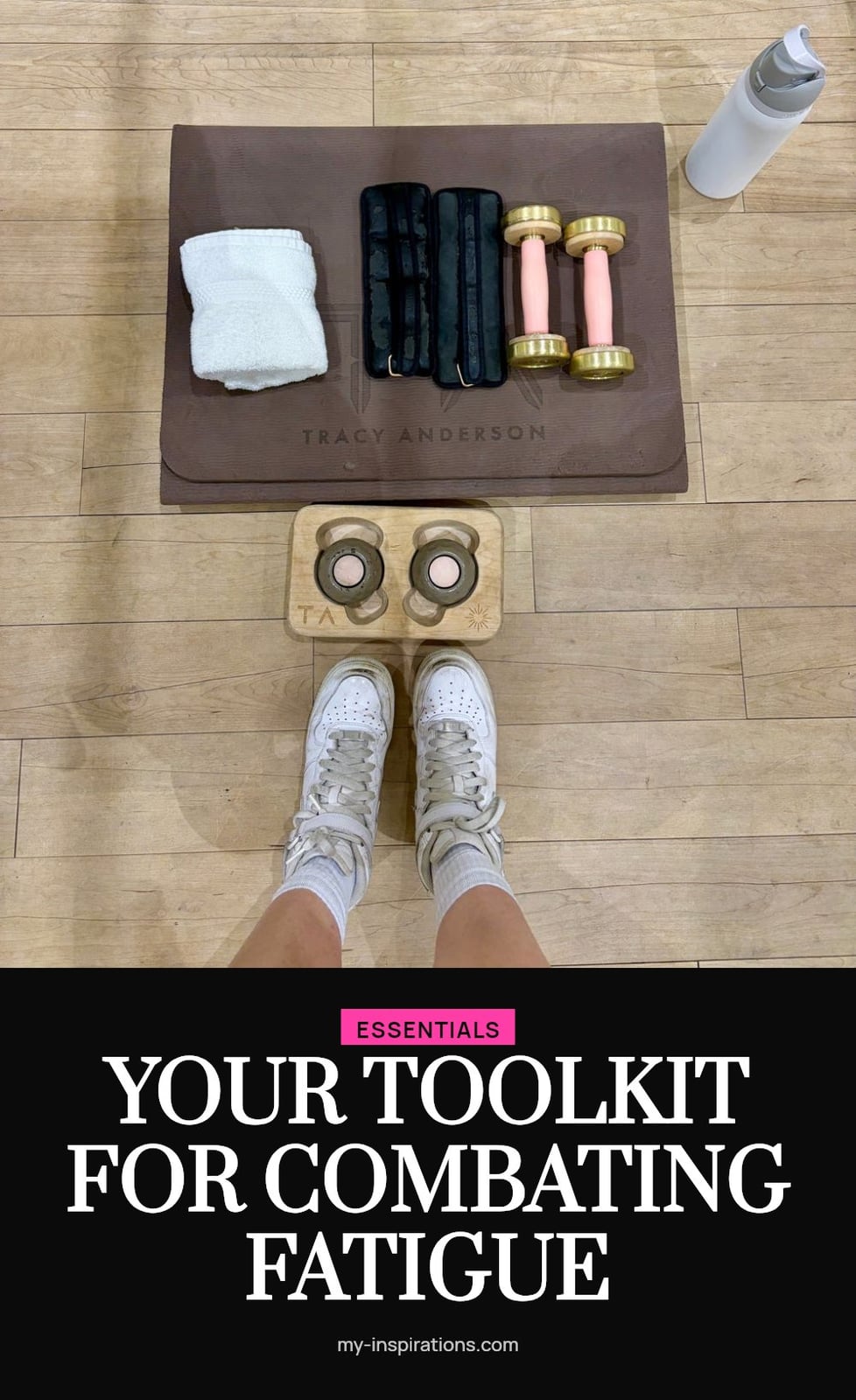
Simple, low-cost tools can support your energy-boosting routine. Here are the ones I find most useful.
- Reusable water bottle: Keeps hydration on your mind and makes it easy to sip throughout the day.
- Comfortable walking shoes: A good pair removes excuses for skipping a short walk.
- Yoga mat: Provides a dedicated space for stretching, meditation, or gentle movement.
- Journal: Track sleep, mood, and energy patterns to spot what works for you.
- Sleep mask: Blocks out light for deeper, more restorative sleep.
- Earplugs: Reduce noise disruptions so you stay asleep longer.
Common Fatigue-Fighting Mistakes to Avoid
Even with the best intentions, certain habits can sabotage your energy. Here is what to watch for.
- Assuming all fatigue is just lack of sleep: Sleep is only one piece. If you ignore diet, stress, and activity levels, you will miss the real cause.
- Pushing through extreme tiredness: Your body is signaling a need for rest or medical attention. Forcing yourself to keep going can backfire.
- Over-relying on quick fixes: Sugar and caffeine give a temporary lift, but the crash that follows leaves you more drained than before.
- Underestimating chronic stress: Stress quietly depletes your energy reserves. Consistent relaxation practices are essential, not optional.
- Not seeking medical advice for persistent fatigue: If fatigue lasts weeks or worsens, a doctor can check for underlying conditions you cannot fix on your own.
Maintaining Energy: Long-Term Strategies to Prevent Fatigue

Preventing fatigue means building habits that support your energy every day, not just when you feel run down.
- Establish a consistent sleep schedule: Go to bed and wake up at the same time daily, even on weekends. This stabilizes your internal clock.
- Prioritize whole foods: Fill your plate with fruits, vegetables, lean proteins, and complex carbs for steady fuel.
- Stay active daily: Moderate exercise most days of the week keeps your energy systems efficient.
- Manage stress proactively: Use relaxation techniques like deep breathing or meditation before stress accumulates.
- Regular health check-ups: Catching nutrient deficiencies or other issues early prevents them from draining your energy long-term.
What to Expect: Timeline for Energy Improvement
You can feel improvements in energy within days to a few weeks once you start applying these strategies consistently. The key is sticking with them. Long-term benefits come from sustained effort, not a quick fix. Most of these approaches are low-cost or free. You may spend a moderate amount on quality bedding, a sleep mask, or fresh whole foods, but you do not need expensive products to see real change.
When to Talk to Your Doctor About Fatigue
See a doctor if your fatigue is severe, lasts more than a few weeks, or does not improve with lifestyle changes. Also seek help if it comes with unexplained weight loss, fever, pain, or mood changes. If you suspect a nutrient deficiency (iron, B12, or D) or another medical condition, professional testing is the only reliable way to know. Always consult a healthcare provider before making major dietary shifts or starting supplements, especially if you have existing health conditions or take medications.
Frequently Asked Questions
How long does it take to recover from chronic fatigue?
Recovery time varies widely depending on the cause and how consistently you apply lifestyle changes. Some people notice improvements within days to a few weeks, but chronic fatigue may take longer and often requires addressing underlying factors. If fatigue persists despite your efforts, seek professional guidance.
Can certain foods make fatigue worse?
Yes, some foods can contribute to energy crashes. Heavy meals, refined sugars, and excessive caffeine can lead to dips in energy later. Eating regular, balanced meals with whole foods and lean proteins helps maintain stable blood sugar and sustained energy throughout the day.
Is it normal to feel tired all the time?
Feeling tired occasionally is common, but constant fatigue that doesn’t improve with rest is not typical. It may signal an underlying issue like poor sleep, stress, or a nutrient deficiency. If you’re always tired, it’s worth evaluating your habits and talking to a doctor.
What’s the difference between tiredness and fatigue?
Tiredness is a normal response to physical or mental exertion and usually resolves with rest. Fatigue is persistent exhaustion that isn’t relieved by sleep and can interfere with daily life. It often has multiple causes, including lifestyle factors and medical conditions.
Can dehydration cause extreme fatigue?
Yes, dehydration can significantly impact your energy levels and contribute to feelings of fatigue. Even mild dehydration can make you feel tired and sluggish. Drinking plenty of water throughout the day is a simple way to support your energy and overall well-being.
Final Thoughts
To beat fatigue naturally, start with the basics: prioritize your sleep, drink enough water, and move your body regularly. These simple changes can help you feel more energetic within days or weeks, but consistency is key for lasting results.
Remember, if your fatigue is severe or persistent, it’s important to talk to a healthcare professional. Listen to your body and give yourself the care you deserve.
This article is for general informational purposes only and is not a substitute for professional medical advice. Always consult a doctor or qualified healthcare provider if you have concerns about persistent fatigue or other symptoms. Do not self-diagnose or self-treat any medical condition.